Preparing Your Property to Sell: A Guide to Home Staging in Los Angeles, CA

For anyone selling a home in Los Angeles, the median sale price recently hit roughly $1,055,000. With around 8,378 homes available and a 5.1-month supply, buyers have plenty of options before they ever write an offer.
Homes here are spending an average of 52 days on the market. That's nearly two months of carrying costs, showings, and uncertainty - and that's the average. Standing out among thousands of listings takes more than a quick clean and some decent photos. If you want buyers to come in strong, the home needs to look the part.
Why Staging Pays Off for Los Angeles Home Sellers
The 2025 National Association of Realtors (NAR) Profile of Home Staging found that 21% of sellers' agents stage all their clients' homes before listing. The reasoning is straightforward: staging transforms a lived-in space into something a buyer can picture themselves in, rather than a room full of someone else's stuff.
That shift matters in photos and in person. Buyers decide fast whether they're interested, and first impressions - online and at the front door - drive that decision.
Speeding Up the Sale Process
The same 2025 NAR report found that 49% of sellers' agents said staging reduced a property's time on the market. In a city where homes already sit for nearly two months on average, cutting even a week or two off that clock is real money saved on mortgage payments, taxes, and insurance.
Buyers also move faster when a home feels ready. When they don't have to mentally excavate the space to figure out how their furniture fits, the decision gets easier.
Helping Buyers Visualize Their Future
According to the NAR data, 83% of buyers' agents said staging made it easier for buyers to visualize a home as their future residence. Empty rooms read smaller than they are. Cluttered rooms pull attention away from the architecture. Staging solves both problems at once.
It also moves the needle on price. The report noted that 29% of agents saw a 1% to 10% increase in the dollar value offered for staged homes compared to similar non-staged properties. That's not nothing on a $1,055,000 median.
What to Expect for Home Staging Costs in Los Angeles
Costs depend on the size of the home and how much has to come in from the outside - a few accent pieces versus a house full of rented furniture are very different conversations. Local staging professionals are upfront that Los Angeles runs higher than national averages, largely because of local labor, warehouse, and logistics expenses.
The 2025 NAR report puts the median professional staging cost at $1,500 nationally. Sellers in Southern California should expect to budget more. General estimates for a complete Los Angeles staging job often range between $2,000 and $6,000, but that's not the whole picture. These expenses are an important part of your overall costs of selling.
Professional Staging Price Ranges
One local staging firm notes that industry minimums in Los Angeles and Orange County often sit between $6,000 and $7,000. For a standard single-family home, staging typically runs between $4,000 and $8,000.
Luxury and larger estate properties are a different category entirely. Premium services - high-end artwork, custom furniture arrangements, specialized design plans - can run anywhere from $15,000 to over $40,000.
Pricing for Vacant and Occupied Properties
A dedicated Los Angeles vacant-home stager typically quotes $5,500 to $15,000 or more to furnish an empty house. For a standard two-to-three-bedroom home, plan on roughly $7,500 to $9,500 for a standard four-month furniture lease.
Occupied staging generally costs less because the stager works with what you already have. Hourly consultation rates for occupied homes show up in some directories around $160 to $180 per hour.
Keeping Costs Low with a DIY Approach
If the budget is tight, you can handle a lot of this yourself. The NAR report found the median cost drops to about $500 when the seller's agent or the seller personally stages the home.
You'll spend some money on minor repairs, fresh paint, and maybe new throw pillows or neutral bedding. What you're trading is time and labor for lower out-of-pocket costs.
Deciding Between Hiring a Professional and Doing It Yourself
Your budget, your timeline, and the property's current condition all factor into this decision. A fully vacant house almost always benefits from rented furniture - empty rooms are hard to sell. An occupied home in decent shape might just need a deep clean and some rearranging.
Your agent can walk through the property with you and give you a realistic read on what needs to change. A hybrid approach often works well: you handle the decluttering, a professional brings in the finishing touches.
When to Bring in the Experts
Hire a professional if the home is completely empty, if your existing furniture is highly personalized or worn, or if you're selling a luxury property where buyer expectations are higher. Professionals understand scale and flow in a way that's hard to fake - they know how to keep a large room from feeling cold and a small room from feeling cramped. They also have warehouses full of on-trend inventory ready to go.
What Staging Companies Do
A professional stager evaluates the home's layout, lighting, and target demographic before putting a design plan together. They coordinate delivery, setup, and eventual removal of all rented furniture and decor - and they manage all of it so you can focus on packing and moving.
Their job is to highlight the home's best features while drawing attention away from awkward angles or tight spaces.
A Simple DIY Staging Checklist
Start by packing away family photos, collections, and seasonal items. Deep clean every surface - baseboards, windows, inside appliances. Rearrange furniture to create clear walkways and open up the floor plan.
Add fresh white towels in the bathrooms. Make sure all light bulbs match and work. That's most of it.
Room-by-Room Staging Advice for Your Listing
The 2025 NAR report identifies the rooms buyers care about most: the living room (37%), the primary bedroom (34%), and the kitchen (23%). Sellers' agents reflect those priorities - most commonly staging the living room (91%), primary bedroom (83%), dining room (69%), and kitchen (68%).
Concentrate your budget and energy on those four areas. Everything else is secondary.
Updating the Living Room and Kitchen
In the living room, arrange seating to encourage conversation rather than pointing everything at the television. Oversized sectionals and bulky recliners eat floor space - get them out if you can.
In the kitchen, clear the counters. Mail, dish racks, small appliances - all of it goes. A bowl of fresh fruit or a simple vase of flowers on the island is all the decoration you need.
Refreshing the Primary Bedroom and Bathrooms
The primary bedroom should feel like a calm retreat. Neutral, light-colored bedding, extra dressers removed, exercise equipment out of the room entirely.
Bathrooms need to be spotless and completely cleared of daily toiletries. Toothbrushes, shampoos, makeup - all of it goes into drawers or baskets before a showing.
Improving Curb Appeal and the Entryway
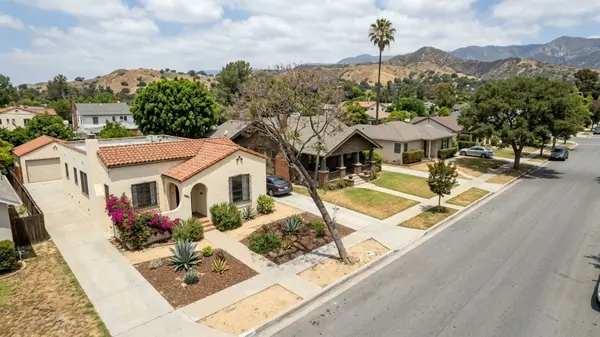
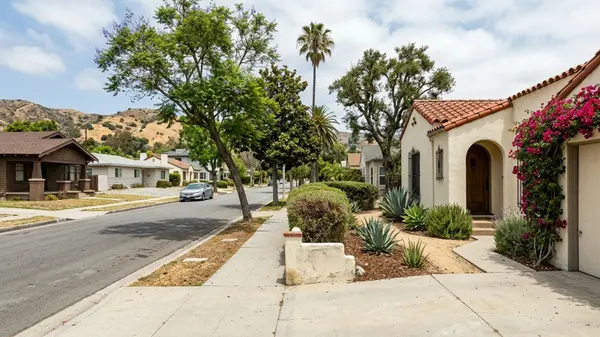
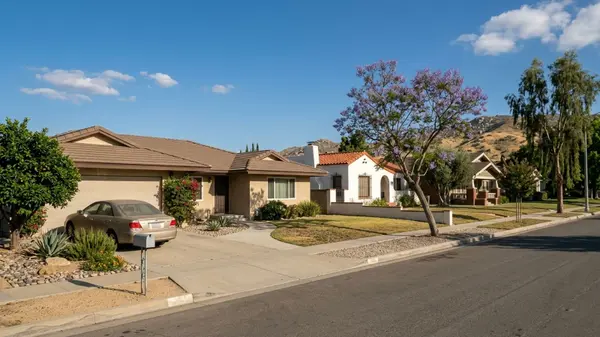
Buyers form an impression before they ever open the front door. Mow the lawn, trim overgrown bushes, and put fresh mulch in the flower beds. Paint the front door a clean, welcoming color, replace faded house numbers or a rusty mailbox, sweep the porch, and add a new welcome mat.
It takes a few hours, but these small details help attract serious buyers and matter more than most sellers expect.
Clearing Out the Clutter
Rent a storage unit. A few months of storage gives you somewhere to put boxes, off-season clothing, and the extra furniture that makes rooms feel smaller than they are. Depersonalizing goes hand-in-hand with that process - buyers need to picture their own lives in the space, which is genuinely difficult when your family portraits and travel souvenirs are everywhere.
Handling Occupied and Vacant Listings
Living in a home while it's on the market is its own kind of challenge. You're keeping a show-ready space while going about your normal life - that tension is real, and it takes some discipline to manage.
Vacant homes remove that daily stress, but they bring their own problem: empty rooms often feel sterile and make it hard for buyers to gauge scale.
Preparing a House You Still Live In
Pare down to the bare minimum. Keep a laundry basket handy to scoop up stray items and stash them in your car before a last-minute showing. Build a morning routine - make the beds, wipe the counters, open all the blinds before you leave. Consistency is what keeps the house ready when you can't predict exactly when someone will walk through.
Using Virtual Staging for Empty Houses
Virtual staging digitally adds furniture and decor to photos of an empty house. It costs a fraction of physical staging and gives your online listing photos something to work with. The limitation is real, though: buyers will still walk into an empty house during their tour. If you use virtual images, displaying printed copies of those photos in the corresponding rooms helps buyers reconnect with what they saw online.
Local Staging Companies Serving the Area
Los Angeles has a wide range of staging professionals - boutique designers, large regional firms, national operations. Your agent will typically have a short list of preferred vendors they've seen deliver quality results on time. Starting there saves you from sorting through the options yourself.
Finding the Right Staging Partner
Notable Los Angeles-area home staging companies include Meridith Baer Home, based in Los Angeles and recognized as the largest home staging company in the country - Angeleno Magazine has named them a top local stager. Other well-known options include Stage to Sell, a Culver City-based firm recognized as a RESA Stager of the Year, along with Barion Design Inc., Stuccco, and DG Home Luxury Staging.
Questions to Ask Before Signing a Contract
Ask to see a portfolio of recent local work - you want to confirm their style suits your home's architecture. Get clear on what the monthly rental fee covers and how long the initial lease term runs.
Confirm the timeline for both installation and removal, and make sure they carry adequate insurance to cover any accidental damage to your walls or floors during the move-in process.
Home Staging FAQs
Does home staging help sell a house faster in Los Angeles?
Yes. Data from the 2025 NAR report shows that 49% of sellers' agents found staging decreased the time a home sat active. A well-presented home attracts stronger offers sooner.
How much does it cost to stage a house in Los Angeles?
It depends on the home's size and whether it's vacant or occupied. A standard Los Angeles staging job averages $2,000 to $6,000. A typical two-to-three-bedroom vacant home runs $7,500 to $9,500 for a four-month lease. Luxury estates can cost $15,000 to over $40,000 to stage.
How should I stage a house I'm still living in vs. a vacant listing?
For an occupied home, focus on deep cleaning, decluttering, and removing personal photos so buyers can picture themselves there. For a vacant listing, rent physical furniture or use virtual staging for the online photos to give the empty rooms scale and purpose.
What is virtual staging, and is it enough for my listing in Los Angeles?
Virtual staging digitally adds furniture to photos of an empty house to improve the online listing. It helps generate initial interest, but since buyers will tour an empty home in person, physical staging is generally more effective for securing a high offer.
What should I NOT do when staging my house for Los Angeles buyers?
Don't leave personal items, family photos, or daily clutter on the counters. Also avoid pushing all the furniture against the walls - it makes rooms feel smaller and disrupts the natural flow of the space.
How long does home staging take before I can officially list my property?
It depends on the scope and the stager's availability. Decluttering and DIY staging can take a few weekends. Professional installation usually requires one to two days once the contract is signed and the furniture arrives.
Taking the Next Step Toward Listing Your Property
Getting a home ready involves a lot of moving parts - minor repairs, decisions about what stays and what goes, coordinating vendors, then finally getting the photos done. A clear plan from the beginning keeps that process from becoming overwhelming.
A walkthrough with a local agent gives you a customized checklist for your specific property. You'll know exactly where to put your energy to get the best return on investment.
What Happens During a Listing Consultation
Your agent will tour the home and point out what to pack and what to keep on display. They'll pull recent neighborhood sales so you can see how your property compares to what's already moved.
You'll get straightforward advice on paint colors, furniture arrangement, and any repairs worth doing before photos. The meeting also helps you build a realistic timeline for hitting the market.
Connecting With Local Professionals
An experienced agent handles the logistics of pulling together the right vendors - stagers, painters, cleaners who know how to prepare a house for sale and show up when they say they will.
A consultation is the simplest place to start. You get a real picture of what your home needs, and you can make decisions from there.
Categories
Recent Posts