Hancock Park Los Angeles, CA Area Guide: 2026 Real Estate and Neighborhood Insights
Navigating the Los Angeles real estate market requires an understanding of its distinct, historic neighborhoods. Hancock Park stands out as a centrally located residential neighborhood offering deep historical roots and expansive properties.
Buyers looking at homes in Hancock Park will find a carefully preserved architectural footprint right in the middle of a bustling metropolis. This Hancock Park Los Angeles, CA area guide provides a comprehensive look at what makes this specific enclave unique in 2026. It covers everything from local market data to daily commute patterns.
From its strict preservation rules to its proximity to major commercial hubs, understanding this market requires looking beyond the property lines. Knowing the local guidelines and transportation routes is essential for anyone considering a purchase here.
Welcome to Hancock Park: A Historic Los Angeles Enclave
Hancock Park's origins date back to the 1920s when it was developed by George Allan Hancock. Built on historic oil wealth, the original development leased roughly 105 acres to create a carefully planned residential district.
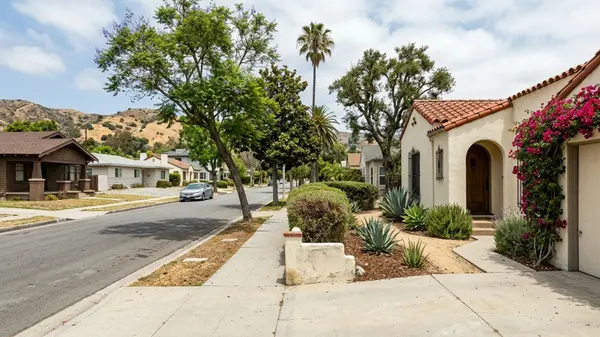
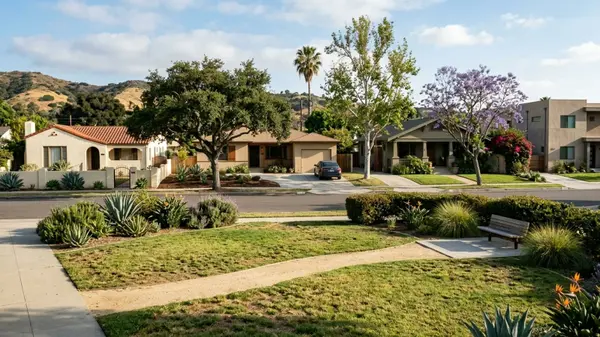
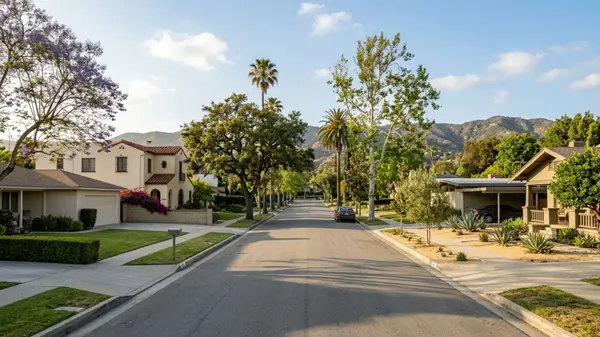
The founder's vision centered on wide, tree-lined residential streets and exceptionally deep property setbacks. This specific urban planning approach created a sense of scale and privacy that remains highly unusual for central Los Angeles.
Geographically, the neighborhood is nestled between Hollywood to the north and the Miracle Mile to the south. This central positioning gives residents immediate access to the broader city while maintaining a distinct, insulated residential environment.
Hancock Park Real Estate Market Trends
The 2026 real estate landscape in Hancock Park reflects a high-demand market characterized by significant property values. Median sale prices currently range from approximately $1,500,000 to $1,925,000, though these figures fluctuate based on the mix of sprawling estates and available condos.
Buyers must also factor in the Los Angeles County base property tax rate, which sits at approximately 1.21 percent. The Los Angeles Measure ULA transfer tax also applies to high-value real estate transfers, significantly impacting the closing costs for premium estates in this zip code.
The market here rewards buyers who are fully prepared for both the purchase price and the ongoing carrying costs associated with historic luxury properties.
Architectural Styles and Historic Preservation
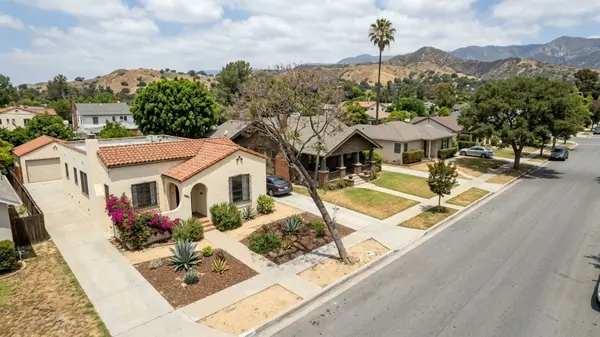
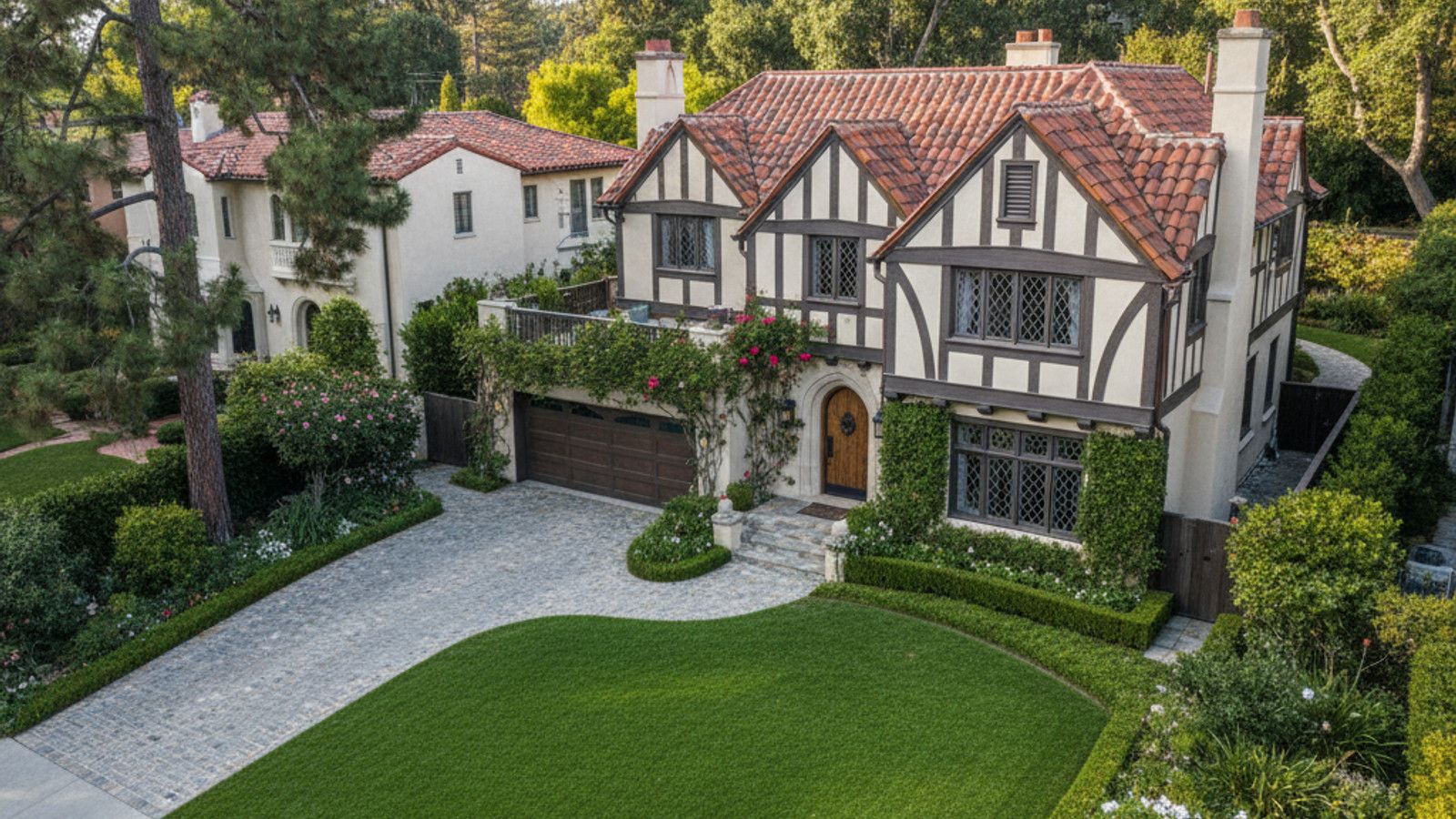
The dominant architectural styles defining the area include Tudor, Mediterranean, and traditional single-family homes built during the initial 1920s development boom. These properties feature intricate detailing and craftsmanship that are rarely replicated in modern construction.
Local regulations via the Hancock Park Historic Preservation Overlay Zone strictly govern exterior renovations to maintain this visual consistency. Buyers looking to remodel must navigate these HPOZ guidelines, which heavily restrict alterations to street-facing facades and landscaping.
Commute Times and Central LA Transportation
Hancock Park is centrally located between Downtown LA and the Westside, making it a highly strategic location for regional commuting. The neighborhood is bordered and intersected by major thoroughfares like Wilshire Boulevard, Melrose Avenue, and La Brea Avenue.
Drive times to major employment hubs are relatively efficient for Los Angeles standards. Commuting to Downtown Los Angeles or Hollywood typically takes 15 to 25 minutes. Reaching Beverly Hills, California generally requires a 20-minute drive under normal traffic conditions.
Public transit options are also expanding, particularly with the continued development of transit lines along the Wilshire corridor. These infrastructure improvements offer residents alternative transportation routes that bypass traditional street-level gridlock.
Parks, Greenspaces, and Recreational Amenities
Recreational facilities in the area provide a mix of historic private clubs and accessible public spaces. The Wilshire Country Club sits directly within the neighborhood boundaries, offering an expansive 18-hole golf course and exclusive clubhouse amenities.
Just adjacent to the golf course, the historic Los Angeles Tennis Club has been a fixture of the community for over a century. These private institutions play a significant role in the local recreational landscape and offer extensive athletic facilities.
For public greenspaces, residents frequently utilize the nearby Pan Pacific Park, which features sports fields, walking paths, and picnic areas. The neighborhood is also situated close to major cultural and educational sites like the La Brea Tar Pits in the Mid-Wilshire district.
Los Angeles Unified School District Options
Educational options are a major consideration for buyers evaluating homes in Hancock Park. The neighborhood is served by the Los Angeles Unified School District. This district operates several highly utilized campuses in the immediate vicinity.
Access to specific public educational institutions depends on precise residential addresses within the neighborhood boundaries. Buyers should always verify current enrollment boundaries directly with the district before finalizing a property purchase.
-
Third Street Elementary serves grades K-5 and is frequently cited by buyers looking in the southern portion of the neighborhood.
-
Hancock Park Elementary also provides K-5 education and serves the northern residential blocks.
-
Local public middle and high schools, alongside nearby independent institutions like Marlborough School, complete the educational landscape.
The concentration of both public and private institutions provides residents with varied educational pathways. Navigating these options is a standard part of the property selection process in this zip code.
Dining, Shopping, and Commercial Corridors
Despite its quiet residential streets, Hancock Park provides immediate access to some of the most concentrated retail and dining districts in Los Angeles. The primary commercial hub is Larchmont Boulevard, widely known as Larchmont Village.
Larchmont Village features a highly concentrated stretch of independent boutiques, coffeehouses, and daily conveniences that serve the surrounding homes. This walkable corridor allows residents to access premium amenities without breaking the insulated residential feel of the neighborhood.
Just to the north, Melrose Avenue offers a different commercial landscape characterized by high-end retail and fine dining establishments. Together, these corridors provide a comprehensive mix of shopping and culinary options that strongly support local property values.
Frequently Asked Questions About Hancock Park
Is Hancock Park a wealthy area?
Yes, economic data consistently places this neighborhood among the higher-income brackets in Los Angeles. The median property values exceeding $1,500,000 and the presence of historic luxury estates reflect a significant concentration of wealth.
What are the demographics of Hancock Park Los Angeles?
According to United States Census Bureau data, the area features a dense population with a high average individual income. The neighborhood supports a strong local economy defined by high property ownership rates and proximity to major employment centers.
Are there HOA fees in Hancock Park?
Traditional homeowners association fees are rare here, as most properties are independent single-family homes. However, owners must comply with strict Historic Preservation Overlay Zone regulations, which dictate exterior maintenance and renovation standards in place of an HOA.
Categories
Recent Posts