Weighing the Pros and Cons of Relocating to Los Angeles, CA in 2026
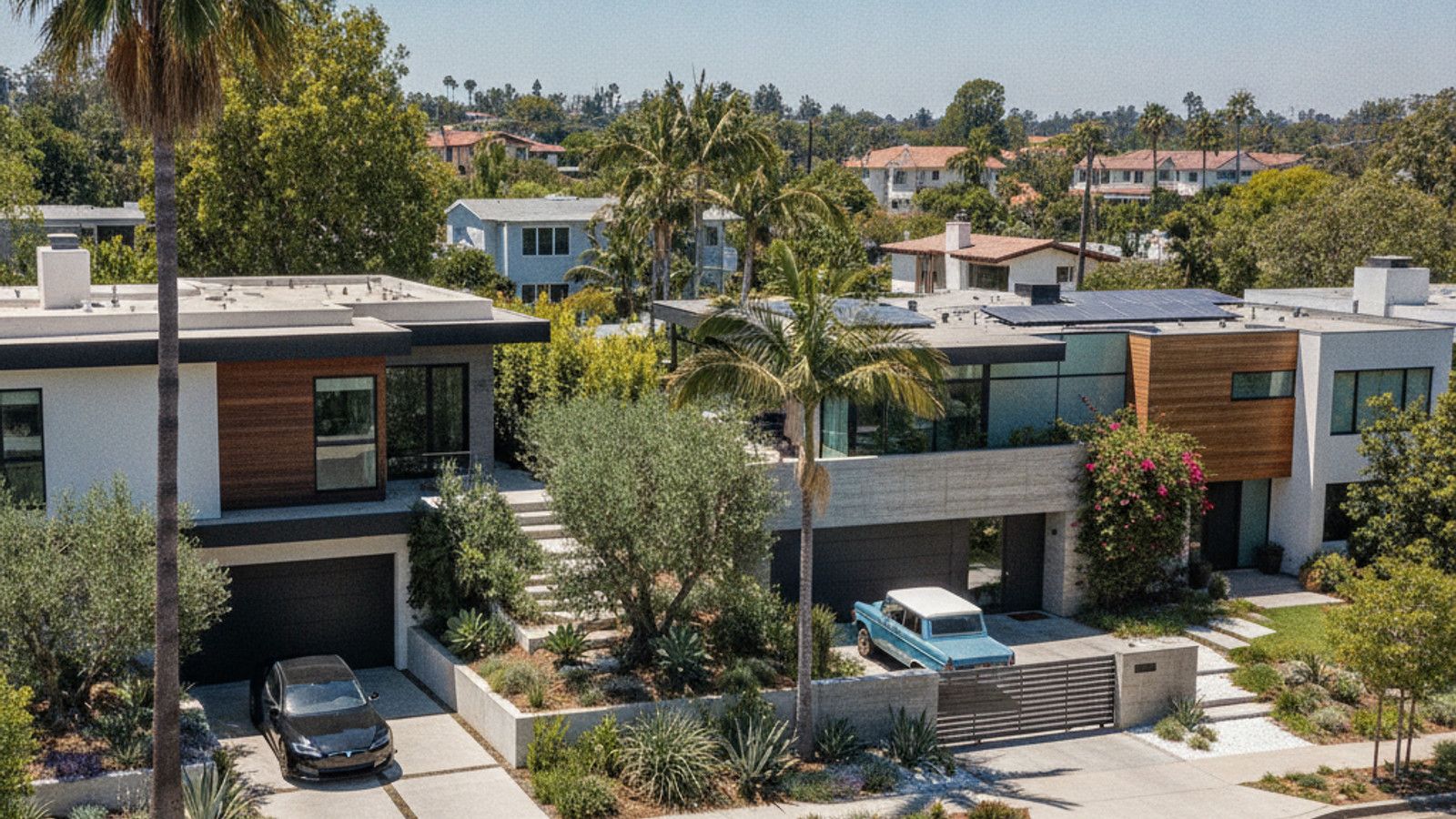
For anyone buying a home in Los Angeles, CA, the median sale price sits around $1,054,500 as of mid-2026. If you're weighing Southern California against somewhere more affordable, that number is usually where the conversation starts - and it should be.
This guide runs through local housing data, commute realities, utility details, and crime statistics so you can evaluate the city on your own terms, not on someone else's highlights reel.
The Quick Verdict on Los Angeles
Los Angeles covers over 469 square miles, and every corner of it feels like a different city. Relocating here means accepting high housing costs in exchange for access to major employment hubs and a lot of recreational options. That's the trade. Whether it's worth it depends entirely on your situation.
Homes are spending roughly 50 days on the market right now. That's not a fire sale environment, but it's not a sleepy market either.
Pros of Living in the City
The job market is enormous - entertainment, technology, international trade - and the mild Mediterranean climate means you're actually using that outdoor lifestyle people talk about, not just paying for proximity to it.
Access to major healthcare facilities and specialized housing options also matters if you're thinking long-term. The parks network is extensive and genuinely useful.
Cons of Living in the City
Housing affordability is the obvious one. Median prices well over $1 million price out a lot of buyers before they even get to the comparables. The size of the city also means commutes aren't just inconvenient - they're structural, built into the geography.
You'll also need a real plan for natural hazards. Earthquakes are a fact of life here, and seasonal wildfires aren't an edge-case scenario. Both tend to show up in your insurance premiums.
Factors to Weigh Before Moving
Your workplace location should drive your housing search more than almost anything else. Living close to where you work saves time and reduces what you're spending on transportation every month.
Beyond that, run the full numbers before you fall in love with a listing - property taxes, utilities, and any HOA fees add up quickly and affect what you can actually afford.
Where Los Angeles Is and Its County Footprint
Los Angeles sits on the southern coast of California and serves as the seat of Los Angeles County. The city itself covers 469.49 square miles of land and about 32 square miles of water - it's genuinely large in a way that surprises people who haven't spent time here.
The city anchors the broader Greater Los Angeles area, connecting millions of residents across multiple counties through a massive freeway network.
The County Limits
Los Angeles County stretches well beyond the city proper, running from the coastline out to the San Gabriel Mountains. The county manages public health, regional planning, and specific utility services across that entire span.
This matters practically: some addresses carry a Los Angeles zip code but sit on unincorporated county land, which means different local regulations and potentially different tax structures. Worth checking before you make an offer.
Access to Greater Los Angeles
The city is the hub for a region that takes in neighboring Orange, Ventura, Riverside, and San Bernardino counties. I-5, I-10, and I-405 are the main arteries moving people across this economic zone, and the Metro rail system is expanding to give commuters alternatives to driving on specific routes.
Crossing county lines for work is ordinary life here, so regional transit is something you'll want to understand before you choose where to live.
Population and Size Breakdown
The 2020 Census put the city's population at 3,898,747. More recent estimates show the city added over 31,000 residents in 2024, making it the third largest-gaining city in the nation that year. That kind of growth affects everything - school enrollment, grocery lines, housing supply.
Los Angeles Crime Statistics and Data
The honest starting point here is official data, not neighborhood forums. The LAPD and the LA County Sheriff's Department publish regular statistics aligned with FBI reporting standards, and those are what you should be using.
Using the FBI's summary definition, the LAPD reported a property crime rate of 2,252.06 per 100,000 residents in 2025. The national rate for the same period was 1,549.89, and the California state rate was 1,819.86. Los Angeles runs higher than both benchmarks - that's the accurate read.
How the Crime Rate Is Measured
Law enforcement tracks incidents using Uniform Crime Reporting (UCR) Program guidelines. The LAPD's 2025 Annual Crime Data Report recorded a 19 percent decrease in homicides compared to 2024, reaching the lowest number since 1966. Of the 230 homicides logged in LAPD-patrolled areas that year, 156 were considered solved.
Standardized metrics like these are what allow you to make a fair comparison to state and national figures.
Where to Find Official Reports
The LA County Sheriff's Department publishes complete monthly crime statistics on its transparency portal. The LAPD maintains a public database of reported incidents across all its divisions. Start there - not with whatever's trending on social media.
Researching Specific Areas
The LAPD crime map and FBI NIBRS data let you filter by crime type, date range, and specific blocks. If you're seriously considering a neighborhood, spend twenty minutes with those tools before you schedule a showing. You'll see what you're actually looking at, and you can weigh it against your own threshold.
Cost of Living and Housing Prices
Housing is the dominant expense here, and the math is straightforward: the median sale price for a home in Los Angeles is approximately $1,054,500 as of mid-2026. Homes are averaging 50 days on the market, there are roughly 7,770 active listings, and about 35 percent of recent sales closed above asking price. Demand hasn't gone quiet.
Housing and Rent Expenses
The 2024 Census placed the median property value in the city at $921,200, with a homeownership rate of 36 percent. Most people here rent, and renters face their own pressure - apartment demand consistently outpaces supply.
Property taxes and insurance need to be in your monthly calculation from day one. At these home values, even a standard tax rate produces a substantial annual bill.
Everyday Living Costs
Gasoline, groceries, and local services all run above the national average. California's state income tax and local sales taxes take a real bite out of take-home pay. Utility costs move with the seasons - summer air conditioning can push electricity bills noticeably higher, so budget accordingly.
Income Expectations
According to the U.S. Census Bureau's 2024 estimates, the median household income in Los Angeles is $82,263. A broader five-year estimate puts it at $81,939, which sits about 5 percent above the national median.
Earning the median income and trying to purchase a million-dollar home without significant existing equity is a difficult position. A lot of households here rely on dual incomes or extended family arrangements to make the numbers work.
Population Trends and Community Profile
The 2020 Census counted nearly 3.9 million people within the city limits, spread across hundreds of distinct commercial and residential zones. Los Angeles functions more like a collection of smaller hubs than a single centralized city, and most residents build their daily routines around their immediate neighborhood to keep travel manageable.
Growth and Age Demographics
The city added over 31,000 residents in 2024. That keeps housing demand elevated and supports a wide base of local businesses. The population covers a broad age range - university students through long-term retirees - which drives demand for everything from entry-level apartments to specialized senior housing.
Median Household Income
The $82,263 median household income gives you a baseline, but the range around that number is wide. Entertainment and tech roles often pay well above it; service and retail workers frequently commute in from outside the city center because that's how they manage housing costs. That economic structure shapes traffic patterns and transit ridership in ways you'll feel daily.
Civic Life and Local Features
Public libraries, community centers, and municipal services are distributed across the city. Major cultural institutions, public art, and large-scale civic events are part of the fabric here year-round.
Local neighborhood councils give residents a formal voice in zoning and development decisions - worth knowing about if you're planning to put down roots and care about what gets built near you.
Climate, Natural Hazards, and Utilities
Mild winters and warm, dry summers are real and they're genuinely pleasant. Year-round outdoor activity is practical here, not aspirational. But the same geography that produces that climate also creates specific hazards you need to take seriously.
Weather and Hazard Exposure
Los Angeles sits in an active seismic zone. Earthquakes aren't a theoretical risk - they're a regular feature of life, and homeowners routinely invest in foundation bolting and specialized insurance coverage. Seasonal wildfires are a separate but equally real concern, particularly for properties near hillsides and canyons. When those fires move, smoke can affect air quality across the entire Los Angeles basin for days.
Local Recreation Options
The outdoor recreation culture here is extensive - coastal surfing, mountain hiking, miles of public beaches, and foothill trail networks the city manages and maintains. Residents use these spaces year-round, and access to them genuinely influences where buyers choose to purchase. It's one of the cleaner tradeoffs the city offers.
Tap Water Quality
The municipal utility draws the city's water supply from local groundwater and imported state sources, testing regularly to meet state and federal safety standards. Many residents add home filtration systems based on personal taste preferences, and the region's mineral content leads some homeowners to use water softeners to protect their plumbing.
Los Angeles vs. Nearby Alternatives
Buyers who can't make the city's price point work often look at the broader Greater Los Angeles area. The comparison isn't simple - surrounding counties offer different property tax structures and municipal services, and the right answer depends on your daily routine.
Tradeoffs with Greater Los Angeles
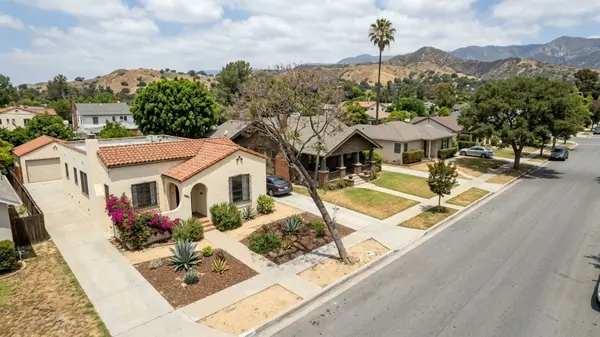
Moving further from the city center generally gets you more square footage and larger lots for your money. The cost is heavier dependence on your car and more time on regional freeways. Suburban areas also tend to have newer housing stock, while the city proper has a higher concentration of historic homes - which can mean charm, but also maintenance costs that don't show up in the listing price.
Commute and Housing Comparisons
A 15-mile commute across Greater Los Angeles can run over an hour during peak traffic. Living closer to work saves that time but usually means accepting a smaller home or a higher payment. Suburban areas offer more single-family home inventory; the city leans on condos and townhouses for entry-level buyers.
Map the actual drive before you commit to anything suburban. Do it during rush hour. The number will tell you what the listing won't.
Specialized Housing: Senior, Assisted, and Sober Living
The size of Los Angeles's population supports a wide range of specialized housing facilities - senior living, assisted care, and recovery-oriented residences. Zoning laws determine where larger group facilities can operate, concentrating them in specific residential and commercial transition zones.
Senior and Assisted Living Facilities
The city has numerous senior communities ranging from independent 55+ complexes to full-service assisted living centers with varying levels of medical support, meals, and programming. Costs depend on the care level required and the facility's location. Tour multiple properties and check state licensing records - don't skip that step.
Sober Living Environments
Los Angeles has a substantial network of sober living homes supporting individuals in recovery. These residences operate with mandatory house rules and peer support structures, providing a transitional step between inpatient treatment and independent living. Many operate within standard residential neighborhoods.
Area Amenities by Life Stage
The city's scale means you can find specialized services and entertainment options across almost every district. What matters practically is identifying which part of the city lines up with where you are right now - and access to specific amenities does drive local housing demand and property values.
Schools and Parks
The local public school district operates hundreds of individual campuses across the city. Check the district's boundary map carefully - attendance zones can shift, and those changes affect home values. The parks department runs public pools, sports fields, and recreation centers throughout the city, which provides real relief from the density of urban living.
Dining and Entertainment
The dining options here are genuinely varied - neighborhood food trucks through international fine dining, with different districts carrying distinct culinary identities that reflect the population. Major concert venues, professional sports arenas, and independent theaters make up the entertainment infrastructure, with cultural events rotating through consistently.
Healthcare Services
Los Angeles has major research hospitals and specialized medical centers, along with outpatient clinics and urgent care facilities spread across commercial corridors. For residents thinking long-term - particularly those with families or aging parents - the density of that medical infrastructure is a meaningful asset.
Frequently Asked Questions
What salary do you need to afford buying a home in Los Angeles, CA?
It depends on your down payment and current interest rates. With the median home sale price sitting around $1,054,500, buyers typically need an income well above the city's $82,263 median to qualify for a standard mortgage.
What are the biggest downsides to relocating to Los Angeles?
The primary downsides are the high cost of living and the severe traffic congestion. Residents also have to manage the realities of natural hazards, including earthquakes and seasonal wildfires, which can increase insurance costs.
How does Los Angeles traffic impact where you should choose to buy a house?
Traffic directly dictates your daily commute time. Buyers should map the drive from potential neighborhoods to their workplace during rush hour, as a 15-mile commute across Greater Los Angeles can take over an hour.
Is it better to live in Los Angeles proper or look at surrounding suburbs for more affordable housing?
It depends on your priorities. Surrounding areas in Greater Los Angeles often offer more square footage and single-family homes for the price, but moving further out increases your commute time to city-center jobs.
Is buying real estate in Los Angeles a good long-term investment despite the high upfront costs?
Yes, historical data shows strong demand in the area. The region added over 31,000 residents in 2024, and homes currently sell in about 50 days, indicating a consistently active market.
Do the risks of wildfires and earthquakes make living in Los Angeles too expensive to insure?
It depends on the specific property location. Homes in hillside or canyon areas face higher wildfire risks and subsequently higher premiums, while older homes may require expensive seismic retrofitting to secure coverage.
Categories
Recent Posts