Moving to Los Angeles, CA: A Local's Guide to Embracing the City of Angels

Welcome to the idea of living in the City of Angels. For decades, people from across the United States and around the globe have looked to California as a beacon of sunshine and opportunity. Los Angeles sits right at the heart of that dream, anchored by its deep historical ties to Hollywood and the global entertainment industry. It is a city that captures the imagination, offering a unique blend of urban energy, sprawling landscapes, and stunning natural beauty.
Beyond the silver screen, the pull of Southern California is incredibly strong for professionals, creatives, and anyone seeking a fresh start. You get unmatched access to outdoor recreation, an incredibly diverse food scene, and a vibrant LA lifestyle that effortlessly blends relaxing beach days with dynamic city nights. The culture here is a massive draw, shaped by decades of art, music, and continuous innovation. Relocating to California is a major life event, and the sheer scale of Greater Los Angeles can feel overwhelming at first glance.
However, relocating here requires more than just packing a truck and chasing a dream down the coast. Moving to a massive metropolis takes serious logistical planning and a clear understanding of the local landscape. In this guide, we are going to walk through the realities of making the move to LA. We will cover everything from the true cost of living and navigating the sprawling transit system to understanding local weather facts and current housing trends.
Is Moving to LA Worth It? Evaluating the Cost of Living
Let's start with the numbers, because understanding your budget is the biggest hurdle when deciding if relocating here makes sense. The cost of living in Los Angeles County is roughly 50% higher than the national average, which means your everyday expenses will look quite different than they might in other parts of the country. When you factor in a regular trip to the grocery store, nights out at a great local restaurant, and the daily costs of transport, the expenses add up quickly.
Housing is naturally the largest piece of the financial puzzle. If you are looking at homes for sale in Los Angeles, you should expect the median home sale price within the city limits to hover right around $1,149,000. Expanding your search to the broader Greater Los Angeles area offers a bit of financial relief, with county-wide medians sitting closer to the $895,000 to $949,000 range. These numbers reflect a highly competitive real estate market where buyer demand consistently outpaces available inventory.
Renting an apartment is the starting point for most new residents trying to find their footing. You can anticipate the average rent in Los Angeles to sit between $2,600 and $2,800 per month, though this fluctuates wildly depending on the specific neighborhood you choose. To live comfortably in the LA metro area, a single adult generally needs an annual salary between $100,000 and $130,000. Earning in this range allows you to cover premium rent, handle higher utility and gas prices, and still have enough left over to actually enjoy the city.
Los Angeles Weather Facts and Environmental Realities
After getting a handle on finances, it is smart to look at the physical environment you will be living in. The temperature and weather here are legendary for a reason, drawing millions who want to escape harsh winters. You will experience virtually no snow in the city, enjoying endless sunshine that makes year-round outdoor activities a reality. The Mediterranean climate means mild, wet winters and warm, dry summers, though microclimates dictate that the coastal areas stay much cooler than the inland valleys.
However, that dry, sunny climate brings the serious reality of Los Angeles, California wildfire risk. During the late summer and autumn dry seasons, fires in the surrounding hills and canyons are a genuine concern that impacts daily life, air quality, and homeownership. This environmental reality has led to a highly publicized and ongoing fire insurance crisis across the state.
Major private insurers like State Farm and Allstate have recently paused writing new homeowner policies in California to limit their exposure to these risks. As a result, many buyers must rely on the California FAIR Plan, which serves as the state's insurer of last resort for properties located in high-risk brush zones. If you are buying a home, be prepared to navigate recent 2026 emergency rate hikes of 17% or more. Fortunately, the state has implemented one-year moratoriums on policy cancellations in specific fire-affected ZIP codes to offer temporary relief. Finally, earthquake preparedness is simply a standard part of living in California, so keeping an emergency kit and anchoring heavy furniture in your home is always recommended.
Reasons to Move to Los Angeles: Pros and Cons
Every major city has its trade-offs, and LA is certainly no exception. Weighing the pros and cons is a great way to figure out if the local culture and daily logistics align with your personal and professional goals. While it moves at a much faster pace than a city like San Diego, the creative energy here is undeniable.
Here is a quick look at the major advantages and drawbacks of moving to LA:
-
Pro: Incredible outdoor access. Whether you enjoy hiking the dusty trails in Griffith Park and Runyon Canyon Park, or surfing the Pacific waves in Malibu and Venice, the outdoor recreation is spectacular. It is entirely possible to hike a canyon in the morning and sit by the ocean in the afternoon.
-
Pro: A dynamic, diverse job market. Beyond the traditional entertainment industry, LA is a massive hub for finance, art, and entrepreneurship. The region is packed with a growing startup company scene focused on tech and innovation, heavily influenced by nearby institutions like the California Institute of Technology.
-
Con: The notorious traffic. Navigation can be deeply frustrating, and heavy reliance on a personal car is still a reality for most residents commuting across the sprawling city limits. A five-mile trip during rush hour can easily take forty-five minutes.
-
Con: Competitive housing. High rent prices and navigating a lease with a landlord in a fiercely competitive market can be stressful. Open houses for rentals are often crowded, requiring quick decisions and solid credit scores to secure a spot.
-
Pro/Con: Evolving transit. The gradual expansion of the LA Metro makes getting around slightly easier, but public transport is still a work in progress compared to other major global cities. The system is improving, but it requires living near specific rail nodes to be truly convenient.
Choosing the Right Neighborhoods in LA
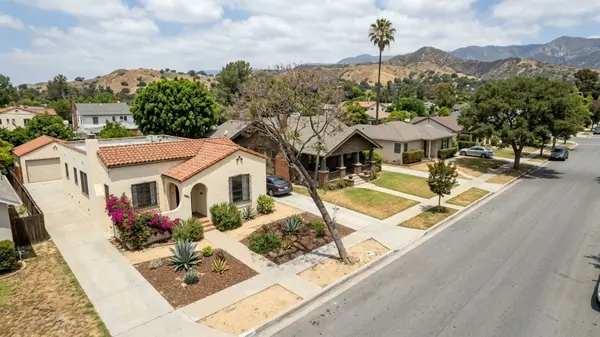
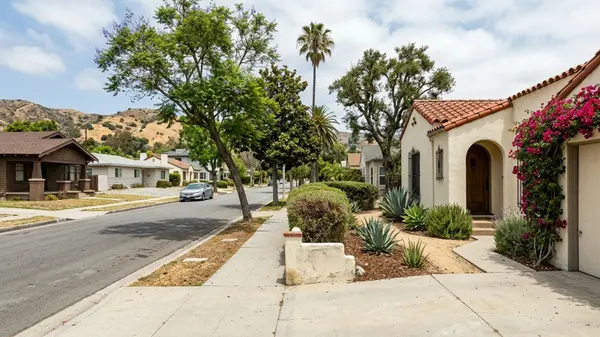
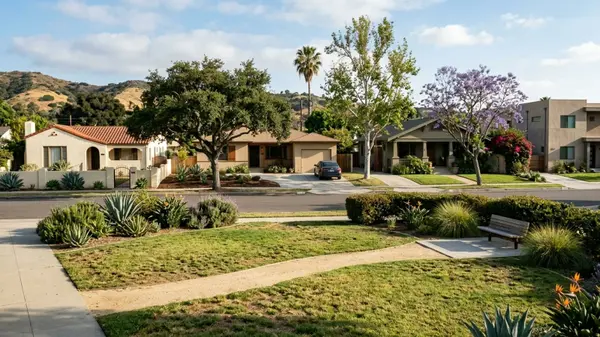
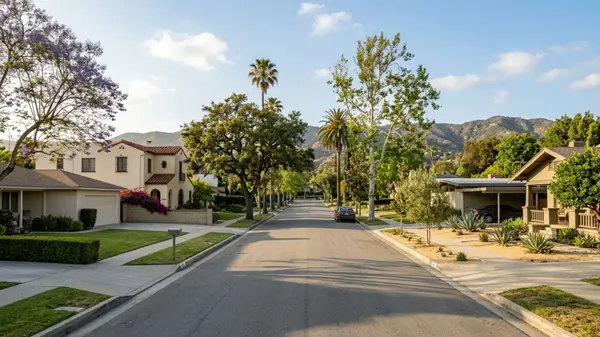
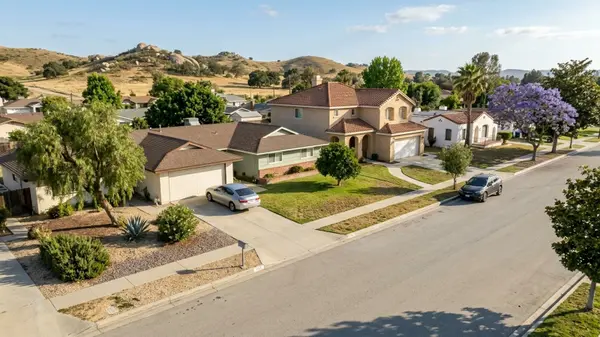
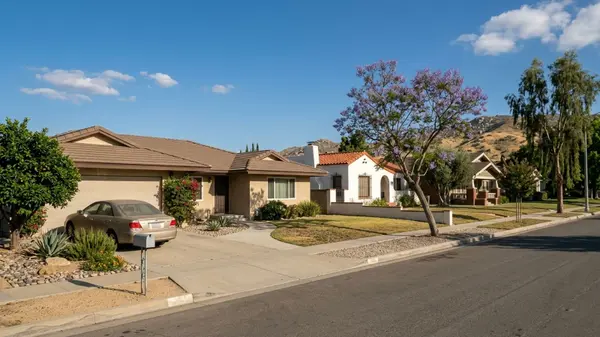
Finding your spot in this massive region is all about matching your daily routine to the right environment. Los Angeles County is essentially a massive collection of distinct towns and enclaves, each with its own unique architecture, culture, and local vibe. Because the city is so spread out, where you choose to live will heavily dictate your daily experience.
If you value walkability and a fast-paced urban feel, look into vibrant areas like Downtown Los Angeles, Chinatown, or Little Tokyo. These neighborhoods offer loft living, incredible dining, and immediate access to transit hubs. For those who want to be close to the ocean with a lively nightlife, world-class museum exhibits, and a vibrant food truck scene, Santa Monica is a premier choice. On the other hand, if you prefer quieter, residential regions with a slightly slower pace, exploring homes in Burbank or Long Beach might be a much better fit.
When evaluating a neighborhood, it is important to look at objective factors rather than just the aesthetic appeal. Review local crime statistics, map out the proximity to public transport lines, and check the distance to educational institutions. For instance, living near the University of California, Los Angeles or the University of Southern California brings a very different energy and access to nearby amenities than living in a secluded hillside canyon. Above all, try to minimize your commute times by living as close to your workplace as possible, or consider areas that fully support a remote work lifestyle so you can avoid the freeways altogether.
Actionable Tips for Your Relocation to LA
Before you start packing boxes, a little strategic planning will make your transition to the West Coast much smoother. The logistics of moving to a dense urban environment require attention to detail.
-
Calculate a realistic moving budget that includes the cost to hire a moving truck, cross-country travel expenses, and the hefty initial apartment deposits required here. Landlords often require the first month of rent plus a security deposit equal to another full month.
-
Research insurance early if you are purchasing property. Look into fire insurance options well in advance of closing on a home. Securing a policy takes much longer than it used to, and you do not want your escrow delayed by unexpected insurance hurdles.
-
Understand the sprawling nature of Greater Los Angeles by starting with a short-term lease. Renting a temporary space first allows you to test out a commute and experience a neighborhood's true vibe before committing to a long-term lease or a mortgage.
-
Plan your parking strategy. If you are bringing a car, verify that your new apartment includes a dedicated parking spot, as street parking in dense neighborhoods can be incredibly difficult to navigate daily.
Frequently Asked Questions About Moving to LA
Can I live in Los Angeles on $3,000 a month?
It is extremely difficult to live comfortably in Los Angeles on $3,000 a month, as the average rent for a standard apartment alone typically runs between $2,600 and $2,800. To make this tight budget work, you would need to rent a room in a shared house, rely heavily on public transport to avoid car expenses, and strictly limit dining out.
Does Los Angeles, California get snow?
The city of Los Angeles does not get snow, thanks to its mild, year-round Mediterranean temperature. However, you can easily drive a couple of hours to nearby mountain towns like Big Bear during the winter months if you want to ski or experience real snowfall.
Did Los Angeles cancel fire insurance?
The city and state did not cancel insurance, but major private companies like State Farm and Allstate have paused writing new homeowner policies due to severe wildfire risks. Buyers now frequently turn to the California FAIR Plan as an insurer of last resort, while navigating recent emergency rate hikes of 17% or more.
Is it possible to live in Los Angeles without a car?
Yes, living without a car is possible if you choose highly walkable neighborhoods like Downtown LA, Santa Monica, or Little Tokyo. By utilizing the expanding LA Metro rail lines, local buses, and the occasional ride-share, you can navigate specific, dense parts of the city quite effectively.
Categories
Recent Posts