Navigating the Market: A 2026 La Sierra Riverside CA Area Guide
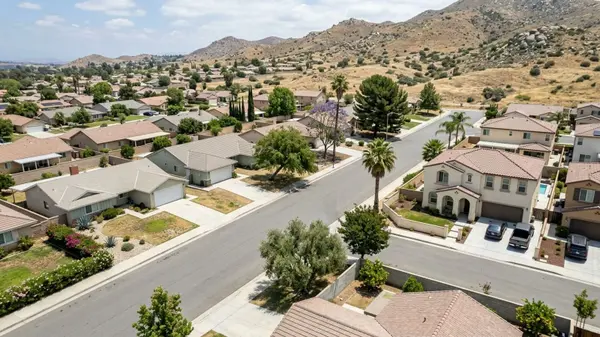
Riverside offers a vast landscape of residential options, but the southwestern portion holds a distinct appeal for buyers and renters alike. Anchored by major retail hubs and a prominent university campus, this section of the city delivers a highly functional suburban environment. The area provides a balanced mix of commercial convenience and residential stability.
Those exploring relocation options often look here to balance relatively accessible housing costs with direct transit routes to neighboring counties. Understanding the local housing inventory, commuting patterns, and community infrastructure is essential for making an informed real estate decision in 2026. Buyers who take the time to evaluate these specific local factors are better positioned to secure a property that meets their daily needs.
Geographical Overview and Commute Logistics
Location dictates the rhythm of daily life in this part of Riverside. Positioned in the southwestern quadrant of the city, the neighborhood sits directly against the Corona border. This placement makes it a strategic choice for commuters who need to travel westward for employment.
Regional accessibility is a primary reason buyers target this specific zip code over neighborhoods further inland. However, living near major transit corridors means residents must adapt to the realities of Southern California traffic patterns.
Proximity to the Santa Ana River and City Boundaries
The northern edge of the neighborhood is defined by its proximity to the Santa Ana River. This natural boundary provides a geographic buffer that separates the area from neighboring communities to the north. Buyers often appreciate this distinct separation from the denser urban core of Riverside.
To the south and west, the community seamlessly borders the city of Corona. This shared boundary means residents frequently cross city lines for shopping and employment without noticing a transition. Understanding these borders helps buyers contextualize where they are positioned within the broader Inland Empire map.
Navigating California State Route 91
The community's immediate proximity to California State Route 91 serves as both its biggest logistical advantage and its primary challenge. Highway 91 operates as the main artery connecting the Inland Empire to coastal employment hubs. Buyers should be aware that this critical infrastructure experiences heavy traffic volumes during standard morning and evening travel hours.
Driving to Orange County during the morning rush typically requires 60 to 90 minutes, and sometimes longer depending on daily road conditions. This prolonged drive time is a major factor buyers must weigh against the area's housing prices. Commuters who negotiate flexible working hours often find the drive much more manageable outside of peak congestion windows.
Metrolink and Public Transit Alternatives
Alternative transit options exist for those who prefer to bypass freeway congestion entirely. The La Sierra Metrolink Station provides direct commuter rail service into both Orange County and Los Angeles. Utilizing the train can significantly reduce the stress of daily travel while offering a highly predictable schedule.
The station features dedicated parking facilities, making it easy for local residents to incorporate rail travel into their daily routines. For buyers who work near a Metrolink stop in a neighboring county, this transit hub often becomes a deciding factor in their neighborhood selection.
La Sierra Real Estate Market Trends
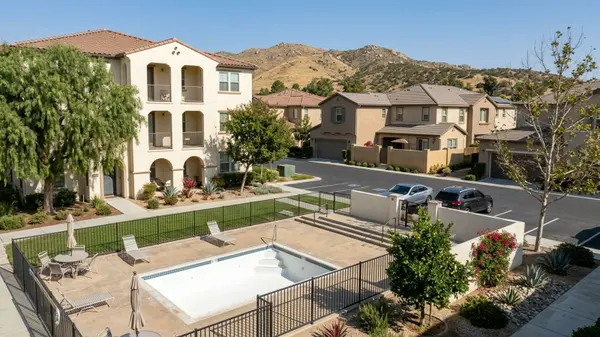
The housing landscape here provides opportunities for a wide range of budgets and preferences. The market consists of a balanced mix of single-family homes, townhomes, and apartment complexes. This diversity ensures that inventory turns over steadily throughout the year.
Pricing remains a primary draw for buyers comparing Riverside to coastal CA markets. While prices rose steadily through last year, current inventory levels have created a more stable negotiating environment for purchasers.
Single-Family Homes and Lot Characteristics
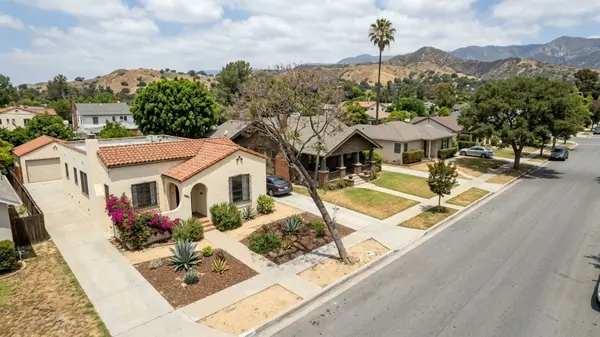
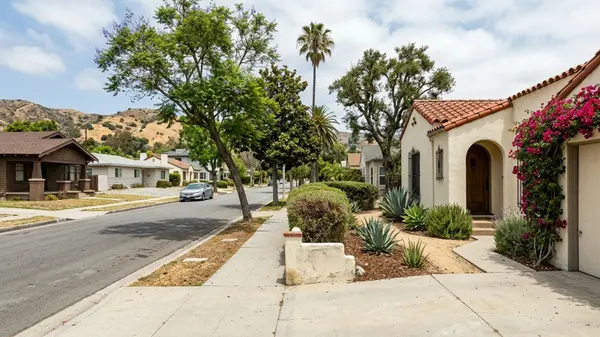
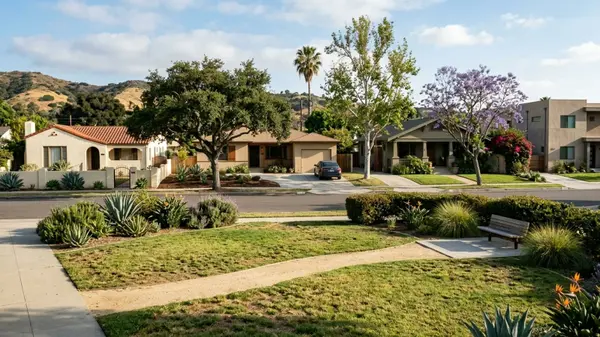
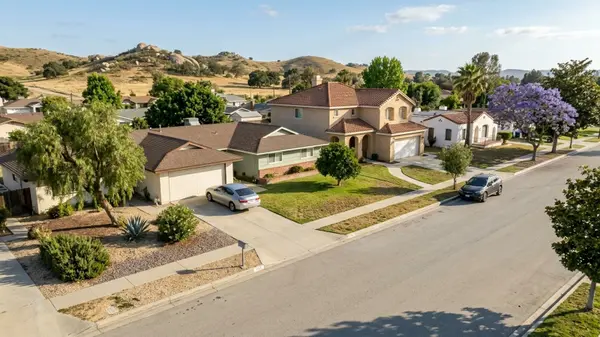
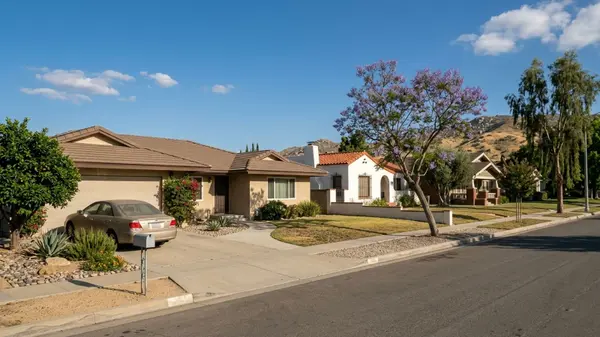
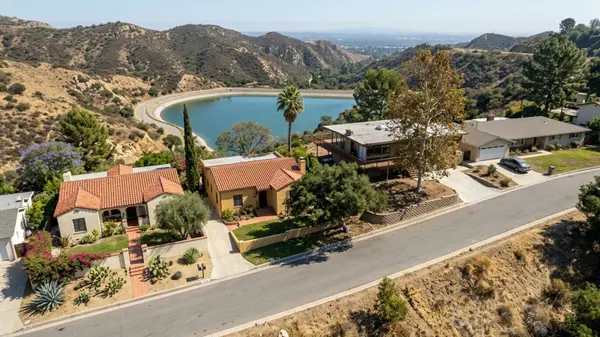
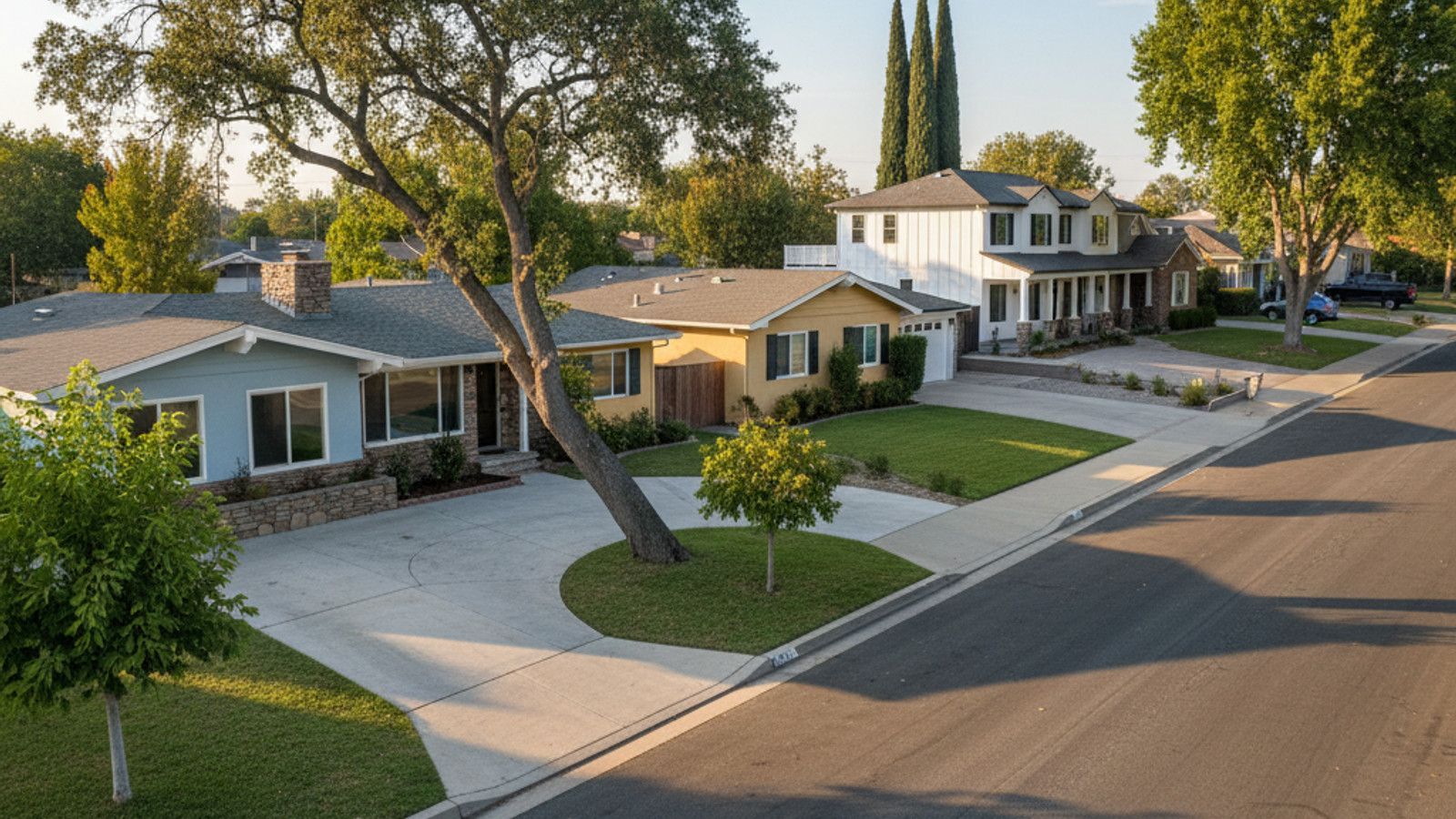
Single-family homes represent the largest segment of the local real estate market. Properties built during the mid-twentieth century typically feature single-story layouts and expansive backyard spaces. These older homes are highly sought after by buyers looking for privacy and room for custom landscaping.
Conversely, newer developments from the late 1990s and early 2000s focus on maximizing interior living space. These two-story builds often sit on more compact lots but offer modern conveniences like open-concept kitchens and attached multi-car garages. Buyers must decide whether lot size or modern floor plans align better with their priorities.
Current Pricing and Real Estate Values
As of early 2026, the median home price in the area sits at approximately $650,000. Properties priced below this median tend to move quickly, requiring buyers to have their financing fully secured before touring. Homes positioned at higher price points often feature extensive renovations or sit on premium lots with enhanced privacy.
Townhomes and condominiums provide a lower barrier to entry for first-time buyers looking to avoid the maintenance of a single-family property. These attached properties often include community amenities like pools and shared landscaping, managed by local homeowners associations.
The Renter Profile and Investment Opportunities
The local rental market remains highly active, driven by the steady influx of university students and commuting professionals. Investors frequently target properties near the La Sierra University campus to capitalize on consistent tenant demand. Single-family income properties in this specific zone rarely sit vacant for long.
Beyond student housing, traditional apartment complexes offer varying levels of luxury and convenience. Typical rent for a one-bedroom unit starts around $1,700, while larger two-bedroom apartments can easily exceed $2,300 per month. Complexes offering premium amenities like fitness centers and gated access command the highest monthly rates.
Local Amenities and Infrastructure
Convenience is a defining characteristic of this residential sector. Residents have immediate access to extensive shopping, dining, and recreational facilities without needing to leave the neighborhood. This self-contained infrastructure limits the need for long weekend errands.
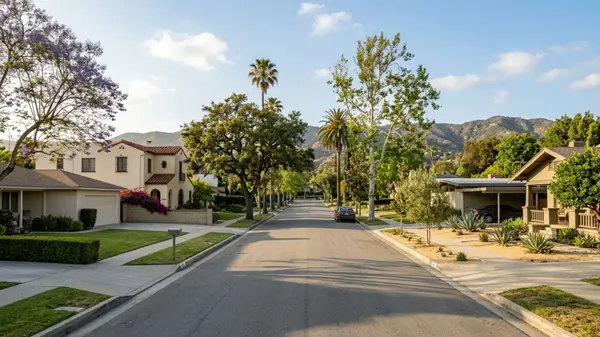
The area is built around major commercial corridors that intersect with quieter residential streets. Having essential services located just minutes from residential subdivisions adds significant practical value to the local real estate.
Retail and Dining Anchors
The Galleria at Tyler stands as the primary retail and dining hub for the entire community. This expansive indoor mall and its surrounding commercial plazas offer everything from major department stores to local restaurants. The concentration of commercial activity around the Galleria ensures residents rarely have to travel far for specialized goods.
Beyond the main mall, several neighborhood shopping centers provide quick access to grocery stores, pharmacies, and daily necessities. This dispersed retail footprint means that almost every residential pocket is within a short drive of essential commercial services.
Parks and University Facilities
For outdoor recreation, the area features several maintained public spaces that take advantage of the mild climate. La Sierra Park provides athletic fields, playgrounds, and open green space for community use. Additionally, the scenic Riverwalk Parkway offers paved paths that are heavily utilized for walking and jogging.
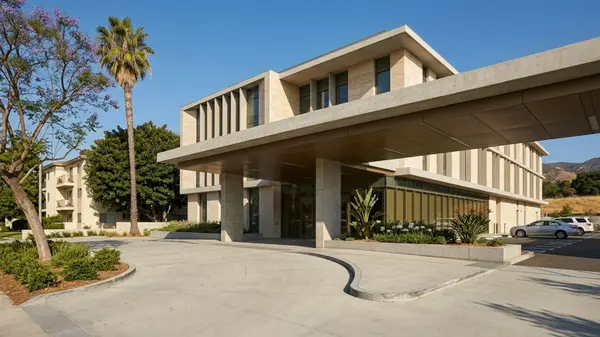
Institutional anchors also play a significant role in shaping the local landscape. La Sierra University operates a large campus here, serving as a major educational and cultural center for the neighborhood. The presence of the university brings public lectures, arts events, and maintained campus grounds that benefit the surrounding community.
Healthcare and Emergency Services
Access to local healthcare is a critical factor for many buyers evaluating a new neighborhood. The area is served by several urgent care centers and specialized medical clinics located along major commercial parkways. For comprehensive medical needs, residents are just a short drive from major regional hospitals in both Riverside and Corona.
The community is also supported by dedicated municipal infrastructure, including strategically placed fire stations. A local fire station ensures rapid emergency response times for residential subdivisions. This level of established municipal support adds an important layer of stability to the neighborhood.
Public Schools Serving the Neighborhood
Educational zoning is a standard consideration for anyone purchasing residential real estate. Properties in this area fall under the jurisdiction of the Alvord Unified School District. The district manages several facilities across different grade levels to accommodate the local population.
Proximity to these campuses often influences local traffic patterns during weekday mornings and afternoons. Buyers touring homes during these specific hours will get a realistic view of daily neighborhood navigation.
District maps divide the area into distinct attendance zones based on residential addresses. The following campuses are positioned to serve this specific portion of Riverside:
-
Collett Elementary, Twinhill Elementary, and Arlanza Elementary
-
Arizona Middle School and Loma Vista Middle School
-
La Sierra High School
Buyers should always verify specific boundary lines with the district directly before submitting a property offer. School assignments can shift based on exact street addresses and annual district rezoning efforts.
Frequently Asked Questions
What is the average commute time from La Sierra to Orange County?
Driving to Orange County via California State Route 91 typically takes 60 to 90 minutes during peak morning traffic. Commuters can expect travel times to exceed 90 minutes on days with heavy congestion or accidents. Utilizing the local Metrolink station offers a rail alternative that bypasses freeway delays entirely.
What types of homes are available in La Sierra, Riverside?
The local real estate market features a diverse mix of single-family homes, townhomes, and apartment complexes. Buyers will find architectural styles ranging from mid-century single-story homes to newer suburban two-story builds. With an early 2026 median price of roughly $650,000, the area accommodates various residential budgets.
Which school district serves the La Sierra neighborhood?
Residential properties in this area are zoned for the Alvord Unified School District. The district operates several local campuses, including La Sierra High School. Buyers should verify their specific property address with the district to confirm exact school assignments.
Categories
Recent Posts