Historic Charm in 2026: Your Wood Streets Riverside, CA Area Guide
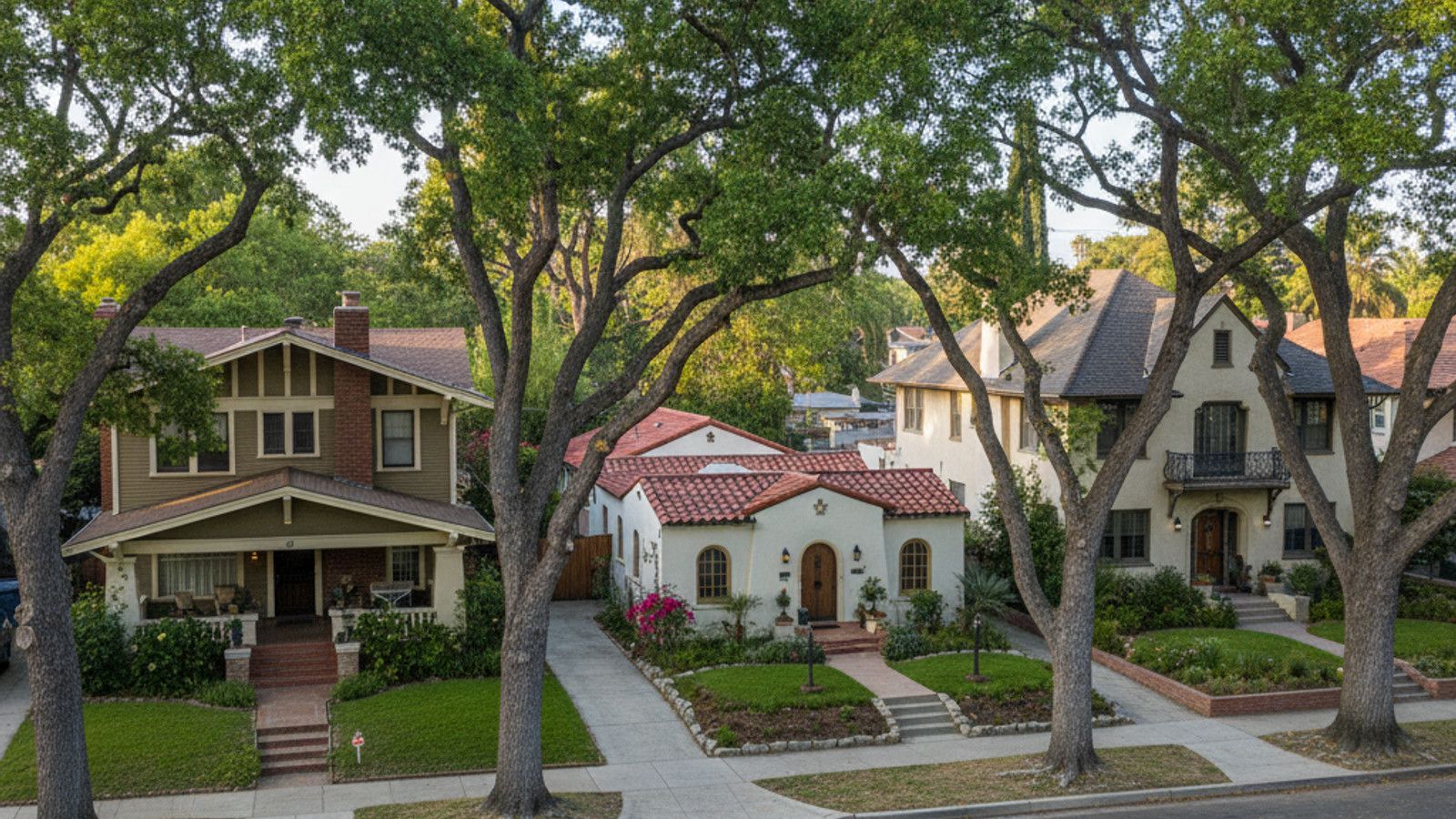
Riverside holds a unique place in Southern California real estate, characterized by deep agricultural roots and carefully preserved architecture. The Wood Streets neighborhood stands out as a prime example of this heritage, offering a distinct alternative to modern subdivision living. Buyers looking in this area are consistently drawn to the mature landscaping and the authentic, pre-war craftsmanship that defines the local streetscape.
Navigating the current 2026 housing market requires a clear understanding of local inventory and municipal preservation rules. This Wood Street Riverside, CA area guide explores the essential details of property values, commute logistics, and neighborhood zoning. Knowing how these factors intersect helps buyers make informed, strategic decisions when evaluating these historic properties.
Analyzing the local inventory reveals a blend of strict architectural preservation and necessary modern utility. Buyers must balance the aesthetic appeal of early 20th-century craftsmanship with the practical realities of maintaining an older structure. The following sections detail the specific data points that define the neighborhood's current valuation and daily lifestyle offerings.
The Story Behind Riverside's Wood Streets
The subdivision's origins date back to 1913 when developer Edward H. Wood began shaping this residential enclave. His vision established a cohesive grid of homes that prioritized architectural character over rapid, high-density expansion. The most recognizable feature of the neighborhood is the street naming convention, which utilizes the "wood" suffix on nearly every signpost.
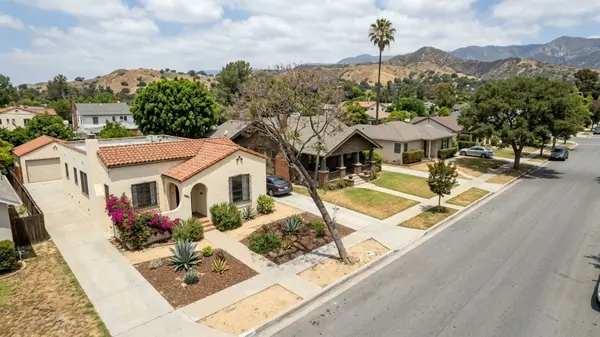
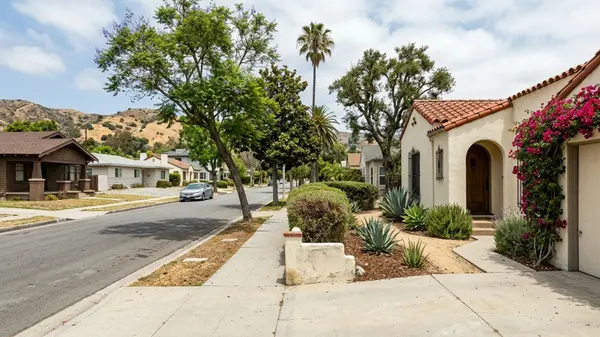
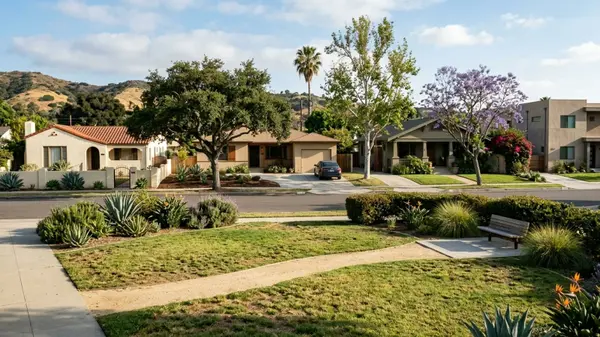
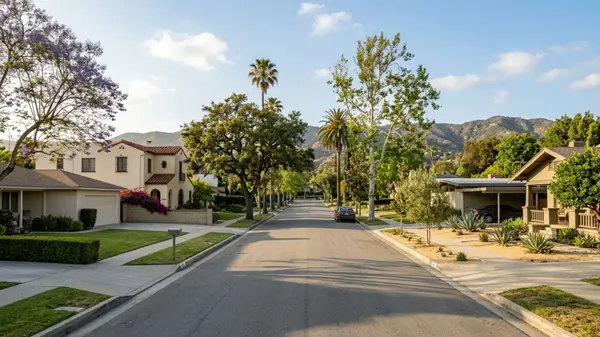
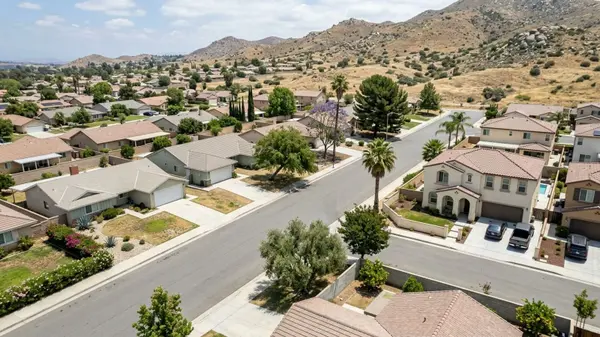
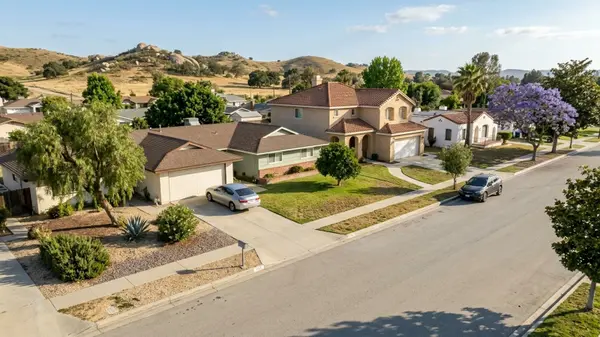
Driving down Oakwood, Elmwood, or Brentwood reveals a streetscape dominated by mature, decades-old trees. This extensive landscaping creates a dense canopy that cools the sidewalks and adds significant curb appeal to the historic lots. The robust tree coverage remains a strong selling point for buyers who want an established, shaded environment rather than a newly graded development.
Understanding this history is crucial because the 1913 layout still dictates modern property boundaries and street widths. The preservation of these original design elements gives the neighborhood a distinct, cohesive identity that newer construction simply cannot replicate. Buying into the Wood Streets means taking ownership of a verified piece of early California history.
The enduring appeal of this layout lies in its stark contrast to modern, high-density residential planning. Wide setbacks and deep lots provide a sense of physical space that is increasingly rare in the Southern California market. This deliberate spatial design continues to drive buyer interest more than a century after the first foundations were poured.
Wood Streets Real Estate Market and Historic Architecture
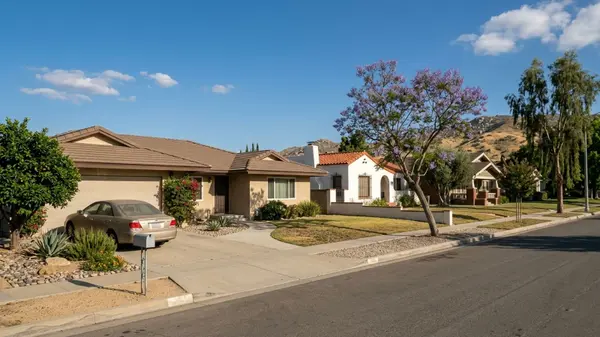
The housing inventory here is heavily defined by pre-WWII architectural styles that require specific maintenance considerations. Buyers will primarily tour American Craftsman bungalows, Spanish Colonial Revival homes, and classic Tudor designs. These properties often feature original hardwood floors, built-in cabinetry, and distinct rooflines that command a premium in the current market.
As of April 2026, the median home values in the Wood Streets range from the mid-$600,000s up to approximately $807,000 for fully renovated historic properties. Prices rose steadily through last year, and that trajectory has continued into the spring market as demand for turnkey historic homes remains high. Securing a property at the lower end of that spectrum typically means taking on a home that requires significant foundation or plumbing updates.
A major factor influencing these property values is the local historic district overlay enforced by the City of Riverside. This designation protects the neighborhood's visual character by restricting aggressive exterior modifications or modern teardowns. While this zoning preserves property values over the long term, buyers must be prepared for a stricter permitting process when planning renovations.
Property taxes and insurance premiums also require careful calculation when purchasing in this historic overlay. Older electrical systems and vintage plumbing often trigger higher insurance rates until they are fully modernized and permitted. Factoring these carrying costs into the initial purchase price is a necessary step for any serious buyer navigating the 2026 market.
Proximity to Downtown Riverside Amenities
Location drives much of the real estate interest in the Wood Streets, particularly due to its close physical relationship with Downtown Riverside. Residents live just a short distance from the city's primary commercial hubs, allowing for quick access to dining and retail sectors. This positioning offers the quiet of a residential grid without sacrificing proximity to urban conveniences.
The nearby Magnolia Avenue and Brockton Avenue corridors serve as the main arteries for local business access. These streets connect residents to essential services, boutique shopping, and larger retail centers like the Riverside Plaza. Having these commercial zones just minutes away drastically reduces daily driving times for routine errands.
Cultural landmarks also play a significant role in the local lifestyle, anchored by the famous Mission Inn Museum. The downtown district hosts regular civic events, art walks, and farmers markets throughout the calendar year. The takeaway for buyers is clear - you are investing in immediate access to Riverside's cultural core, which supports sustained property demand.
Nightlife and entertainment options are heavily concentrated in this downtown sector, providing immediate options for evening outings. The Fox Performing Arts Center anchors the local entertainment scene, hosting regular concerts and theatrical productions. Living in the Wood Streets provides the distinct advantage of enjoying these venues without navigating long freeway commutes.
Parks, Recreation, and Trail Access
Access to outdoor space is a defining feature of the Wood Streets, supported by a network of well-maintained city parks. The neighborhood itself features flat, grid-like streets that provide excellent pedestrian infrastructure for daily walking or cycling. Beyond the residential sidewalks, several major recreational facilities sit just outside the neighborhood boundaries.
The proximity to these green spaces adds tangible value to the local real estate, offering diverse options for outdoor recreation. Local zoning boards have prioritized the maintenance of these recreational facilities to support the surrounding residential blocks.
The integration of nature into the urban grid enhances the daily routine for those who prioritize outdoor activity. Buyers evaluating the area will find several primary destinations that anchor the local park system:
-
Mount Rubidoux Memorial Park offers paved hiking trails with varying elevation gains, culminating in panoramic views of the city.
-
Ryan Bonaminio Park features extensive flat green spaces, dedicated sports fields, and modern playground equipment.
-
The Santa Ana River Trail provides a paved, multi-use path for long-distance cycling and running away from motor traffic.
Riverside Unified School District Attendance Zones
Residential properties in this area fall under the jurisdiction of the Riverside Unified School District (RUSD). This district manages the public education infrastructure for the central city, assigning specific campuses based on residential addresses. Buyers prioritizing school zones must verify their exact property boundaries, as attendance lines can shift between specific streets.
The immediate neighborhood is primarily served by Magnolia Elementary School and Central Middle School for early education. Older students typically filter into Polytechnic High School, commonly known locally as Poly High. These campuses are geographically close to the Wood Streets, minimizing morning transit times for local residents.
Higher education also maintains a strong footprint near the neighborhood boundaries. Riverside City College sits approximately one mile away, offering community college programs and local employment opportunities. The dense concentration of educational facilities reinforces the area's stability and consistent housing demand.
Extracurricular facilities and specialized academic tracks at these campuses frequently factor into local real estate decisions. The geographic clustering of these schools reduces the daily transit burden for residents managing tight morning schedules. Proximity to these established educational centers remains a core component of the neighborhood's long-term property valuation.
Transportation Infrastructure and Commute Times
Regional connectivity is a practical necessity for Southern California real estate, and the Wood Streets offer strategic access to major transit corridors. The neighborhood is positioned centrally between several key freeways that route traffic toward Los Angeles, Orange County, and the broader Inland Empire. Understanding these commute logistics is essential for buyers who work outside the city limits.
While the local streets remain quiet, residents can reach regional transit hubs with a short drive. Navigating the Inland Empire requires a strategic approach to daily travel, and this neighborhood is positioned to optimize those routes.
The physical layout of the city funnels traffic toward major arterial roads that connect directly to the interstate system. This infrastructure heavily influences the practical appeal of the neighborhood for regional commuters:
-
The SR-91, SR-60, and I-215 freeways are all accessible within a few miles, providing multi-directional travel options.
-
The Riverside-Downtown Metrolink station sits roughly 2.5 miles away, offering rail service to Los Angeles and Orange County.
-
Off-peak drives to coastal employment hubs take approximately 60 minutes, though rush hour traffic frequently extends this to 1.5 or 2 hours.
Frequently Asked Questions About the Wood Streets
Are there HOA fees in the Wood Streets neighborhood?
Unlike modern suburban developments, the vast majority of historic Wood Streets properties do not belong to a Homeowners Association. Buyers will not typically pay monthly HOA dues, which keeps carrying costs lower compared to newer subdivisions. However, residents must still comply with city ordinances regarding property maintenance and historic preservation.
Can I renovate the exterior of a home in the Wood Streets Historic District?
Exterior renovations are permitted but require specific approvals from the City of Riverside to ensure they match the 1913 architectural character. You cannot drastically alter the street-facing facade or use unapproved modern materials on a historic home. This strict permitting process protects neighborhood property values by preventing mismatched, out-of-character development.
How far is the Wood Streets neighborhood from UC Riverside?
The neighborhood is located approximately four to five miles west of the main UC Riverside campus. Commuting to the university typically takes 10 to 15 minutes by car via surface streets like Magnolia Avenue and University Avenue. This proximity makes the area a practical option for university faculty and staff looking to buy off-campus real estate.
Categories
Recent Posts