Navigating the Market in 2026: A Complete Downtown Riverside CA Area Guide
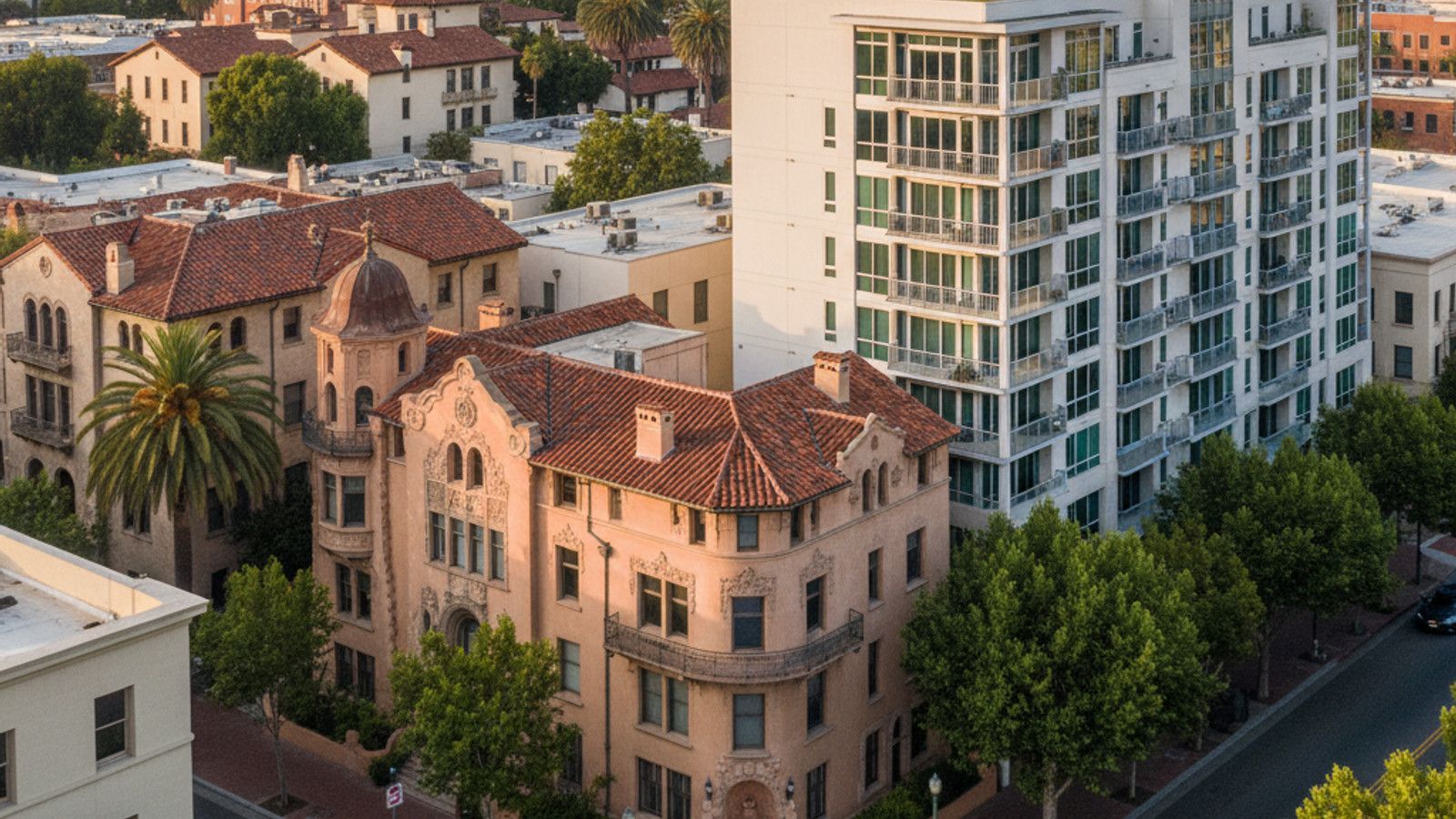
Downtown Riverside stands out in Southern California as an urban center that has successfully preserved its rich architectural heritage while adapting to modern residential demands. Buyers looking at the Inland Empire often focus on this specific grid because it offers a highly walkable layout surrounded by historic landmarks.
Navigating the property landscape here requires an understanding of diverse housing stocks, local tax nuances, and shifting transit infrastructure. Whether you are evaluating a century-old estate or a newly built condominium, knowing the precise market dynamics of the downtown zip codes is essential. This guide outlines everything prospective buyers and investors need to know about purchasing property in the city's historic core as of early 2026.
The Downtown Riverside Real Estate Market in 2026
The current housing market in the downtown sector presents a balanced environment for both buyers and sellers, with median home prices ranging between $602,000 and $646,000. Properties typically spend anywhere from 43 to 96 days on the market, depending heavily on their condition, location, and how well they have been prepared for sale. Buyers looking at this area will find that turnkey properties move toward the faster end of that timeline, while homes needing significant restoration sit longer.
Property taxes are another crucial financial consideration, with the effective median rate hovering between 0.64% and 0.75% of the assessed property value. Buyers looking at newer developments within the downtown grid should also verify if Mello-Roos fees apply, as these special assessments can notably increase the monthly tax burden. In my professional view, sellers who aggressively prepare and accurately price their historic homes have a distinct advantage in this balanced market.
Diverse Property Types in the Downtown Core
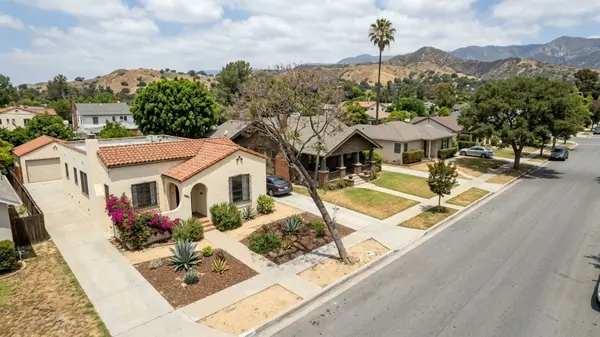
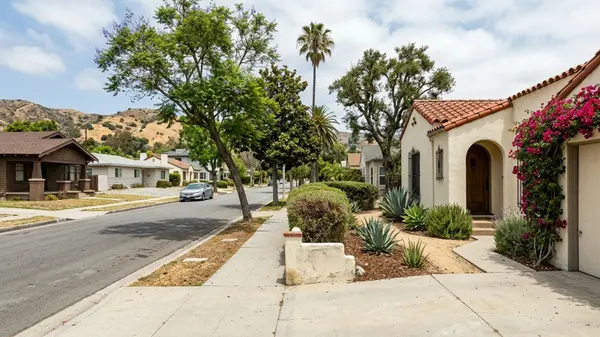
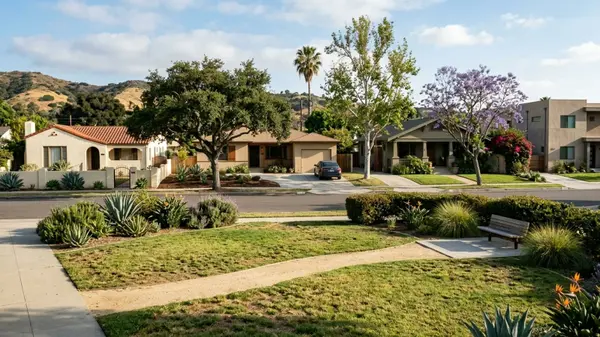
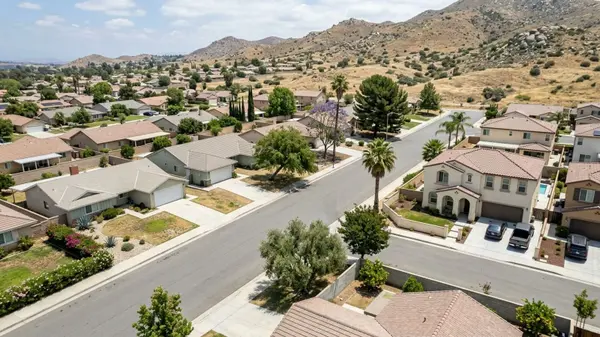
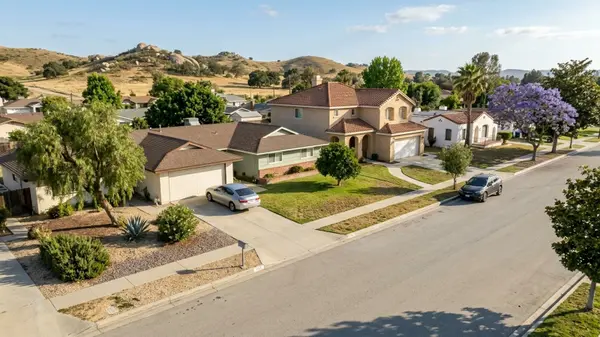
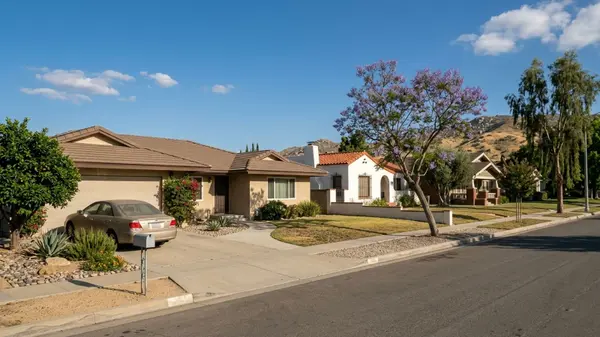
The architectural landscape of the downtown area is defined by a deep supply of historic homes, particularly those built in the Mission Revival and Spanish Colonial Revival styles. These century-old properties offer original craftsmanship and distinct street appeal, though they generally require more intensive ongoing maintenance and specialized upkeep. Buyers will also find a scattering of mid-century properties that add stylistic variety to the mature, tree-lined streets.
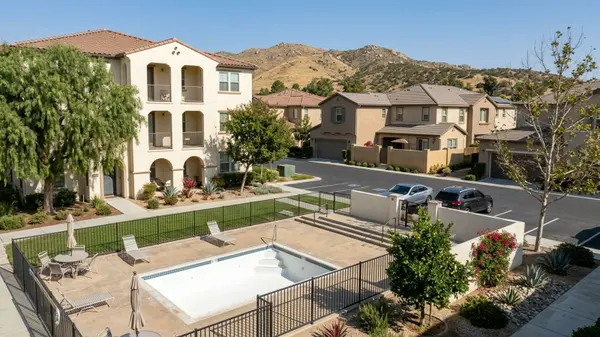
For those seeking a lower-maintenance lifestyle, newly developed condominiums have become increasingly prominent near the commercial center. These modern units provide immediate access to the walkable downtown grid without the heavy maintenance expectations of a historic single-family home. Choosing between a historic estate and a new condo ultimately comes down to balancing architectural preference against your tolerance for property upkeep.
Public Transportation and Commuting Logistics
Connectivity is a major factor driving real estate interest in the downtown sector, thanks to a robust network of freeways and rail lines. Residents have direct access points to the 91, 60, and 215 freeways, making it straightforward to navigate the wider region. The local street grid itself is highly walkable, allowing residents to easily navigate between residential zones and the central commercial district without a car.
For regional commuters, the Riverside-Downtown Metrolink station serves as a critical transit hub connecting the city to Los Angeles and beyond. The station is located just blocks from the main pedestrian areas, offering daily service on multiple rail lines. The strategic placement of the Metrolink station makes downtown the most efficient neighborhood for cross-county commuters who want to avoid peak Southern California freeway traffic.
Local Amenities, Arts, and Historic Landmarks
The cultural footprint of the downtown grid is anchored by iconic institutions, most notably the historic Mission Inn Hotel & Spa. This sprawling, block-long landmark sets the architectural tone for the entire neighborhood and draws significant foot traffic to surrounding businesses. Just a short walk away, the Riverside Art Museum and the California Museum of Photography offer rotating exhibits that solidify the area as a regional arts hub.
Beyond the visual arts, the neighborhood features a dense concentration of dining and entertainment venues. The Riverside Food Lab provides a modern food hall experience with diverse local vendors, while the Fox Performing Arts Center hosts major concerts and theatrical productions. Downtown's concentration of preserved historic architecture gives its arts scene an authentic character unmatched by neighboring inland cities.
Parks and Outdoor Recreation Access
Residents seeking outdoor recreation have immediate access to several expansive green spaces just outside the commercial center. Mount Rubidoux Park borders the western edge of the neighborhood, offering paved hiking trails and sweeping views of the city from its summit. This landmark is particularly popular for daily exercise and is easily accessible from the residential streets of the downtown grid.
To the north, Fairmount Park provides a completely different recreational experience with its mature landscape and extensive facilities. The park features large duck ponds, a golf course, and shaded outdoor spaces that accommodate weekend recreation. Within the urban core itself, pedestrian paths and carefully landscaped public plazas offer smaller pockets of green space for daily use.
School District Boundaries and Higher Education
Residential addresses in the downtown sector fall within the boundaries of the Riverside Unified School District. Buyers evaluating the area will find that the local public schools are geographically integrated into the surrounding neighborhoods, making morning drop-offs relatively straightforward. Specific zoning boundaries can shift, so verifying exact school assignments through the district office is a necessary step during the escrow period.
The neighborhood is also heavily influenced by its proximity to major academic institutions, including the University of California, Riverside and Riverside City College. The downtown area is just a short commute from these campuses, making it a highly practical location for university faculty, staff, and graduate students. The density of nearby higher education institutions heavily insulates the local rental market against wider economic fluctuations.
Frequently Asked Questions
Is Downtown Riverside considered a walkable area?
Yes, the downtown grid is highly walkable, particularly around the Main Street Pedestrian Mall. Residents can easily access restaurants, museums, and civic buildings on foot without navigating heavy vehicle traffic. The flat terrain and concentrated commercial zoning make it one of the most pedestrian-friendly centers in the region.
What are the defining characteristics of the downtown neighborhood?
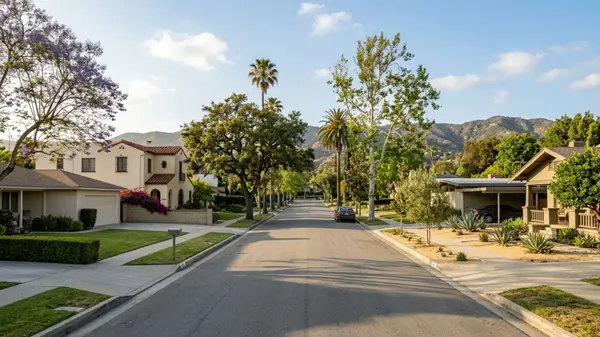
The neighborhood is defined by its extensive collection of preserved Mission Revival and Spanish Colonial Revival architecture. It features a dense canopy of mature street trees, historic civic buildings, and a centralized pedestrian-only commercial zone. These physical elements create a distinct, early 20th-century aesthetic that separates it from newer suburban developments.
Are there public transportation options connecting Downtown Riverside to Los Angeles?
Yes, the Riverside-Downtown Metrolink station provides direct rail service into Los Angeles via the Riverside and 91/Perris Valley lines. The train ride offers a reliable alternative to the 91 freeway, typically taking about 90 minutes to reach Union Station. This rail access is a primary draw for residents who commute regionally but prefer living in the Inland Empire.
Categories
Recent Posts