The Inland Empire Market: Comparing Riverside vs Ontario CA in 2026
Southern California real estate pushes buyers further inland every year, making the Inland Empire a primary destination for homebuyers. Choosing the right city often comes down to balancing commute viability with housing styles. When comparing Riverside vs Ontario CA, buyers are looking at two distinct economic engines that offer very different daily lifestyles.
Both cities provide a clear alternative to the high-density coastal metropolitan areas of Los Angeles and Orange County. However, they appeal to buyers for completely different reasons. Understanding the nuances of their housing markets, property taxes, and transit options is essential for making a sound investment in 2026.
Riverside vs Ontario: Evaluating the Inland Empire's Major Hubs
These two cities anchor the Inland Empire, but they belong to different counties and boast unique geographical advantages. Riverside operates as the administrative seat of Riverside County, sprawling across a larger footprint with deep historical roots. Ontario is located in San Bernardino County, positioning itself closer to the Los Angeles County line.
The historical identities of both locations still shape their modern development patterns today. Riverside grew as a major center for citrus production, leaving a legacy of mature agricultural land and historic architecture. Conversely, Ontario has built a modern identity anchored by massive commercial development, logistics hubs, and retail centers.
For buyers, the choice between the two often comes down to prioritizing character versus convenience. Riverside offers an established, neighborhood-centric environment. Ontario provides a highly connected, transit-oriented base that taps directly into the broader Southern California economy.
Housing Markets and Property Taxes
The 2026 real estate landscape in both cities shows remarkably similar acquisition costs but different long-term holding expenses. Median home prices in both markets currently sit between $633,000 and $658,000. This price parity means buyers can focus on property styles and tax implications rather than just the sticker price.
Property taxes are a major differentiating factor that will impact your monthly payment. Riverside buyers generally face a slightly higher effective property tax rate, typically ranging from 1.20% to 1.50%. Ontario residents often see lower tax obligations, with effective rates hovering around 1.08% to 1.10% depending on the specific development.
These tax differences directly influence purchasing power. A buyer financing a home in Ontario might qualify for a slightly higher purchase price due to the lower monthly tax escrow requirement.
Real Estate Trends in Riverside
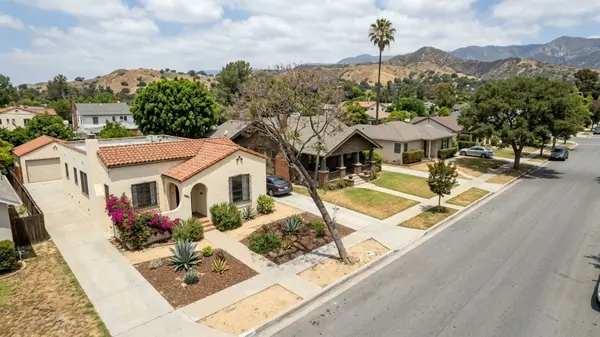
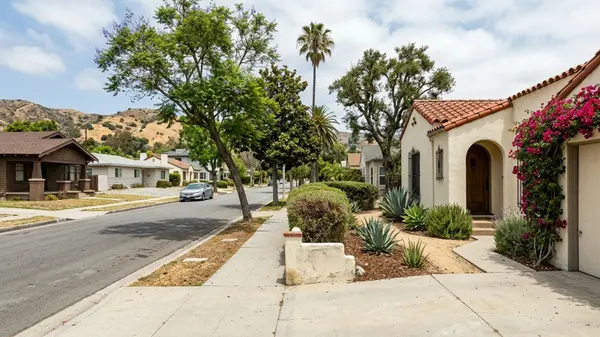
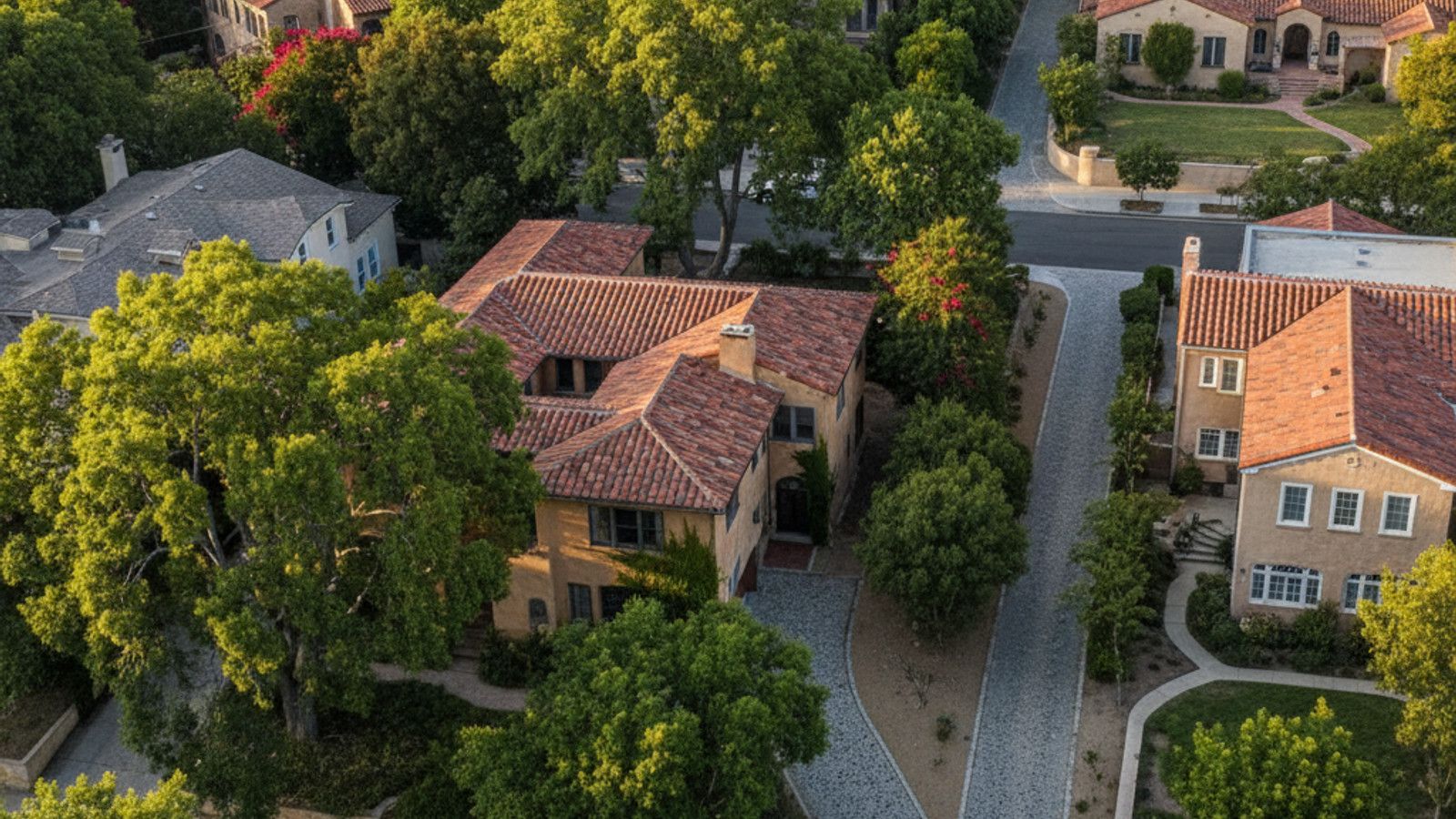
Riverside's housing market is defined by its established, mature neighborhoods and diverse historic housing stock. Buyers looking for unique architecture often gravitate toward the Wood Streets, where preserved homes command a premium. The ongoing revitalization of Downtown Riverside has also spurred interest in nearby residential pockets.
Current market insights show a steady demand for these character-rich properties. The median home price in Riverside sits roughly between $640,000 and $650,500 this year. Properties that are priced well and updated tend to maintain strong list-to-sale ratios.
Real Estate Trends in Ontario
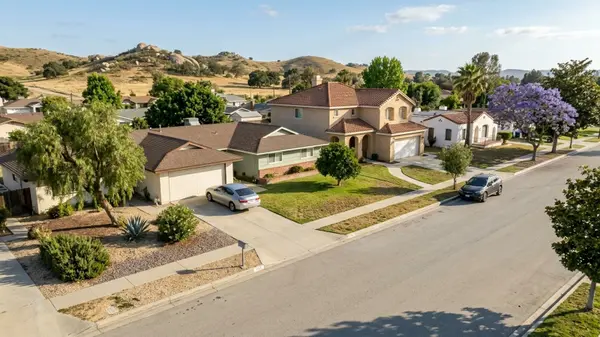
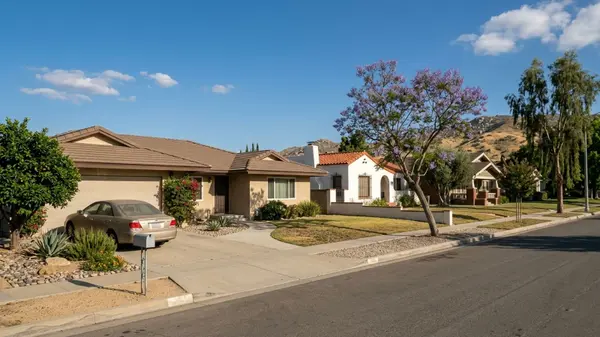
Ontario's real estate market contrasts sharply with Riverside by focusing heavily on newer construction and planned residential communities. The dominance of newer developments is most visible in the new model colony area and Ontario Ranch. This suburban expansion provides buyers with master-planned layouts, modern energy-efficient amenities, and expansive community features.
The local seller market remains competitive due to the continuous influx of buyers seeking these turnkey homes. Ontario median home prices range from roughly $633,900 to $658,000. The inventory here appeals heavily to buyers who prioritize modern floor plans over historic charm.
Commute Times and Transportation Infrastructure
Transportation infrastructure is often the deciding factor for residents working in coastal Southern California. Ontario holds a distinct geographic advantage for Los Angeles commuters, sitting just 35 to 40 miles east of downtown LA. A typical drive from Ontario to Los Angeles takes about 40 to 70 minutes via the I-10 or CA-60 freeways.
Riverside is located further southeast, placing it roughly 60 miles from Los Angeles. Driving from Riverside via the CA-91 or CA-60 typically requires a 60 to 90-minute commute, and often longer during peak hours. For those traveling to Orange County, Riverside's access to the CA-91 freeway provides a direct, though frequently congested, route.
Public transit and air travel options further separate the two cities. Both locations offer train service via the Metrolink, but the ride from Ontario to Los Angeles takes about an hour, compared to 1.5 to 2 hours from Riverside. Additionally, the Ontario International Airport provides residents with major airline access right in their backyard.
Local Amenities, Shopping, and Recreation
Entertainment and recreation options in these cities cater to entirely different lifestyles. Riverside is known for its cultural assets and expansive outdoor spaces. Residents have access to Mount Rubidoux Park, Fairmount Park, and the iconic architecture of The Mission Inn Hotel & Spa in the downtown corridor.
Retail needs in Riverside are primarily served by the Galleria at Tyler and surrounding shopping centers. The city maintains a slower, more localized pace of life focused on community events and historic preservation. This makes it an attractive option for those who prefer heritage sites over massive entertainment complexes.
Ontario delivers a robust, high-energy retail and entertainment experience. The city is home to Ontario Mills, one of the largest shopping malls in the state. Furthermore, the Toyota Arena hosts minor league sports teams, including AHL hockey, and serves as a major concert venue for the Inland Empire.
Educational Opportunities and School Districts
The educational infrastructure in both cities provides extensive options from primary school through higher education. Riverside Unified School District operates as a massive entity, serving a large student population across roughly 49 public schools. The Ontario-Montclair School District covers the primary education needs for its local area, with older students funneling into the Chaffey Joint Union High School District.
Riverside holds a distinct advantage in the tertiary education sector. The city's academic landscape is anchored by the University of California, Riverside (UCR), which drives local innovation and employment. This university presence brings a vibrant academic energy and cultural programming to the surrounding neighborhoods.
Ontario residents also have excellent access to higher education nearby. Chaffey College provides comprehensive community college programs and vocational training just north of the city. Additionally, the regional transit networks allow Ontario students to commute easily to universities across Southern California.
Overall Cost of Living Comparison
Beyond the mortgage payment, the overall cost of living in Riverside and Ontario is influenced by local economic factors. Both cities offer a cost of living index that is noticeably lower than the coastal Southern California average. However, everyday expenses like child care, groceries, and utility costs still track closely with the broader state average.
When evaluating the local economic lifestyle, buyers should consider the following cost factors:
-
Utility costs: Riverside operates its own public utility department, which can sometimes offer more stable rates compared to the private providers servicing Ontario.
-
Job growth: Ontario's top industries are rooted in logistics and commercial warehousing, providing robust entry-level and administrative job opportunities.
-
Everyday expenses: Both cities feature child care and grocery costs that sit above the national average but remain competitive for CA.
Local crime index statistics also play a role in municipal budgets and insurance rates. Both cities allocate significant resources toward public safety, maintaining levels typical for large suburban hubs. Buyers should research specific neighborhoods to understand how local insurance premiums might impact their monthly budget.
Frequently Asked Questions
Which city has a shorter commute to Los Angeles, Ontario or Riverside?
Ontario offers a significantly shorter commute to Los Angeles. It is located roughly 35 to 40 miles away, resulting in a 40 to 70-minute drive. Riverside is about 60 miles from Los Angeles, which often pushes drive times to 90 minutes or more.
Are housing costs cheaper in Ontario or Riverside?
Housing acquisition costs are currently very similar in both cities. The 2026 median home price in Riverside ranges from $640,000 to $650,500. Ontario's median price sits right alongside it at roughly $633,900 to $658,000.
How do property taxes compare between Riverside and Ontario, CA?
Ontario generally offers lower effective property tax rates, averaging between 1.08% and 1.10%. Riverside buyers typically face slightly higher rates ranging from 1.20% to 1.50%. This difference can result in noticeable savings on monthly escrow payments for Ontario homeowners.
Categories
Recent Posts