Navigating the Job Market Riverside CA: A 2026 Real Estate Guide
Riverside has rapidly evolved from a bedroom community into a standalone economic powerhouse within the Inland Empire. Buyers relocating to the area often prioritize finding a home that balances their career ambitions with manageable daily commutes. Understanding the local employment landscape is crucial for making an informed real estate decision here.
Today's job market in Riverside, CA, features a robust mix of public administration, advanced healthcare, and massive logistical operations. This diverse commercial base creates distinct housing demand across different zip codes within the city limits. Aligning your property search with these major employment hubs can significantly improve your daily routine and long-term property value.
Navigating this market requires clear data and a solid understanding of how commute times impact daily life. We will explore the major employment sectors currently thriving in the city and how they intersect with housing costs. This information will help you pinpoint the exact neighborhoods that fit your professional needs.
The Economic Landscape of Riverside in 2026
The region’s economy has shown remarkable resilience and steady expansion heading into the spring of 2026. Riverside currently reports an unemployment rate of approximately 5.2%, reflecting consistent job creation across multiple sectors. This figure represents a healthy equilibrium for an area experiencing continuous population growth and commercial development.
Much of this momentum comes from the Inland Empire's role as a primary economic engine for Southern California. The dominant industries driving local GDP growth include logistics, specialized healthcare, higher education, and advanced manufacturing. For prospective homebuyers, this diversified economic base means the local housing market is not overly dependent on a single industry's performance.
The Inland Empire continues to attract massive corporate investments due to its strategic location and available commercial space. This steady influx of capital ensures that the local job market remains highly competitive and diverse. Buyers can feel confident that the regional economy is built on a solid, multi-industry foundation.
Furthermore, local civic leaders have actively worked to streamline business development programs. These initiatives directly support small business owners and regional startups looking to establish a foothold in CA. The result is a vibrant commercial ecosystem that supports both massive corporations and local entrepreneurs.
Top Employers Driving the Riverside Job Market
The city maintains a strong balance between massive public sector institutions and thriving private enterprises. This division creates a wide variety of career opportunities, ranging from tenured academic positions to executive roles in supply chain management. Relocating professionals often find that this institutional variety provides excellent long-term career stability.
Proximity to these major employers directly shapes daily traffic patterns and neighborhood demand across the city. Many buyers specifically target property searches within a five-mile radius of these primary commercial centers. We will look at how specific sectors anchor different parts of the local economy.
Understanding exactly where these major employers are located is the first step in planning a successful relocation. The city is geographically expansive, meaning a commute from one end to the other can take a considerable amount of time. Identifying your target employment sector will naturally narrow down your best housing options.
Public Sector, Education, and Healthcare
The County of Riverside and the University of California, Riverside (UCR) serve as two of the most significant anchor employers in the region. UCR provides thousands of academic, administrative, and research positions while stimulating the surrounding local businesses. Meanwhile, the county government offices in the downtown core employ a massive workforce dedicated to public administration and civic services.
Healthcare also commands a massive footprint in the local economy, offering numerous clinical and administrative roles. Major regional networks like Kaiser Permanente Riverside Medical Center and Parkview Community Hospital are central to this sector. Medical professionals frequently seek housing close to these campuses to accommodate demanding and irregular shift schedules.
Logistics and Manufacturing
Riverside's strategic geographic position makes it a premier logistical hub for the entire West Coast. The region supports massive distribution centers for global retailers like Amazon, which provide thousands of operational and management positions. These facilities are primarily concentrated near major freeway corridors to facilitate rapid freight movement.
Beyond warehousing, the area maintains a strong presence in specialized manufacturing. Prominent private sector entities like K&N Engineering operate large facilities that require skilled technical labor and engineering expertise.
Commuting from Riverside to Los Angeles and Orange County
While local employment is robust, a significant portion of residents still commute to the coastal and central job centers of Southern California. Balancing a Riverside home purchase with a Los Angeles or Orange County career requires a clear understanding of regional transit options. The reality of Southern California traffic makes proximity to transit corridors a major factor in property valuation.
Buyers must weigh the benefits of larger lot sizes and more accessible home prices against the time spent traveling. Fortunately, the city offers several dedicated routes and public transit solutions to help manage these longer journeys. Understanding these specific transit modes is essential for setting realistic daily schedule expectations.
Many relocating professionals frequently underestimate the impact of heavy traffic on their overall quality of life. An extra thirty minutes on the road each way translates to hours of lost personal time every week. Carefully mapping your anticipated route to work is a mandatory step in the home-buying process.
Driving the 91, 60, and 215 Freeways
The primary arteries connecting the city to broader Southern California are the 91, 60, and 215 freeways. The 91 freeway serves as the main, heavily traveled corridor heading west into Orange County, while the 60 freeway provides a direct route toward downtown Los Angeles. The 215 freeway facilitates north-to-south travel, connecting residents to neighboring hubs like San Bernardino and Temecula.
Commuters should expect significant travel times during typical morning and evening traffic cycles. Driving to central Orange County or Los Angeles generally requires an hour and a half to over two hours during peak congestion.
Metrolink Public Transit Access
For those looking to avoid freeway gridlock, the Metrolink regional rail system provides a highly reliable alternative. The Riverside downtown station connects passengers to the 91/Perris Valley Line and the Inland Empire-Orange County Line. This rail network allows professionals to work or relax during their transit time rather than navigating heavy traffic.
Travel times via Metrolink are consistent, taking approximately 1 hour and 55 minutes to reach Los Angeles Union Station. Properties located within a short drive or walk of the downtown station often command a premium due to this exact convenience.
Connecting Riverside Employment Centers to Local Real Estate
Local employment patterns and commuting access directly dictate real estate demand and pricing across the city. Neighborhoods positioned near major hospitals, universities, or transit hubs consistently see higher buyer competition and faster sales cycles. Understanding this relationship helps buyers make strategic investments that align with broader economic trends.
As of the spring of 2026, the overall median home price in the city sits at roughly between $685,000 and $698,000. However, these figures fluctuate significantly depending on the specific neighborhood and its proximity to major job centers. Let us examine how distinct residential zones cater to different professional lifestyles.
It is essential to work with a real estate professional who understands these micro-markets and commute patterns. A slightly more expensive home near a Metrolink station might save you money when factoring in long-term transit costs. We always advise buyers to calculate their total monthly housing and commuting expenses together.
Downtown Riverside Property Types
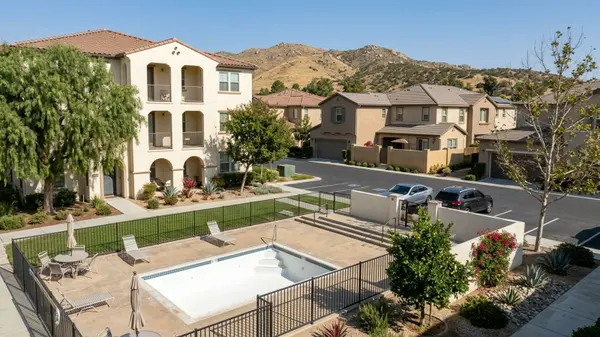
The downtown core offers a distinctly urban real estate experience with a mix of historic properties, modern condos, and renovated lofts. This area is highly sought after by professionals working in civic administration, the nearby community hospital, or those utilizing the Metrolink station. The walkability to offices, restaurants, and cultural venues makes it a premium location.
Current median prices for downtown housing generally range from $450,000 to $620,000. Condominiums provide an accessible entry point for buyers prioritizing location over square footage.
Suburban Neighborhoods: Mission Grove and Canyon Crest
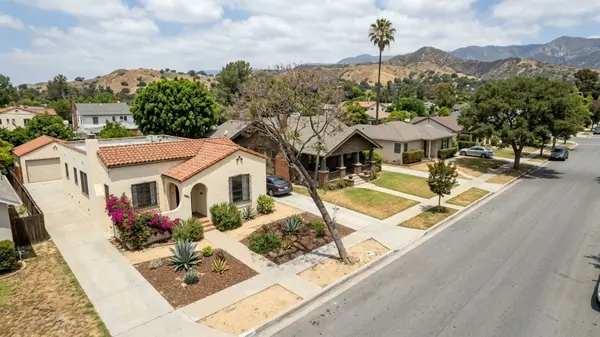
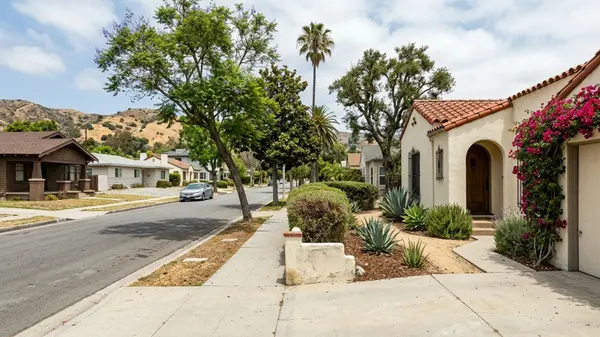
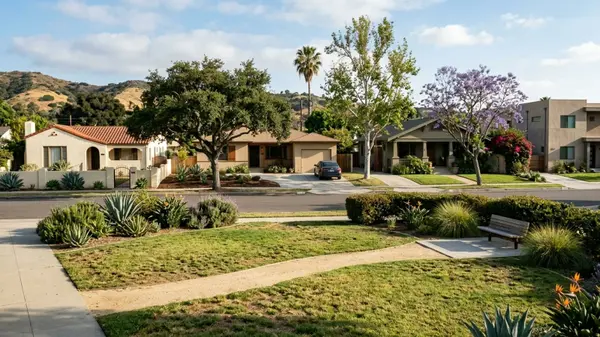
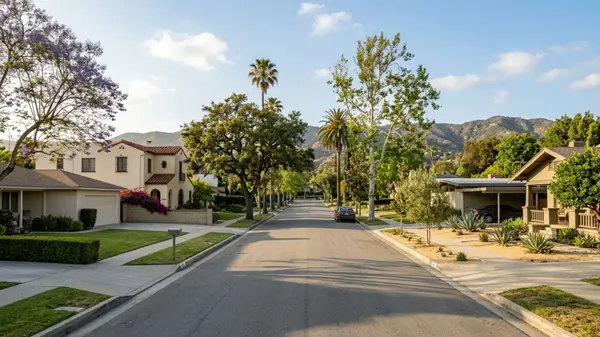
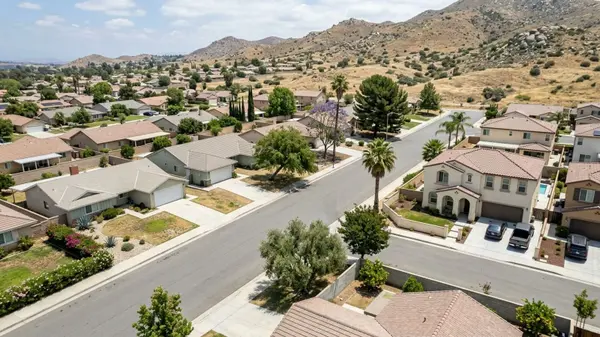
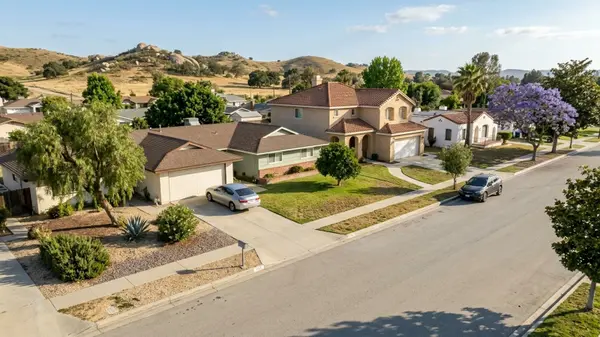
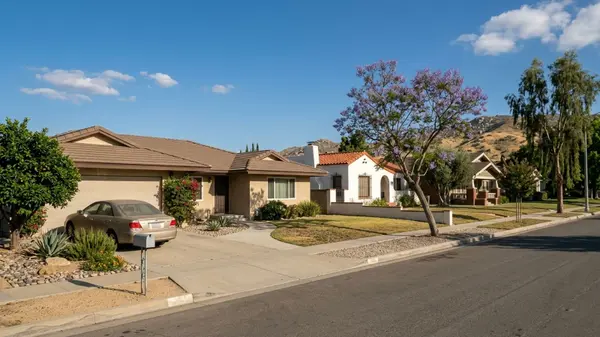
For buyers seeking larger properties, the eastern portion of the city features established suburban areas like Mission Grove and Canyon Crest. These neighborhoods offer spacious, detached single-family homes situated on generous lots. They are geographically convenient to UCR and various commercial amenities, making them popular among university faculty and medical professionals.
Real estate in these eastern zones commands higher price points due to the property sizes and proximity to these institutional employers. The median home price in Mission Grove is currently around $782,000. Nearby Canyon Crest sees median prices ranging between $710,000 and $740,000, reflecting the sustained demand for premium suburban housing.
Frequently Asked Questions About the Riverside, CA Job Market
What are the most in-demand skills or jobs in Riverside, CA?
The region currently sees the highest demand for professionals in advanced healthcare, higher education, and logistics management. Clinical nursing, supply chain coordination, and specialized manufacturing roles are particularly abundant. These sectors offer consistent hiring volume and strong long-term career trajectories within the local economy.
What is a good salary in Riverside, California?
A good salary here depends heavily on your housing goals, but the current median household income is approximately $65,440. To comfortably afford a median-priced home of $685,000 without severe financial strain, household incomes typically need to exceed $140,000. Buyers earning below this threshold often target condominiums or properties in adjacent, more accessible zip codes.
Where can I find job postings and career resources for Riverside, CA?
The California Employment Development Department provides comprehensive statewide job listings and localized career resources. For civic roles, the County of Riverside human resources portal regularly updates with open administrative and public service positions. Additionally, the University of California, Riverside maintains its own dedicated career site for academic and staff opportunities.
Categories
Recent Posts