Analyzing the 2026 Market: Is Riverside, CA a Good Place for Young Professionals Exploring Relocation?
Buyers researching places to live in Southern California frequently ask, is Riverside, CA good for young professionals looking to purchase their first property? The city of Riverside anchors Riverside County, California, offering a distinct alternative to the higher-priced coastal markets. Understanding the local infrastructure, housing costs, and daily commute patterns is essential for anyone considering a move here in 2026.
Riverside provides a unique mix of dense urban amenities and quieter suburban environments. The local real estate market has evolved significantly over the past decade, shifting from a pure bedroom community to a regional economic center. Buyers evaluating the best neighborhoods in Riverside must weigh the benefits of local job opportunities against the realities of regional transit.
Navigating this market requires looking beyond basic property listings. Evaluating median household income trends, access to major transit corridors, and the variety of available housing stock reveals the true cost of living in the Inland Empire. The shift toward hybrid work models has dramatically altered how buyers view this region.
Proximity to the coast is no longer the sole driving factor for real estate decisions. Buyers now prioritize square footage, dedicated home offices, and accessible local amenities over a strict daily commute. Evaluating the market requires a clear understanding of what the city offers today.
Riverside has grown into a mature, self-sustaining municipality with distinct districts and architectural styles. This guide breaks down the essential factors buyers must review before submitting an offer in the current market.
Evaluating Riverside, CA for Relocation
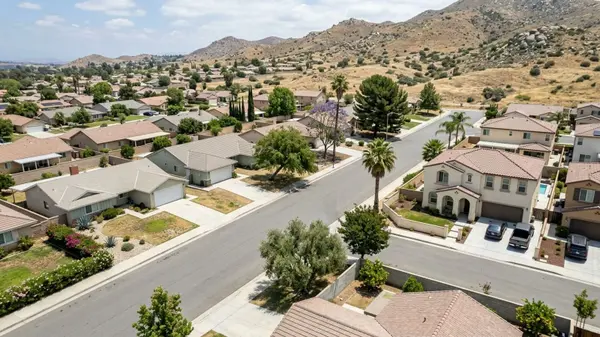
Riverside sits at a strategic crossroads in Southern California, positioned east of Orange County and southeast of Los Angeles. This geographic placement allows residents to access multiple major employment hubs while maintaining a primary residence outside the immediate coastal density. The city balances expansive suburban tracts with a rapidly developing downtown infrastructure.
The 2026 local economy shows sustained housing demand driven by buyers seeking more square footage than coastal markets allow. While prices rose steadily through last year, that momentum has carried into the current spring market. Relocating buyers will find that Riverside requires a strategic approach to neighborhood selection based on daily travel needs.
Local market dynamics have shifted significantly over the last few years. Data from last year showed a steady increase in out-of-town buyers, and that trajectory has continued into our current 2026 market. This sustained interest keeps inventory levels tight and creates a fast-paced environment for desirable properties.
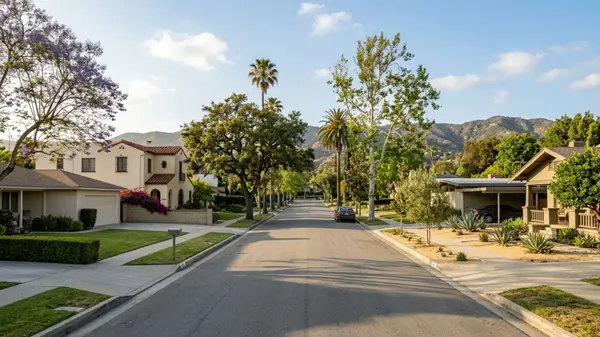
Buyers migrating from Los Angeles often express surprise at the scale of Riverside. The city encompasses numerous distinct zones, ranging from dense historic grids to sprawling hillside communities. This variety means buyers must clearly define their lifestyle preferences before beginning their property search.
The climate in the Inland Empire differs noticeably from the coastal cities. Summer temperatures frequently exceed 90 degrees, which directly influences property preferences. Buyers consistently prioritize homes with updated HVAC systems, energy-efficient windows, and private swimming pools.
Understanding the micro-climates within the city helps buyers make informed decisions. Neighborhoods situated at higher elevations often capture evening breezes that cool the properties overnight. Evaluating a home's solar orientation and shade coverage is a standard part of the local inspection process.
Commute Times to Los Angeles and Orange County
Regional transit plays a massive role in Riverside real estate decisions. The Metrolink commuter train provides a direct route from downtown Riverside to Los Angeles Union Station. This rail journey takes approximately 90 minutes, offering a structured alternative to daily freeway driving.
For those who prefer or need to drive, the city connects to the broader region via State Route 91, Interstate 215, and State Route 60. Peak traffic hours significantly impact drive times to Orange County, California, and Los Angeles. Buyers should test these freeway routes during rush hour to set realistic expectations for their weekly commute.
Navigating the regional freeway system requires an understanding of local traffic patterns. The State Route 91 corridor features toll lanes that can expedite travel to Orange County during peak hours. Utilizing these express lanes adds to the monthly transit budget but dramatically reduces time spent in traffic.
Travel to San Diego presents another viable route for weekend trips or occasional business meetings. Interstate 215 connects directly to southbound Interstate 15, creating a straightforward path down the coast. This connectivity reinforces Riverside's status as a central hub within the broader Southern California region.
Local Industries and Major Employers
The city of Riverside maintains a robust internal economy, reducing the need for long commutes for many residents. Healthcare, education, and municipal government serve as the primary economic drivers in the area. These sectors provide a stable foundation for the local job market.
Several major institutions anchor employment within city limits. Local residents often find career opportunities at these established hubs:
-
The University of California, Riverside (UCR) employs thousands of administrative and academic staff.
-
Kaiser Permanente and Riverside Community Hospital serve as massive healthcare employers.
-
Riverside County operates numerous administrative and legal offices downtown.
Beyond the major institutional anchors, the local economy supports a thriving network of mid-sized businesses. The logistics and distribution sectors maintain a strong presence on the outskirts of the city. These industrial parks capitalize on the nearby freeway infrastructure to move goods across the United States.
Downtown commercial spaces also see consistent demand from professional services and creative agencies. The revitalization of historic storefronts has attracted numerous independent firms to the city center. This diversification protects the local job market from downturns in any single industry.
Cost of Living: Median Home Prices and Rent Averages
Housing costs in Riverside present a distinct advantage when compared directly to neighboring Los Angeles and Orange County markets. As of spring 2026, the median sale price for a single-family home in Riverside hovers between $640,000 and $650,000. This price point allows buyers to acquire detached properties with private lots.
The rental market also reflects these regional pricing differences. Average monthly rents for local apartments currently range from $1,800 to $2,200. These figures make the city an attractive option for renters saving for a future down payment while enjoying local amenities.
Understanding these baseline costs helps buyers align their budget with realistic property expectations. The median household income in the area supports these housing figures, creating a balanced local economy. Buyers should review their financing options early to understand their purchasing power in this specific market.
Property taxes play a crucial role in calculating the true cost of ownership in California. Buyers should anticipate a baseline property tax rate of approximately 1.25 percent of the purchase price. Certain newer developments may also carry special assessment taxes that fund local infrastructure projects.
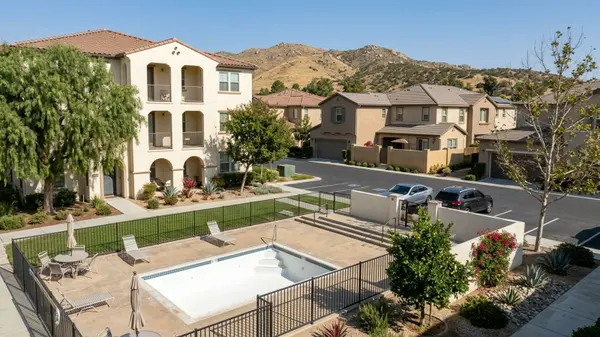
Homeowners association fees represent another variable in the monthly budget. While historic properties generally lack these fees, newer suburban tracts and downtown condominiums frequently require monthly HOA dues. These fees typically cover exterior maintenance, community pools, and shared landscaping.
Utility costs also factor into the overall affordability of the region. Riverside Public Utilities provides water and electricity to the majority of the city, often at rates lower than surrounding investor-owned utilities. This municipal service structure offers a slight financial advantage during the heavy air-conditioning months.
Home insurance premiums have become a significant consideration across California in 2026. Buyers should verify insurance availability and costs early in the escrow process. Properties located near hillside brush areas may require specialized coverage, which impacts the final monthly payment.
Available Property Types and Architecture
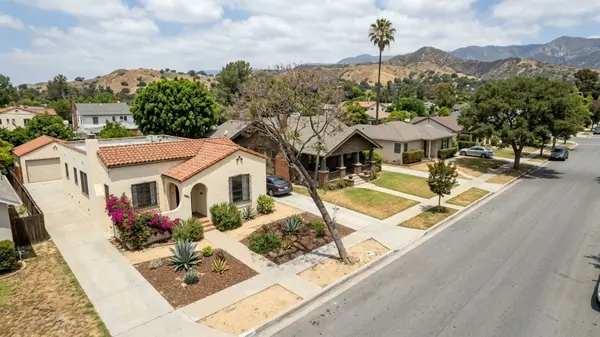
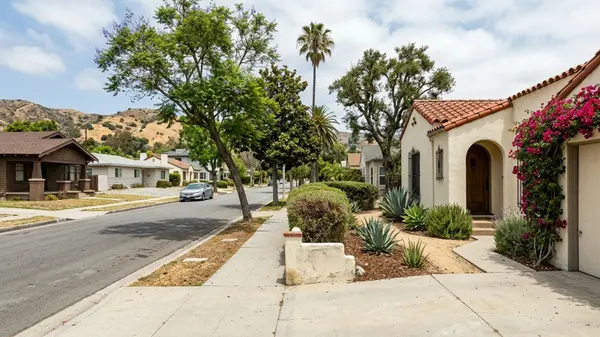
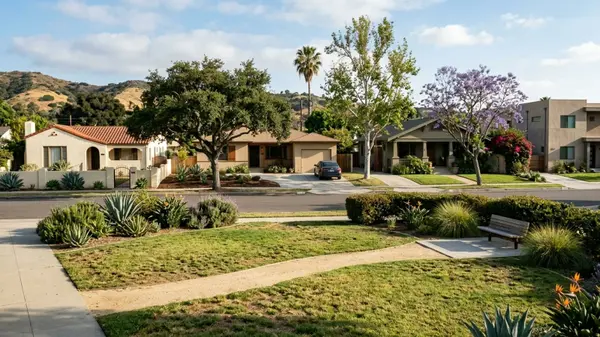
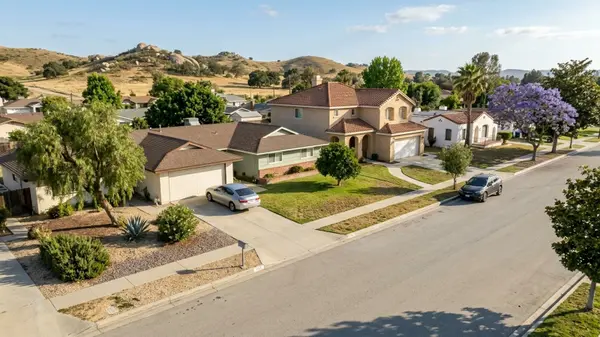
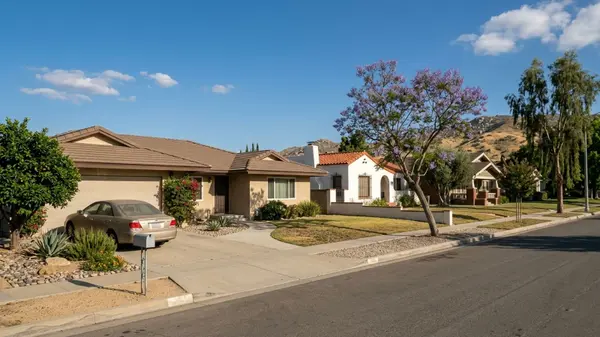
The architectural diversity in Riverside accommodates a wide range of aesthetic preferences and budgets. The historic Wood Street neighborhood features beautifully preserved Craftsman bungalows and Spanish Colonial Revival homes. These properties offer unique character, though they often require specialized maintenance budgets.
Moving toward the city center, buyers will find an increasing number of modern downtown lofts and condominiums. These attached units provide low-maintenance living with immediate access to urban amenities. Further from the core, newer suburban tract homes offer larger floor plans and modern, energy-efficient construction.
Mid-century modern architecture also maintains a strong presence in several established neighborhoods. These single-story properties often feature large windows, open floor plans, and generous lot sizes. Buyers drawn to post-war architectural styles will find excellent examples scattered throughout the city.
At the opposite end of the spectrum, new construction projects continue to expand the local housing inventory. Builders are focusing heavily on energy efficiency, incorporating solar panels and smart home technology into their designs. These newly built homes appeal directly to buyers looking to avoid immediate renovation projects.
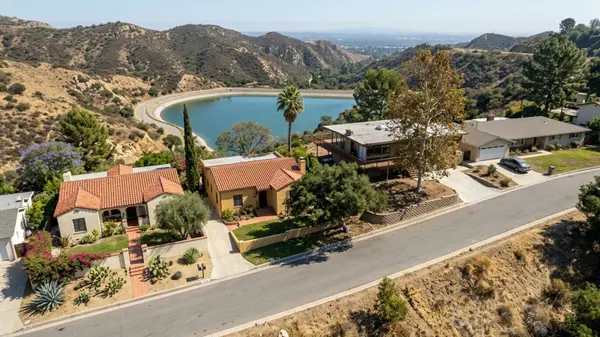
The Canyon Crest area offers a different residential experience entirely. Homes in this hilly terrain frequently feature sweeping views of the surrounding valleys and mountains. The adjacent country club and local shopping center provide immediate conveniences for residents in this sector.
Orangecrest represents another major residential zone located in the southern portion of the city. This area primarily consists of late 20th-century tract homes with traditional suburban layouts. The proximity to local schools and community parks makes this a highly sought after area for relocating buyers.
Downtown Riverside Amenities and Outdoor Recreation
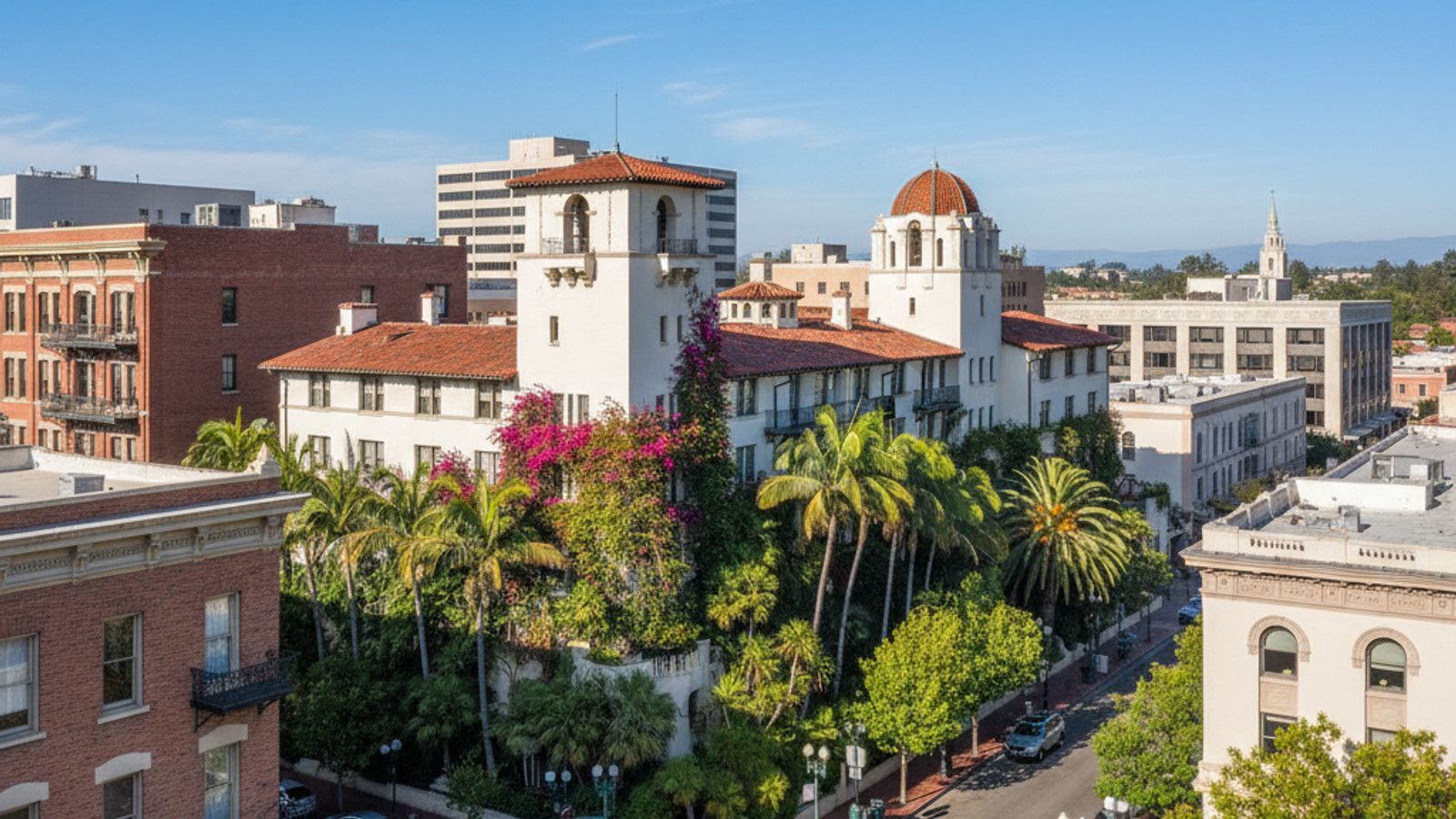
The lifestyle in Riverside centers heavily around its historic downtown district and expansive park system. The Mission Inn Hotel & Spa anchors the downtown Riverside area, serving as a massive architectural landmark and cultural hub. The surrounding pedestrian mall features a concentrated collection of local dining, independent retail, and entertainment venues.
Access to outdoor space remains a major draw for property buyers evaluating the city. Fairmount Park offers expansive lakes, walking paths, and mature shade trees right within the city limits. Additionally, the paved trails at Mount Rubidoux Park provide daily hiking opportunities and panoramic views of the entire Inland Empire.
This combination of historic commercial districts and accessible green space creates a highly functional local environment. Residents do not need to leave the city to find high-quality dining or extensive outdoor recreation. The infrastructure supports a balanced lifestyle that appeals to a wide variety of buyers.
The cultural footprint of the city extends well beyond basic retail and dining. The Riverside Art Museum and the Cheech Marin Center for Chicano Art & Culture draw visitors from across the state. These institutions provide a level of cultural engagement typically reserved for much larger metropolitan areas.
The agricultural history of the region also remains visible in the local landscape. The California Citrus State Historic Park preserves the legacy of the naval orange industry that originally built the local economy. Residents can explore these preserved groves and learn about the foundational agricultural roots of the area.
Community events utilize the downtown pedestrian mall throughout the year. The annual Festival of Lights transforms the area around the Mission Inn Hotel & Spa into a massive winter attraction. These organized events foster a strong sense of local identity and provide consistent entertainment options.
The local culinary scene has matured rapidly over the past five years. Independent chefs and restaurateurs have transformed historic brick buildings into modern dining destinations. Residents can find everything from high-end steakhouses to authentic regional Mexican cuisine within a few blocks.
Live music and theatrical performances also anchor the downtown entertainment options. The Fox Performing Arts Center hosts national touring acts, comedians, and Broadway-style productions. Having a venue of this caliber eliminates the need to drive into Los Angeles for premium entertainment.
Frequently Asked Questions
What is the median home price in Riverside, CA in 2026?
The median home price in Riverside sits between $640,000 and $650,000 as of the spring 2026 market. This figure varies depending on the specific neighborhood and property condition. Detached single-family homes in historic districts typically command prices at the higher end of this spectrum.
How long is the Metrolink commute from Riverside to Los Angeles?
Taking the Metrolink from downtown Riverside to Los Angeles Union Station takes approximately 90 minutes. This rail option provides a consistent travel time that avoids the unpredictable delays of regional freeway traffic. Commuters can utilize this route during standard morning and evening transit hours.
What are the major employers in Riverside, CA?
The local economy relies heavily on the education, healthcare, and government sectors. The University of California, Riverside and Riverside Community Hospital stand out as two of the largest employment hubs. Additionally, municipal and county government offices provide substantial job opportunities within the city limits.
Categories
Recent Posts