Riverside vs Eastvale CA: Comparing Housing and Commutes in 2026
Choosing where to buy a home in the Inland Empire often comes down to balancing housing costs, commute times, and local infrastructure. Buyers looking at Riverside vs Eastvale CA are comparing two very different living experiences within the same region. Riverside offers a sprawling, historic landscape with deep cultural roots, while Eastvale presents a modern, master-planned environment built almost entirely in the 21st century.
Both cities offer distinct advantages depending on your daily routine and real estate budget in 2026. Understanding the nuances of their housing markets, property taxes, and freeway access is essential for making an informed purchase. The decision ultimately hinges on whether you prioritize newer construction with higher baseline costs or established neighborhoods with varied architectural styles.
The Inland Empire continues to attract buyers seeking alternatives to the dense coastal counties. Navigating this regional market requires a clear understanding of how local geography impacts daily life. Weighing the historic charm of Riverside against the modern convenience of Eastvale provides a perfect framework for this decision.
Riverside vs Eastvale: 2026 Housing Market & Home Prices
The current real estate landscape shows a stark contrast in median home values between these two municipalities. Riverside maintains a median home price of approximately $650,000, offering a more accessible entry point for many buyers. Eastvale commands a significantly higher median price of roughly $940,000, driven largely by its newer housing stock and larger average square footage.
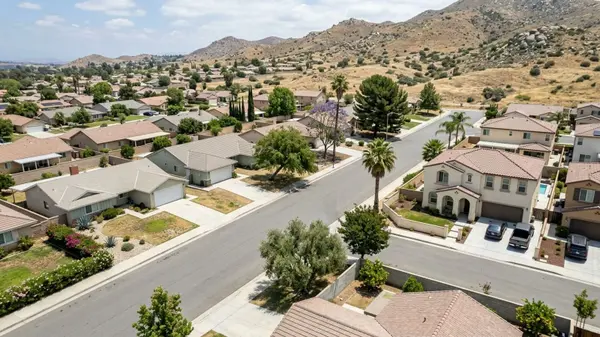
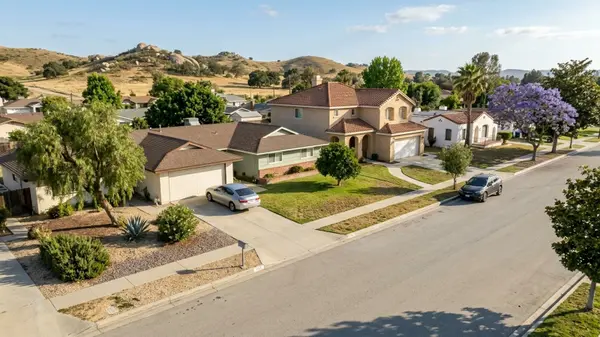
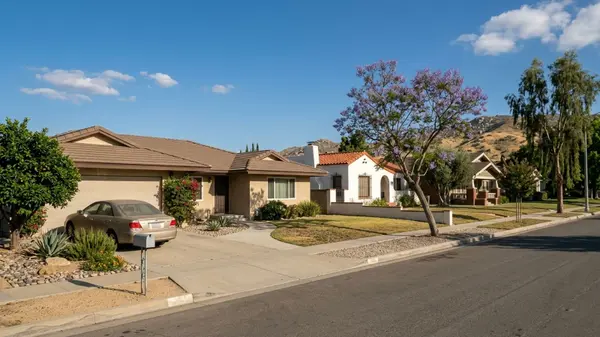
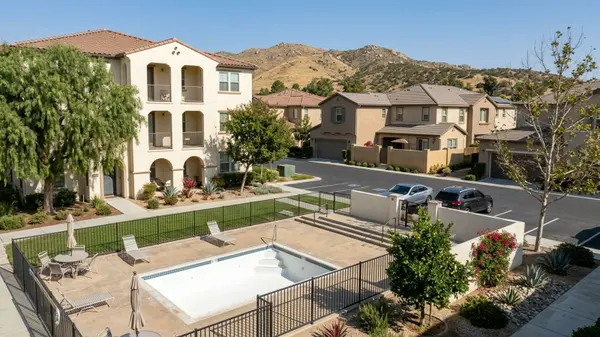
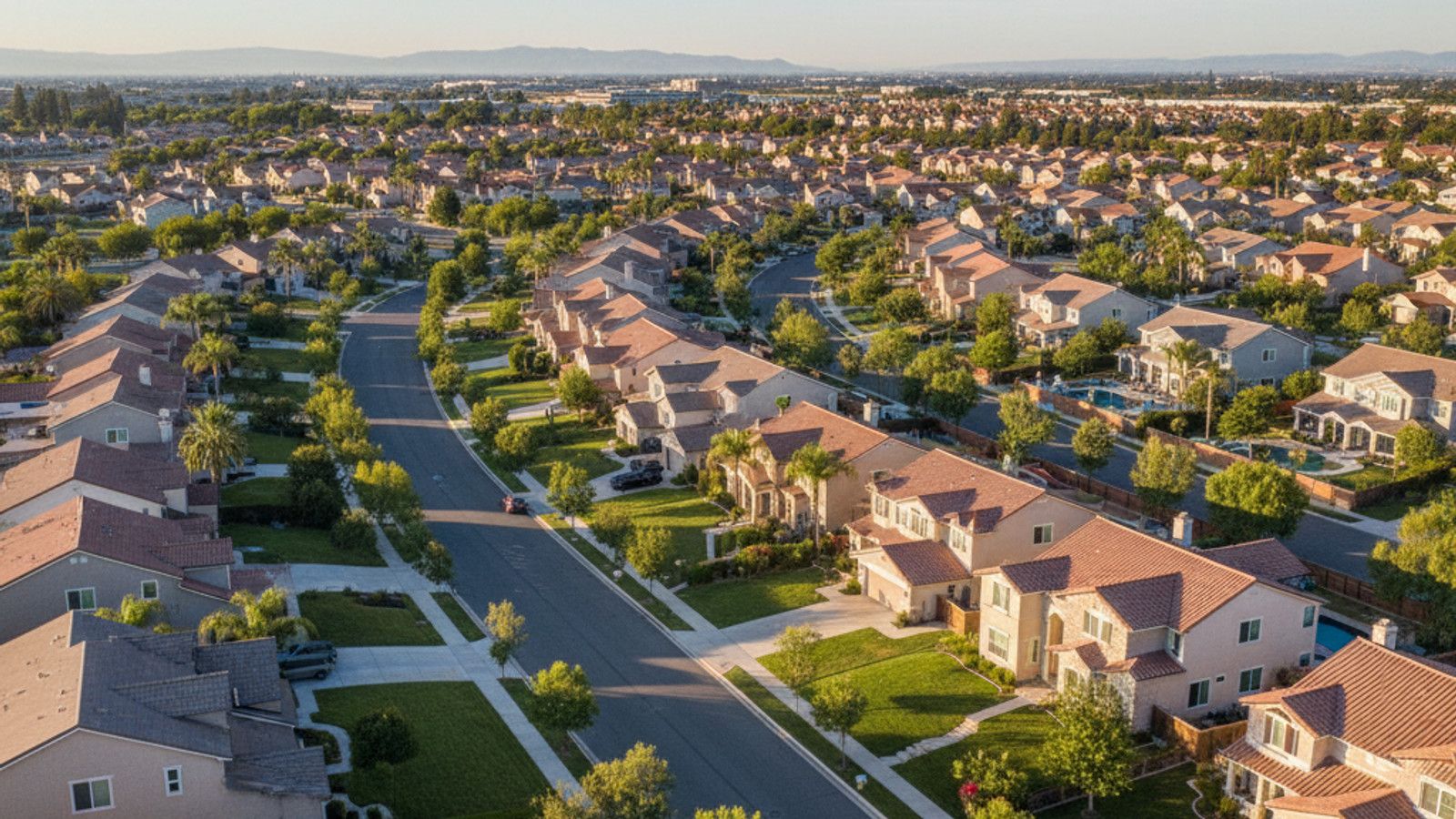
Housing inventory in Riverside spans over a century of development, featuring historic Craftsman homes, mid-century ranch properties, and newer subdivisions. Eastvale inventory consists almost exclusively of large single-family homes built after 2000 within highly structured planned developments. Buyers prioritizing sheer square footage and modern floor plans often find Eastvale compelling, but Riverside clearly offers better overall value per square foot for those willing to consider older properties.
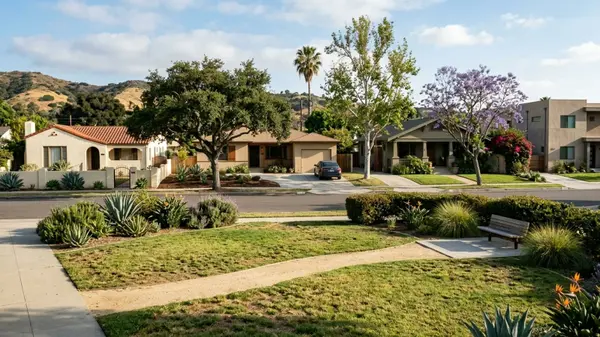
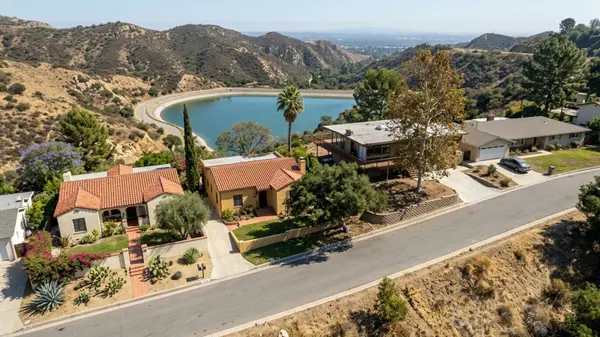
Lot sizes also vary dramatically between the two locations. Riverside properties, particularly in established neighborhoods, frequently feature expansive lots with mature trees and detached structures. Eastvale properties typically maximize interior living space, resulting in larger home footprints but relatively compact backyard areas.
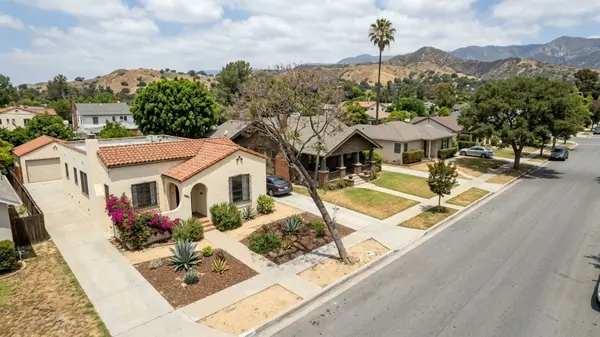
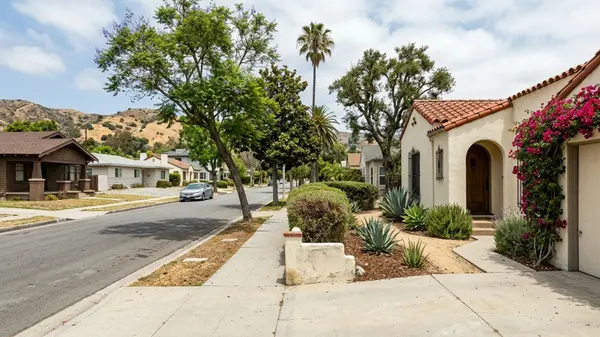
Architectural diversity remains a strong selling point for Riverside. Buyers can tour a Spanish Revival home in the morning and a contemporary build in the afternoon. Eastvale delivers a highly consistent aesthetic, with Mediterranean and transitional suburban architecture dominating the streetscapes.
Hidden Costs: Mello-Roos and Property Taxes
Evaluating the sticker price of a home is only the first step in calculating your monthly housing expenses. Eastvale properties frequently carry Mello-Roos taxes and mandatory HOA fees, which fund the newer municipal infrastructure and community maintenance. These special assessments push the effective property tax rate in Eastvale to roughly 1.2%, noticeably impacting buyer purchasing power.
Riverside generally features a lower median effective property tax rate of approximately 0.82%, though specific neighborhoods vary. Older homes in Riverside typically lack Mello-Roos assessments and often have no HOA dues, keeping baseline carrying costs lower. Factoring in these hidden costs is critical when qualifying for a mortgage in the 2026 market, as an Eastvale home will require a substantially higher monthly payment even if purchase prices were equal.
Homeowners associations play a major role in the Eastvale real estate market. These organizations enforce strict community standards and maintain the extensive network of public landscaping. Buyers must factor these monthly dues into their debt-to-income ratios when applying for a home loan.
The trajectory of property values in both cities reflects strong regional demand. Riverside offers steady appreciation backed by its diverse economy and university presence. Eastvale commands premium pricing due to its turnkey condition and proximity to major employment centers.
Commute Times to Los Angeles and Orange County
Transportation logistics dictate daily life for Inland Empire residents working in major coastal employment hubs. Eastvale sits strategically near the intersection of Interstate 15 and State Route 60, offering a geographical advantage for trips into Los Angeles or northern Orange County. Riverside relies heavily on State Route 91 and Interstate 215, which serve as the primary arteries for local and regional travel.
A morning commute from Eastvale to Irvine or Los Angeles generally shaves 15 to 25 minutes off the drive compared to starting from central Riverside. Residents in both cities frequently utilize the 91 Express Lanes and other toll roads to bypass severe rush hour congestion. For buyers commuting daily to OC or LA, Eastvale holds a distinct strategic advantage that often justifies its higher housing costs.
Traveling into Orange County requires navigating the notoriously congested State Route 91 corridor. Residents of Eastvale often utilize local arterial roads to bypass the worst freeway bottlenecks before merging. Riverside commuters face a longer stretch of this corridor, making the toll lanes almost mandatory during peak hours.
Access to Los Angeles is heavily dependent on State Route 60 and Interstate 10. Eastvale borders the 60 freeway directly, providing a straight shot into the San Gabriel Valley and downtown LA. Riverside residents must first travel north on Interstate 215 to connect with these westbound routes, adding significant time to the trip.
The regional Metrolink system offers a viable alternative to freeway gridlock. The Riverside Line and Inland Empire-Orange County Line provide direct rail service to major employment hubs. Utilizing these trains allows residents to reclaim hours of their week that would otherwise be spent in traffic.
Local Amenities and Community Infrastructure
The physical layout and available amenities in these two cities reflect their completely different development timelines. Riverside boasts an established cultural footprint anchored by its historic downtown, the iconic Mission Inn Hotel & Spa, and the University of California, Riverside. The city supports a wide variety of independent dining options, local museums, and mature public facilities.
Eastvale operates as a highly planned municipality focused heavily on modern convenience and retail accessibility. The city features massive big-box shopping centers, dense retail plazas, and newer grocery store chains built directly adjacent to residential tracts. While it lacks a historic downtown district, Eastvale compensates with highly organized commercial zones that keep daily errands incredibly close to home.
Outdoor recreation options also highlight the contrast between the two locations. Riverside offers expansive natural spaces like the Box Springs Mountain Reserve, providing miles of rugged hiking trails and elevation gains. Eastvale relies on a dense network of meticulously maintained community parks and sports fields integrated directly into its residential developments.
The culinary scenes in both cities cater to entirely different preferences. Downtown Riverside features independent restaurants, local coffee roasters, and unique dining concepts housed in historic buildings. Eastvale focuses heavily on popular national chains, fast-casual franchises, and large-scale dining venues clustered around shopping centers.
Retail infrastructure heavily influences weekend routines for local residents. The Galleria at Tyler anchors the traditional mall experience in Riverside, supported by surrounding commercial districts. Eastvale residents utilize massive retail hubs like the Eastvale Gateway, which consolidates grocery stores, fitness centers, and daily services into one sprawling footprint.
Community events help define the local culture in each municipality. Riverside hosts massive seasonal gatherings like the Festival of Lights, drawing visitors from across Southern California. Eastvale focuses on localized community programming, organizing seasonal farmers markets and neighborhood events within its municipal parks.
Evaluating the Local School Districts
Public education infrastructure is a primary consideration for many buyers navigating the 2026 real estate market. Properties in Riverside fall under the jurisdiction of the Riverside Unified School District, one of the oldest and largest districts in the region. This district operates a vast network of campuses, ranging from historic neighborhood schools to specialized magnet programs.
Eastvale properties are served entirely by the Corona-Norco Unified School District. Because Eastvale was developed recently, its school facilities are correspondingly modern and designed to handle large suburban populations. The master-planned nature of Eastvale means elementary and middle schools are heavily integrated into the residential tracts, often allowing for shorter local travel times.
Both districts offer comprehensive educational programming and robust extracurricular facilities. The primary difference lies in the physical age of the campuses and the master-planned proximity found in Eastvale compared to the traditional neighborhood zoning of Riverside.
Proximity to higher education adds another layer to the local infrastructure. The University of California, Riverside serves as a major economic and cultural engine for the city. This university presence brings research facilities, employment opportunities, and collegiate sports to the immediate area.
The daily school commute looks very different depending on your zip code. Riverside's sprawling geography means some students rely heavily on bus routes or longer car rides to reach specialized campuses. Eastvale's dense, master-planned layout allows many students to utilize community walking paths to reach their neighborhood schools.
Frequently Asked Questions
Is Eastvale considered Riverside?
Eastvale is an independent, incorporated city with its own local government and municipal services. While it operates as its own municipality, Eastvale is located within the borders of Riverside County. The city incorporated in 2010, officially separating its municipal identity from the surrounding unincorporated county lands.
What is the cost of living in Eastvale compared to Riverside?
The overall cost of living is noticeably higher in Eastvale, driven primarily by elevated housing costs and Mello-Roos fees. While utility rates and grocery prices remain comparable across both cities, Eastvale's median home price of $940,000 pushes average monthly household expenditures up significantly. Riverside offers a more accessible cost of living overall due to its larger inventory of older, less expensive homes.
How is the commute from Eastvale to LA or Irvine?
Commuting from Eastvale to Los Angeles or Irvine is generally faster than traveling from Riverside due to its closer proximity to the county line. Drivers can access Interstate 15 and State Route 60 directly, though peak morning traffic still requires an hour or more to reach coastal hubs. Utilizing toll roads or the local Metrolink stations can help streamline this daily transit.
Categories
Recent Posts