What to Expect from Seller Closing Costs in Riverside, CA in 2026
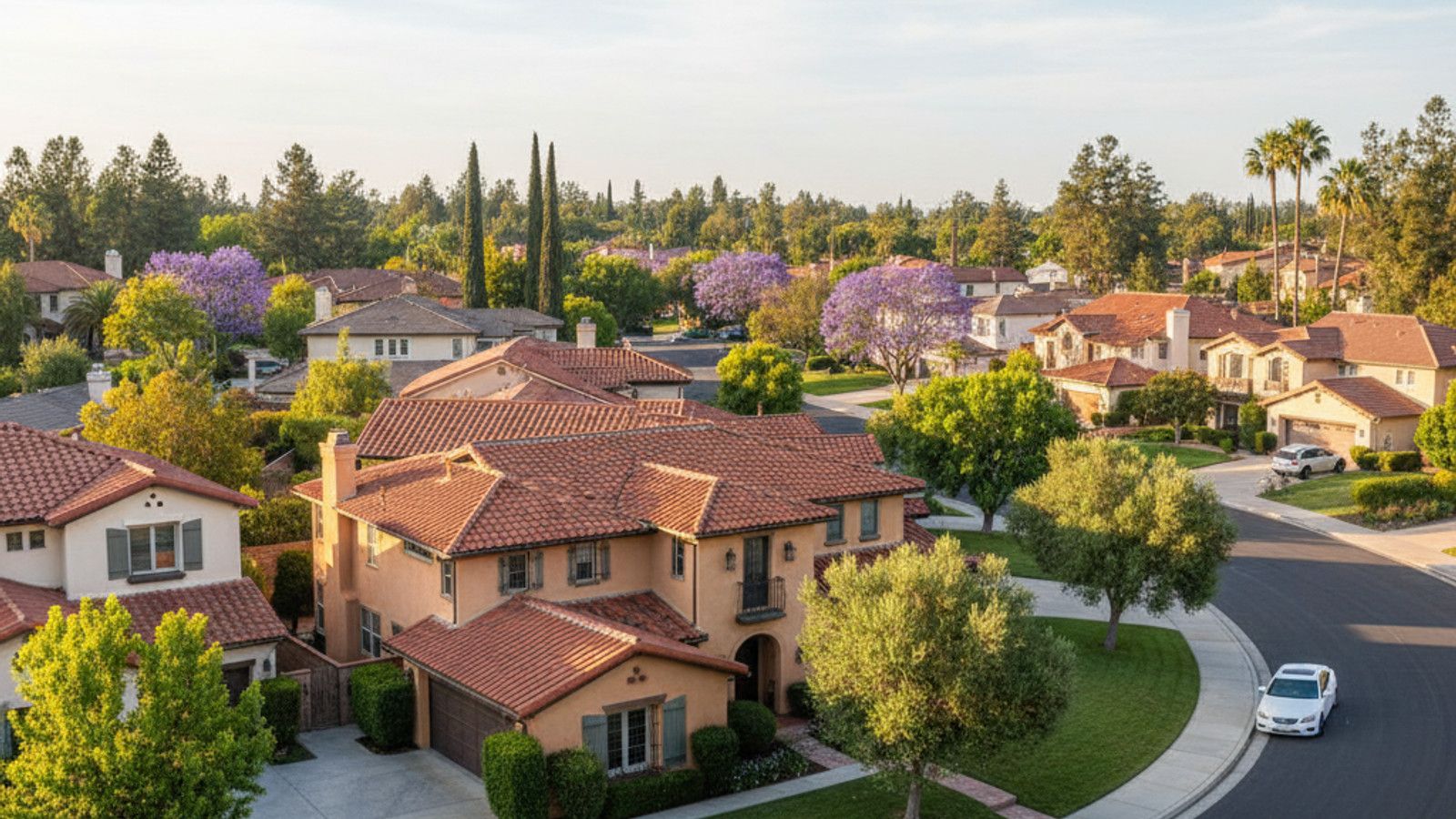
The median home price in Riverside, CA hovers around $630,000 this year. When a homeowner sells a property at that price point, the final payout involves a specific set of fees, taxes, and commissions.
These expenses reduce the total cash a seller walks away with after the transaction closes. Understanding exactly what seller closing costs in Riverside, CA entail helps homeowners budget for their next move.
Many sellers focus entirely on the listing price while overlooking the backend expenses of the transaction. Knowing the standard local deductions prevents unwanted surprises when the final settlement statement arrives.
What Sellers Pay on Average
Homeowners in California generally pay between 6% and 8% of the final purchase price in closing expenses. A standard $630,000 home sale in the Inland Empire translates to roughly $37,800 to $50,400 in total deductions.
The largest portion of this total comes from real estate agent commissions. The remaining amount covers escrow fees, title insurance, and local government transfer taxes required to legally change ownership.
These figures represent gross averages across the region. The exact total always depends on the negotiated commission rates and the final recorded sale price of the property.
Market conditions also influence how much a seller ultimately pays at the closing table. In a slower market, sellers sometimes agree to cover a portion of the buyer's closing costs, which pushes the total seller expense toward the higher end of that 8% range.
Where the Money Goes During Escrow
Real estate agent commissions form the bulk of the expenses deducted from the seller's proceeds. The average commission rate in Riverside for 2026 sits around 5.47% of the sale price.
Beyond commissions, several standard services require payment before the transaction closes. The most common deductions include:
-
Title insurance: Sellers typically buy the owner's policy to protect the buyer from past title defects.
-
Escrow fees: This covers the neutral third party managing the funds and documents.
-
Prorated property taxes: Sellers must pay their share of the annual tax bill up to the closing date.
-
Mortgage payoff: Any outstanding loan balance gets cleared directly from the sale proceeds.
-
Homeowner association dues: Sellers with properties in an HOA must cover any transfer fees and prorated monthly assessments.
These line items appear on the final settlement statement provided by the escrow officer. Reviewing this document ensures all charges match the initial estimates provided at the start of the sale.
Sellers also occasionally pay for localized requirements like natural hazard disclosure reports. These reports inform the buyer about local flood zones or fire risks and typically cost around $100 to $150.
Riverside County and City Transfer Taxes
The State of California allows local governments to levy a documentary transfer tax whenever real property changes ownership. Riverside County charges a baseline rate of $1.10 per $1,000 of the final sale price.
Properties located within the incorporated city limits face an additional local tax. The City of Riverside adds another $1.10 per $1,000, bringing the combined total to $2.20 per $1,000.
A home selling for $500,000 inside the city limits generates a total transfer tax bill of $1,100. Local real estate customs dictate that the seller pays these taxes at closing.
This tax is calculated based on new money changing hands, meaning assumed loans are exempt from the calculation. The escrow company automatically calculates this figure and remits the payment to the county recorder's office.
How Expenses Are Split Between Buyer and Seller
Every fee in a real estate transaction is technically open to negotiation. However, the Inland Empire market operates on established customs that dictate who normally pays for specific services.
Sellers routinely pay for the owner's title insurance policy and the local transfer taxes. Buyers generally cover their own loan origination fees, appraisal costs, and property inspections.
Escrow charges are treated differently depending on the region. In Southern California, buyers and sellers typically split the escrow company's base fee straight down the middle.
This 50/50 escrow split differs from Northern California, where buyers often cover the entire escrow fee. Sellers relocating out of the area should review these local splits carefully so they understand exactly what they are funding.
Calculating Your Final Take-Home Pay
Finding your net proceeds requires subtracting all transaction expenses from the agreed-upon purchase price. You start by deducting your exact outstanding mortgage balance and any prorated property taxes owed to the county.
Next, subtract the real estate agent commissions, which usually account for the largest single deduction. You then factor in the $2.20 per $1,000 Riverside transfer tax alongside an estimated $1,500 to $2,000 for your share of title and escrow fees.
A local closing cost calculator can provide a rough baseline for these figures. Sellers should ask their real estate agent for a detailed net sheet to see a precise estimate based on their specific property.
This net sheet updates whenever you receive a new offer on the house. Tracking these exact numbers helps sellers evaluate whether a specific offer provides enough cash to fund their next home purchase.
Common Questions About Seller Fees
Are seller closing costs tax deductible in California?
These expenses are not standard deductions, but they do reduce your taxable capital gain. You subtract items like transfer taxes and agent commissions from the final sale price to determine your realized profit. This lower profit margin can reduce the capital gains taxes owed to the IRS.
Who pays the real estate commission in Riverside?
Sellers pay their own listing agent directly from the escrow funds. Under current 2026 rules, buyers are responsible for their agent's compensation, though sellers can offer a closing concession to cover that amount. This setup gives both parties room to negotiate during the initial offer phase.
Can sellers roll closing costs into the buyer's loan?
Sellers cannot add their own fees to the buyer's mortgage balance. However, a seller can offer a specific dollar amount in closing cost credits to the buyer. The buyer then uses those credits to offset their own loan origination fees and out-of-pocket expenses.
Categories
Recent Posts