Comparing the Real Estate Markets of Santa Ana vs Irvine, CA in 2026
Orange County's overall median home price reached approximately $1,271,413 by mid-2026, with properties selling in an average of 40 days. If you're searching for the best neighborhoods in Orange County, CA, you've probably already noticed that two cities sitting right next to each other can feel like completely different markets.
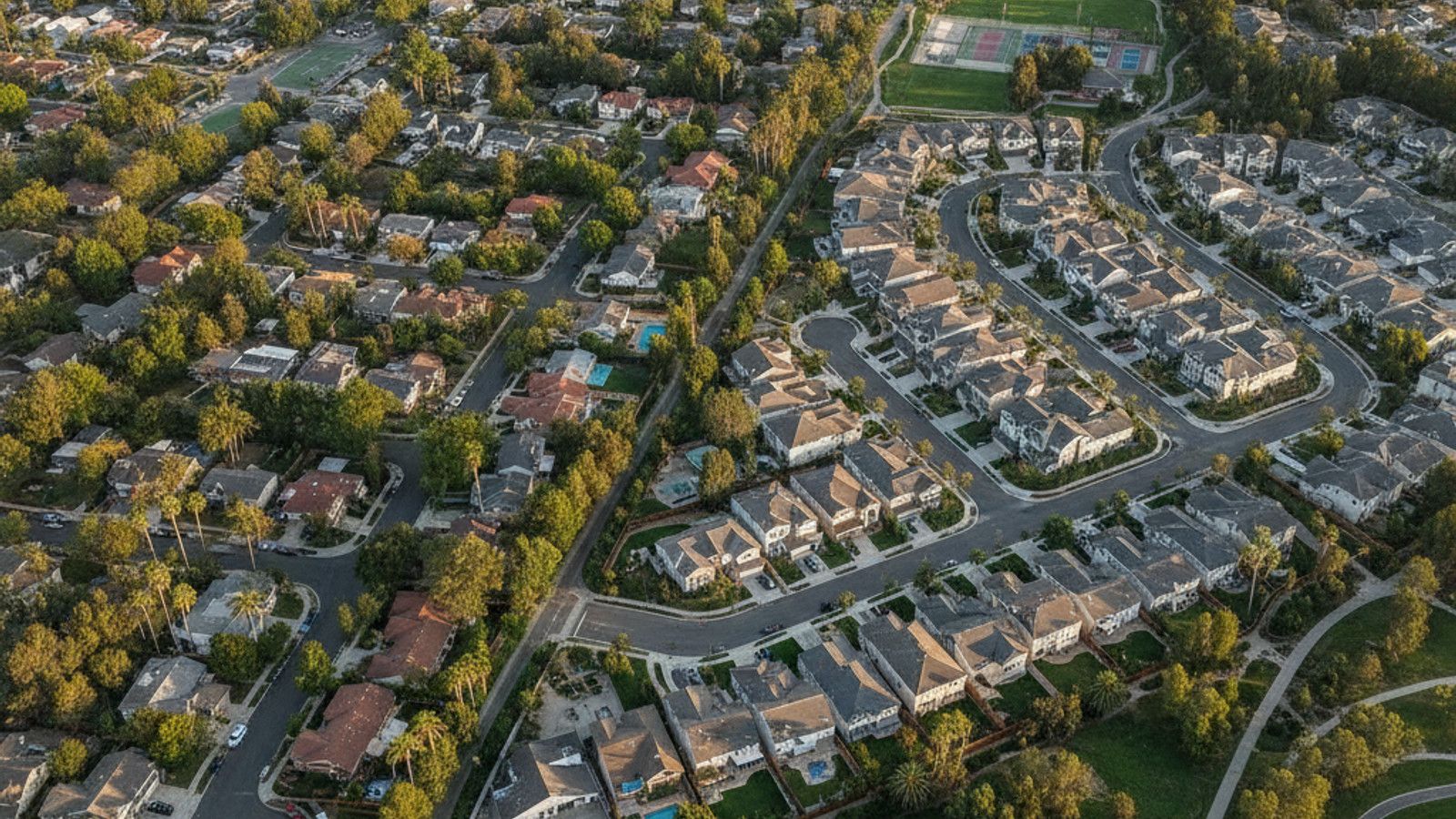
That's exactly the situation with Santa Ana, CA and Irvine, CA. They share a border, but one has century-old architecture and independent neighborhood streets, and the other is built from the ground up around modern, master-planned villages with community associations governing nearly everything. The price difference alone runs into the hundreds of thousands - and that's before you factor in what you'll owe every month after closing.
Orange County Real Estate Market Dynamics
As of mid-2026, Orange County is sitting at about 5,957 active listings with 2.8 months of supply - tight by any measure. When you drill into Santa Ana and Irvine specifically, you'll find the inventory levels and days-on-market numbers tell two different stories.
Both cities are competitive. Neither is a buyer's paradise right now. But knowing the local constraints going in will save you a lot of frustration.
Housing Trends in Santa Ana
Santa Ana carried approximately 407 active listings by mid-2026, with a median asking price hovering around $799,000. That's a meaningful discount compared to the broader county average.
Days on market range from 47 to 83 depending on the month - which is a wide spread, and worth paying attention to. Redfin data from late 2025 showed properties moving in around 55 days, so the current pace is roughly consistent with where things were heading into the year.
Housing Trends in Irvine
Irvine had somewhere between 650 and 820 active listings in mid-2026 - more than Santa Ana on paper, but with only 1.17 months of supply, the demand absorption is intense.
Homes are selling in about 42 to 55 days this year. That's considerably faster than the 73-day average recorded in late 2025, which tells you sellers here have sustained real momentum heading into the back half of the year.
Home Prices, Taxes, and HOA Fees
Irvine's median home price runs between $1.5 million and $1.65 million in 2026, varying by village and property type. A May 2026 local MLS report put Santa Ana's median sale price at $892,500. So you're looking at a gap of roughly $600,000 to $750,000 between the two cities.
That gap doesn't stop at the purchase price, though. What you'll owe each month after closing looks very different depending on which side of that border you buy on, and it has a lot to do with how each city was built.
Santa Ana's median effective property tax rate sits at about 1.20%, producing a median annual bill of roughly $4,246. Because the city is dominated by older, non-planned single-family neighborhoods, very few communities carry HOA fees at all.
Irvine is a different picture. Base property tax rates run 1.03% to 1.11%, but Mello-Roos special taxes push the total effective rate higher - in areas like Great Park, effective rates can reach around 1.55%, and the median annual tax bill in Irvine comes to approximately $9,230.
Then there are HOA dues, which are standard across Irvine's master-planned communities. Single-family home associations typically charge $75 to $400 per month. Condo and townhome owners can expect anywhere from $300 to over $900 monthly. None of that is optional.
Comparing Property Styles and Community Layouts
The architectural character of these two cities is a direct reflection of when they were built - and that shapes every showing you'll go on.
Search data doesn't break down single-family versus multi-family percentages precisely for either city, but the neighborhood layouts make the differences obvious on the ground. What you'll see on a typical tour depends entirely on which city you're in.
Single-Family and Historic Homes in Santa Ana
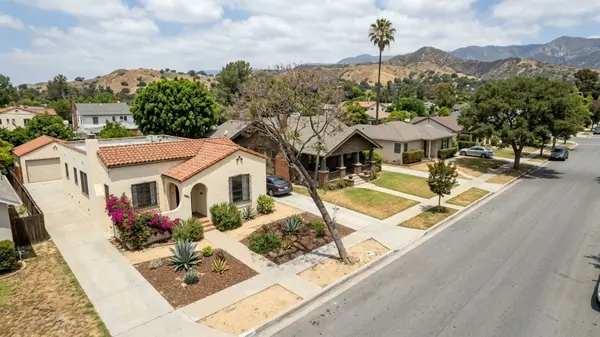
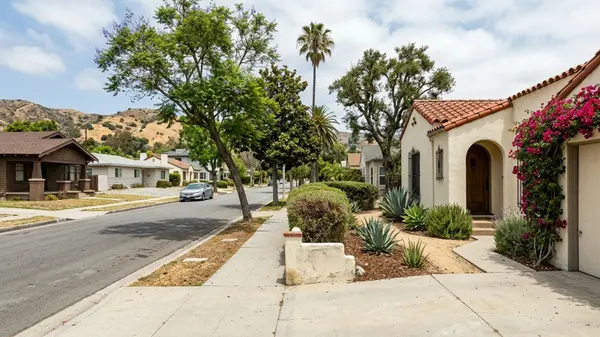
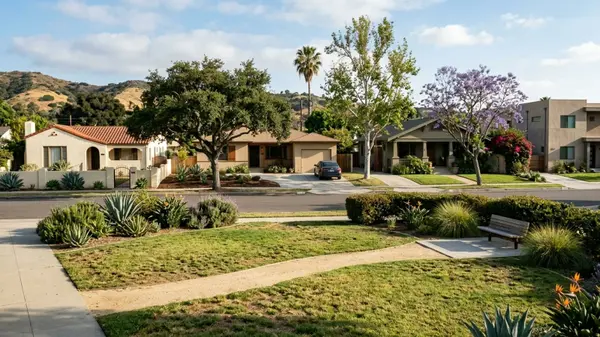
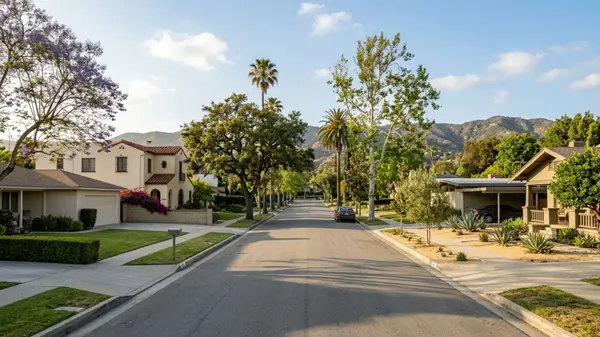
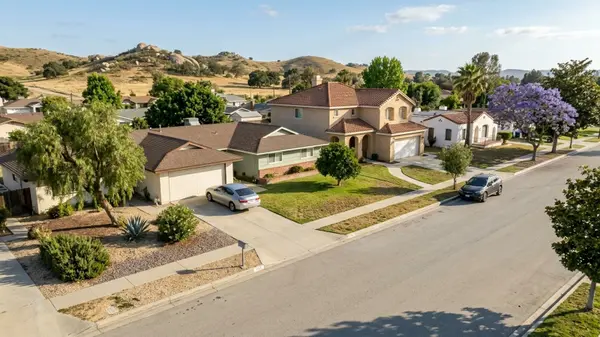
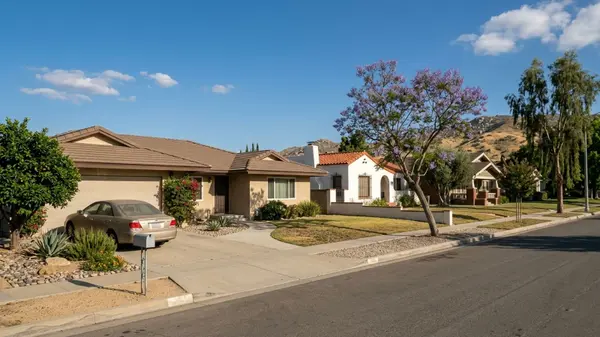
Santa Ana's residential fabric is older, established, and largely single-family. Neighborhoods like Floral Park and Park Santiago carry architectural styles that go back decades, with independent lots and mature trees that newer communities simply can't replicate.
Condominiums exist in Santa Ana, but they're concentrated downtown. The rest of the city reads like a traditional neighborhood - your yard, your lot, no one telling you what color to paint your fence.
Master-Planned Villages in Irvine
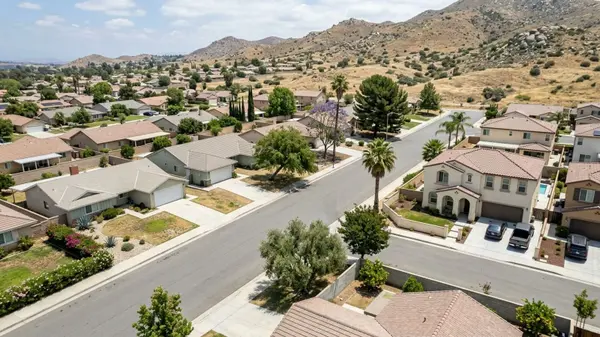
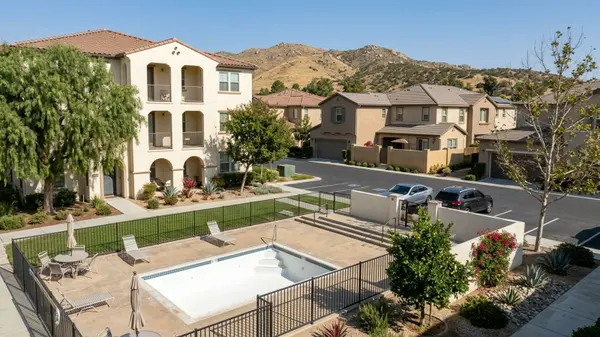
Irvine was designed from scratch around master-planned villages like Woodbridge and the newer Great Park Neighborhoods. Condos and townhomes make up a substantial share of the inventory here, built alongside modern single-family houses within each village.
Within any given village, the design is intentionally cohesive - shared recreational facilities, consistent aesthetic standards, and integrated amenities are the whole point. If newer construction and community infrastructure matter to you, this is where your search belongs.
Commutes, Transit, and Highway Access
The drive between Irvine and Santa Ana takes about 15 minutes, so if you're weighing one against the other for a job in either city, that part of the equation is essentially a wash.
Both cities connect directly to the I-5, 405, and 55 freeways. Irvine's overall mean travel time to work is approximately 25.7 minutes - close to what you'd see from Newport Beach or Costa Mesa. For public transit, the Santa Ana Regional Transportation Center and Irvine Station both offer direct Metrolink access. And if you travel for work, John Wayne Airport (SNA) is close to both cities, which most buyers underestimate as a practical advantage.
Frequently Asked Questions
What is the average home price difference between Santa Ana and Irvine in today's Orange County market?
The median price gap runs roughly $600,000 to $750,000 in 2026. Irvine's median sits between $1.5 million and $1.65 million; Santa Ana's median sale price is approximately $892,500.
How much higher are HOA fees and Mello-Roos taxes in Irvine compared to Santa Ana?
Substantially higher. Irvine condos often carry $300 to over $900 in monthly HOA dues, and Mello-Roos assessments can push effective tax rates to around 1.55%. Santa Ana has very few HOA-governed neighborhoods and an average effective tax rate of 1.20%.
If I buy a house on the border of Santa Ana and Irvine, how do I confirm which school district the property actually falls into?
Check the official boundary maps from the relevant school districts, then verify the specific address directly with the district office. Property lines near city borders can be complicated, and the map alone isn't always enough.
Does Santa Ana or Irvine offer faster long-term property value appreciation for real estate investors?
It depends on the specific neighborhood and property type. Orange County's overall median sale price grew 2.5% year-over-year by mid-2026, but localized appreciation in Santa Ana versus Irvine varies with demand and inventory at the neighborhood level.
If I want an older home with character and no HOA, should I focus my Orange County home search entirely on Santa Ana instead of Irvine?
Yes - Santa Ana is the right fit for that criteria. Historic neighborhoods like Floral Park and Park Santiago offer the character and independence you're describing. Irvine consists almost entirely of newer master-planned villages where association dues are standard.
Which city provides a more central commute to major Orange County, CA employers and beaches?
Both do. The I-5, 405, and 55 freeways run through or alongside both cities. Irvine's mean commute to work is about 25.7 minutes, and the drive between Santa Ana and Irvine itself runs roughly 15 minutes - so either location gives you reasonable access to regional employers and the coast.
Categories
Recent Posts