Navigating the 2026 Market: An Irvine Orange County, CA Area Guide
The real estate landscape in Southern California continues to evolve, and finding the right location requires an understanding of hyper-local market dynamics. Buyers looking at the 2026 housing inventory need more than just a list of active listings to make an informed decision. Navigating the current environment means understanding how specific community structures impact long-term property values and daily logistics.
Located strategically in the heart of the region, this 66-square-mile city operates differently than organically grown municipalities. The local market moves quickly - with highly constrained inventory forcing buyers to act decisively. Understanding the nuances of property taxes, association fees, and neighborhood borders is essential before writing an offer.
Unlike neighboring cities such as Anaheim or Huntington Beach, the residential layout here was meticulously designed from the ground up. This central location provides a structured, predictable environment that appeals heavily to real estate investors and relocating professionals. Purchasing a home here means buying into a highly regulated, premium infrastructure.
The presence of the University of California, Irvine adds another layer of stability to the local housing market. Faculty, staff, and graduate students create a constant demand for housing near the campus. This institutional anchor ensures that the surrounding neighborhoods maintain strong property values regardless of broader market shifts.
Living in Irvine: A Master-Planned Community Approach
The foundational design of this city revolves around a strict master-planned structure divided into distinct geographic zones known as villages. Each of these villages operates as a semi-independent hub, built around its own dedicated commercial centers, retail plazas, and educational facilities. This deliberate layout ensures that residents have immediate access to daily necessities without needing to cross major transit corridors.
Strict architectural consistency and zoning regulations are governed by robust local homeowners associations. These governing bodies dictate everything from exterior paint colors to landscaping standards, ensuring a uniform aesthetic throughout the residential tracts. While some buyers find these rules restrictive, they prevent the neighborhood degradation often seen in older, unregulated suburban tracts.
Geographic positioning also plays a major role in the appeal of the area, providing a buffer from the densest urban centers while maintaining coastal access. Residents enjoy immediate proximity to upscale coastal hubs like Newport Beach, allowing for easy weekend trips to the Pacific Ocean. The strict master-planned environment effectively preserves long-term property values, making the high carrying costs a worthwhile trade-off for protecting your real estate investment.
Each village center is meticulously curated to include grocery stores, medical offices, and dining options. This design drastically reduces traffic congestion by keeping daily errands localized to the immediate neighborhood. Residents rarely need to leave their specific village for basic services, creating a highly efficient lifestyle.
Major Villages, Property Types, and 2026 Home Prices
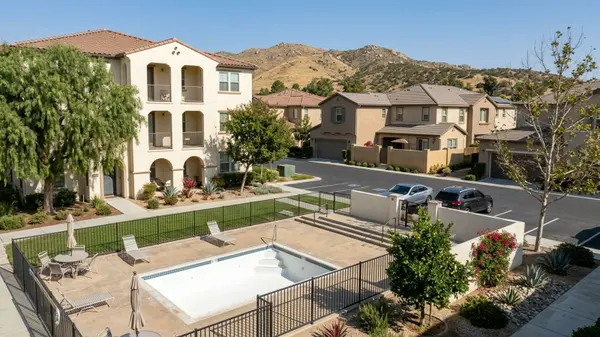
The current housing inventory offers a diverse mix of property types to accommodate different investment levels. Options range from dense, attached condominiums in the urban core to sprawling single-family estates situated in gated enclaves like Shady Canyon. The physical age of the village heavily dictates the available floor plans, with newer construction favoring open-concept layouts and zero-lot-line designs.
Older, established villages often feature lower tax liabilities, while newer developments typically carry complex layers of master and sub-association fees. Buyers must account for Mello-Roos assessments in newer areas, which fund local infrastructure like roads and schools. These special tax districts can significantly impact the total monthly payment, sometimes adding hundreds of dollars to the carrying cost.
As of April 2026, the overall median home price sits at approximately $1,600,000. Specific pricing varies by location, with Woodbridge properties trading around $1,200,000, while homes in Woodbury and Quail Hill range from $1,500,000 to $1,600,000. Buyers should prepare for aggressive negotiations and anticipate monthly HOA fees ranging widely from $250 to over $500.
A highly constrained 1.17 months of active supply currently dictates the pace of the market. Multiple-offer scenarios remain common for turnkey properties, forcing buyers to waive contingencies or offer above the asking price. Securing a home in this climate requires a fully underwritten loan approval and a willingness to move immediately when a suitable property hits the MLS.
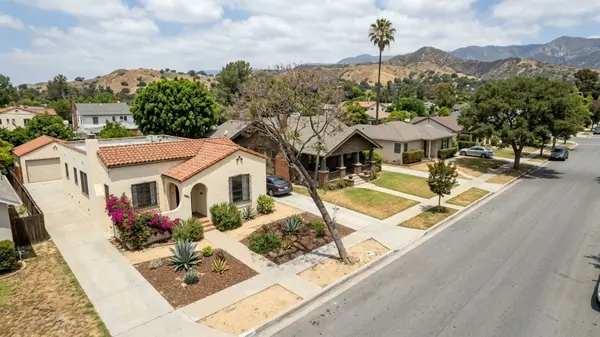
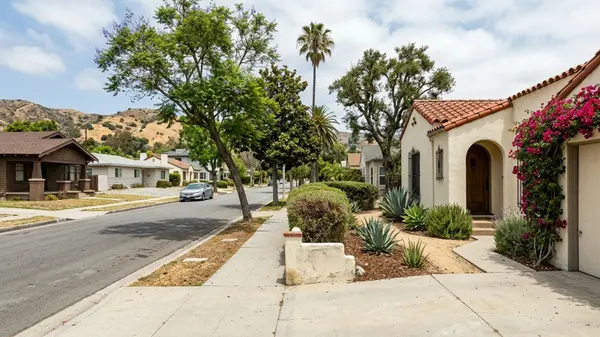
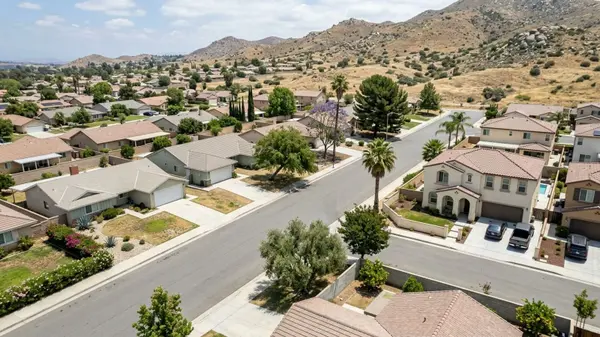
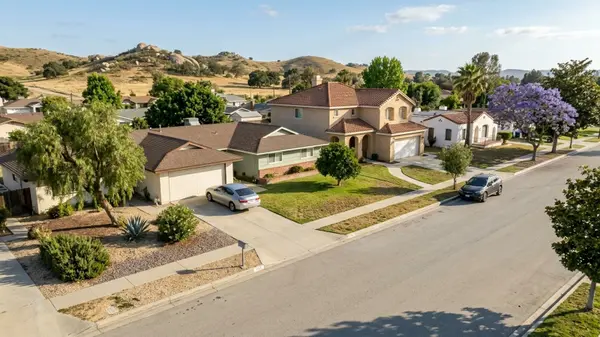
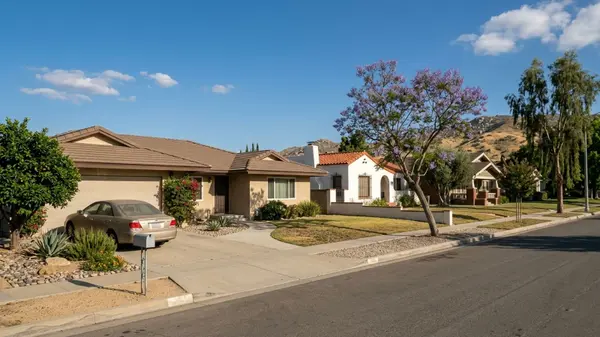
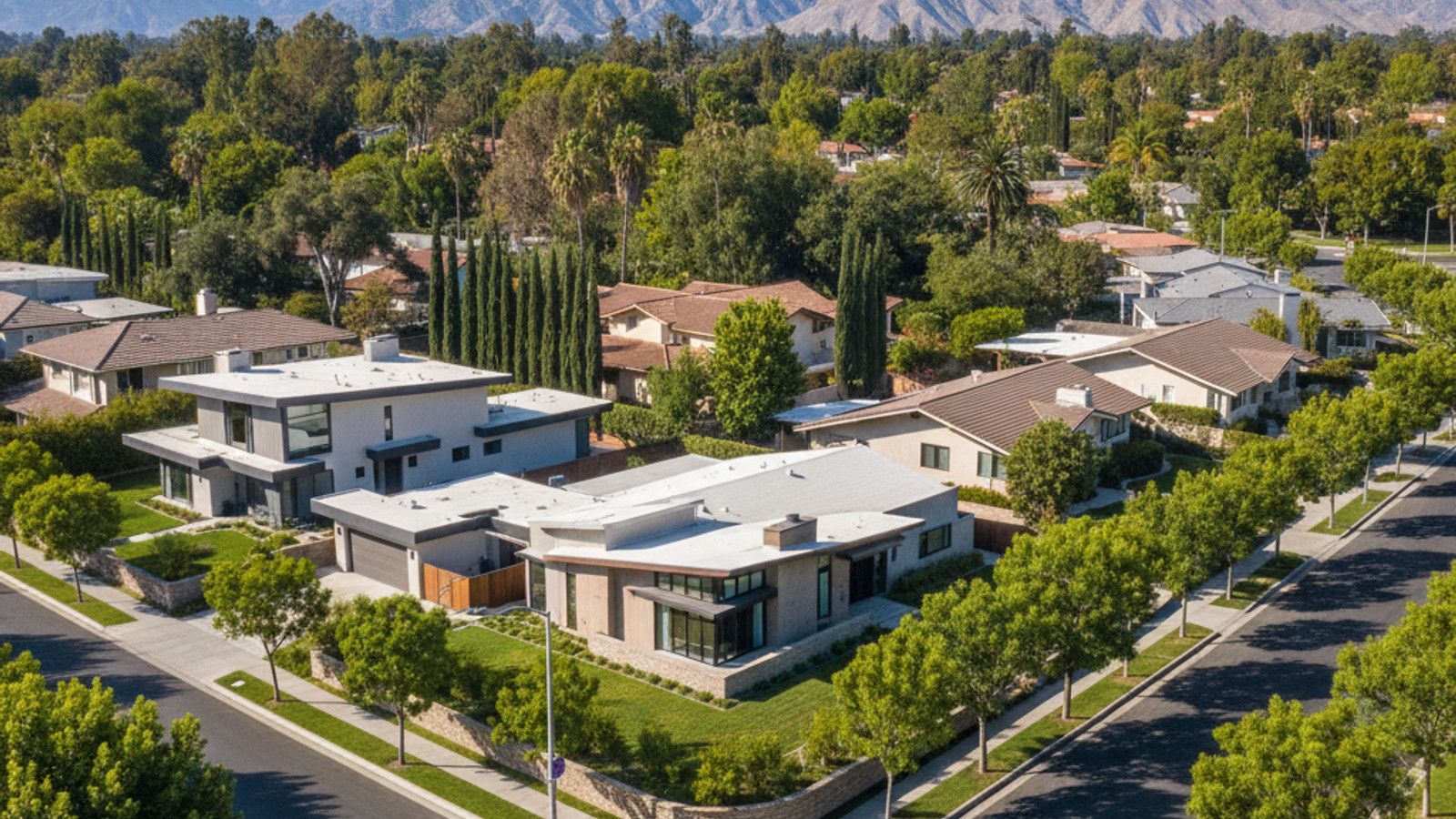
Architectural styles vary significantly depending on the era of the village's construction. Older tracts lean heavily into traditional California ranch and Spanish colonial designs, featuring wider streets and larger lot sizes. Conversely, modern developments maximize square footage with contemporary, multi-level structures designed for high-density living.
Local Economy, Major Employers, and Commute Logistics
A robust local economy anchors the regional housing market, heavily supported by the technology sector, higher education, and corporate headquarters. The city operates as a primary economic engine for Orange County, drawing highly skilled labor from across Southern California. This deep employment pool provides a stable foundation for the real estate market, shielding it from minor economic fluctuations.
Daily commute routes heavily utilize major transit corridors like the I-405, I-5, and SR-133 freeways. Travel times to surrounding Orange County and Los Angeles employment centers vary based on peak traffic hours, but the central location provides multiple alternate routes. Many residents prioritize buying within specific villages to minimize their daily drive to these corporate centers.
The city features massive employment hubs, specifically the Irvine Spectrum Center and the Irvine Business Complex. These commercial districts draw thousands of professionals daily, creating a massive daytime population shift. Beyond office space, these centers host a thriving culinary scene, upscale shopping, and numerous coffeehouses that support the daily workforce.
The Irvine Spectrum Center also serves as the primary hub for local nightlife and entertainment. After business hours, the complex transitions into a bustling destination featuring upscale restaurants, a comedy club, and a massive outdoor retail promenade. This centralized entertainment district provides a vibrant social scene without disrupting the quiet residential villages.
This hyper-local job concentration sustains real estate demand consistently, even when broader macroeconomic trends begin to cool.
Overview of the Irvine Unified School District
Public education zoning directly impacts housing demand and property values throughout the city limits. The Irvine Unified School District operates numerous campuses, with specific geographic boundaries dictating attendance for each residential village. These strict zoning lines mean that a home located just one street over can carry a vastly different market premium.
The physical infrastructure of these educational facilities rivals many private institutions, featuring modern technology centers and expansive athletic fields. The district continually invests in facility upgrades, maintaining the high standards expected by local property owners. This commitment to educational infrastructure is a primary driver of the premium real estate pricing seen across the city.
Notable high school campuses like University High School, Northwood High School, and Portola High School serve as major anchors for their respective community zones. Specialized academic programming at these facilities drives intense buyer competition for properties located within their specific boundaries. Buyers must meticulously verify exact attendance boundaries during the escrow period, as district borders occasionally shift to accommodate new development.
Properties zoned for the most competitive high schools consistently command a premium on the open market. Sellers in these specific tracts rarely struggle to find qualified buyers, even during periods of higher interest rates. This educational premium acts as a built-in equity protector for homeowners willing to pay the initial entry price.
Recreational Amenities and Outdoor Living
The sheer scale of local parklands and continuous development of green spaces defines the outdoor experience within the city limits. An extensive network of paved bicycle trails connects residential villages directly to commercial centers, allowing for off-street transit across town. These dedicated paths provide miles of uninterrupted space for cycling, running, and navigating the city without a vehicle.
Major regional destinations like the Orange County Great Park and William R. Mason Regional Park offer massive recreational facilities available year-round. These spaces feature professional-grade sports complexes, extensive hiking trails, and large-scale event venues. The recent expansions at the Great Park continue to add value to the surrounding residential tracts.
Entertainment and recreation extend beyond traditional parks, with facilities like the Wild Rivers water park providing seasonal attractions. The local topography also allows for quick access to the great outdoors, with rugged hiking trails winding through the coastal foothills. The high density of these meticulously maintained community amenities helps justify the higher-than-average local HOA fees required to fund them.
The sports facilities located within the Great Park draw regional tournaments and athletic events throughout the year. Featuring a massive ice facility, professional soccer fields, and baseball diamonds, the complex is a major asset for local athletes. Living in close proximity to these venues is a major selling point for buyers focused on recreational access.
Frequently Asked Questions About Irvine Real Estate
What is the true cost of HOA fees in Irvine?
Buyers must account for layered homeowners association dues, which often include both a master association and a neighborhood sub-association. These combined fees typically range from $250 to over $500 per month depending on the specific amenities provided. When combined with local Mello-Roos taxes, these fixed carrying costs require careful monthly budgeting.
Which Irvine villages do not have Mello-Roos assessments?
Older, established communities built before the 1980s generally do not carry Mello-Roos special tax assessments. Villages like Woodbridge and Turtle Rock offer buyers an opportunity to purchase property without this additional tax burden. Avoiding these assessments can save a homeowner hundreds of dollars on their monthly property tax bill.
Are housing prices dropping in Irvine in 2026?
Prices are not dropping in the current market due to a severe inventory shortage across all property types. With only 1.17 months of active supply available, the median home price remains firmly positioned at approximately $1,600,000. Buyer demand continues to outpace the number of new listings hitting the market this spring.
Categories
Recent Posts