Moving to California: The Ultimate Anaheim Orange County CA Area Guide for 2026
Navigating the Southern California housing landscape requires a clear understanding of local markets, and this Anaheim Orange County CA area guide offers exactly that for 2026. Situated strategically between Los Angeles and the southern coastal cities, Anaheim operates as a major economic and cultural anchor. People live in Anaheim because it provides a dynamic mix of housing options, ranging from dense urban condos near Downtown Anaheim to sprawling hillside estates.
Relocating to this part of California means evaluating diverse neighborhoods, commute routes, and local amenities. Buyers exploring the region will find a mature infrastructure that supports massive entertainment venues, expansive parks, and significant employment hubs. Understanding the current property values and transit networks is essential for making an informed real estate decision in this highly active market.
Anaheim CA Real Estate Market Trends and Property Types
The 2026 real estate landscape in Anaheim reflects a highly active environment with sustained demand across all property sectors. Buyers entering the market today will find that the overall median listing price hovers around $1,090,000. This price point positions the city as a relatively accessible option compared to the premium coastal enclaves of Orange County.
Inventory across the city includes a broad spectrum of architectural styles and property types. Buyers can choose from established mid-century builds, modern high-density developments, and expansive luxury properties. The varied housing stock ensures that individuals and investors can find properties that align with their specific financial parameters.
Single-Family Homes vs. Condos and Townhomes
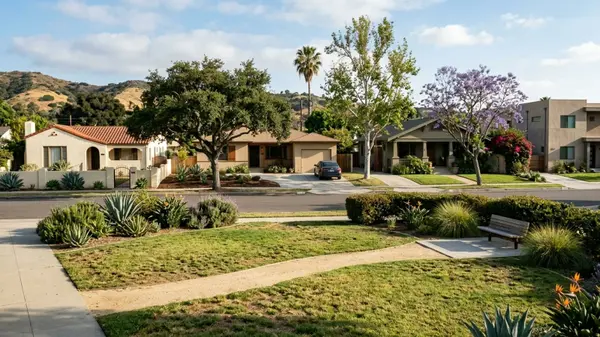
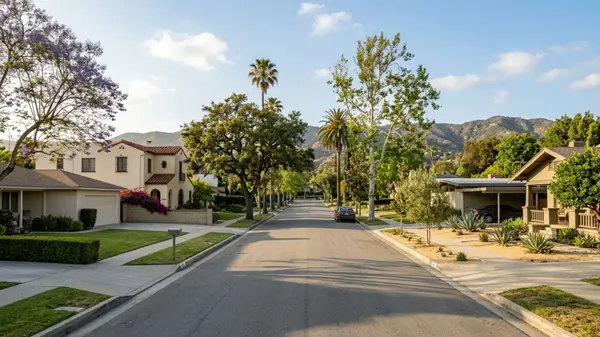
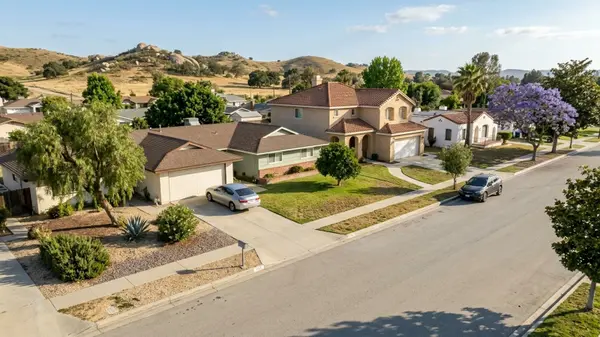
Detached single-family homes form the backbone of the local housing market, offering traditional lot sizes and private yards. These properties command higher price points and are distributed throughout the city's established residential tracts. Buyers seeking more space often prioritize these classic suburban layouts.
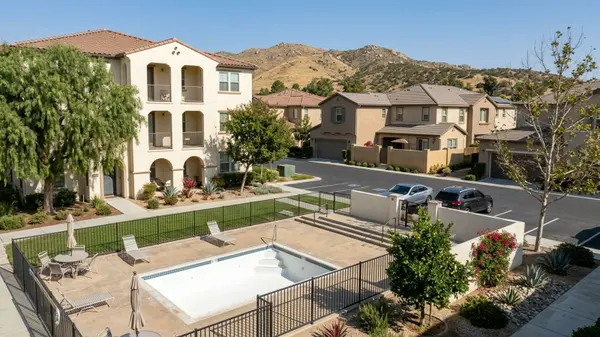
Conversely, condos and townhomes provide a lower entry point, typically ranging between $600,000 and $800,000 depending on the specific location. These attached properties are heavily concentrated in denser areas like the Platinum Triangle, which features modern amenities and structured parking. Buyers should factor in monthly HOA fees, which generally cover exterior maintenance, shared amenities, and common area insurance.
Neighborhood Breakdown: Anaheim Hills vs. West Anaheim
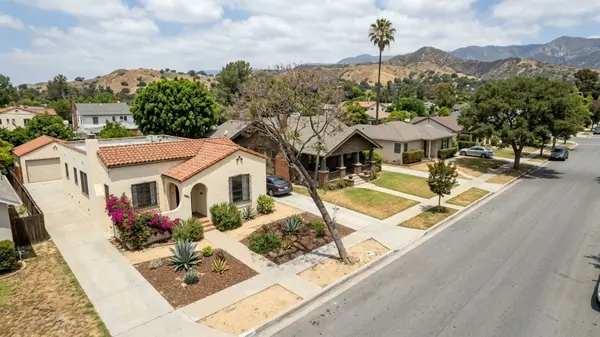
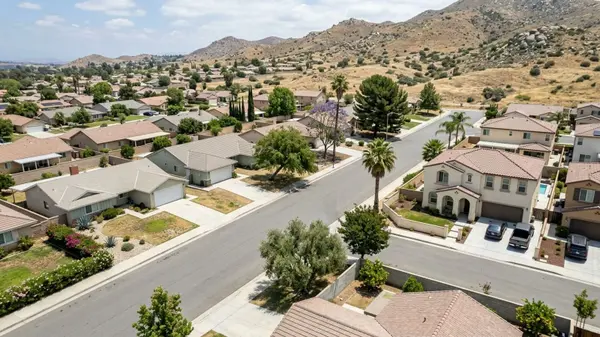
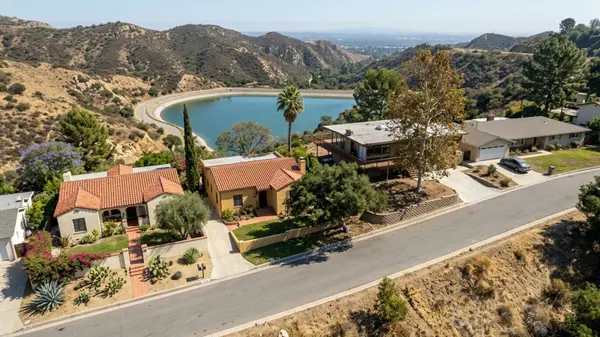
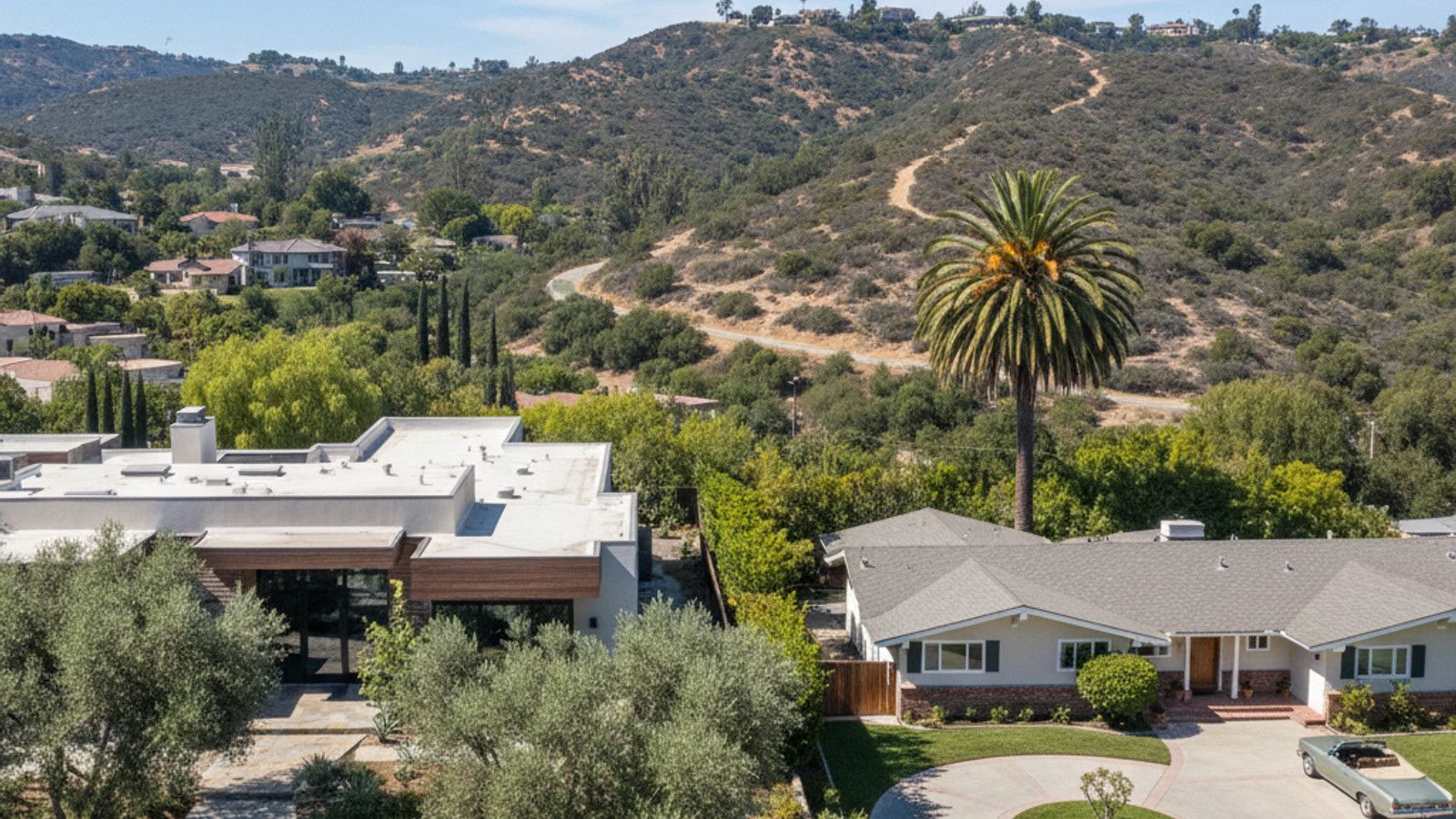
Anaheim Hills represents the city's premium housing sector, characterized by higher elevations, larger lot sizes, and stunning views. In early 2026, this eastern neighborhood boasts a median home price of approximately $1,100,000 to $1,200,000. The luxurious homes in this area often feature custom designs and proximity to expansive nature trails.
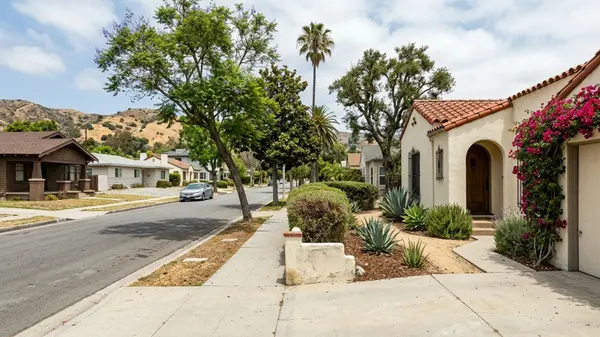
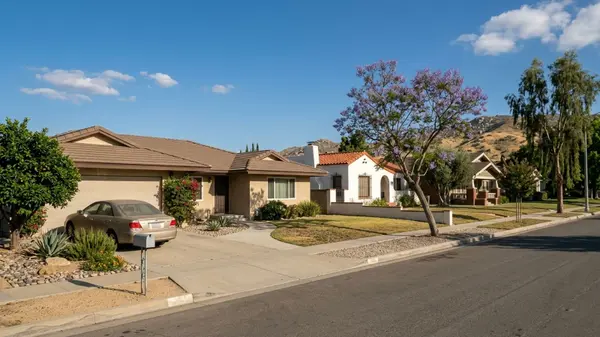
West Anaheim offers a distinct contrast with its denser, urban-suburban mix and closer proximity to major commercial corridors. Property values here tend to be more approachable, and the housing stock consists largely of mid-century single-family homes and established apartment complexes. This area provides immediate access to daily conveniences and shorter drives to neighboring Los Angeles County.
Anaheim CA Public Transportation and Commute Times
Efficient mobility is a critical factor for anyone buying property in Southern California, and Anaheim features a robust transportation network. The city is crisscrossed by major controlled-access highways that facilitate travel throughout the broader region. Residents benefit from a central location that connects the inland valleys with coastal employment centers.
Average commute times to major job hubs like Irvine or downtown Los Angeles typically range from 30 to 45 minutes, depending heavily on daily traffic conditions. The local infrastructure supports both dedicated drivers and those who prefer mass transit. This dual approach to regional mobility helps mitigate the famous Southern California gridlock.
Access to the I-5, SR-57, and SR-91 Freeways
The I-5, known locally as the Santa Ana Freeway, serves as the primary north-south artery connecting residents directly to Los Angeles and southern Orange County. This massive corridor handles the bulk of regional commuter traffic and freight. Property values often reflect proximity to these vital on-ramps.
For alternative routes, the SR-57 provides essential north-south travel toward the San Gabriel Valley, while the SR-91 offers critical east-west access toward the Inland Empire. Navigating these three major freeways is a daily reality for most locals. Buyers frequently map their workplace commutes against these specific highway access points before finalizing a home purchase.
The Anaheim Regional Transportation Intermodal Center (ARTIC)
Located prominently along Katella Avenue near the Honda Center, ARTIC serves as the premier transportation hub for the area. The facility continues its role in 2026 as a major Southern California transit center, serving over 200,000 Amtrak Pacific Surfliner passengers annually. Its striking architecture makes it a recognizable landmark.
The hub provides seamless connections between the Amtrak lines, the regional Metrolink commuter trains, and the local OCTA bus system. Residents utilizing public transit rely on ARTIC to bypass freeway traffic entirely. The station also offers dining and ticketing amenities that streamline the daily commuter experience.
Anaheim Union High School District and Local Schools
Public education access is a primary consideration for many property buyers evaluating the local market. Anaheim features a bifurcated public school system that divides administrative responsibilities by grade level. The Anaheim Elementary School District manages campuses for students in kindergarten through sixth grade.
Older students transition into the Anaheim Union High School District, which oversees instruction for grades seven through twelve. Looking at the 2025-2026 academic year, these districts manage a massive enrollment base across dozens of specialized campuses. The sheer scale of the districts allows for diverse academic programs and extracurricular facilities.
Beyond the K-12 system, the city is geographically positioned near several notable higher education institutions. Fullerton College sits just to the north, offering comprehensive two-year degree programs and transfer pathways. Chapman University in the nearby City of Orange provides prestigious undergraduate and graduate degree options within a short drive.
Anaheim CA Parks, Recreation, and the Anaheim Packing District
The local lifestyle is defined by a unique balance of massive urban entertainment complexes and accessible outdoor recreational spaces. Anaheim is globally recognized as the home of the Disneyland Resort, which drives significant tourism and local economic activity. The surrounding Anaheim Resort district, which includes the massive Anaheim Convention Center, offers residents endless retail and dining options.
Beyond the theme parks, the city maintains numerous parks, shopping centers, and a vibrant nightlife scene. Buyers are often drawn to the sheer density of eateries and entertainment venues located within the city limits. The local infrastructure ensures that world-class amenities are never more than a short drive away.
Entertainment Venues: Honda Center and Angel Stadium
Angel Stadium stands as a major cultural anchor, serving as the home of Angels Baseball and hosting large-scale events throughout the year. The surrounding area, known as the Platinum Triangle, has seen explosive residential and commercial growth. This district blends high-density housing with immediate access to professional sports.
Just down the street, the Honda Center operates as the home arena for the NHL’s Anaheim Ducks. This massive indoor venue also attracts premier concert tours and international sporting events. The concentration of these entertainment venues drives local property demand among buyers seeking an active, urban lifestyle.
Outdoor Spaces and the Anaheim Packing District
For outdoor recreation, Yorba Regional Park offers expansive trails, lakes, and direct access to the Santa Ana River. Residents utilize this massive green space for cycling, picnicking, and weekend recreation. Further east, golfers can take advantage of the scenic courses nestled within the varied terrain of Anaheim Hills.
The culinary scene is anchored by the Anaheim Packing District, a repurposed historic citrus packing house from the 19th and early 20th centuries. Today, it operates as a bustling, chef-driven food hall featuring artisan eateries and craft beverage vendors. This venue highlights the city's ability to blend its agricultural history with modern dining trends.
Frequently Asked Questions About Living in Anaheim
What is the cost of living in Anaheim, CA?
The cost of living in this city is generally higher than the national average but remains competitive within Southern California. Housing is the largest expense, with median home prices sitting around $1,090,000 in 2026. Everyday expenses like groceries and utilities align closely with broader Orange County averages.
What are the best areas or neighborhoods in Orange County?
Orange County features diverse micro-markets, with coastal cities commanding the highest premium. Inland options like Anaheim Hills offer luxurious homes and large lots at a slightly more accessible price point than the immediate coast. Denser areas like the Platinum Triangle appeal to buyers seeking walkable access to transit and entertainment.
What salary do you need to live comfortably in Anaheim, California?
To comfortably afford the median home price of $1,090,000 in 2026, a household income exceeding $200,000 is typically recommended. This accounts for mortgage payments, property taxes, and standard living expenses. Buyers purchasing condos near the $600,000 range can manage with a proportionally lower household income.
Is public transit available in Anaheim?
Yes, the city offers comprehensive public transit anchored by the Anaheim Regional Transportation Intermodal Center. Residents can access OCTA buses, Metrolink commuter trains, and the Amtrak Pacific Surfliner. These services provide reliable alternatives to driving on the busy I-5 and SR-57 freeways.
Categories
Recent Posts