Exploring the Market: A Complete Santa Ana Orange County CA Area Guide for 2026
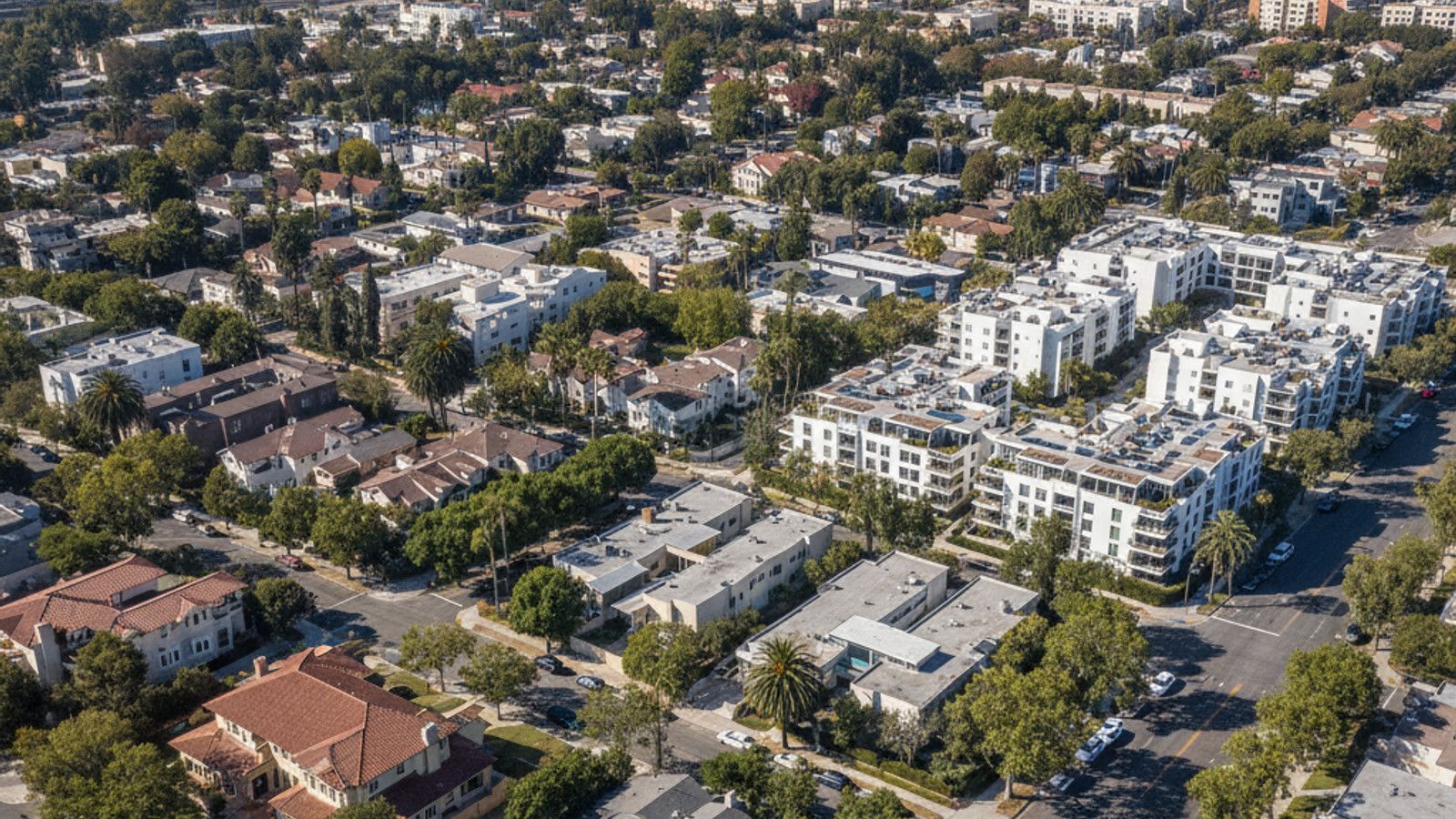
Santa Ana serves as the historic and administrative center of Orange County, offering a distinctly urban environment amid the broader suburban landscape of Southern California. Buyers looking at this region often find a vibrant mix of historic architecture, extensive civic infrastructure, and robust commercial districts. As the county seat, the city houses major government facilities like the county courthouse and operates as a primary employment hub.
Navigating the local housing landscape requires an understanding of its varied neighborhoods and transportation networks. Real estate here presents opportunities ranging from early twentieth-century estates to new construction condominiums near transit corridors. This guide examines the current 2026 market dynamics, local amenities, and infrastructure that define daily life in the city.
The geography of the city places it squarely in the center of the county, bordered by the Santa Ana River to the west. This location provides a relatively flat topography that historically supported vast agricultural operations before transitioning into the dense urban grid seen today. The Mediterranean climate ensures year-round accessibility to the numerous outdoor amenities scattered throughout the city limits.
Living in Santa Ana: The Heart of Orange County
The layout of Santa Ana provides a highly connected urban experience within Orange County. Residents have immediate access to major employment centers in neighboring cities like Irvine, Costa Mesa, and Anaheim. The downtown sector has evolved significantly, merging historic preservation with modern commercial development to create a highly walkable core.
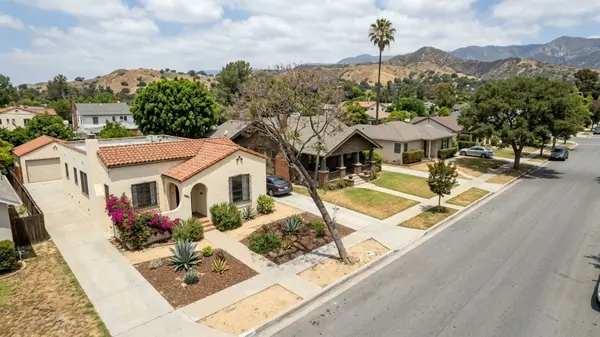
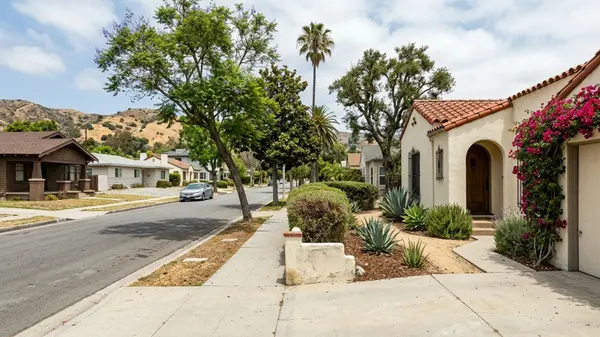
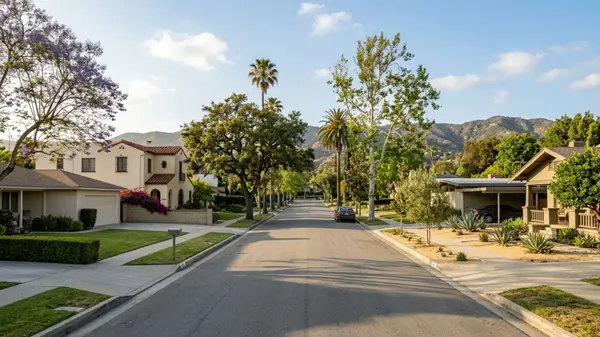
Historic neighborhoods surrounding the downtown area showcase some of the most meticulously preserved residential architecture in Southern California. Communities like French Park and Washington Square feature wide, tree-lined streets and homes with distinct architectural guidelines. Buying into these designated historic districts often involves specific preservation standards that protect property values over time.
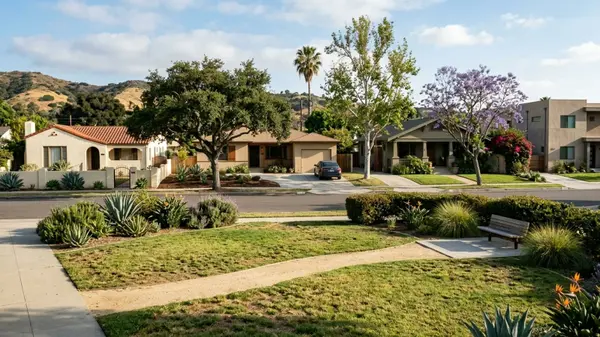
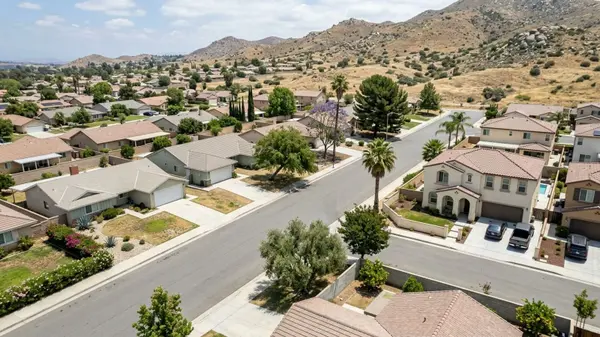
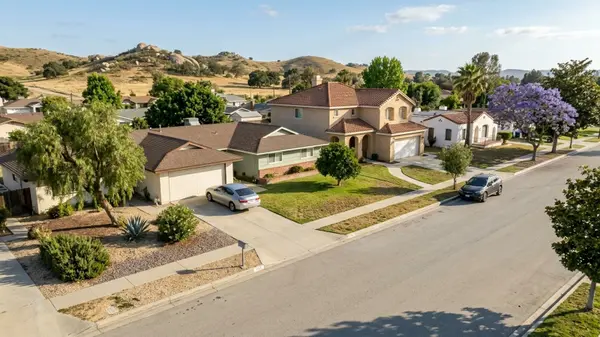
Beyond the historic zones, the city features a wide variety of housing tracts developed throughout the mid-century era. These neighborhoods offer traditional single-family layouts with standard lot sizes that appeal to buyers seeking private outdoor space. The dense integration of residential and commercial zoning means most residents live within a short distance of daily necessities.
Commercial corridors stretch along major thoroughfares like Main Street and Bristol Street, providing localized retail hubs for surrounding communities. This grid layout ensures that residential pockets remain insulated from heavy commercial traffic while still benefiting from nearby conveniences. The city continues to update its zoning policies to encourage mixed-use developments that blend retail spaces with upper-level housing.
Santa Ana CA Real Estate Market Trends and Median Home Prices
The housing market in Santa Ana remains highly active as we move through the spring of 2026. The median home price currently sits at approximately $803,000, representing a stabilizing trend after the rapid fluctuations seen in previous years. This price point often provides buyers with more square footage compared to coastal Orange County communities, making the city a strategic choice for those prioritizing space.
Property taxes are a crucial consideration for anyone purchasing a home in CA. Buyers in Santa Ana should anticipate an effective property tax rate ranging from 1.1% to 1.3% of the assessed home value. This rate includes standard county taxes along with local bonds and assessments that fund city services and infrastructure improvements.
Housing inventory spans a broad spectrum of property types and price tiers. The renowned Floral Park neighborhood commands premium pricing for its expansive historic estates and custom homes. Conversely, buyers looking for lower maintenance options will find numerous modern condo developments situated near major thoroughfares and commercial centers.
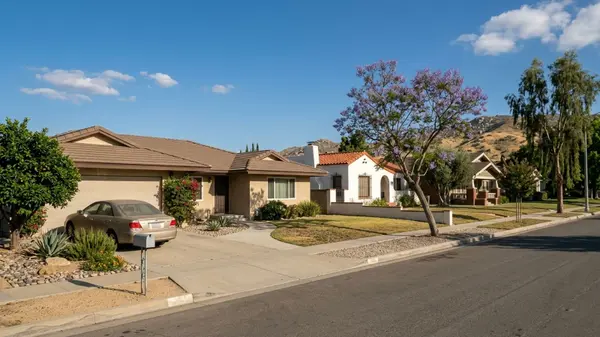
Mid-century modern designs and classic California bungalows dominate the established tracts built between 1940 and 1970. These properties often feature original hardwood floors, detached garages, and mature landscaping that cannot be replicated in newer suburban developments. Buyers interested in architectural preservation will find a highly active community dedicated to maintaining the aesthetic integrity of these classic homes.
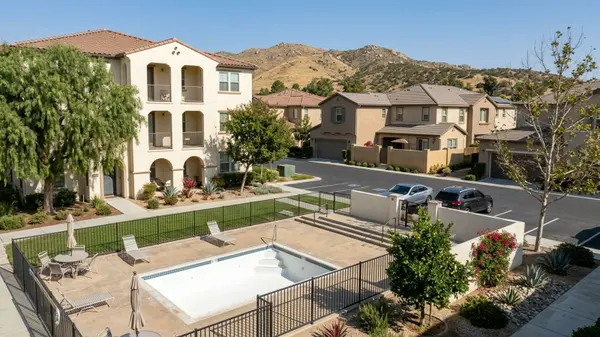
The condominium sector provides an entry point for buyers looking to establish equity within the city. Many of these attached developments offer centralized amenities like community pools, gated parking, and maintained green spaces. Association fees vary widely depending on the age of the complex and the level of services provided, making it essential to review these costs during the escrow period.
Santa Ana CA Public Transportation and Commute Times
Connectivity is a primary advantage of purchasing property in Santa Ana.
The city is bordered and intersected by three major Southern California freeways - the I-5, CA-55, and CA-22. This central positioning allows residents to navigate to regional employment hubs across Orange County and into Los Angeles with relative ease.
While freeway access is excellent, buyers should factor standard regional traffic patterns into their daily planning. The average one-way commute time for residents is approximately 25 to 30 minutes, depending on the specific destination and departure time. Proximity to these major arteries ensures that even longer trips remain straightforward.
Public transit and air travel infrastructure further enhance the mobility of local residents. The Orange County Transportation Authority operates extensive bus routes throughout the city, connecting to regional rail services at the local transit center. John Wayne Airport sits just minutes from the city limits, providing highly convenient access to national and international flights.
The Santa Ana Regional Transportation Center is a major architectural landmark that functions as a critical transit hub for the entire region. It provides direct access to the Metrolink and Amtrak Pacific Surfliner networks, facilitating stress-free rail travel along the Southern California coast. Commuters frequently utilize these rail options to bypass freeway congestion when traveling into downtown Los Angeles or south toward San Diego.
Active transportation infrastructure is also receiving significant municipal investment across the city. New dedicated bicycle lanes and widened pedestrian pathways are being integrated into major street improvement projects. These enhancements aim to reduce local vehicle reliance and create safer corridors for residents navigating between residential zones and commercial centers.
Santa Ana Unified School District Directory
Educational infrastructure is a fundamental component of the local community framework. The Santa Ana Unified School District oversees the majority of public educational facilities within the city boundaries. It currently operates as the 12th largest school district in CA, serving an enrollment of approximately 44,000 students across its various campuses.
The district encompasses a wide array of educational environments to meet different academic needs. This includes traditional public neighborhood schools, specialized magnet programs, and several charter school options. The sheer scale of the district means that residential zoning plays a significant role in determining school assignments, which is a vital detail for prospective buyers to verify.
Specialized academic pathways within the public school system allow students to focus on specific career trajectories early in their educational journey. These include dedicated magnet programs focusing on science, technology, engineering, and mathematics, as well as intensive visual and performing arts curriculums. Buyers should research the specific application processes for these specialized academies, as enrollment often extends beyond standard neighborhood boundaries.
Higher education also maintains a strong presence within the city limits. Santa Ana College serves as a major community college institution, offering extensive vocational programs and transfer pathways to four-year universities. The college acts as both an educational resource and a significant local employer, anchoring the western edge of the city.
The presence of Santa Ana College extends educational opportunities well into adulthood and workforce development. The campus features modern training facilities for nursing, fire technology, and digital media production. This institution actively partners with local businesses to ensure its vocational programs align with the current demands of the Orange County job market.
Exploring Downtown Santa Ana and the Artists Village
Downtown Santa Ana, locally referred to as DTSA, operates as the cultural and commercial epicenter of the city. This historic district has undergone extensive revitalization, transforming early twentieth-century commercial buildings into modern retail and entertainment venues. The preservation of original brick facades and neon signage gives the area a distinct visual character unique within Orange County.
The Artists Village forms the creative core of this downtown district. This pedestrian-friendly zone is anchored by the CSUF Grand Central Art Center, which provides residential and studio spaces for working artists right in the downtown core. Surrounding streets are lined with independent art galleries, boutique shops, and studios that regularly open their doors to the public.
Community engagement peaks during the monthly artwalk, a highly anticipated event that draws visitors from across Southern California. During these evenings, the streets fill with local vendors, live music performances, and extended gallery hours. This recurring event highlights the profound impact that dedicated arts programming has on local civic life and neighborhood vitality.
Entertainment and dining options within DTSA are highly concentrated and easily accessible on foot. The historic Yost Theater hosts live entertainment, corporate events, and concerts in a beautifully restored venue that dates back to the silent film era. Just a few blocks away, the 4th Street Market operates as a vibrant food hall showcasing innovative local chefs and specialty beverage purveyors.
Santa Ana CA Parks, Museums, and Local Amenities
Beyond the downtown corridor, the cultural and recreational landscape of Santa Ana is among the most robust in Orange County. The city heavily invests in its public spaces, providing residents with numerous venues for arts, science, and outdoor activities. Buyers evaluating the area often prioritize proximity to these established civic amenities when selecting a neighborhood.
The culinary landscape stretches far beyond the city center, featuring countless local restaurants and diverse regional Mexican cuisines. Food enthusiasts frequently travel to the city specifically to explore the authentic tacos represented across various neighborhood eateries. The integration of traditional culinary methods with contemporary restaurant design has established the city as a premier dining destination in CA.
Key cultural and recreational institutions anchor different neighborhoods across the broader city limits. Prospective buyers will find that these major facilities significantly enhance the daily experience of living in the area:
-
The Bowers Museum offers world-class cultural exhibitions and permanent art collections.
-
Discovery Cube Orange County provides interactive science exhibits easily visible from the I-5 freeway.
-
Centennial Regional Park features expansive outdoor recreation, including a large lake and sports complexes.
-
The Santa Ana Zoo focuses on the plants and animals of Central and South America, providing specialized botanical spaces.
-
The Heritage Museum of Orange County preserves local history through restored Victorian architecture and extensive gardens.
Frequently Asked Questions About Santa Ana
What is Santa Ana known for?
Santa Ana is widely recognized as the historic and governmental center of Orange County, CA. The city is celebrated for its vibrant Downtown Santa Ana district, extensive public murals, and prominent cultural institutions like the Bowers Museum. It also maintains a reputation for a diverse culinary scene, particularly its exceptional local tacos and the bustling 4th Street Market.
Where can I find the best places to eat in Santa Ana?
The downtown corridor offers the highest concentration of highly rated dining establishments. The 4th Street Market operates as a central food hall where visitors can sample multiple innovative culinary concepts in one location. Beyond downtown, the city features countless neighborhood local restaurants renowned for serving authentic regional cuisines.
What is the cost of living in Santa Ana, California?
Living expenses in Santa Ana generally align with broader Orange County averages, though housing can offer slightly more value per square foot. The median home price sits at approximately $803,000 as of early 2026, which is a primary driver of the local cost of living. Residents should also account for CA property tax rates of roughly 1.1% to 1.3% when budgeting for homeownership.
Categories
Recent Posts