Moving to the Coast: A 2026 San Clemente Orange County, CA Area Guide
Positioned at the southernmost edge of Orange County, San Clemente offers a distinct coastal lifestyle defined by its historic architecture and world-class surfing breaks. Buyers looking at the Southern California market often find this city provides a unique balance of oceanfront amenities and master-planned residential infrastructure.
Navigating the local real estate landscape requires understanding the nuances between historic coastal properties and newer inland developments. This overview outlines current property values, commute logistics, and community features to help you make an informed purchasing decision in 2026.
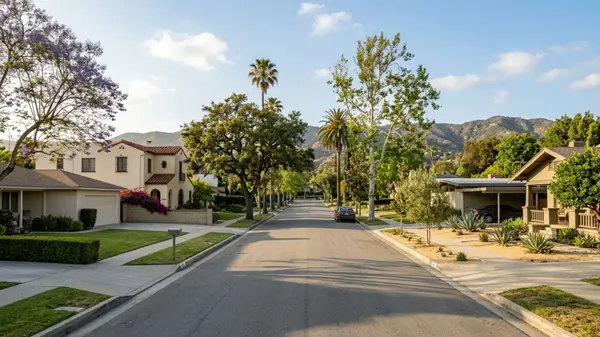
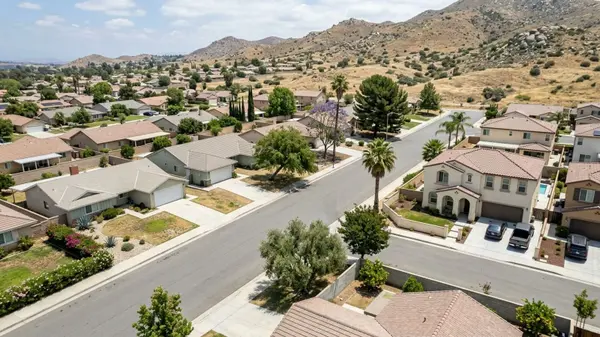
Understanding the local geography is crucial for any property search in this coastal enclave. The city is distinctly divided between the older, historic neighborhoods west of the freeway and the newer residential developments built into the eastern hills.
San Clemente Real Estate Market Trends
The 2026 real estate market in San Clemente remains highly competitive, driven by low inventory and sustained demand for coastal proximity. The median price for a single-family home currently hovers around $1,700,000. Buyers should expect multiple offers on well-maintained properties within walking distance of the beach.
Entry-level buyers can explore the condo and townhome market, where prices typically range between $800,000 and $1,300,000 depending on square footage and ocean views. When calculating your monthly carrying costs, factor in Homeowners Association fees that generally run from $100 to over $350. Master-planned communities like Talega also carry Mello-Roos taxes, which fund local infrastructure and will significantly impact your monthly payment.
The clear takeaway for buyers today is that securing a property here requires moving decisively, especially when targeting entry-level condos under $1,000,000. Waiting for price drops in this specific coastal pocket rarely pays off.
Oceanfront estates command the highest premiums, often trading well above the median price point. The limited supply of buildable land near the water ensures these properties retain their value even during broader market fluctuations.
Beyond the purchase price, property taxes in CA are assessed at roughly 1% to 1.25% of the purchase price annually. Buyers relocating from out of state must factor this baseline tax rate into their long-term holding costs.
Property Types and Architectural Styles
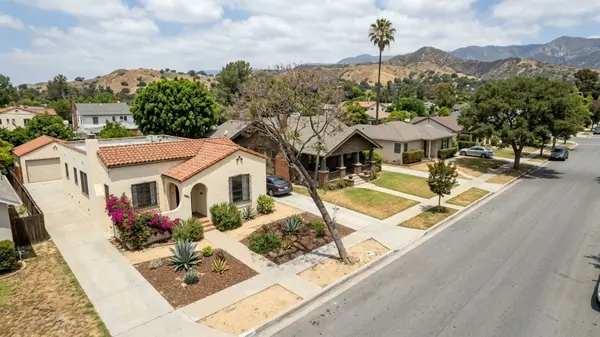
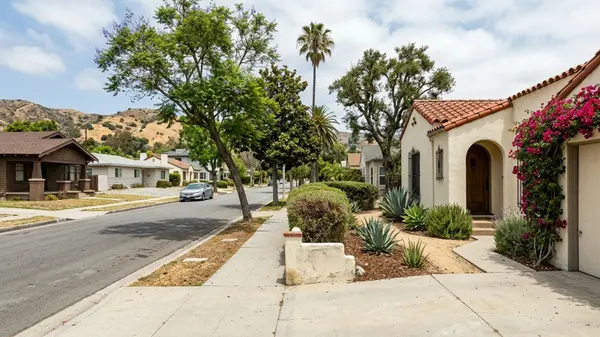
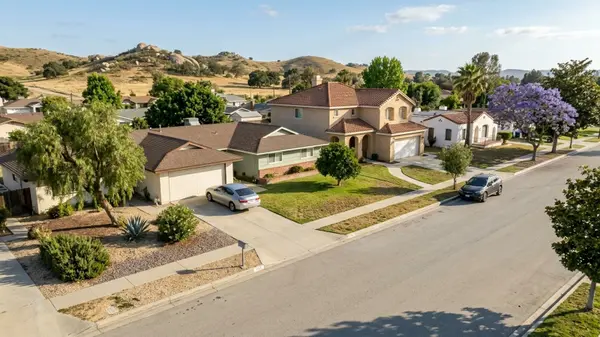
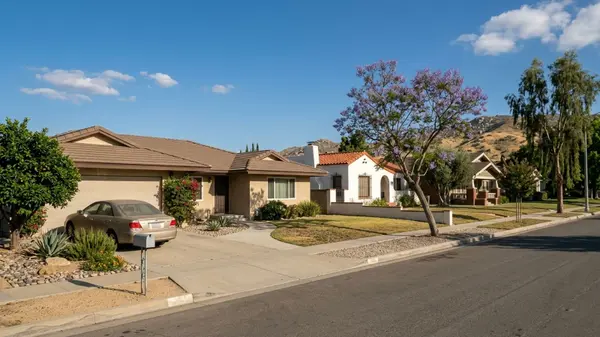
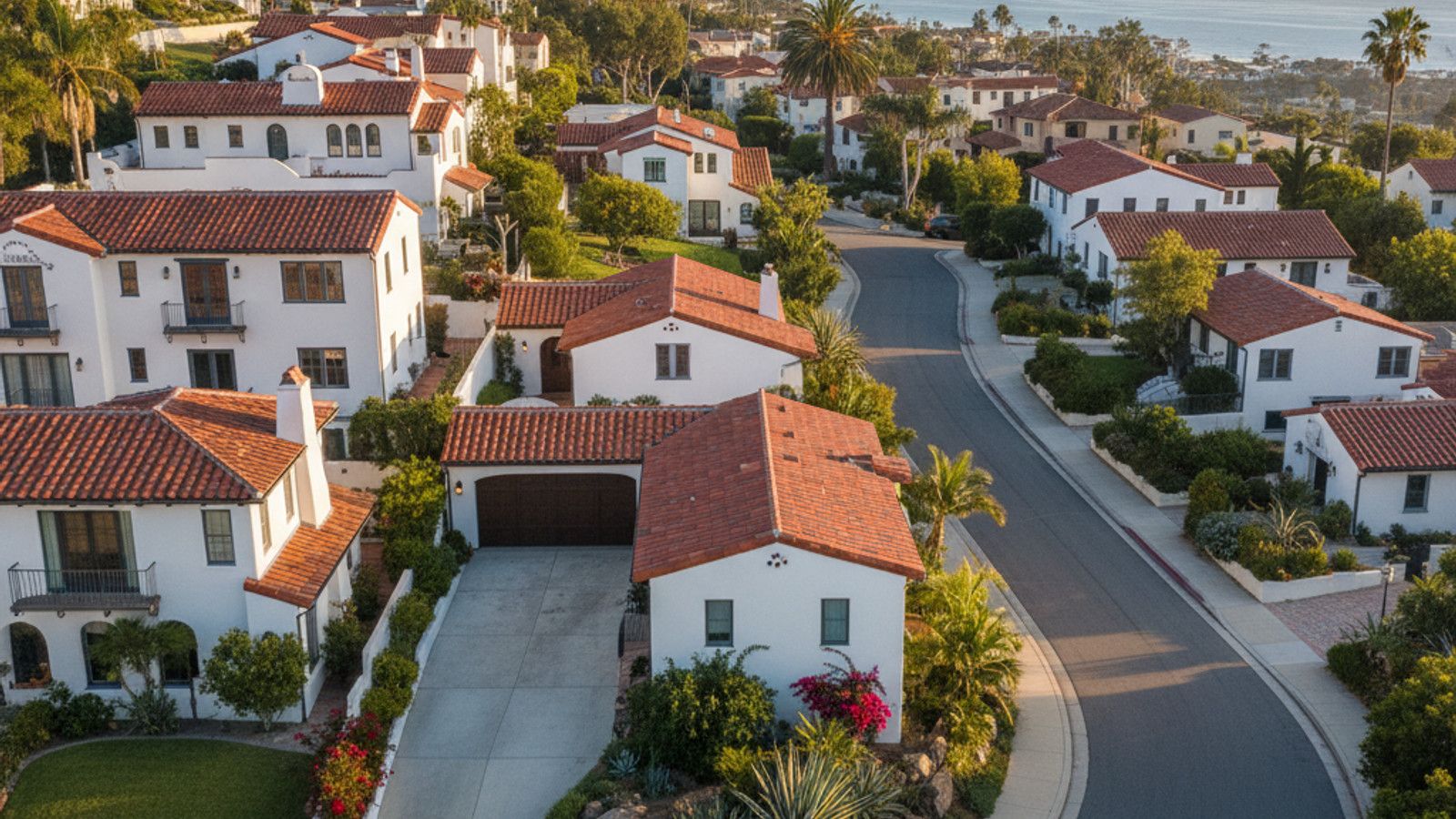
The city's aesthetic is deeply rooted in the vision of its founder, Ole Hanson, who set out to build a "Spanish Village by the Sea" in the 1920s. This historical influence is visible in the prevalent Spanish Colonial Revival style found throughout the older neighborhoods. You will consistently see objective architectural features like red tile roofs, white stucco exteriors, and enclosed courtyard layouts.
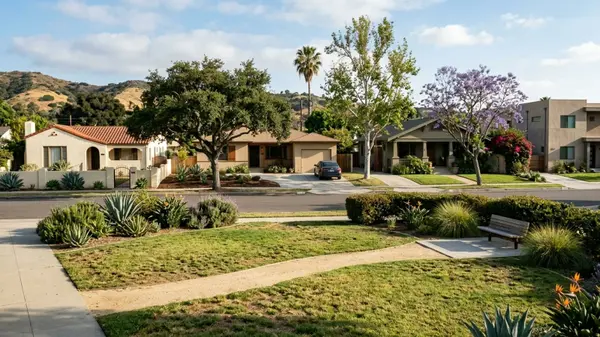
Housing options shift dramatically depending on your distance from the water. Coastal properties feature oceanfront estates and dense Pier-area condos, offering immediate beach access and ocean views. Inland hills offer newer, master-planned tract homes with expansive floor plans and modern construction standards.
Educational Infrastructure: Capistrano Unified School District
Public education within the city is managed entirely by the Capistrano Unified School District. This district serves the broader southern Orange County region and operates multiple campuses within the city limits. The geographic distribution of these facilities means most residential zones are within a short drive of an assigned campus.
Prominent institutions within the local boundaries include Clarence Lobo Elementary, Bernice Ayer Middle School, and San Clemente High School. The high school is centrally located near the Interstate 5 freeway, making the morning commute straightforward for residents living in both the coastal and inland neighborhoods.
Buyers prioritizing proximity to specific campuses should carefully verify boundary lines before submitting an offer. Attendance zones can shift, and living in a specific master-planned development does not automatically guarantee enrollment at the closest physical building.
The educational infrastructure extends beyond traditional classrooms, with many local schools featuring updated athletic fields and specialized academic facilities. The district frequently updates these sites to accommodate the growing population in the eastern master-planned communities.
Lifestyle Amenities and Coastal Recreation
The defining feature of the local lifestyle is immediate access to the Pacific Ocean and its surrounding public spaces. The 2.3-mile San Clemente Beach Trail serves as a central artery for outdoor recreation, running directly from North Beach past the San Clemente Pier down to Calafia State Beach. This unpaved path provides residents with uninterrupted ocean views and pedestrian access to major commercial hubs.
Just south of the city limits, surfers have access to world-class wave breaks at Trestles and San Onofre State Beach. These locations are deeply embedded in California surf culture and draw athletes from around the world.
Beyond the sand, the downtown district along Avenida Del Mar offers a dense collection of boutique shops, local restaurants, and the historic Casa Romantica Cultural Center and Gardens. The sheer volume of walkable amenities near the pier makes the downtown area the most competitive real estate pocket in the city.
The San Clemente Pier acts as the primary focal point for the coastline, extending 1,200 feet into the ocean. This wooden structure houses dining options and provides a dedicated space for recreational fishing without requiring a state license.
Golf Courses and Inland Recreation
Buyers looking away from the water will find extensive non-beach recreational facilities built into the local geography. Prominent golf courses include the San Clemente Municipal Golf Course and the private Talega Golf Club, both offering expansive fairways woven through the coastal hills.
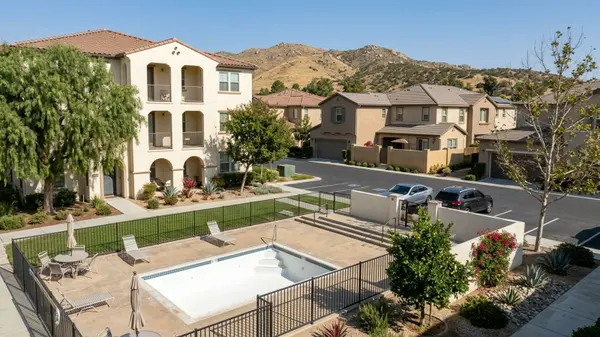
The inland master-planned communities are designed around self-contained recreational infrastructure. Residents in these neighborhoods typically have access to features like community pools, dedicated trail systems, and private recreation centers. These amenities provide a structured outdoor experience that contrasts with the rugged natural environment of the state beaches.
Transportation Infrastructure and Commute Logistics
As the southernmost city in Orange County, CA, San Clemente relies heavily on Interstate 5 for direct vehicular access to neighboring employment hubs. This major freeway bisects the city, providing a straightforward route north toward Irvine and Los Angeles or south toward San Diego. Commuters driving to the Irvine business district can expect a typical travel time of 30 to 40 minutes, depending on morning traffic patterns.
Public transit infrastructure offers a robust alternative to freeway driving. The city features two major rail stations located at the San Clemente Pier and North Beach, serving both the Metrolink and the Amtrak Pacific Surfliner. These rail lines are essential for residents who commute daily to Los Angeles or San Diego, allowing them to bypass the notorious Southern California freeway congestion entirely.
The Metrolink Orange County and Inland Empire-Orange County lines provide reliable weekday service for regional professionals. Buyers should note that homes located near the rail lines often experience regular train noise. However, the trade-off of having a walkable commute to a major transit hub is highly valued by many residents working outside the immediate area.
Local traffic flows primarily along El Camino Real, which serves as the main surface street connecting the northern and southern borders of the city. Navigating this corridor during summer weekends requires patience, as visitor volume peaks and street parking becomes scarce.
Frequently Asked Questions
What famous person lived in San Clemente?
Former United States President Richard Nixon famously maintained a residence here known as La Casa Pacifica. This oceanfront estate served as his Western White House during his presidency in the early 1970s. The property remains a significant piece of local history and sits on a sprawling 5.45-acre parcel near the southern edge of the city.
Why is San Clemente called the Spanish Village by the Sea?
City founder Ole Hanson coined this phrase in the 1920s when he envisioned a master-planned coastal haven built entirely with Spanish architecture. He mandated that all new construction feature red tile roofs and white stucco walls to maintain a cohesive aesthetic. This historical building code permanently shaped the visual identity of the downtown and older residential neighborhoods.
Is San Clemente expensive compared to the rest of Orange County?
The city generally aligns with the higher price tiers of the broader Southern California coastal market. With a 2026 median single-family home price of approximately $1,700,000, it is more expensive than many inland county cities but often more accessible than neighboring Laguna Beach or Newport Beach. Buyers looking for lower entry points can still find condos starting around the $800,000 mark.
Categories
Recent Posts