Navigating the Coastal Market: A 2026 Laguna Beach area guide
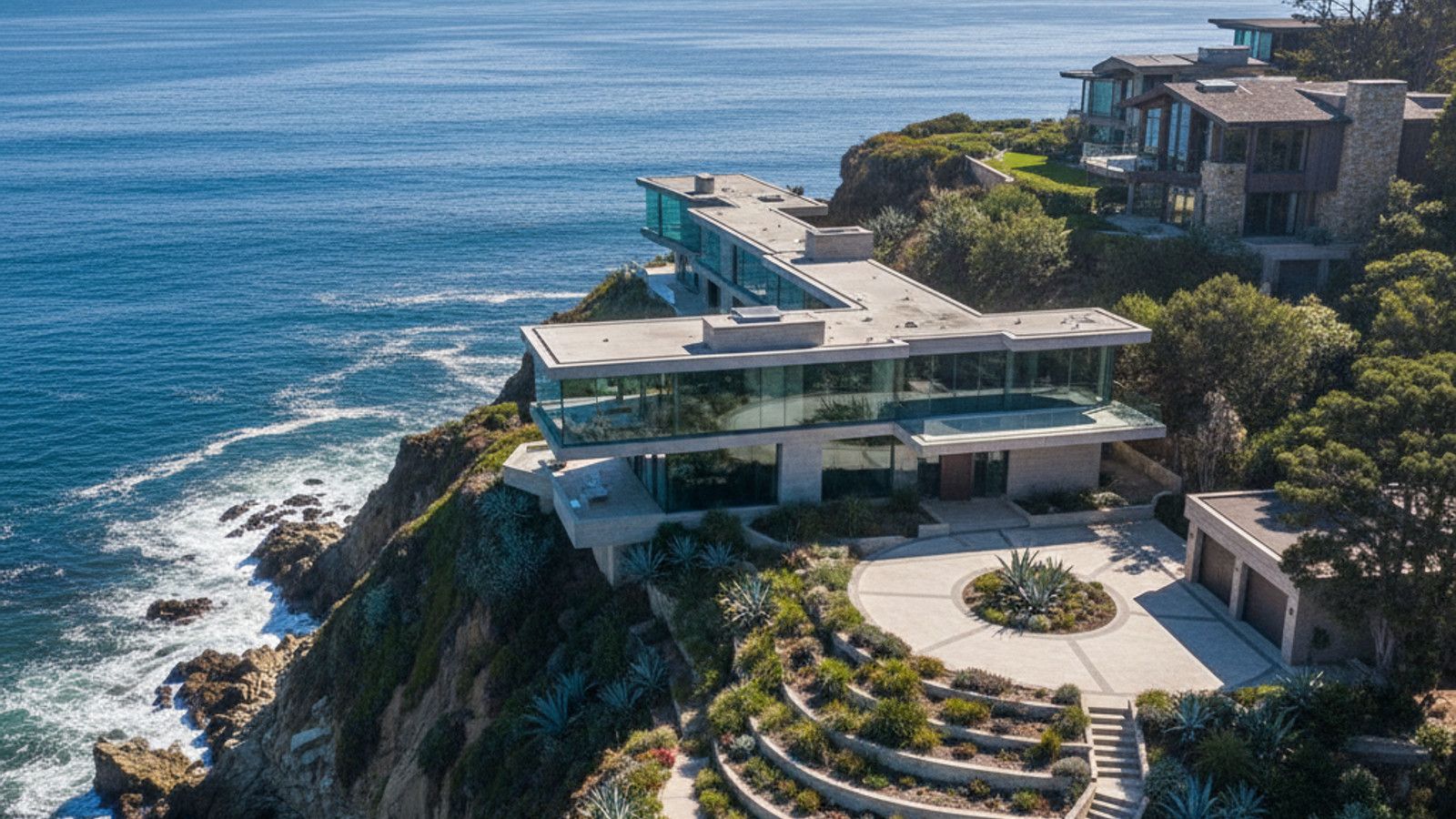
Situated along the rugged Southern California coastline, Laguna Beach offers a distinct blend of natural beauty and cultural richness. Buyers looking at Orange County real estate often find themselves drawn to this historic art colony for its unique topography and direct ocean access. The city spans approximately seven miles of pristine coastline, featuring dramatic cliffs, hidden coves, and expansive sandy stretches.
Purchasing property here requires a clear understanding of the local geography and the nuances of distinct coastal neighborhoods. This enclave operates differently than inland Orange County markets due to its limited access points and highly protected natural surroundings. Knowing how to navigate these specific local factors is essential for making an informed real estate investment in 2026.
The Appeal of the Laguna Beach Lifestyle
Living in Laguna Beach means having daily access to some of the most rigorously protected marine environments in CA. The city is famous for its marine protected areas, which restrict fishing and preserve the vibrant tide pools and kelp forests just offshore. This level of environmental stewardship ensures the coastline remains pristine year after year.
Beyond the physical landscape, the local culture is deeply rooted in the arts. The community hosts the renowned Sawdust Art Festival and the Pageant of the Masters, drawing visitors from across the globe. Residents benefit from a downtown area packed with independent art galleries, boutiques, and locally owned restaurants rather than large commercial chains.
The daily lifestyle revolves heavily around outdoor recreation and an appreciation for the Mediterranean climate. Whether it involves hiking the trails of the Laguna Coast Wilderness Park or snorkeling at Crescent Bay, the environment dictates the pace of life. Buyers prioritizing immediate access to nature will find the local amenities highly aligned with an active, outdoor-focused routine.
Current Laguna Beach Real Estate Market
The housing market in Spring 2026 remains highly constrained by geography, as the Pacific Ocean and steep canyon walls naturally limit new construction. This lack of developable land keeps inventory low and creates a persistent floor for property values. Buyers entering the market today must be prepared for swift, decisive action when a properly priced home is listed.
As of April 2026, median home prices generally hover between $2,800,000 and $3,600,000, depending heavily on the specific neighborhood and property type. Price-per-square-foot metrics vary wildly, often driven more by the quality of the ocean view than the age of the structure itself. Homes that offer unobstructed panoramic views or direct sand access command significant premiums and typically see fewer days on the market.
Property Types and Architectural Styles
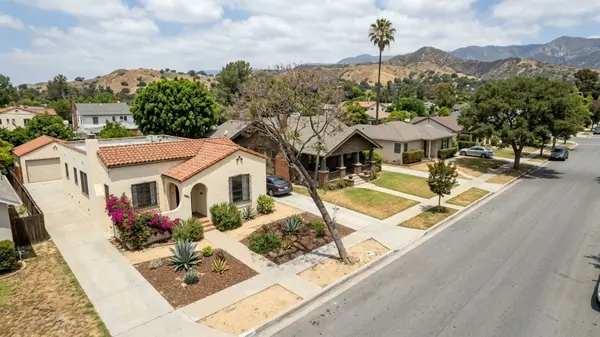
The local housing inventory is remarkably diverse, lacking the uniform tract developments found in other parts of Orange County. Buyers can find sprawling luxury oceanfront estates perched on cliffsides, offering unparalleled privacy and direct sightlines to Catalina Island. Conversely, the downtown Village area is dotted with historic beach cottages that have been carefully preserved and updated to modern standards.
Moving inland away from the immediate coastline, hillside homes tucked into Laguna Canyon offer a completely different living experience. These properties often feature contemporary blufftop architecture with expansive glass walls designed to maximize natural light and canyon views. The variety ensures that buyers can find a property that matches their aesthetic preferences, provided they have the budget to compete.
Key Neighborhoods: North, South, and Central Laguna
The city is broadly divided into three main sections, each offering a distinct atmosphere and differing proximity to major transit routes. North Laguna features wider streets, easier access to Newport Beach, and proximity to the expansive Crystal Cove State Park. This area is highly sought after by buyers who want a slightly faster commute while still enjoying walkable access to the sand.
Central Laguna, often referred to as The Village, is the bustling heart of the city where the majority of commercial activity takes place. Homes here are typically situated on smaller, densely packed lots, placing residents within walking distance of Main Beach and the Laguna Art Museum. It is an excellent location for buyers who prioritize walkability and immediate access to local coffeehouses and restaurants.
South Laguna offers a more rugged, secluded feel with narrow, winding streets and spectacular hidden coves like Thousand Steps Beach. This southern stretch is home to exclusive gated communities, including Emerald Bay and Three Arch Bay, which provide private beach access and robust neighborhood amenities. High above the coastline, the Top of the World neighborhood delivers sweeping, panoramic Pacific Ocean views from its elevated hillside vantage point.
Parks, Beaches, and Local Amenities
Laguna Beach is defined by its public outdoor spaces and exceptional coastal access. Main Beach sits squarely in the center of town, featuring iconic lifeguard towers, sand volleyball courts, and a lively boardwalk. Just to the north, Heisler Park offers manicured walking paths along the bluffs, providing spectacular vantage points for whale watching and sunset viewing.
For those seeking a more rugged outdoor experience, Crystal Cove State Park spans over 3,000 acres of protected wilderness and pristine coastline. The park features miles of hiking and equestrian trails that wind through the coastal sage scrub of the Laguna Coast Wilderness Park. These expansive green spaces offer residents a stark, natural contrast to the densely populated urban centers of Southern California.
The commercial amenities are equally focused on local culture and independent business. The downtown area serves as a vibrant hub of boutique shopping, fine dining, and dozens of active art galleries. Residents enjoy a culinary scene that heavily features fresh seafood and farm-to-table cuisine, perfectly complementing the seaside resort atmosphere.
Laguna Beach Unified School District
Public education in the city is managed by the Laguna Beach Unified School District, which serves the immediate coastal community. The district is relatively small, allowing for concentrated resources and modern academic facilities across its campuses. Buyers often factor the specific location of these schools into their neighborhood selection process.
The district operates two primary elementary schools: El Morro Elementary, located along the coast highway, and Top of the World Elementary, situated high on the hillside. Students then filter into Thurston Middle School before completing their secondary education at Laguna Beach High School.
Laguna Beach High School is centrally located and features comprehensive athletic facilities, including a community pool and an updated track. The compact nature of the district means that commute times to campuses are generally short, though hillside routes require careful driving during morning drop-off hours.
Commuting and Transportation Routes
Navigating in and out of the city relies on two primary arteries: the Pacific Coast Highway (SR-1) and State Route 133, also known as Laguna Canyon Road. SR-1 runs parallel to the ocean, connecting residents north to Newport Beach and south to Dana Point. Route 133 serves as the crucial inland connector, cutting through the canyon to link drivers directly to the Interstate 405 and State Route 73 toll road.
Average daily driving times to major Orange County employment centers are heavily dependent on departure times. Under normal conditions, commuting to Irvine takes approximately 18 to 35 minutes to cover the 14-mile distance. The drive to Newport Beach is slightly shorter, typically requiring 18 to 21 minutes to travel the 11 miles up the coast.
Buyers must consider the seasonal impact of tourism on local traffic patterns. During the summer months, the influx of visitors attending the Sawdust Art Festival and enjoying the beaches significantly increases congestion along Laguna Canyon Road and the Coast Highway. Understanding these seasonal shifts is vital for anyone planning a daily commute out of the city.
Frequently Asked Questions
What is the median home price in Laguna Beach as of 2026?
In the spring of 2026, median home prices in the area generally range from $2,800,000 to $3,600,000. This figure varies significantly based on proximity to the water and whether the property offers unobstructed ocean views. Buyers should expect to pay a substantial premium for turnkey properties located on the ocean side of the Pacific Coast Highway.
How long is the typical commute from Laguna Beach to Irvine?
The drive to Irvine typically takes between 18 and 35 minutes via State Route 133. This 14-mile commute can fluctuate based on time of day and seasonal tourist traffic through the canyon. Utilizing the State Route 73 toll road often provides the most reliable travel time during peak morning hours.
What schools are in the Laguna Beach Unified School District?
The Laguna Beach Unified School District includes four main campuses serving the local population. Younger students attend either El Morro Elementary or Top of the World Elementary. Secondary education is provided by Thurston Middle School and Laguna Beach High School.
Categories
Recent Posts