Navigating the Orange CA Orange County, CA Area Guide: Real Estate Realities for 2026
Relocating to Southern California requires a clear understanding of the distinct municipalities that make up the region. Sitting centrally near cultural hubs like Little Saigon in Westminster, the city of Orange offers a unique contrast to the master-planned developments found further south. Buyers evaluating this market quickly notice the preservation of historic architecture alongside major commercial corridors.
Navigating this local landscape means balancing lifestyle preferences with practical considerations like commute times and property values. The 2026 housing market here presents specific challenges and opportunities, particularly when comparing the historic downtown districts to the newer eastern hillside estates. Understanding these local nuances is essential for making an informed real estate investment in this corner of CA.
The local real estate market operates with distinct micro-neighborhoods that dictate pricing and availability. Buyers must evaluate their priorities carefully before entering the market. A thorough understanding of local amenities, property types, and transit corridors ensures a successful transaction.
Discovering Orange, CA: A Distinct Position in Orange County
Orange occupies a highly strategic location within Central Orange County. The city limits border major economic hubs, placing residents approximately 5 miles from Anaheim and immediately adjacent to Santa Ana. This central positioning provides immediate access to the broader Southern California employment market without sacrificing local character.
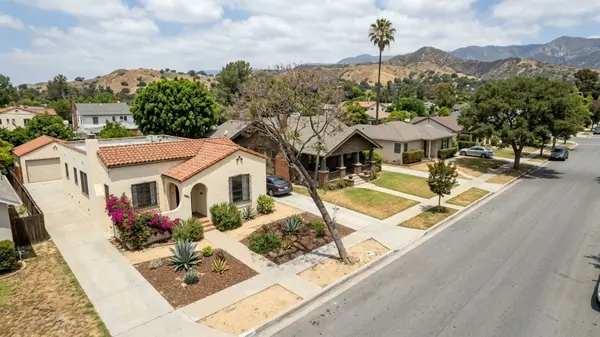
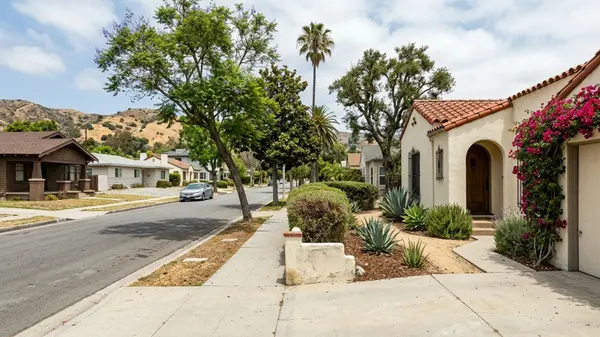
The defining feature of the city is its commitment to architectural preservation, which stands out in a region known for rapid modernization. While neighboring cities focus heavily on new construction, Orange maintains strict zoning around its core to protect its historical assets. This preservation strategy creates a distinct visual identity that drives consistent buyer demand.
The clear advantage for buyers here is the ability to secure a property with genuine historical character while remaining minutes from major economic centers. This balance of preservation and proximity makes the city a premier choice for buyers who want authentic neighborhood charm without a punishing suburban commute.
Contrasting the historic commercial areas with newer retail centers reveals a city that successfully manages growth. Municipal planners have concentrated modern development along specific corridors to protect the historic core. This deliberate zoning strategy maintains the charm of the city while securing essential tax revenue.
Historic Architecture and Commercial Centers
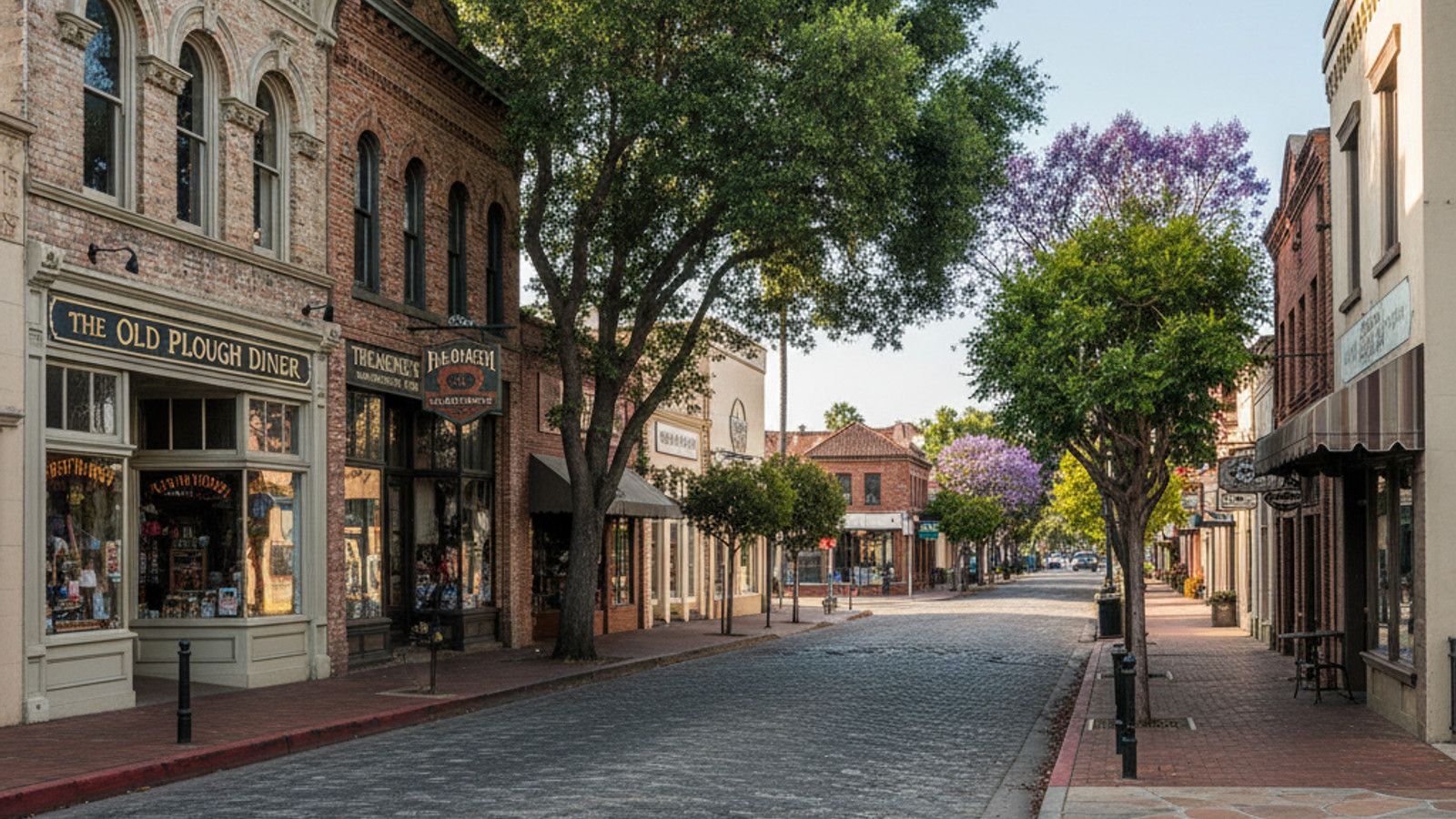
The historic Old Towne district serves as the commercial and cultural anchor of the city. Recognized as the largest National Register Historic District in CA, the Plaza area features a dense concentration of local dining, antique shops, and independent businesses. This walkable core regularly hosts local musicians and live entertainment, providing a strong community focal point.
Beyond the historic center, the city offers substantial modern retail infrastructure to support daily needs. The Village at Orange provides immediate access to national retailers, while world-class shopping at South Coast Plaza in Costa Mesa is just a short drive down the freeway. This combination of historic commercial spaces and regional shopping districts ensures residents have comprehensive retail options.
Dining options in the Plaza reflect a diverse culinary scene that draws visitors from across CA. Independent coffee shops, upscale restaurants, and casual eateries occupy restored brick buildings. This concentration of hospitality businesses creates a vibrant evening atmosphere without the density of a major downtown.
Orange, CA Real Estate Market Trends in 2026
The current housing market in Orange demonstrates sustained price resilience supported by limited inventory. As of early 2026, the median home price hovers between $1,200,000 and $1,300,000. Properties are moving at a steady pace, with the average days on market sitting roughly between 34 and 49 days.
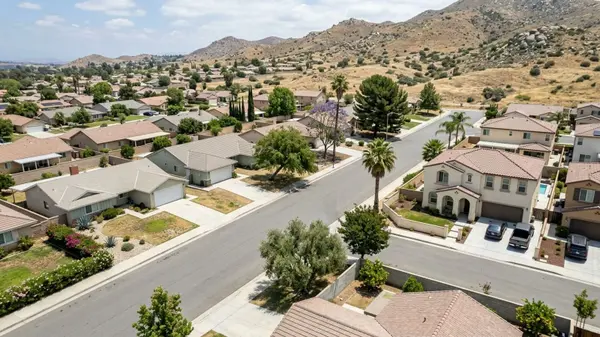
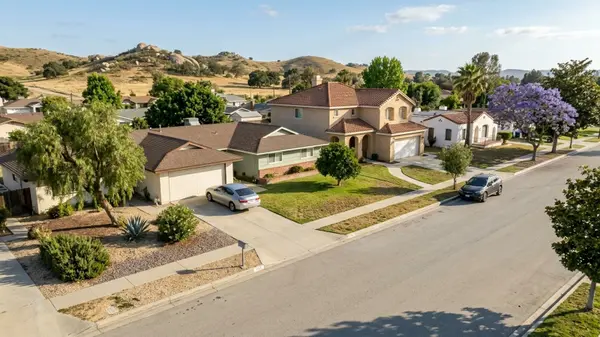
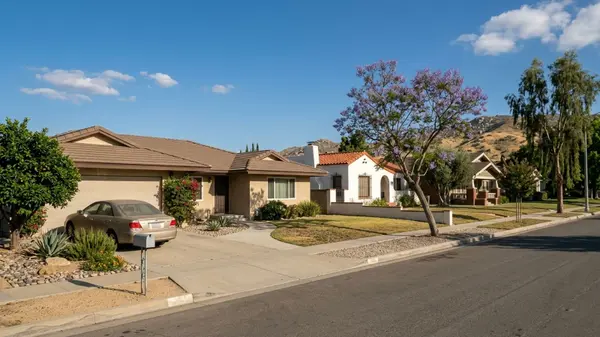
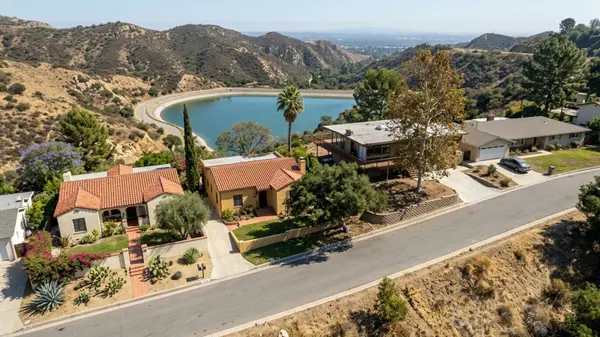
Buyers will find a stark contrast in pricing and property styles depending on which side of the CA-55 freeway they explore. The western portion features historic bungalows and mid-century tracts, while the eastern hills offer sprawling modern estates with premium price tags. Compared to neighboring Garden Grove, where entry points are slightly lower, Orange commands a pricing premium driven by its historic district and hillside views.
The reality for buyers in 2026 is that well-priced homes near the Plaza will generate multiple offers within the first weekend. Investors and owner-occupants must be prepared to act decisively and waive minor contingencies to secure properties in the most competitive neighborhoods.
Interest rates and local inventory levels continue to dictate the pace of transactions. Sellers who price their homes accurately are seeing strong turnout at open houses. Overpriced listings, however, will stagnate on the market despite the overall demand for the area.
Property Types and Typical HOA Fees
The housing inventory spans several distinct categories, requiring buyers to understand the associated carrying costs. While older neighborhoods typically lack association oversight, newer developments come with mandatory monthly dues. The average rent in the city sits at approximately $3,200 per month, which keeps investor demand high for attached units.
Buyers should anticipate specific fees and structural variations based on the property type they pursue. Understanding these distinctions helps clarify the true cost of ownership:
-
Single-family homes range from protected historical properties requiring specialized maintenance to standard suburban layouts with no association fees.
-
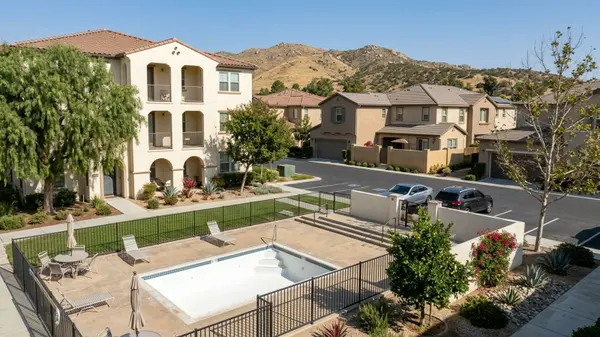
Condominiums and townhomes dominate the newer developments, offering lower entry prices but requiring strict adherence to community rules.
-
Homeowners association fees for these attached units average around $278 to $400 per month, covering exterior maintenance and shared amenities.
Evaluating these monthly carrying costs is a critical step in the mortgage pre-approval process. High association dues can significantly reduce purchasing power for buyers looking at attached units. Working with a lender to map out these exact fees prevents surprises during the escrow period.
Commute Times and Transportation Routes
Regional connectivity remains a primary driver of real estate values in this sector of Orange County. The city is crisscrossed by major transportation corridors, allowing residents to navigate the broader metropolitan area with relative ease. Direct access to the I-5, CA-55, and CA-22 freeways provides multiple routing options during peak traffic hours.
Commute times vary significantly based on the destination and time of departure. Driving to the massive employment hubs in Irvine typically takes 15 to 25 minutes. Reaching the Honda Center and other commercial districts in Anaheim requires an average drive of under 15 minutes.
Commuting to Los Angeles presents a more substantial daily commitment. Drivers should expect a 45 to 60-minute transit time to downtown LA, depending heavily on the specific departure window. The takeaway for buyers is that while local commuting is highly efficient, daily travel into Los Angeles requires careful consideration of toll road usage and traffic patterns.
Public transit options also exist for residents looking to avoid freeway driving. The nearby Anaheim Regional Transportation Intermodal Center provides access to regional rail networks. While driving remains the primary mode of transit, these rail options offer valuable alternatives for specific commuter routes.
Education and Healthcare Infrastructure
Institutional infrastructure heavily influences property valuations and long-term stability in the local market. The city is anchored by significant educational and medical facilities that provide major employment bases. These institutions drive steady housing demand from staff, students, and medical professionals.
The Orange Unified School District serves the majority of the city, managing numerous primary and secondary campuses. The district operates with specific enrollment windows, and the open enrollment period for the 2026-2027 academic year concluded in early 2026. Buyers prioritizing specific school assignments must verify boundary maps directly with the district before submitting property offers.
Higher education and advanced medical care are prominent fixtures within the city limits. Chapman University sits near the historic downtown, significantly impacting the local economy and rental market. Additionally, major healthcare facilities like the UCI Medical Center provide residents with immediate access to specialized treatments.
For buyers, the strong presence of these institutions ensures the local housing market remains insulated against broader economic fluctuations. Investors frequently target properties in the immediate radius of the university to serve the student and faculty population. This localized rental demand provides a stable income stream for buyers focused on investment properties.
Parks, Recreation, and Local Amenities
Access to outdoor recreation is a major component of the local lifestyle and a strong selling point for properties in the eastern hills. While coastal destinations like Laguna Beach and Dana Point require a weekend drive, the city maintains a robust network of municipal parks. This immediate proximity to local nature provides a sharp contrast to the dense urban development found in neighboring municipalities.
Irvine Regional Park and Peters Canyon Regional Park offer expansive acreage for outdoor activities. Peters Canyon features extensive hiking and equestrian trails that wind through the natural terrain. These regional parks serve as major weekend destinations for residents across the county.
The Santa Ana River Trail provides a dedicated paved route for cyclists and runners. This extensive path connects multiple cities and offers a protected corridor away from vehicle traffic. For buyers, properties located within walking distance of these major trailheads consistently hold their value and sell at a premium compared to landlocked parcels.
Community sports facilities and neighborhood parks are distributed evenly throughout the residential zones. These smaller green spaces provide immediate outdoor access for residents who do not want to drive to the regional parks. Well-maintained public facilities consistently boost the appeal of the adjacent residential streets.
Frequently Asked Questions About Orange, CA
What are the primary property types available in Orange, CA?
The market features a mix of historic single-family homes, mid-century suburban tracts, and modern hillside estates. Attached condominiums and townhomes are also available, particularly in newer developments near commercial centers. Historic properties near the Plaza often command premium prices due to their unique architectural preservation.
How long is the commute from Orange, CA to Los Angeles or Anaheim?
Commuting to Anaheim is highly efficient, typically taking under 15 minutes via local streets or the CA-55 freeway. Traveling to Los Angeles requires a longer commitment, averaging 45 to 60 minutes depending on peak traffic conditions. Utilizing the carpool lanes or toll roads can help stabilize these daily transit times.
What recreational amenities and parks are in Orange, CA?
The city provides excellent access to outdoor spaces, highlighted by Irvine Regional Park and Peters Canyon Regional Park. Residents frequently utilize the hiking and equestrian trails spread across the eastern hills. The paved Santa Ana River Trail also offers a major corridor for long-distance cycling and running.
Categories
Recent Posts