The Complete 2026 Costa Mesa Orange County CA Area Guide for Homebuyers
Costa Mesa occupies a highly strategic position within Southern California, offering a distinct blend of dense suburban infrastructure and immediate coastal access. Located directly north of Newport Beach, this city has evolved from its mid-century agricultural roots into a major commercial and residential hub. Buyers looking at the west coast of the United States often find that Costa Mesa strikes a practical balance between employment access and lifestyle amenities.
Navigating the local housing market requires a clear understanding of neighborhood zoning, commute patterns, and localized property values. The landscape here varies significantly from block to block, with high-density retail corridors transitioning quickly into established residential grids. This guide provides an objective, data-driven look at what it takes to purchase and maintain a property in the city this year.
An Objective Look at the 2026 Costa Mesa Real Estate Market
The current housing market in Costa Mesa reflects the broader constraints of Orange County, with high demand consistently meeting limited inventory. As of 2026, the median home price typically ranges from $1,400,000 to $1,600,000, depending heavily on the specific neighborhood and lot size. Buyers must be prepared for a fast-paced environment where well-priced properties often spend fewer than 20 days on the market before going under contract.
Carrying costs are a critical factor for any buyer entering this price tier. The effective property tax rate in this part of Orange County generally hovers around 1.1% to 1.2% of the assessed purchase price. My perspective on this market is that buyers who strictly focus on the median price often miss out on the value found in slightly older, unrenovated properties that offer significant equity potential.
Property Types and Residential Density
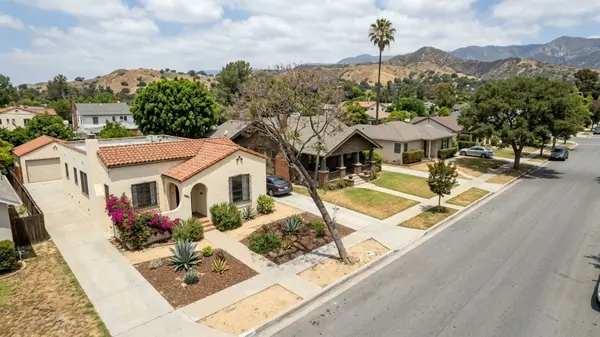
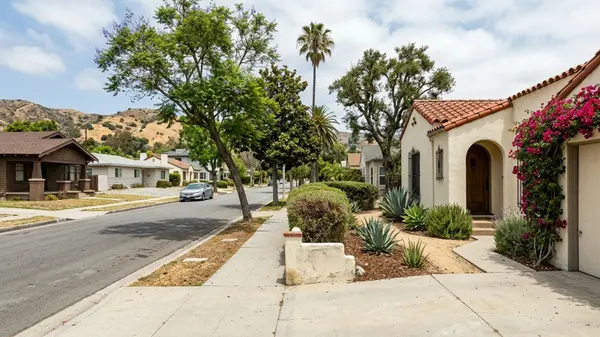
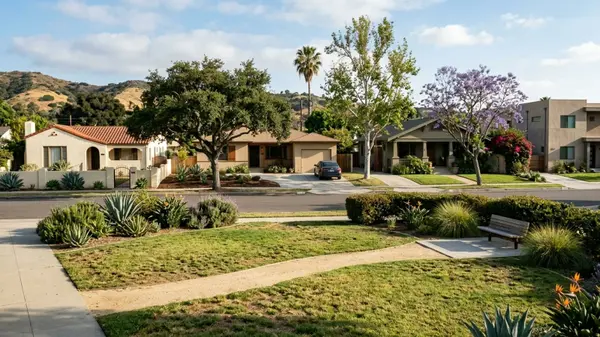
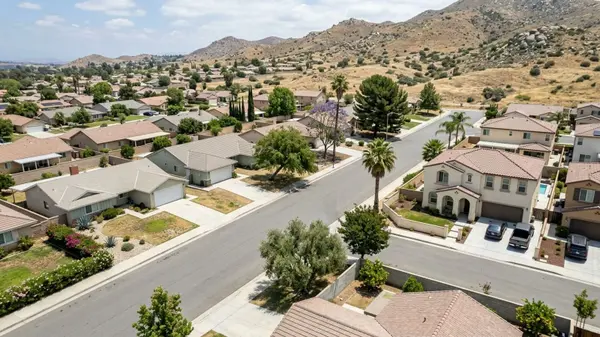
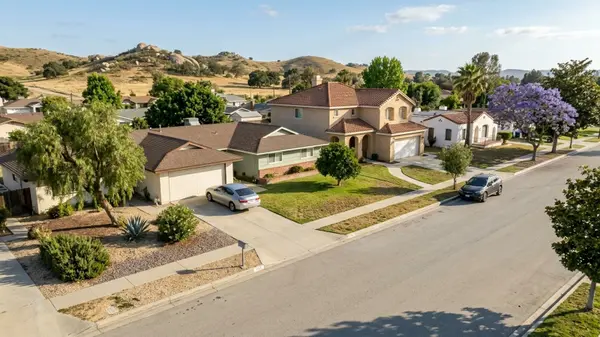
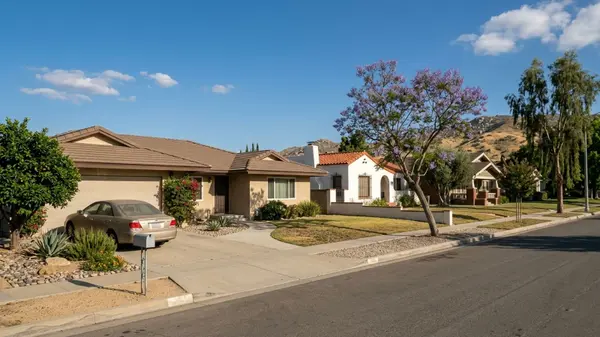
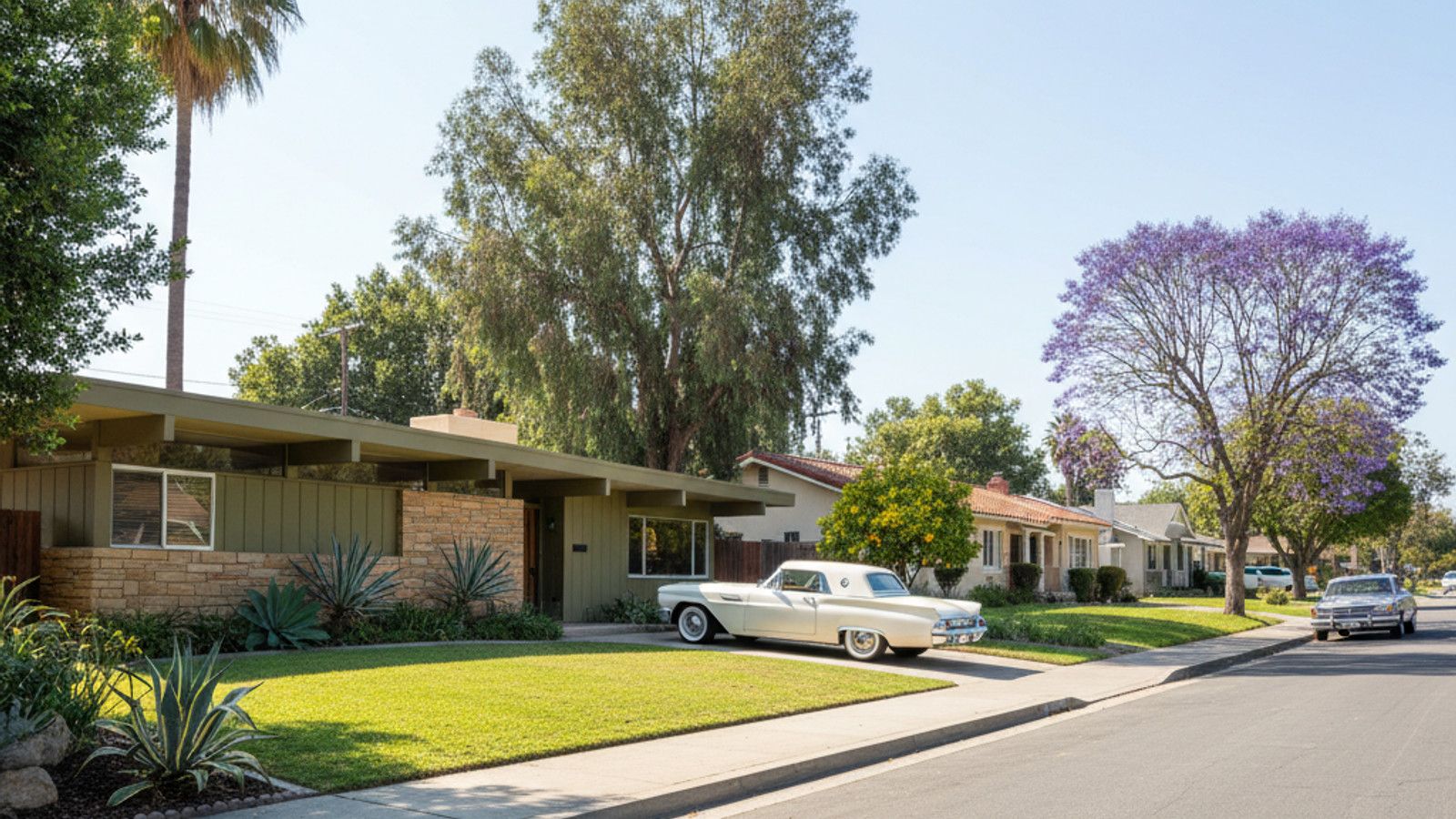
The city limits contain a wide mix of housing options, ranging from dense multi-unit complexes to spacious detached properties. Single-family homes dominate the established residential grids, with a strong presence of classic mid-century architecture in neighborhoods like College Park. These original structures are frequently targeted by buyers looking to update and expand their square footage.
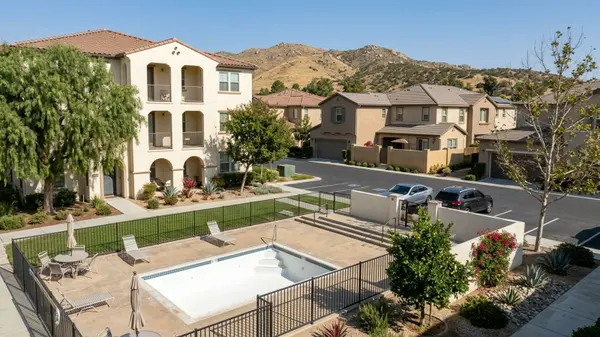
For those seeking entry-level options below the median price point, condos and townhouses provide a viable alternative. The South Coast Metro area features a high concentration of attached housing and high-rise developments. These properties offer reduced maintenance requirements while keeping residents close to major commercial centers.
Transportation Infrastructure and Commute Times
Costa Mesa is geographically bordered and bisected by some of the most critical controlled-access highways in Southern California. The 405 (San Diego Freeway) runs directly through the northern section of the city, providing the primary east-west regional artery. Additionally, the 55 (Costa Mesa Freeway) and the 73 toll road offer rapid north-south connectivity toward the coast and inland employment centers.
This central location translates to highly manageable commute times for those working in neighboring economic hubs. A typical morning drive to the Irvine business district takes roughly 15 to 25 minutes, while reaching Los Angeles can take anywhere from 45 minutes to over an hour depending on traffic density. The true transportation advantage of living here is the immediate proximity to John Wayne Airport (SNA), which sits right on the city border and makes domestic air travel exceptionally convenient.
Local Amenities, Retail Centers, and Culture
The local economy is heavily anchored by massive retail and commercial infrastructure, drawing visitors from across the state. South Coast Plaza stands as a premier retail destination, generating significant economic activity and offering an unparalleled concentration of luxury brands. Beyond the traditional mall experience, the city features specialized, highly walkable retail centers like The LAB Anti-Mall, which focuses on independent boutiques and artisanal goods.
Cultural institutions are equally prominent, elevating the city's profile beyond basic suburban retail. The Segerstrom Center for the Arts and the Orange County Museum of Art serve as primary anchors for regional theater, music, and visual arts. From a real estate perspective, properties located within a short radius of these cultural and dining hubs consistently hold their value better during localized market shifts.
The local dining landscape is incredibly diverse, reflecting the broader culinary variety of Southern California. Residents have access to everything from high-end fine dining establishments near the theater district to authentic Mexican cuisine housed in unassuming strip malls. This density of dining options means residents rarely need to leave the city limits for entertainment or culinary exploration.
Educational Institutions and School Districts
Residential addresses within the city are zoned for the Newport-Mesa Unified School District, which manages the public education infrastructure for the area. The district operates a comprehensive network of elementary, middle, and high schools distributed strategically across the various neighborhoods. Property values in specific tracts are frequently influenced by their proximity to these established campus locations.
Higher education also plays a significant role in the local landscape and housing demand. Orange Coast College, a massive community college campus, and Vanguard University, a private four-year institution, are both located centrally within the city limits. Investors should note that the presence of these institutions creates a steady, reliable demand for rental housing in the immediately surrounding blocks.
Parks, Recreation, and Coastal Proximity
Despite its urban density, Costa Mesa maintains a robust network of public outdoor spaces and recreational facilities. Fairview Park is the largest open space in the city, offering hundreds of acres of trails that connect directly to the Talbert Nature Preserve. For more structured recreation, TeWinkle Park provides extensive sports facilities, walkable paved paths, and a large amphitheater.
The geographical boundaries of the city provide a distinct advantage for those who want coastal access without paying premium oceanfront prices. Residents are situated just a short drive from the beaches of Newport Beach and Huntington Beach, typically reaching the sand in under 15 minutes. In my view, this immediate proximity to the Pacific Ocean is the single biggest driver of long-term property appreciation in the southern half of the city.
Local public golf courses also add to the recreational appeal, offering expansive green spaces within the urban grid. These facilities provide both recreation and a visual buffer between dense residential zones and commercial corridors. The combination of coastal access and well-maintained municipal parks creates a highly active local environment.
Frequently Asked Questions
What is the median home price in Costa Mesa in 2026?
As of 2026, the median home price in Costa Mesa generally ranges from $1,400,000 to $1,600,000. This figure varies significantly based on the property size and whether the home has been recently renovated. Detached single-family homes in established neighborhoods consistently price at the higher end of this spectrum.
What school district serves Costa Mesa?
The city is served by the Newport-Mesa Unified School District. This district manages all public elementary, middle, and high schools within the city limits and neighboring Newport Beach. Zoning boundaries dictate which specific campus a residential address is assigned to.
Is it better to buy or rent in Costa Mesa?
Purchasing property in Costa Mesa offers long-term equity growth, especially given the historical appreciation rates in Orange County. Renting can be a practical short-term strategy, with typical monthly rates for a two-bedroom apartment hovering around $3,200. Buyers who plan to stay in the area for more than five years generally benefit more from ownership due to fixed mortgage costs.
What types of homes are available in College Park?
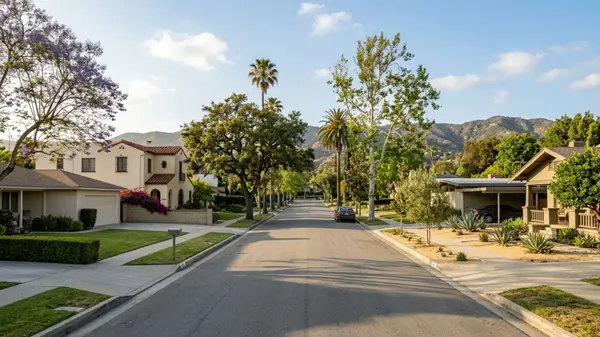
College Park primarily features single-family detached homes, many of which showcase classic mid-century architecture. These properties often sit on generous lots, providing ample space for buyers looking to expand their footprint. Inventory here is relatively tight, as the established tree-lined streets encourage long-term homeownership.
Categories
Recent Posts