Setting a Home Buying Budget in Riverside, CA for 2026
The median sale price for a home in Riverside, CA right now is around $659,564. Homes are spending roughly 38 days on the market and selling at 99.9% of list price - which means if you walk into a showing without a firm budget, you're already behind. This is especially true for first-time home buyers in Riverside, CA.
Your maximum loan amount depends on more than your paycheck. Lenders are also looking at your existing debts, the loan type you're using, and local carrying costs like property taxes and insurance before they'll tell you what you qualify for.
Figuring Out Your Riverside Buying Budget
The core of any lender's underwriting process is comparing your gross monthly income against your recurring monthly debts. That comparison tells them how much new housing payment you can absorb without the loan becoming a liability.
You can run this math yourself before you ever sit down with a lender. It won't give you a formal pre-approval, but it'll give you an honest target price - and that's worth a lot before you start touring homes.
Debt-to-Income Ratio
Your debt-to-income (DTI) ratio is the share of your gross monthly income that goes toward paying debts - car loans, student loans, minimum credit card payments, and the projected mortgage payment all count.
Most conventional loans cap your total DTI at 43%, though some government-backed loans allow higher. If you're earning $8,000 a month before taxes, that 43% ceiling means your total monthly debt payments can't exceed $3,440.
The 28/36 Guideline
Mortgage professionals use the 28/36 rule as a starting point for affordability. The idea is simple: spend no more than 28% of your gross monthly income on housing expenses, and no more than 36% on total debt.
Housing expenses in this formula mean principal, interest, property taxes, and insurance - not just the loan payment. Staying inside those percentages leaves breathing room for groceries, daily expenses, and the occasional repair bill.
A Worked Example for a Riverside Home Purchase
Let's put real numbers to this. Using Riverside's approximate median sale price of $660,000, here's what a standard transaction looks like on paper.
This scenario uses a conventional loan with a fixed interest rate, and assumes the buyer has minimal existing debt and qualifies for standard financing terms.
Purchase Price and Down Payment
At $660,000 with 10% down, your down payment is $66,000 - leaving you with a base loan amount of $594,000.
Because you're putting down less than 20%, the lender will require private mortgage insurance (PMI). That's an extra line item on your monthly bill until you've built enough equity to have it removed.
Monthly Payment Breakdown
For illustration only: at a 6.5% interest rate on a 30-year fixed loan, the principal and interest payment on a $594,000 balance runs roughly $3,754 per month.
Then you layer in property taxes, hazard insurance, and PMI. Once you do, the total monthly payment for a median-priced Riverside home lands somewhere between $4,600 and $4,900.
Additional Carrying Costs in Southern California
Principal and interest make up the bulk of your payment, but local assessments and fees move that final number more than most buyers expect. These costs need to be part of your budget from day one - not something you reconcile after you're already in contract.
Lenders include them in your DTI when underwriting. If you underestimate taxes or insurance, a purchase price that looked affordable on a spreadsheet can become a payment that doesn't work.
Property Taxes and Homeowners Insurance
Riverside County homeowners typically see a combined effective property tax rate of roughly 1.1% to 1.4% of assessed value. That rate covers the base Proposition 13 tax plus local bonds and assessments.
Homeowners insurance in California averages between $1,324 and $2,211 per year depending on the provider and coverage level. If the home sits in a designated fire zone, expect higher premiums or a supplemental policy on top of standard coverage.
HOA Dues and Maintenance
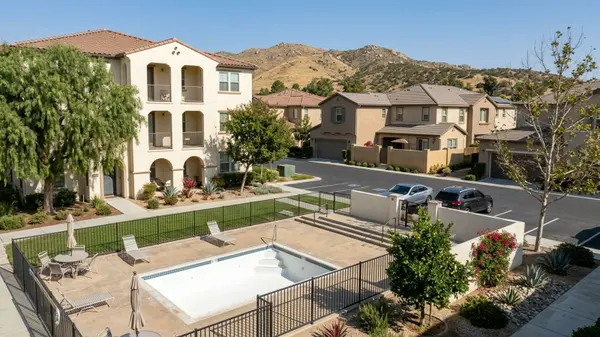
Many neighborhoods and condo complexes in Riverside carry HOA fees for exterior maintenance and shared amenities. The range varies, but neighborhood-level data puts a common figure at $200 to $400 per month.
Lenders count HOA dues in your DTI, so those fees affect what you can qualify for. And if a property has no HOA, that's not a savings - it just means you're the one responsible for setting aside money for maintenance and unexpected repairs.
Ways to Increase Your Purchasing Power
If a median-priced home is at the edge of what you qualify for, there are a few levers worth pulling. Paying down existing debt and increasing your available cash both directly affect what a lender will approve.
There are also specialized loan products and local assistance programs that can lower your upfront costs. A lower interest rate or help with the down payment shrinks your monthly obligation - sometimes enough to change what's in reach.
First-Time Buyer Programs
The City of Riverside First-Time Homebuyer Program offers up to $50,000 as a deferred-payment loan for income-qualifying buyers. The county adds another option through the Riverside County HOME FTHB program for eligible residents.
On the state level, the California Housing Finance Agency (CalHFA) runs two programs worth knowing: MyHome Assistance, which offers up to 3.5% of the purchase price, and the CalHFA ZIP program, which helps cover closing costs.
Loan Types and Credit Scores
Your credit score has a direct impact on your interest rate, and your interest rate has a direct impact on your monthly payment and maximum loan amount. Improving your score before you apply is one of the most straightforward ways to buy more house for the same income.
It's also worth comparing loan structures. FHA loans typically accept lower credit scores and smaller down payments, though they come with their own mortgage insurance requirements that affect your total monthly cost differently than conventional PMI.
Frequently Asked Questions
What is the 28/36 rule for mortgages?
The 28/36 rule is a standard affordability guideline: spend no more than 28% of your gross monthly income on housing costs, and no more than 36% on total debt. Lenders use similar ratios when calculating your maximum loan approval amount.
How do property taxes in Riverside County affect my monthly budget?
They add up. Riverside County homeowners typically pay a combined effective rate of 1.1% to 1.4% of the home's assessed value. Lenders divide that annual amount by 12 and fold it into your monthly mortgage payment, so it directly affects your DTI.
How much down payment do I need to buy in Riverside?
You don't need 20%. Conventional loans can go as low as 3% or 5% down, and FHA loans require 3.5%. The trade-off is that anything below 20% means you'll be paying monthly mortgage insurance.
How much annual income do I need to afford a median-priced home in Riverside?
It depends on your existing debts, your down payment, and the rate you qualify for. Buying a median-priced $660,000 home with 10% down at a 6.5% interest rate puts your total monthly payment somewhere between $4,600 and $4,900. You'd need a gross income high enough to keep that payment - plus any other debts - under your lender's DTI limit.
What extra costs like Mello-Roos or high fire insurance should I include in my Riverside housing budget?
Budget for local bonds, HOA fees, and homeowners insurance, which averages $1,324 to $2,211 annually in California. Riverside County's effective property tax rate of 1.1% to 1.4% generally accounts for base taxes plus local assessments. Homes in designated fire zones may require more expensive supplemental insurance policies on top of that.
Are there local first-time homebuyer programs in Riverside that can increase my buying power?
Yes. The City of Riverside offers up to $50,000 as a deferred-payment loan for income-qualifying buyers. The Riverside County HOME FTHB program is another option at the county level, and statewide CalHFA programs can help with down payments and closing costs.
Categories
Recent Posts