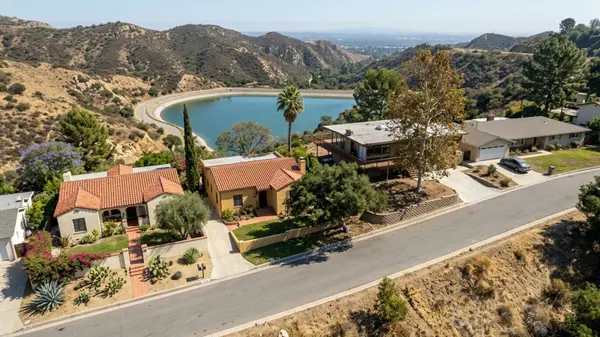
First-Time Home Buyer Programs and Grants in Riverside, CA (2026 Guide)
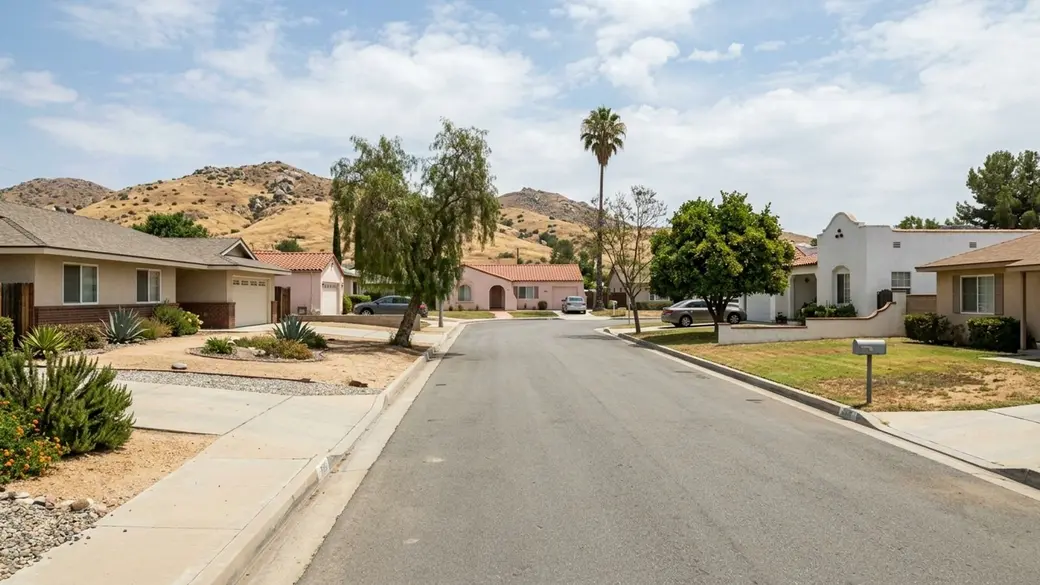
For anyone buying a home in Riverside, CA, the median sale price recently hit roughly $659,564. A standard 20% down payment on that number is over $130,000 in cash - before you've paid a single closing cost or inspection fee.
That's a real barrier, and it's exactly what state and local programs are designed to address. Riverside County buyers have access to deferred-payment loans, federal loan options, and down payment assistance that can meaningfully reduce the cash you need to close.
Overview of First-Time Home Buyer Programs in Riverside, CA
Riverside County's Housing and Workforce Solutions runs two main down payment assistance programs for local residents. The first is the HOME First-Time Home Buyer (FTHB) Program - a deferred, 0% interest loan up to the lesser of $75,000 or 20% of the home's sales price. No monthly payments. After a 15-year affordability period, that silent second mortgage converts to a grant and you're done with it.
The second is the PLHA FTHB program, which stretches the assistance higher - up to the lesser of $100,000 or 20% of the sales price - with a longer 30-year affordability period before it converts to a grant. Same deal on monthly payments: there aren't any. Both programs require applicants to complete an eight-hour HUD-approved homebuyer education course before you can access the funds.
State-Level Options Through CalHFA
The California Housing Finance Agency (CalHFA) offers statewide assistance for first-time buyers by pairing a first mortgage with subordinate loans to cover down payments and closing costs.
One thing to understand upfront: CalHFA does not lend directly to consumers. You'll work through an approved private lender to access these state funds, so your lender choice matters.
Federal Loan Choices for Riverside Buyers
Federal programs lower the floor on what you need to bring to closing. FHA loans require 3.5% down, while VA and USDA loans offer zero-down options for eligible military members and rural property buyers.
The FHA loan limit for Riverside County is currently set at $644,000. With the median home price sitting at $659,564, buyers near that price point will need to confirm their loan amount falls within the cap - or look at a conventional mortgage instead.
Down Payment Assistance and Grants in California
CalHFA's MyHome Assistance Program is a deferred-payment junior loan designed to help cover upfront purchasing costs. Paired with a CalHFA government first mortgage - FHA, VA, or USDA - MyHome provides up to the lesser of 3.5% of the purchase price or the appraised value. Paired with a conventional first mortgage, that cap drops to the lesser of 3% of the purchase price or appraised value.
The loan requires a minimum primary mortgage amount of $150,000. It accrues simple interest, carries no monthly payments, and doesn't come due until you sell, refinance, or pay off the first mortgage.
Past Programs and Funding Limits
Not every program you'll read about is still available. The Forgivable Equity Builder Loan (FEBL) - which provided up to 10% of the purchase price as a forgivable second mortgage - is currently unavailable. The initial $88 million allocation from the 2021 state budget was fully exhausted by late 2022, and as of 2026, it doesn't appear in the current CalHFA lineup. Focus your energy on MyHome or county-level options instead.
Securing a State or Local Grant
You can't walk into CalHFA or the county housing office and apply directly. You'll need a participating loan officer who is approved to originate CalHFA or Riverside County EDA loans - they're the ones who will pull together your financial profile, match you to the right assistance pool, and run both the primary mortgage and the subordinate loan through underwriting at the same time.
The documentation side is straightforward: standard mortgage paperwork plus proof of first-time buyer status. Approval for both loans happens simultaneously, so you're not waiting on two separate timelines.
Who Qualifies as a First-Time Buyer in California
Both Riverside County and state programs define a first-time home buyer as someone who has not held an ownership interest in their primary residence during the past three years. If you owned a home four years ago and have been renting since, you meet the baseline requirement.
Beyond that, eligibility comes down to household income, household size, and credit history - all measured against program-specific caps.
Riverside County Income Limits
The income limits here are worth reading carefully, because they vary quite a bit depending on which program you're pursuing.
For 2026, CalHFA qualifying income limits for Riverside County vary by specific program, with standard CalHFA limits reported around $205,000 and Dream For All limits near $164,000. Another estimate places the limit for a family of four at roughly $178,000 to $178,800. Riverside County's local HOME program caps income at 80% of the Area Median Income (AMI), while the PLHA program allows up to 120% AMI. For local HUD-based programs, the effective Very Low Income limit for a four-person household is $61,500 per year, and the Extremely Low Income limit is $36,900 per year.
In other words: the county programs have lower income ceilings than the state programs. Your lender will tell you which pool you're eligible for once they review your household income.
Credit Score Minimums for State Loans
CalHFA mandates minimum credit scores that vary by loan type. For CalHFA government loans, you'll need a minimum score of 660, though some specific government programs may accept a 640. CalHFA conventional loans require a 680 credit score for borrowers above the HomeReady 80% AMI limit, and a 660 for borrowers at or below that limit.
Common Reasons for Disqualification
Exceeding the income cap for a specific program is the most common disqualifier. Lenders calculate household income by looking at all earners who will live in the home - not just the primary borrower - so a two-income household can clear these limits faster than people expect.
Buying an investment property also disqualifies you. Every state and county first-time buyer program requires the home to be your primary residence. No exceptions.
Budgeting for a Home in Riverside, CA
Homes in Riverside, CA are spending roughly 38 days on the market before selling. With 443 active listings recently reported and a median sale price of approximately $659,564, there's inventory to look at - but the price point is real.
Some older guides still cite median prices closer to $570,000. Current market data shows prices have climbed past that, which means the income you need to qualify has climbed with it.
Applying the 3-3-3 Rule to Your Purchase
The 3-3-3 rule is a common affordability guideline. It suggests buyers save 30% of the home's value for the down payment and closing costs, cap their monthly mortgage payment at 30% of gross monthly income, and limit the home price to three times their gross annual income.
In Riverside, that math gets uncomfortable fast. A home priced at $659,564 would require an annual income of nearly $220,000 under the three-times-income metric - which is above most local assistance program income limits. The rule is useful as a framework, but don't expect it to map cleanly onto this market.
Matching Your Income to Local Home Prices
Lenders don't use the 3-3-3 rule anyway. They use a debt-to-income (DTI) ratio, and most conventional and government loans cap that ratio between 43% and 50%.
To afford a $400,000 mortgage at current interest rates, a buyer typically needs a gross annual income around $100,000 to $115,000, assuming minimal other debts. Car loans and student debt eat into that DTI quickly, so buyers carrying those obligations will need a higher income to offset the monthly load.
Down Payment Requirements by Loan Type
The minimum down payment depends entirely on the loan product you're using. Conventional loans for first-time buyers often require 3% down. FHA loans mandate 3.5%. VA and USDA loans allow 0% down for borrowers and properties that meet specific eligibility guidelines. Riverside buyers using down payment assistance can often cover these minimums entirely with grant funds or silent seconds.
Down Payment Math for a $300,000 Home
On a $300,000 purchase, a standard 3% conventional loan requires $9,000 down. An FHA loan at 3.5% bumps that to $10,500.
That's only part of what you're bringing to closing. Closing costs typically run 2% to 5% of the loan amount, which adds another $6,000 to $15,000 on a $300,000 home. Plan for both numbers, not just the down payment.
Buying Power With a $10,000 Down Payment
A $10,000 cash reserve covers the minimum 3% down payment on a home priced up to $333,000. At Riverside's current median, finding a single-family home at that price point is rare - condos and townhomes are the more realistic options in that range.
Pair that $10,000 with a MyHome assistance loan or a Riverside County HOME program grant, and your purchasing power increases considerably. The assistance covers the bulk of the required down payment, which lets your cash cover closing costs, inspections, and moving expenses instead of getting tied up in the down payment.
Lender Requirements and Tax Credits
CalHFA and Riverside County programs require the use of approved lenders - state and local agencies don't originate these loans themselves. Before you get too far into the process, verify that your loan officer is authorized to process Riverside County EDA programs or CalHFA products. They handle the application for both the primary mortgage and the subordinate assistance loan, so working with someone who doesn't have that authorization creates problems.
State and Local Tax Incentives
Homeownership comes with specific tax deductions. Buyers can typically deduct mortgage interest and property taxes on their federal and state returns.
The exact benefit depends on your loan amount, local tax rates, and your overall financial picture, so it's worth sitting down with a tax professional after you close to understand how the purchase affects your annual filings.
Mortgage Credit Certificates Explained
A Mortgage Credit Certificate (MCC) lets first-time buyers convert a portion of their annual mortgage interest into a direct dollar-for-dollar tax credit - reducing federal tax liability and potentially helping you qualify for a larger loan.
Availability depends on state and local funding allocations, so ask your approved lender whether an MCC program is currently funded and active in Riverside County. It's not always available, but when it is, it's worth using.
How to Apply for Assistance in Riverside, CA
The process starts with education, not paperwork. Both the Riverside County HOME and PLHA programs require applicants to complete an eight-hour HUD-approved homebuyer education course before anything else moves forward.
Once that's done, you'll gather your financial documentation and apply for pre-approval with an authorized lender. They'll pull credit reports, verify income, and calculate the maximum loan amount - for both the primary mortgage and any assistance you're eligible for.
Gathering Your Financial Documents
You'll need your two most recent pay stubs, two years of W-2s, two years of federal tax returns, and two months of bank statements to verify your down payment funds. If any of that down payment is coming from a family member, the lender will require a signed gift letter confirming the money doesn't need to be repaid.
Get these together early. Delays in documentation are the most common reason closings slow down.
A Worked Affordability Example
Take a buyer using the Riverside County HOME program on a $500,000 house. The program provides a deferred loan capped at $75,000 toward the down payment. With that $75,000 silent second in place, the buyer's primary loan drops to $425,000 - lowering the monthly principal and interest payment, making the home workable on a moderate income. The $75,000 sits at 0% interest with no monthly payments and converts to a grant after 15 years.
It's not a perfect solution for every buyer, but for the right purchase price and the right income profile, it moves the math in your favor.
Frequently Asked Questions
What disqualifies you as a first-time home buyer in California?
You're disqualified if you've held an ownership interest in a primary residence within the past three years. Exceeding the program's household income limits or failing to meet the minimum credit score - typically 660 for state government loans - will also disqualify you.
What is the first-time home buyer grant in Riverside, CA and how much is it?
Riverside County offers the HOME program, which provides up to $75,000 or 20% of the purchase price as a 0% interest deferred loan that converts to a grant after 15 years. The county also offers the PLHA program, which provides up to $100,000 or 20% of the price, converting to a grant after 30 years.
What salary do you need to afford a $300K–$400K house in Riverside?
To afford a $400,000 mortgage, buyers generally need a gross annual income between $100,000 and $115,000. The exact figure depends on current interest rates and your existing monthly debts, such as car loans or credit cards.
How much down payment do first-time buyers need for a home in Riverside?
It depends on the loan type. FHA loans require 3.5%, conventional loans typically require 3%, and VA or USDA loans allow 0% down for eligible buyers.
What is the step-by-step process to apply for first-time buyer assistance in Riverside?
First, complete an eight-hour HUD-approved homebuyer education course. Then gather your financial documents and apply with a participating lender who is authorized to originate CalHFA or Riverside County loans.
Which tax credits are available for first-time home buyers in Riverside County?
Buyers can deduct property taxes and mortgage interest on their tax returns. If state funding is available, you may also qualify for a Mortgage Credit Certificate (MCC), which converts a portion of mortgage interest into a direct federal tax credit.
Categories
Recent Posts