Riverside vs Corona, CA: Which Inland Empire City is Right for You?
Southern California real estate is notoriously competitive, and finding the right place to buy a home often comes down to balancing your budget with your daily drive. As buyers look for more space and better affordability, many are moving eastward away from the coast. If you are looking to relocate to or within the Inland Empire, you have likely narrowed your search to Riverside and Corona.
These neighboring cities in Riverside County, California, offer distinct advantages for homebuyers, real estate investors, and daily commuters alike. Both have experienced significant growth over the last decade, transforming from quiet citrus towns into bustling economic hubs. The choice usually boils down to one main dilemma: Corona's incredible geographic edge for commuting versus Riverside's lower cost of living and historic charm. Let's grab a coffee and break down what it really looks like to buy a home and settle down in these two areas.
Housing Market Trends: Median Home Prices and Real Estate
Let's start with housing costs, since that is usually the biggest factor when choosing between Riverside and Corona. Buying a home in either city means navigating a dynamic real estate market, but the price tags and property styles differ quite a bit.
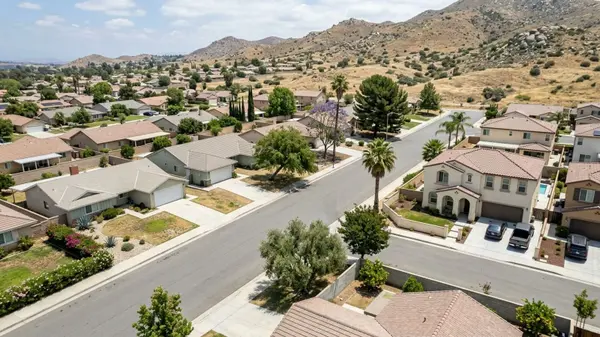
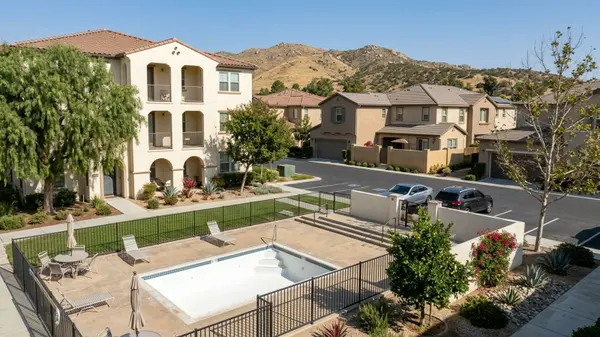
Corona commands a noticeable premium primarily due to its location right on the border of Orange County, California. If you are looking at the Corona market for 2025 and 2026, you will generally see the median home price hovering roughly between $750,000 and $800,000. Much of this inventory includes newer construction and master-planned developments, especially when you look toward areas like South Corona. You will find plenty of spacious, modern homes with multi-car garages and updated amenities that cater to modern buyers.
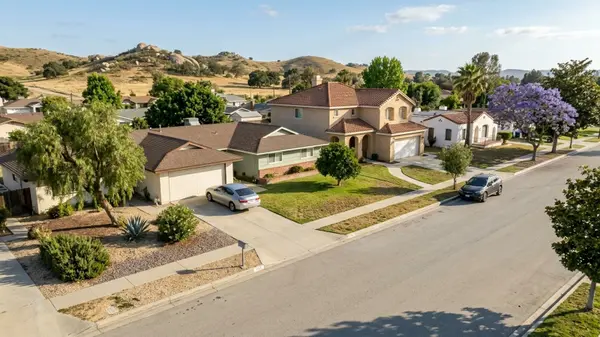
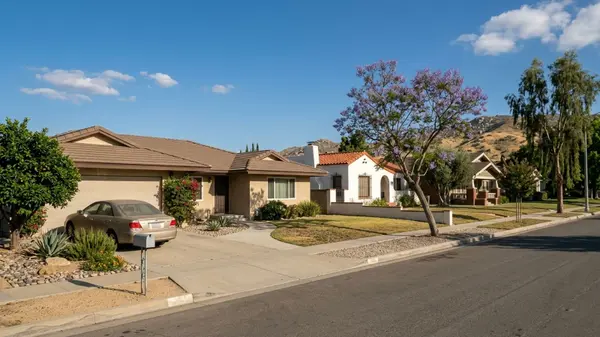
On the other hand, Riverside offers a bit more breathing room for your budget. The median home price here typically ranges from $600,000 to $665,000, making it a very attractive option for first-time buyers or those looking to get more square footage for their money. Riverside is known for its housing diversity, offering everything from historic downtown homes with tons of character to larger, sprawling lots on the edge of town. Understanding median home prices in California is crucial, and Riverside definitely provides a more accessible entry point for many.
Investors also frequently look at Riverside due to the steady rental demand. The local student population and university staff provide a consistent pool of renters. Meanwhile, those looking for turnkey suburban properties often focus their searches on Corona.
Best Neighborhoods to Consider
When you start touring homes, you will quickly notice that both cities have distinct pockets that appeal to different lifestyles. Getting to know the best neighborhoods is the first step in narrowing down your search.
Here is a quick look at some of the most popular areas:
-
Riverside neighborhoods: Buyers often gravitate toward Canyon Crest, Arlington, and Orangecrest for their varied architecture, generous lot sizes, and proximity to retail centers.
-
Corona neighborhoods: Popular areas include South Corona, Dos Lagos, and Eagle Glen, which are highly sought after for their master-planned layouts and easy freeway access.
It is also worth noting the educational boundaries when you are house hunting. Homes in these areas will fall under either the Corona-Norco Unified School District or the Riverside Unified School District. I always recommend pulling up the specific boundary maps for any property you are seriously considering, as district lines can weave through neighborhoods in unexpected ways. Proximity to public schools is a major driving factor for property values in both cities.
Cost of Living Comparison
From there, it is smart to look at the broader cost of living beyond just your monthly mortgage payment. While Riverside and Corona share the same county, your overall household budget will look a bit different depending on where you land.
Housing costs are undoubtedly the primary driver of the cost of living gap between the two cities. Because they are neighbors, your general expenses like groceries, utilities, and state taxes are going to be relatively similar. A trip to the local supermarket or your monthly electricity bill will not change much whether you are living in Corona or Riverside.
However, property taxes and neighborhood fees can shift the math. In newer Corona developments, you might encounter Mello-Roos fees, which are special tax assessments used to fund local infrastructure like roads and public schools. When you add up the higher home prices and potential extra assessments, Corona is generally about 10% more expensive overall compared to Riverside.
If you are trying to calculate the true cost of living in Southern California, keeping an eye on those supplemental tax bills is essential. A home that looks affordable on paper can suddenly stretch your budget once homeowners association dues and special assessments are factored into your monthly payment.
The Commuter's Reality: Traffic to Orange County and Los Angeles
Now, let's talk about the daily drive, because living in the Inland Empire often means commuting to coastal job centers. This is where Corona really flexes its geographic advantage.
Corona sits right on the border of Orange County, which is a massive selling point for anyone working in Irvine, Anaheim, or those needing proximity to Los Angeles. The 91 freeway is the main artery connecting these regions, and it is famous for its heavy traffic. Being in Corona means you are already positioned at the gateway, shaving precious miles off that daily trek.
If you choose Riverside, you need to factor in the extra distance. Riverside residents often face an additional 15 to 30 minutes of driving each way compared to Corona residents when heading west. That adds up to a lot of podcast hours over the course of a year. To manage this, many commuters rely on the 91 Express Lanes, which means you will want to factor toll costs into your monthly transportation budget to keep your commute predictable.
Thankfully, driving is not the only option. Both cities are served by Metrolink (California) stations, providing a fantastic public transportation alternative. Taking the train can completely remove the freeway stress, making both cities viable options if your workplace is close to a station.
Lifestyle and Amenities: Historic Charm vs. Suburban Quiet
Beyond the numbers and the commute, you have to actually enjoy where you live. The day-to-day vibe in these two cities is distinctly different, offering a choice between a vibrant cultural hub and a quiet, retail-friendly retreat.
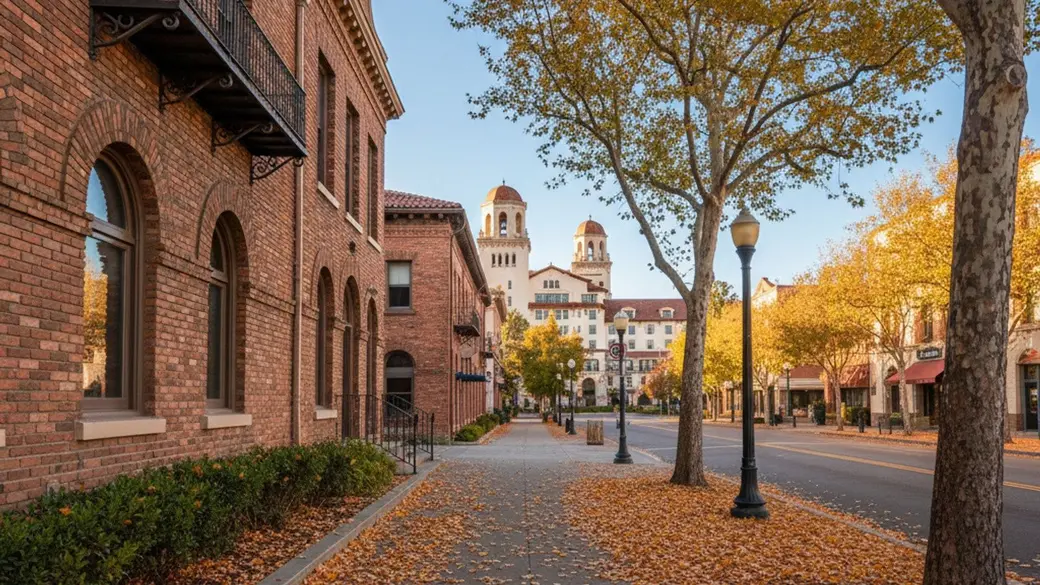
Riverside is deeply rooted in its rich history and boasts a vibrant arts scene. Downtown Riverside is a major draw, anchored by the stunning historic architecture of The Mission Inn Hotel & Spa. The city also benefits from the economic and cultural boost provided by the University of California, Riverside, which brings independent coffee shops, art galleries, and a lively energy to the surrounding neighborhoods.
If you love spending your weekends exploring historic districts or walking up Mt. Rubidoux for panoramic views, Riverside has a lot to offer. The downtown area frequently hosts community events, farmers markets, and art walks that give the city a very distinct, established personality.
Corona, by contrast, offers a quieter, more suburban environment. It is highly retail-heavy, meaning you are never far from major shopping centers like Dos Lagos, dining, and everyday conveniences. Outdoor recreation is also a big part of the lifestyle here, with fantastic access to the Cleveland National Forest. Residents spend their weekends exploring local hiking trails and enjoying the well-maintained parks scattered throughout the master-planned communities.
Final Verdict: Choosing Between Riverside and Corona
Making the final call between Riverside and Corona really comes down to what you value most in your day-to-day life. Both are fantastic places to put down roots, but they serve different priorities for different buyers.
You should lean toward Corona if minimizing your commute time to Orange County or Los Angeles is your absolute top priority and your budget comfortably allows for higher home prices. The time saved on the 91 freeway is often worth the premium for daily commuters who want to reclaim their evenings.
On the flip side, choosing between Riverside and Corona becomes easy if maximizing your housing affordability and securing a larger lot size are your key factors. Riverside is the clear winner if you want access to a historic, vibrant downtown Riverside experience and a slightly lower overall cost of living. Ultimately, the best way to decide is to spend a weekend touring both cities, grabbing lunch in their respective neighborhoods, and contacting a local real estate agent to see which one feels like home.
Frequently Asked Questions
Is it cheaper to live in Riverside or Corona?
Yes, Riverside is generally the more affordable option. Because the median home price in Riverside is roughly $600,000 to $665,000 compared to Corona's $750,000 to $800,000, your monthly housing costs will be noticeably lower. Overall, the cost of living in Corona runs about 10% higher due to these real estate premiums and potential Mello-Roos taxes in newer neighborhoods.
How much shorter is the commute from Corona to Orange County compared to Riverside?
Living in Corona typically saves you about 15 to 30 minutes of driving each way when commuting to Orange County job hubs like Irvine or Anaheim. Because Corona sits right on the county line, you bypass the stretch of the 91 freeway that connects Riverside to Corona, which is notorious for heavy bottleneck traffic.
What are the major school districts serving Riverside and Corona?
Homes in Corona are primarily served by the Corona-Norco Unified School District, which oversees numerous campuses throughout the city's master-planned areas. If you buy in Riverside, your home will likely fall within the boundaries of the Riverside Unified School District. I always advise buyers to verify the specific district and school assignments for any individual property address before making an offer.
Categories
Recent Posts