The Complete History of Riverside, California: From Citrus Groves to Modern Hub
Welcome to Riverside, a true cornerstone of the Inland Empire. When I sit down with buyers over coffee to discuss homes in this area, they are often surprised by just how deep the local roots go. Riverside isn't just a sprawling modern suburb - it has a rich, fascinating legacy that completely transformed the California landscape.
The story of this area shifts dramatically from early Native American settlements and Spanish explorers to a booming agricultural metropolis that literally changed the world's breakfast tables. Many people move here for the beautiful weather and the vibrant local economy, but they end up falling in love with the historic charm that is woven into the very fabric of the community.
If you are looking at living in the Inland Empire, understanding this background gives you a whole new appreciation for the diverse local architecture and the layout of our streets. Let's start from the beginning and explore the city's visionary founders, how it got its unique name, and the legendary navel oranges that put us on the global map.
Early Inhabitants and the Founding of Riverside
Long before the first orange groves were ever planted, this land was home to thriving indigenous communities. Exploring this early timeline is essential to understanding the true foundation of our city and the broader region. The original inhabitants of the area were the Cahuilla and Serrano peoples, who lived off the natural resources of the surrounding valleys and the nearby river. Their deep connection to the land and extensive trading networks long predate any modern settlement.
Later on, European exploration began to change the landscape. Spanish explorers like Juan Bautista de Anza journeyed through the region in the late 1700s, opening the door to a new era of travel and trade. This eventually led to the establishment of massive land grants like Rancho Jurupa. During the Rancho era, the area was characterized by vast open spaces and cattle ranching, a quiet pastoral lifestyle that defined Southern California for decades.
The modern version of the city really began to take shape a bit later, specifically in 1870. That is when a passionate abolitionist and visionary named John W. North established the Southern California Colony Association. He wanted to create a progressive community focused on education, culture, and innovation, drawing forward-thinking settlers from the East Coast and Midwest to the region.
If you want to see a tangible piece of this early transitional era, you can still visit the Trujillo Adobe. Built around 1862, it stands proudly as the oldest remaining structure predating the city's official incorporation. It serves as a quiet reminder of the pioneers who first saw the potential of this valley.
How Did Riverside, CA Get Its Name?
People often ask me how a city located in a relatively arid, inland region ended up with a water-themed name. The answer comes down to pure geography, strategic planning, and the sheer necessity of survival. Riverside got its name quite literally because it was founded right beside the Santa Ana River.
When the early settlers arrived, they knew that reliable water access was the only way to build a sustainable community in the dry Southern California climate. Originally, the area was known by its land grant name, Jurupa, but the founders intentionally rebranded it to highlight its most valuable natural resource. That close proximity to the river was an absolute game changer for the region's development.
The river allowed the founders to dig an extensive network of irrigation canals that diverted water directly into the dry, dusty valleys. Those early engineering efforts required immense manual labor, but they successfully turned parched dirt into highly farmable land. By securing a steady water supply, the early residents set the stage for the massive agricultural boom that was just around the corner.
The Citrus Industry and the Washington Navel Orange
You simply cannot talk about a Riverside, CA real estate guide or local history without talking about the citrus industry. The agricultural boom here was so massive and transformative that it is often referred to as California's Second Gold Rush. It all started in 1873 when a local resident named Eliza Tibbets received two very special Brazilian navel orange trees.
These trees were sent to her by William Saunders, a botanist at the United States Department of Agriculture. She planted them in her front yard, and thanks to our unique local climate, those trees didn't just survive - they absolutely thrived. The Washington navel orange was a winter-ripening fruit that was sweet, completely seedless, and peeled easily, making it absolutely perfect for the commercial market.
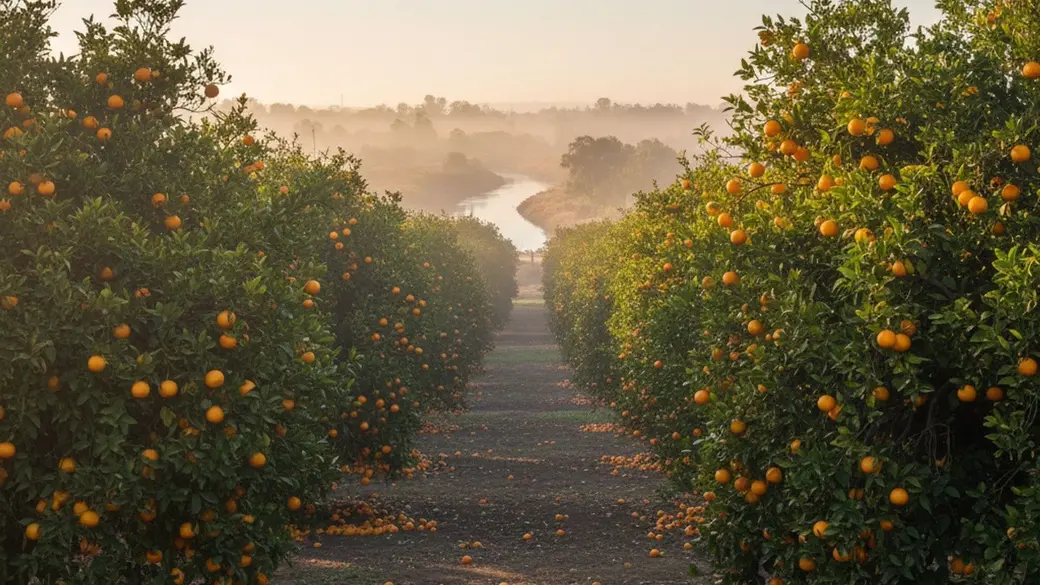
Within a few short years, the local landscape was completely blanketed in lush, green orange groves. This rapid agricultural growth led to the construction of massive packing houses that processed the fruit for export. Combined with the invention of the refrigerated rail car, local growers were suddenly able to ship fresh oranges across the entire country, creating a national sensation.
The financial impact of this citrus boom was staggering. The local economy exploded, bringing in historical revenues that would easily surpass $500,000,000 in today's economy. The industry generated so much wealth that by 1895, Riverside became the wealthiest city per capita in the entire United States.
Iconic Landmarks: The Mission Inn and Riverside Parks
All that early citrus wealth was poured directly back into the city's architecture, infrastructure, and public spaces. Today, we get to enjoy some truly spectacular historic landmarks as a result, many of which you will see when exploring the top things to do in Riverside, CA.
-
The Mission Inn Hotel & Spa: What started out as a modest adobe boarding house was transformed by Frank A. Miller into a sprawling architectural masterpiece. He championed the Mission Revival style, turning the property into the largest building of its kind in the country, with the first wing of the current structure opening in 1903. It has since hosted numerous U.S. Presidents, royalty, and countless visitors drawn to its stunning archways and courtyards.
-
California Citrus State Historic Park: This beautiful open-air museum perfectly preserves the cultural landscape of the citrus industry. Walking through the active groves gives visitors a real, tactile sense of what the early agricultural days looked and felt like, complete with the sweet smell of orange blossoms in the spring.
-
Historic Green Spaces: The city invested heavily in public areas, creating stunning spots like Fairmount Park - famously designed by the Olmsted firm, the same visionary landscape architects behind New York's Central Park. The city also features charming local favorites like Evans Park and Low Park, which offer incredible outdoor amenities.
-
Mount Rubidoux: Rising prominently above the city, this iconic hill has been a defining local landmark for well over a century. It features historic markers, a peace tower, and paved trails that provide incredible panoramic views of the entire valley, making it a favorite daily hike for locals.
From Citrus Capital to Modern Inland Empire
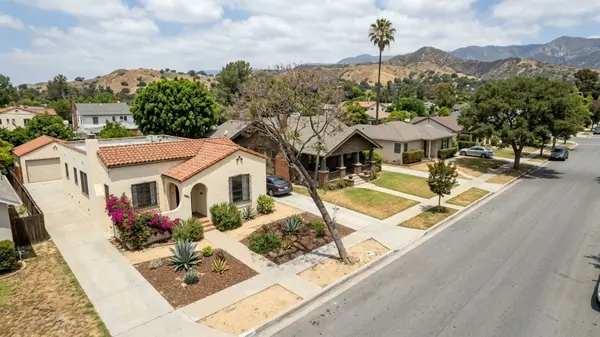
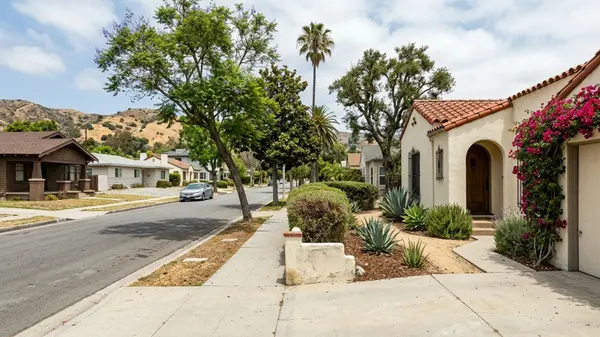
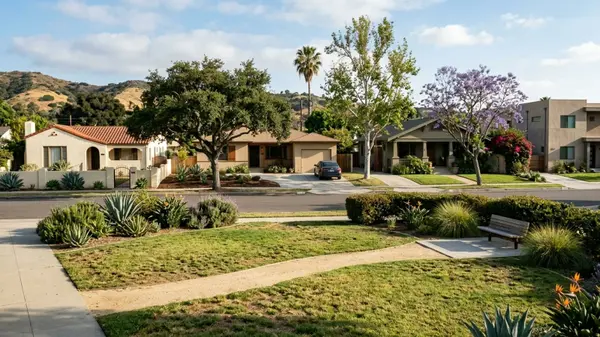
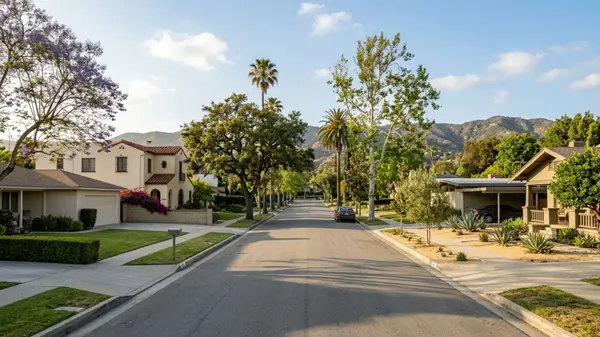
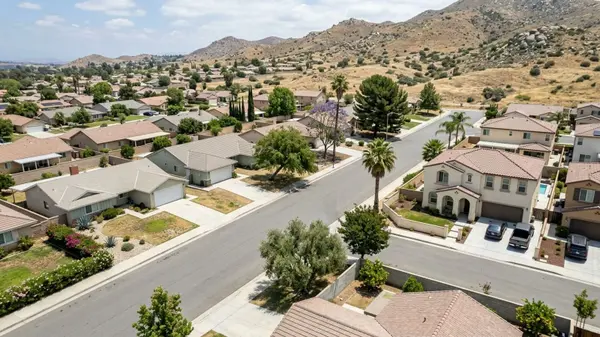
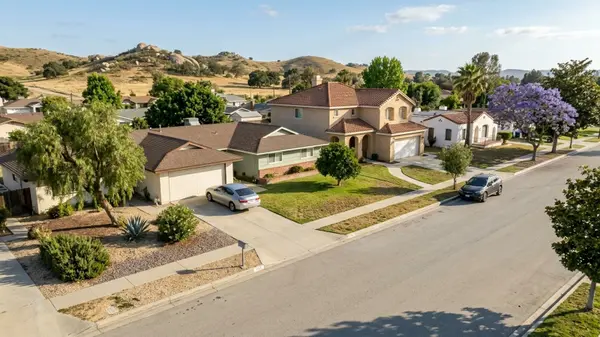
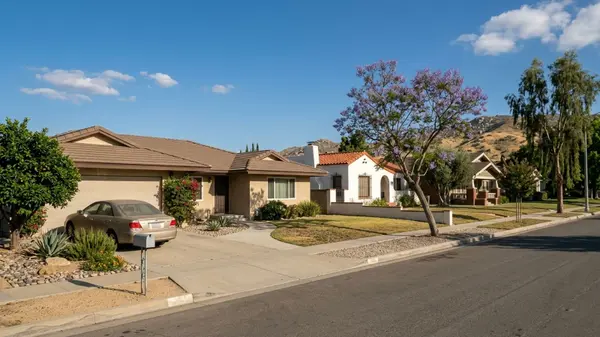
Over the decades, the endless rows of orange trees gradually gave way to new residential neighborhoods and bustling commercial centers. Following the post-war housing boom, the area expanded rapidly, blending historic Craftsman bungalows with mid-century modern architecture. Yet, the city managed to grow and modernize without losing its deep historical soul.
The transition from a strictly agricultural economy to a diverse modern city brought major new institutions to the area. A perfect example is the establishment of the University of California, Riverside. Originally founded in the early 1900s as a humble citrus experiment station to support local growers, it evolved into a world-class university. Today, the campus turns the city into a major center for education, medical research, and the arts.
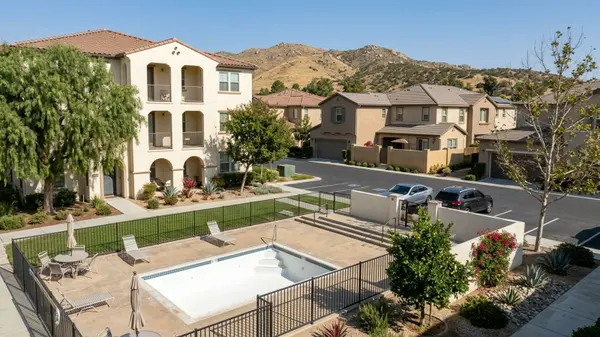
Today, when you explore our local communities and read through a Riverside, CA neighborhoods guide, you see a city that actively honors its past. From beautifully preserved historic packing houses that have been seamlessly repurposed into modern food halls and markets, to vibrant cultural districts, the history of Riverside remains a visible, everyday part of local life.
Frequently Asked Questions About Riverside's History
As a local real estate expert, I get a lot of questions from buyers who are fascinated by the background of Riverside county. Knowing the local lore is a fun part of getting to know your new hometown. Here are a few of the most common historical questions people ask.
Why is Riverside, CA famous?
Riverside is most famous for being the historic birthplace of the California citrus industry, thanks to the introduction of the Washington navel orange in 1873. It is also globally recognized for its stunning Mission Revival architecture, most notably the iconic Mission Inn Hotel & Spa located right in the heart of downtown.
What is the oldest building in Riverside, CA?
The Trujillo Adobe is widely considered the oldest surviving structure in the area, having been built around 1862 before the city was officially founded. If you are looking strictly at the downtown commercial district, the historic Loring Building holds the title for the oldest building on Main Street.
When was Riverside the richest City?
Riverside reached its absolute peak of agricultural wealth in 1895. Thanks to the massive success of the navel orange and the booming national citrus export market, it officially became the wealthiest city per capita in the United States during that year.
Categories
Recent Posts