Is Riverside, CA Good for Families? A Local's Look at the Data
When buyers look at moving to the Inland Empire, one of the first questions I hear over coffee is usually, "Is Riverside, CA good for families?" To answer that honestly, we have to look past the marketing brochures and dive into the actual data on housing, schools, and daily life. Riverside stands out as a major historical and economic hub in Southern California, offering a strong sense of community just about 50 miles east of Los Angeles and Orange County.
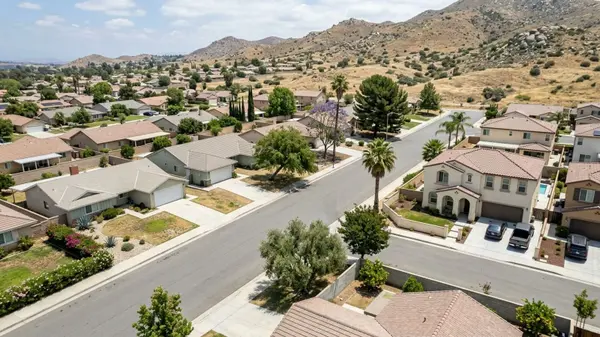
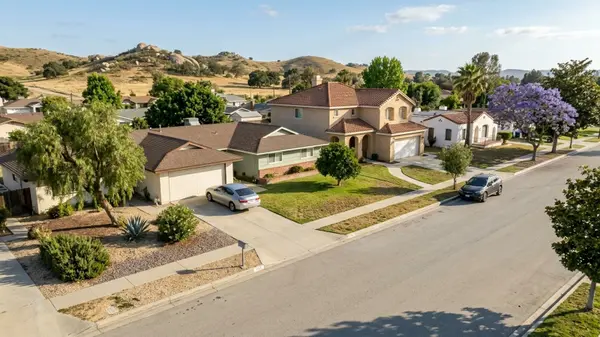
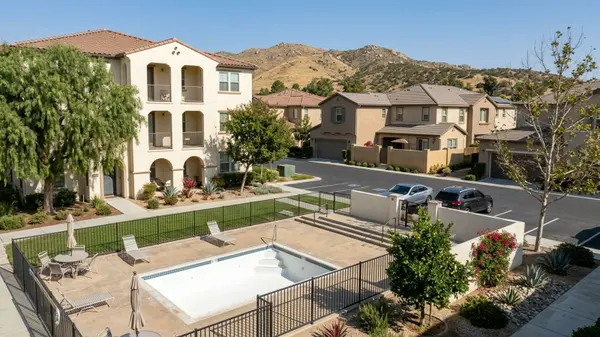
People are primarily drawn here for the housing affordability, the clear proximity to schools and parks, and the wide range of recreational amenities. It gives households a chance to find larger homes and bigger yards without sacrificing access to major employment centers. The city has grown significantly over the years, blending historic neighborhoods with newer, master-planned developments.
If you are weighing a move, it helps to look at the hard numbers. Let's break down the local school ratings, objective crime statistics, and cost of living comparisons to see if Riverside fits your household's long-term goals.
Housing Affordability and Cost of Living in Riverside vs. Coastal Cities
Let's start with housing costs, which is usually the biggest factor driving buyers toward the Inland Empire. Compared to the steep prices in coastal Southern California, Riverside offers a much more approachable entry point into homeownership. Buyers who felt priced out of Los Angeles often find they have real purchasing power once they cross into Riverside County.
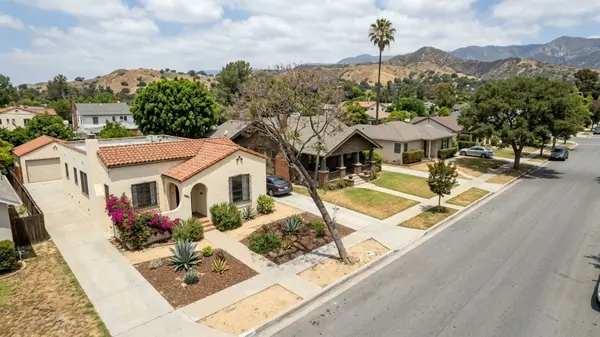
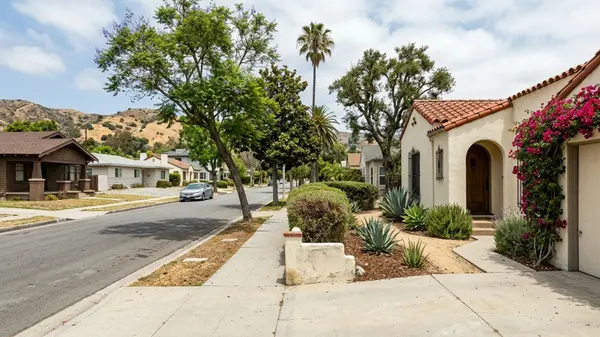
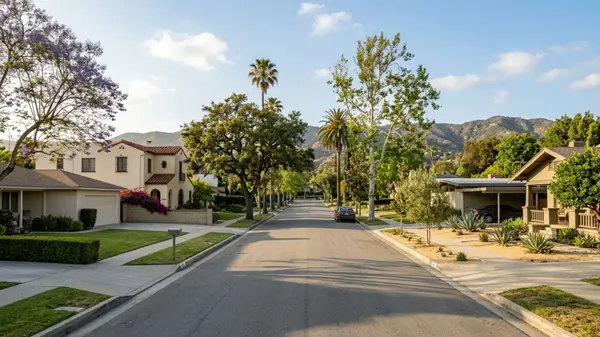
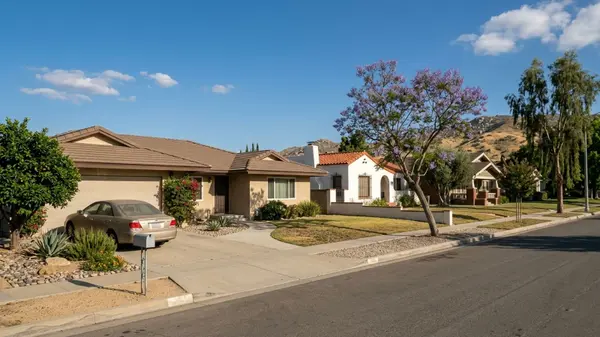
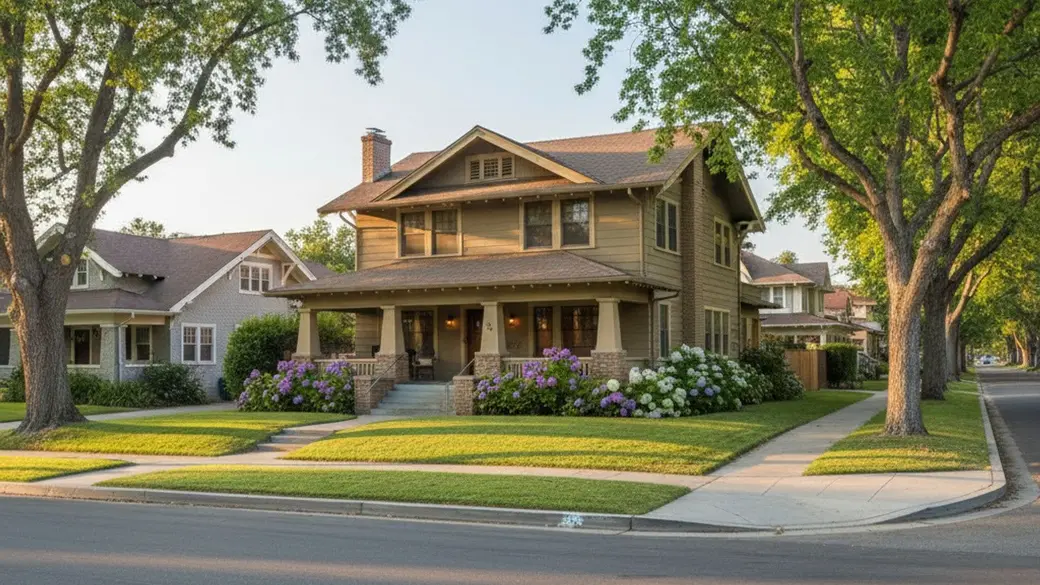
As of early 2026, the median home price in Riverside sits roughly between $600,000 and $665,000. For that price, you are generally getting significantly more square footage and larger lot sizes than you would in a coastal market. Buyers looking for architectural character often gravitate toward the historic craftsman homes in the Wood Streets neighborhood, which offer classic design on beautiful, mature tree-lined streets. If you prefer newer construction, areas on the southern and eastern edges of the city offer spacious real estate with modern floor plans.
Beyond just the mortgage, your everyday living expenses are noticeably lighter here. Residents typically see their costs for groceries, utilities, and transportation run about 15 to 30 percent lower than in neighboring coastal cities. When you sit down to map out a household budget, those savings on daily necessities add up quickly, leaving more room for savings or recreation.
The local economy is also robust, meaning you do not necessarily have to commute to the coast for work. Major local employers like Kaiser Permanente and the University of California, Riverside provide strong job anchors right in town. This combination of lower housing costs and strong local employment makes living in Riverside a very practical financial choice.
Riverside, CA Crime Rates and Neighborhood Data
From there, it is smart to look at local crime rates and neighborhood statistics. Riverside has seen some highly encouraging trends recently when it comes to property crime reduction. When evaluating where to buy, looking at the objective numbers helps paint a clear picture of the community.
According to recent data from the Riverside Police Department, the city experienced a notable 30.2 percent drop in burglaries and a 22 percent decrease in vehicle thefts year-over-year. When looking for neighborhoods with low crime rates, buyers often focus on areas like Alessandro Heights, Orangecrest, Woodcrest, Canyon Crest, and Hawarden Hills. These areas consistently show lower reported crime metrics across the board.
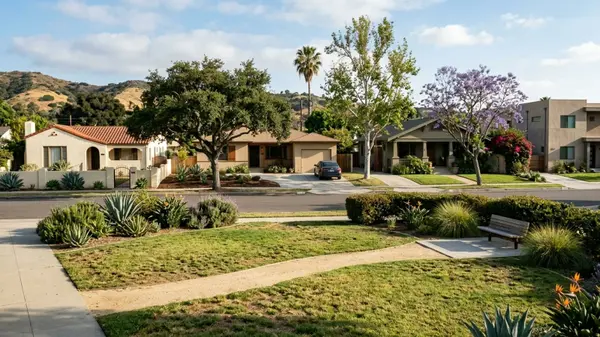
These specific neighborhoods also feature objective community benefits like large lot sizes, well-maintained sidewalks, and close proximity to elementary schools. You will notice a high playground density in these areas, making it easy to access outdoor space without getting in the car. The physical layout of these neighborhoods, with cul-de-sacs and limited through-traffic, often contributes to the lower property crime rates.
Many of these communities actively maintain structured neighborhood watch programs and local community centers. If you are touring homes for sale in Riverside, checking out the activity at these local centers can give you a great feel for the area's engagement. A highly engaged neighborhood often correlates directly with better long-term property values and a stronger sense of local pride.
Riverside, CA Public School District Ratings and Higher Education
Education is another major priority for households relocating to the area. Riverside offers a variety of educational opportunities, with a few standout institutions that draw buyers to specific neighborhoods. Understanding the local zoning boundaries is a critical step in your home search.
The city is primarily served by two main districts: the Riverside Unified School District and the Alvord Unified School District. When comparing the two, Riverside Unified generally features higher standardized test scores and serves the majority of the city's students, particularly in the central and eastern neighborhoods. Alvord Unified serves the western edge of the city and parts of neighboring Corona.
For households focused heavily on academics, the Riverside STEM Academy is a major draw. It currently ranks as the number one public school in Riverside County and sits among the top 20 in all of California. Other highly rated campuses include Benjamin Franklin Elementary and Martin Luther King Junior High, both of which consistently post strong academic metrics and high graduation rates.
Higher education is also a cornerstone of the city's identity. The University of California, Riverside brings a vibrant academic presence, offering extensive local degree programs and contributing heavily to the local research economy. Having UCR in town provides residents with access to university libraries, public lectures, and collegiate athletic events.
Parks, Recreation, and Community Amenities in Riverside
When you are not working or at school, Riverside has plenty of amenities to keep you busy. The city is packed with outdoor recreation and cultural spots that rival much larger metropolitan areas. You do not have to drive out of town to find a great weekend activity.
Nature lovers have excellent access to hiking and biking trails right in their backyard. You can explore the rugged terrain and native wildlife at Sycamore Canyon Wilderness Park, hike the steep trails up Box Springs Mountain for panoramic valley views, or take a long, flat bike ride along the Santa Ana River Trail. These open spaces provide a fantastic escape from the suburban hustle.
For everyday outings, Ryan Bonaminio Park and California Citrus State Historic Park offer expansive picnic areas, large playgrounds, and paved walking trails. If you are looking for indoor culture, the Riverside Art Museum and the historic The Mission Inn Hotel & Spa in downtown Riverside are incredible local landmarks. The downtown area also offers excellent shopping and dining, blending historic Spanish Revival architecture with modern restaurants and boutiques.
When the weekend rolls around, you might also visit Castle Park. This local amusement park features miniature golf, arcade games, and recreational activities that give residents a fun local entertainment option. It is a staple of the community and provides a great alternative to the larger, more expensive theme parks in neighboring counties.
Pros and Cons of Living in Riverside, California
Every city has its trade-offs, and Riverside is no exception. Weighing the measurable pros and cons can help you decide if this part of the Inland Empire is the right match for your household's lifestyle and budget.
Here is a quick look at the objective advantages and disadvantages of moving to the area:
-
Pro: The city offers a strong sense of community alongside a much lower cost of living and better housing affordability compared to coastal California. You simply get more house for your money here.
-
Pro: Residents have excellent access to state parks, extensive outdoor recreation, and highly rated STEM schools. The local amenities rival those of much more expensive cities.
-
Con: The summer heat can be intense. Daily high temperatures frequently exceed 90 degrees from July through September, meaning reliable air conditioning is an absolute must.
-
Con: Buyers should be aware of air quality concerns and heavy traffic congestion during peak commuting hours. If your job requires you to drive into Los Angeles or Orange County daily, the commute on the 91 freeway can be quite taxing.
Frequently Asked Questions
What are the top public schools serving Riverside?
The Riverside STEM Academy is widely recognized as the top public school in the area, ranking number one in Riverside County and offering a rigorous math and science curriculum. Other high-performing options within the Riverside Unified School District include Benjamin Franklin Elementary and Martin Luther King Junior High, both known for strong standardized test scores.
What is the cost of living in Riverside compared to coastal cities?
Living in Riverside is notably more affordable, with overall everyday expenses running about 15 to 30 percent lower than in Los Angeles or Orange County. The median home price sits between $600,000 and $665,000, offering buyers significantly more square footage and larger lots than coastal properties.
What are the pros and cons of living in Riverside, California?
The biggest advantages are housing affordability, highly rated public schools, and incredible access to local parks and outdoor recreation. On the downside, residents have to navigate intense summer heat that regularly tops 90 degrees, occasional air quality concerns, and dense freeway traffic if commuting toward the coast.
Categories
Recent Posts