Riverside vs Redlands, CA: A Local's Guide to Inland Empire Living
Grab a cup of coffee and let us talk about Southern California real estate. If you are reading an Inland Empire relocation guide, you have likely narrowed your search down to two standout choices - Riverside and Redlands. Both of these cities are fantastic places to put down roots, but they offer completely different day-to-day experiences for residents.
Riverside is a bustling, economically diverse hub with a population of roughly 319,000 people. It serves as a major center for the region, bringing a lot of energy, infrastructure, and big-city convenience to the table. On the flip side, Redlands is a much smaller community of about 74,000 residents. It is widely known for its historic roots, citrus heritage, and a distinctly slower pace of life. Whether you are buying your first home, looking for an investment property, or seeking a fresh start in California, understanding the distinct personalities of these two markets is the first step in making the right move.
Vibe and Lifestyle: Big City Amenities vs. Small Town Feel
Let us look at the daily atmosphere you will experience when you step out your front door. Riverside leans heavily into its big city amenities, offering a vibrant arts scene, highly diverse dining options, and plenty of entertainment venues. Downtown Riverside is a lively, walkable spot where you can catch a show at the Fox Performing Arts Center, grab dinner at a locally owned restaurant, or browse unique shops near the historic Mission Inn. It feels like a city that is always moving, offering something to do on any given night of the week.
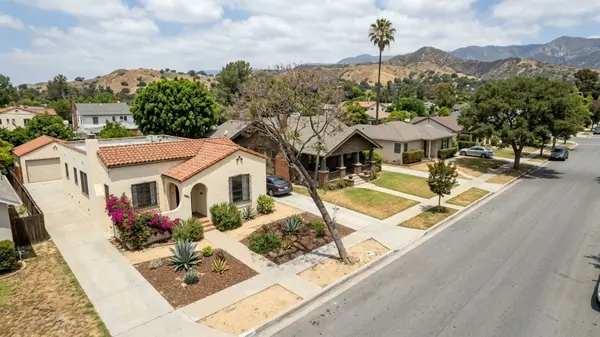
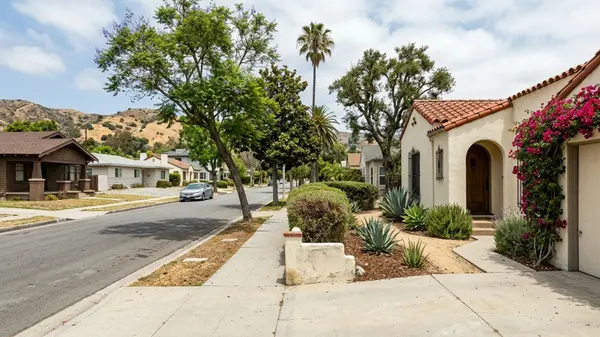
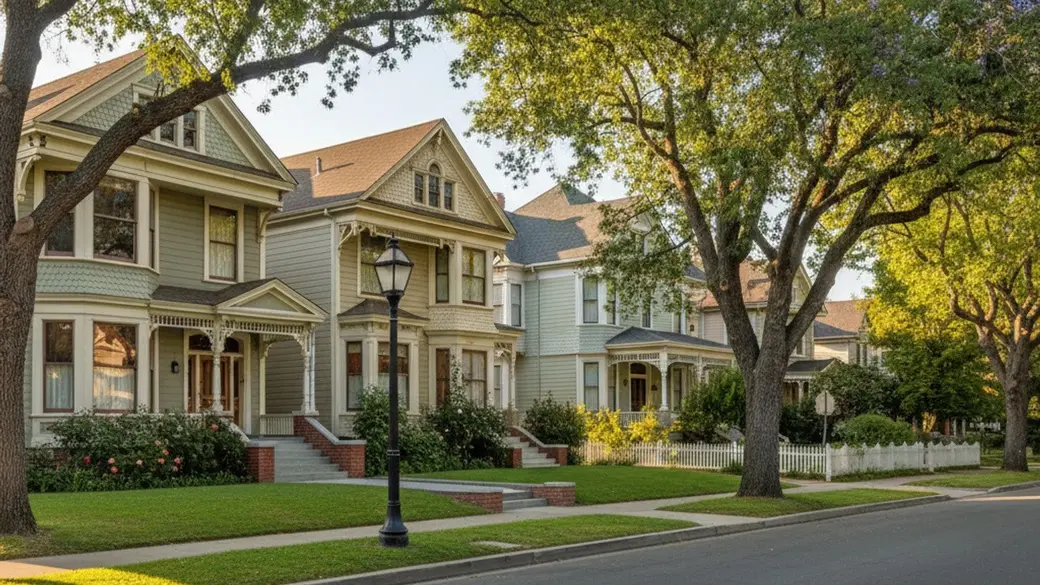
Redlands provides a stark contrast with its famous historic charm and a relaxed town feel. Taking a walk past the old Victorian homes near downtown Redlands feels like stepping back in time. The local businesses, tree-lined streets, and independent coffee shops give it a community-focused energy that many buyers specifically seek out when escaping larger metropolitan areas. It is the kind of town where local farmers markets and summer music events dictate the weekend schedule.
No matter which vibe you prefer, both locations keep you incredibly well-connected to the rest of the state. You are just a relatively short drive from major Southern California destinations, whether you want to spend a weekend at Disneyland, head out to the beaches, or take a desert trip to Palm Springs. If you are exploring things to do in Riverside or touring historic neighborhoods in Redlands, you will quickly see how distinct their local cultures really are, even though they share the same sunny weather.
Cost of Living: Riverside vs. Redlands, CA
From there, it is smart to look at the overall cost of living. Living in Southern California comes with a premium, and both of these cities sit about 30 to 40 percent higher than the national average for daily expenses. However, when you compare them to coastal California markets like Los Angeles or Orange County, your dollar stretches noticeably further here.
Day-to-day expenses like utilities, groceries, and transportation are fairly comparable between the two cities. Riverside can sometimes feel a bit cheaper for everyday shopping simply because it has a larger concentration of big-box retailers and discount grocers. Redlands has plenty of options too, but its smaller commercial footprint means you might occasionally pay a slight premium for the convenience of shopping at smaller local markets. Additionally, both cities experience hot Inland Empire summers, so you should budget accordingly for higher electricity bills when your air conditioning is running heavily from July through September.
When it comes to insurance, rates will depend heavily on the exact location of your property. Certain foothill neighborhoods in both cities carry higher fire risk profiles, which can impact your homeowners insurance premiums. If you are running the numbers through a California cost of living calculator, you will find that the margins between Riverside and Redlands are incredibly tight. Your personal monthly budget will likely come down to your specific lifestyle choices, the energy efficiency of your home, and your daily commute costs.
Real Estate Market and Housing Costs
Now let us get into the numbers that matter most to buyers - the housing market itself. Whether you are looking for a sprawling single-family property, a low-maintenance townhome, or an investment duplex, both cities have active and competitive real estate markets.
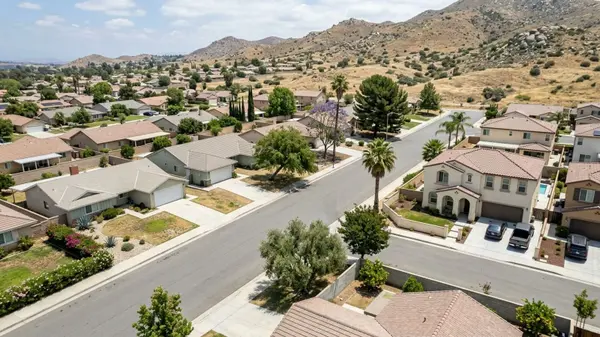
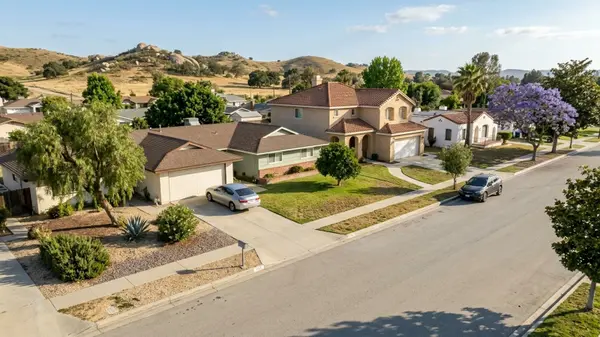
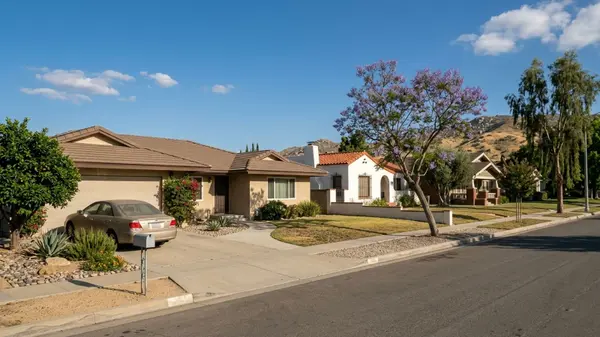
In Riverside, the median home price generally hovers around $645,000 to $665,000. The city offers a massive variety of neighborhoods, meaning you can find everything from mid-century modern builds in established areas to newer suburban developments on the edges of town. Redlands tends to have a slightly tighter housing inventory, which can drive up competition for those highly sought-after historic properties. The median home price in Redlands typically ranges from $630,000 to $699,000.
-
Riverside Median Home Price: Approximately $645,000 to $665,000
-
Redlands Median Home Price: Approximately $630,000 to $699,000
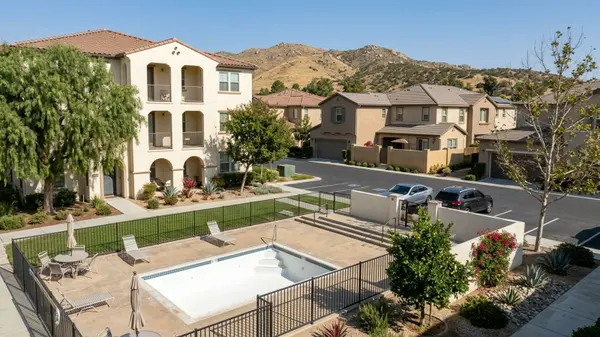
Renting an apartment also looks a bit different in each city. Riverside features a massive rental market with large apartment complexes catering to professionals, university students, and commuters. Redlands offers a mix of smaller apartment buildings, townhomes, and single-family home rentals, often blending seamlessly into residential neighborhoods.
Whether you are checking out a Riverside real estate market update or browsing Redlands, CA homes for sale, be prepared to act quickly when you see a property you love. It is also highly recommended to review the local property tax rates and check for any Mello-Roos assessments, especially if you are looking at newer construction developments in either city.
Commute, Transportation, and Local Economy
Getting to work and navigating the local economy is a huge piece of the relocation puzzle. These two cities are roughly 15 to 20 miles apart, which translates to an average commute time of 25 to 35 minutes depending on the time of day and local traffic.
Riverside is highly connected by major highways, particularly the CA-91, which is a major artery for commuters heading west toward Orange County or Los Angeles. Redlands sits right along the I-10 corridor, making it a strategic location for those working locally or heading further east. Public transportation options exist in both cities, including accessible Metrolink train stations. The Metrolink is a fantastic alternative that makes commuting into Los Angeles without a car a viable option for professionals wanting to avoid daily freeway gridlock.
Economically, the landscapes are robust but varied. Riverside boasts a massive healthcare sector, extensive educational institutions, and a large local government presence since it is the county seat. Redlands is heavily anchored by major technology and geographic mapping companies, alongside its own strong healthcare systems. If you keep an eye on Inland Empire job market trends, you will notice that both cities also benefit from the region's massive logistics and supply chain hubs, providing a stable, diverse employment base for local residents.
Educational Opportunities: UC Riverside vs University of Redlands
If higher education and local school districts are on your radar, both cities have incredible academic anchors. The presence of major universities shapes the local culture, the local economy, and the rental markets in a very tangible way.
UC Riverside is a massive public research university that brings a dynamic, diverse energy to the city. It is widely known for its robust academic offerings, competitive admission standards, and relatively accessible in-state tuition for California residents. The campus acts as a major employer and a cultural hub for the surrounding neighborhoods. The University of Redlands offers a completely different, yet equally impressive, experience. As a private liberal arts college, it features a classic, picturesque campus vibe with smaller class sizes, different admission criteria, and a private tuition structure.
Beyond the college level, the local high school districts in both cities are a major draw for prospective homebuyers. Buyers frequently review objective metrics like graduation rates, student-to-teacher ratios, and access to advanced placement programs when choosing a specific neighborhood. Because school boundaries do not always perfectly align with city limits, it is important to verify the assigned schools for any specific property address. If you are reading a guide to California college towns, you will see that both Riverside and Redlands offer strong educational infrastructure from kindergarten all the way through graduate school.
Pros and Cons: Which Inland Empire City Should You Move To?
So, which city is the right fit for your next move? Deciding between the two really comes down to your personal preferences, your budget, and your daily routine.
Living in Riverside offers the undeniable perks of big-city conveniences, a slightly larger and more diverse housing inventory, and endless entertainment options. The downside is that you will deal with more traffic congestion and a busier, more densely populated environment. Moving to Redlands gives you that coveted small town feel, stunning historic architecture, and a highly walkable downtown area. The trade-off there is a smaller housing market with less inventory to choose from, and fewer large-scale commercial amenities right in your backyard.
Before making an offer on a home or signing a lease, I always recommend looking at the hard data. Review local crime statistics, check out the historical weather patterns, and study the recent housing data for your specific target neighborhoods. When you are ready to take the next step and tour some properties, it is a great time to contact a local real estate agent who can guide you through the nuances of each street and help you make a confident decision.
Frequently Asked Questions
Are housing costs cheaper in Redlands or Riverside?
Housing costs are very comparable, though Riverside generally offers a wider range of affordable entry-level options due to its much larger size and higher inventory. The median home price in Riverside is roughly $645,000 to $665,000, while Redlands sits slightly higher at approximately $630,000 to $699,000. The tighter inventory and highly desirable historic homes in Redlands can sometimes push its median prices toward the higher end of that spectrum.
How far apart are Redlands and Riverside?
Redlands and Riverside are located roughly 15 to 20 miles apart in the Inland Empire. Depending on the time of day and traffic on the local freeways, the drive typically takes about 25 to 35 minutes. They are close enough that residents of one city can easily commute to the other for work, dining, or entertainment.
Should I go to University of Redlands or UC Riverside?
Choosing between these two schools depends entirely on your preferred college experience, academic goals, and budget. UC Riverside is a large public research institution offering competitive in-state tuition, massive research opportunities, and a bustling campus life. The University of Redlands is a smaller private college known for its classic campus vibe, smaller student-to-teacher ratios, and a strong liberal arts focus.
Categories
Recent Posts