Riverside vs Fontana, CA: Inland Empire Relocation Guide
Grab a cup of coffee and let's talk about the Inland Empire. If you are looking at moving to Southern California, comparing Riverside and Fontana is a fantastic place to start. For decades, buyers have looked to this region to find a balance between space, lifestyle, and budget, especially when priced out of the immediate coastal cities.
Riverside sits right in the heart of Riverside County. With a population of around 316,000 residents, it has a large, established footprint and a deep sense of local history. Just to the north, located in San Bernardino County, Fontana is home to roughly 212,000 people. Fontana has been growing rapidly, transforming from a quiet agricultural and industrial town into a major hub of new residential development.
As a local agent, I spend a lot of time helping buyers weigh these two areas against each other. It usually comes down to what you want your daily drive, your housing budget, and your weekend lifestyle to look like. We are going to look at the objective data - from housing costs and the local crime index to commute times and property taxes - so you can make the best decision for your relocation.
Cost of Living and Household Income
Let's start with the numbers that impact your wallet every day. The overarching cost of living in both of these cities is quite similar, but the way your household income stretches can feel a bit different depending on your zip code.
Nationally, the cost of living index sets the United States average at 100. Fontana sits at an index of about 136, while Riverside is just a hair higher at 137. This means both cities are more expensive than the national average, which is standard for California, but they remain much more affordable than the coastal neighborhoods in Los Angeles or Orange County. Day-to-day expenses like groceries, utilities, and health care are nearly identical.
Interestingly, the median household income in Fontana is around $98,187, which outpaces Riverside's median salary of roughly $88,575. Because of this higher median income, Fontana residents often find they spend a slightly smaller proportion of their monthly budget on rent and daily expenses. That bump in median income in Fontana can translate to a bit more purchasing power and a slightly more comfortable standard of living. If you are using a California cost of living calculator, you will see how these subtle differences in income and daily cost add up over the course of a year.
Real Estate Market Trends & Property Taxes
From there, it is smart to look at the real estate market. The housing market in the Inland Empire moves fast, and understanding the subtle pricing and tax differences is crucial for any buyer or investor.
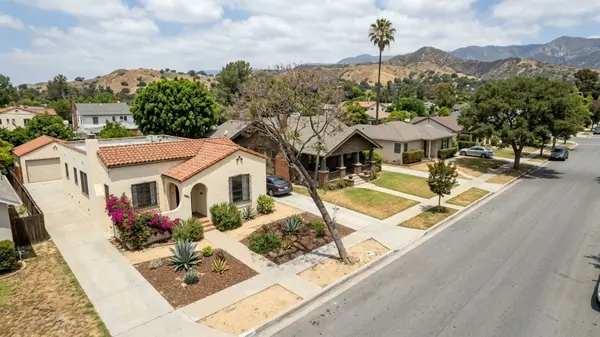
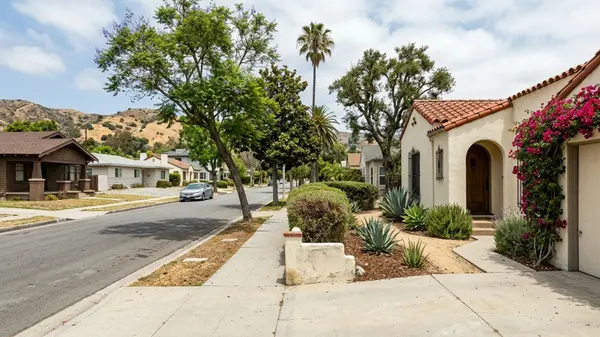
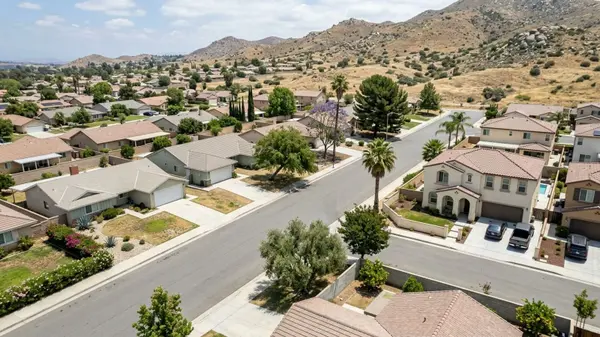
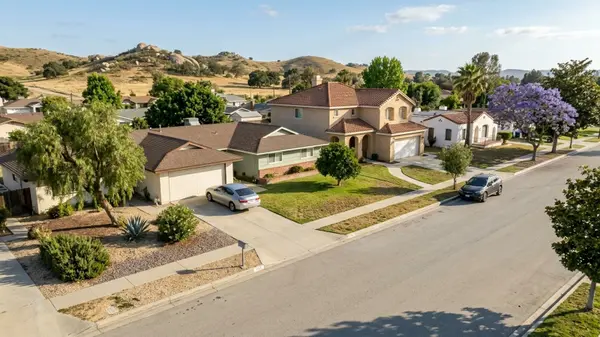
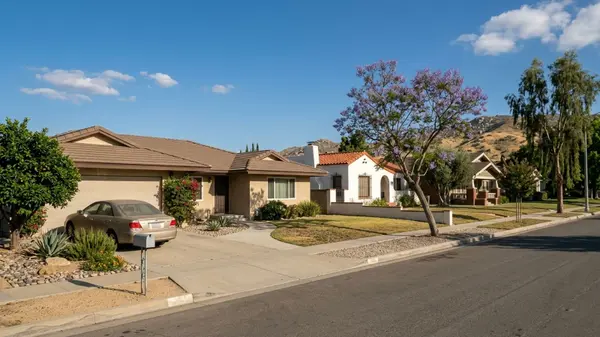
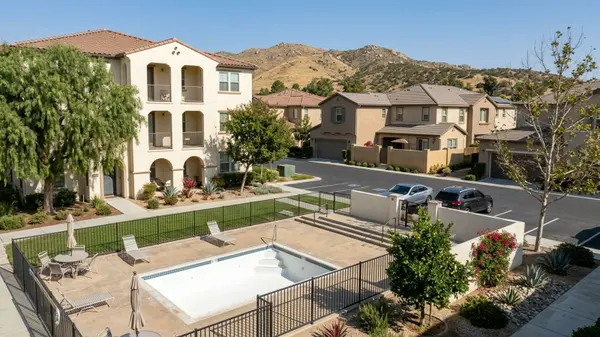
Right now, single-family homes in Riverside generally have a median price ranging from $640,000 to $665,000. Fontana is remarkably close, with median home prices sitting between $639,000 and $650,000. When you are looking at homes for sale in Riverside or Fontana, the sticker price might look similar, but the type of property you get can vary. Riverside often features older, more historic housing stock with mature lots, while Fontana is known for its newer suburban developments and master-planned communities.
If you are looking to lease before you buy, the rental market also shows a slight gap. The median rent in Fontana hovers around $1,733, compared to Riverside at roughly $1,812.
One of the biggest factors buyers overlook is property tax, and this is where the county lines truly matter. Riverside County has an effective property tax rate that typically ranges from 0.75% to 1.04%. Meanwhile, Fontana falls under San Bernardino County, where the effective tax rate is often lower, averaging around 0.67%. Checking the current mortgage rates in California and calculating those specific county taxes will give you a much clearer picture of your actual monthly payment. Over the life of a 30-year loan, that difference in property tax can save you a significant amount of money.
Job Market, Commute, and Transportation
Housing costs are only half the equation - how you get to work is just as important. The local economy and transport options look quite different depending on which city you choose to call home.
Fontana has built a massive economic engine around logistics, warehousing, and the supply chain industry. If you work in those sectors, the employment opportunities right in your backyard are vast. Riverside, on the other hand, is heavily driven by education, local government, and health care. It serves as a major medical and administrative hub for the region, meaning many professionals can live and work within the city limits without ever hitting the major highways.
If your job requires commuting into Los Angeles or Orange County, you will become very familiar with the local freeways. Fontana offers quick access to the 10 and 15 freeways, which can make the westbound drive a bit more direct for some commuters. Riverside relies heavily on the 91 and 60 freeways, which are notorious for heavy traffic patterns during peak hours.
Traffic directly impacts your quality of life, fuel consumption, and vehicle insurance costs. Fortunately, both cities offer Metrolink access, which is a fantastic alternative if you want to skip the freeway congestion altogether. Finding the best commuter cities in Southern California usually comes down to mapping your exact drive at 7:00 AM on a Tuesday to see which route makes the most sense for your schedule.
Lifestyle, Education, and Weather
Beyond work and housing, you want to know what it is actually like to live there. The local amenities, educational infrastructure, and community history highlight the biggest contrasts between the two cities.
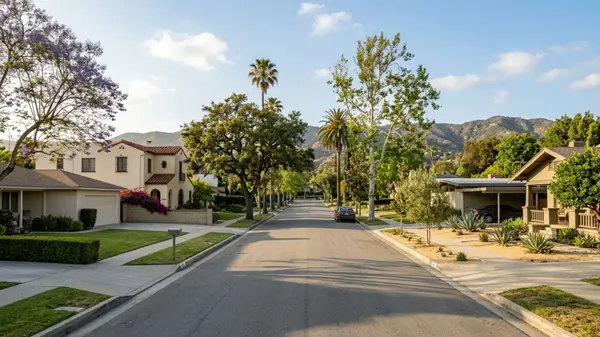
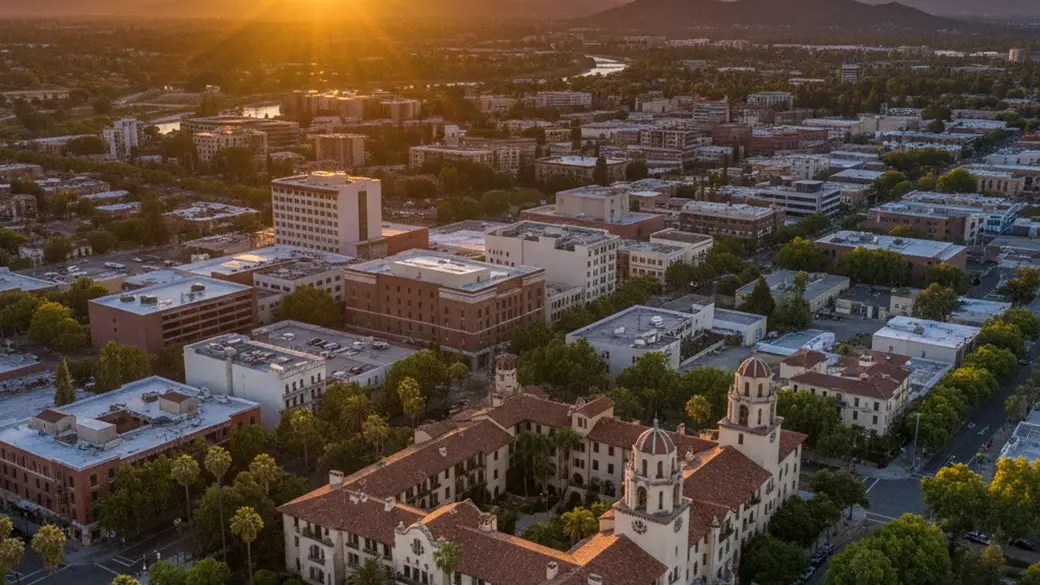
Riverside offers a deep sense of history and culture. The historic downtown area, the famous Mission Inn, and the vibrant campus life surrounding UC Riverside give the city a very established, cultural feel. If you are browsing a UC Riverside neighborhood guide, you will notice large shade trees, diverse architecture, and a strong local arts scene.
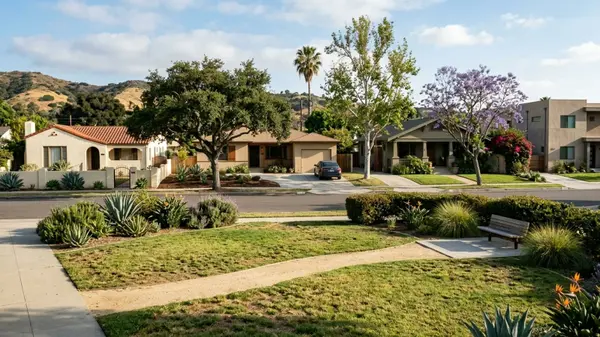
Fontana leans much more into modern suburban living. The city has invested heavily in newer residential developments, recreational facilities, and expansive park spaces. If you are looking for the best parks in the Inland Empire with modern sports complexes and community centers, Fontana has a lot to offer. Both cities have large, dedicated educational networks, managed by the Riverside Unified School District and the Fontana Unified School District, respectively. Buyers are always encouraged to review local school statistics and public records to find the right fit for their needs.
As for the weather, the climate is nearly identical, featuring the classic warm, dry Inland Empire statistics we all expect. The average annual temperature in both places sits right around 66 degrees. Fontana does see slightly more rainfall at about 11.6 inches a year, compared to Riverside's 9.4 inches. Overall, you can expect plenty of sunshine and warm summers in either location.
Pros and Cons of Living in Riverside vs Fontana, CA
Summing it all up requires looking at the objective data for both locations. Here is a quick look at the advantages and drawbacks to help you build your checklist for buying a house in California.
Riverside Pros:
-
Features rich historic charm and established neighborhoods.
-
Provides major university amenities and cultural landmarks.
-
Boasts a diverse local economy centered on health care, government, and education.
Riverside Cons:
-
Comes with slightly higher property tax rates due to its location in Riverside County.
-
Contains older housing stock in certain areas that may require more ongoing maintenance.
Fontana Pros:
-
Offers a higher median household income compared to the regional average.
-
Features a slightly lower overall cost of living and lower property taxes in San Bernardino County.
-
Provides an abundance of newer housing developments and modern community parks.
Fontana Cons:
-
Experiences heavy industrial and logistics traffic due to the strong warehousing economy.
-
Has fewer historic or cultural landmarks compared to its neighboring cities.
Frequently Asked Questions
What is the cost of living in Fontana compared to Riverside?
Both cities are very close in overall expenses, but Riverside is just slightly more expensive. On a national index where 100 is the United States average, Fontana scores a 136 while Riverside sits at 137. However, Fontana's higher median household income - roughly $98,187 compared to Riverside's $88,575 - often makes day-to-day costs feel a bit more manageable for its residents.
Is it cheaper to live in Fontana or is it cheaper to live in Riverside?
Generally, Fontana is slightly cheaper when you factor in rent and local taxes. The median rent in Fontana is roughly $1,733 compared to Riverside's $1,812, and Fontana benefits from San Bernardino County's lower property tax rates. Median home purchase prices, however, are nearly identical, hovering right around the $640,000 to $650,000 range in both cities.
How do property taxes compare between Riverside and Fontana?
Because the cities are located in different counties, their tax rates vary significantly. Riverside is in Riverside County, which has an effective property tax rate ranging from 0.75% to 1.04%. Fontana is in San Bernardino County, where the effective rate averages a lower 0.67%, which can save homeowners a noticeable amount on their monthly mortgage payments.
What factors impact the commute from Riverside or Fontana to Los Angeles?
The biggest factors are your proximity to major freeways and daily peak traffic patterns. Fontana commuters typically utilize the 10 and 15 freeways, while Riverside residents rely heavily on the 91 and 60 freeways. Both routes experience heavy congestion heading into Los Angeles, making local Metrolink rail stations a highly popular alternative for daily commuters looking to save on gas and vehicle insurance.
Categories
Recent Posts