Buying a Home in Los Angeles, CA vs New York, NY: 2026 Guide
If you're weighing a cross-country move between these two cities and evaluating the pros and cons of living in Los Angeles, understand upfront that this goes beyond comparing price tags - you are comparing two entirely different ideas of what owning a home means. The median sale price in Los Angeles currently sits around $1,055,300, with homes spending about 52 days on the market. In New York, NY, that median comes in at approximately $900,000. Those numbers are close enough to look similar on a spreadsheet and different enough to send you down completely separate paths once you start digging into property types, taxes, and how you'll get to work every morning.
Comparing Real Estate Prices and Market Trends
Los Angeles tracks slightly higher in median sale price right now, but the raw number only tells part of the story. The LA real estate market recently saw about 5,004 homes sold in a single month, with roughly 8,378 properties in inventory. Homes there are selling at about 99.5% of list price - which means lowball offers aren't a strategy worth pursuing.
New York City flips the script in a specific way. Even though its $900,000 median is lower, the price per square foot often runs higher than what you'd see in Southern California. The financial gap between these markets isn't as simple as subtracting one median from the other. It depends on what kind of property you're trying to buy.
Property Taxes and Closing Fees
California property taxes are governed by Proposition 13, which caps the base rate at 1% of assessed value, plus any local voter-approved assessments. The median effective property tax rate in the City of Los Angeles works out to approximately 1.26%. Because your assessment is tied to your purchase price, your tax bill stays predictable as long as you own the home - no annual surprises based on market swings.
New York City property taxes work differently depending on property class. For Class 1 properties - one- to three-family homes - the average effective rate is about 1.19%. Some estimates put the effective rate lower, around 0.88%, because of assessment caps. Budget for these recurring costs alongside your closing fees to understand your real cost of living before you start making offers.
Property Types and Architecture
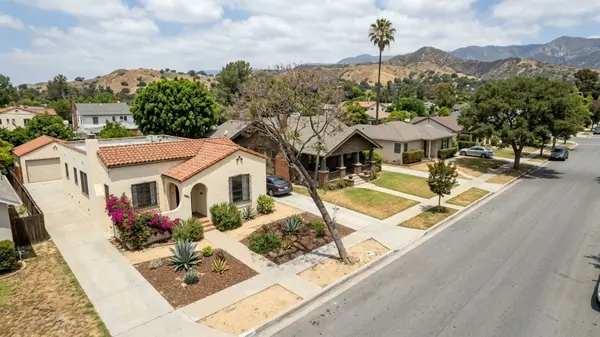
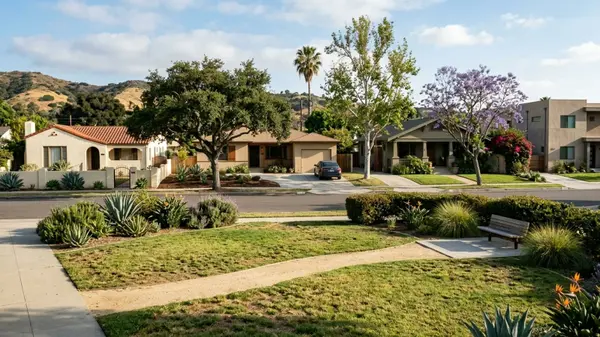
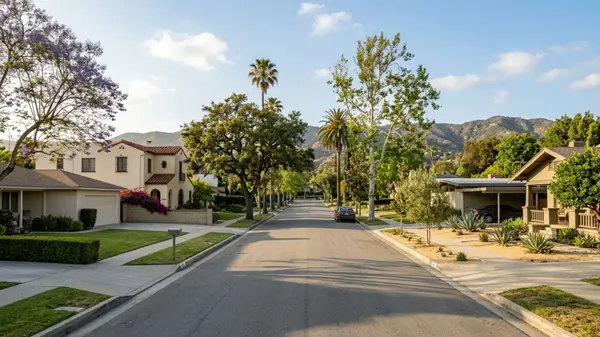
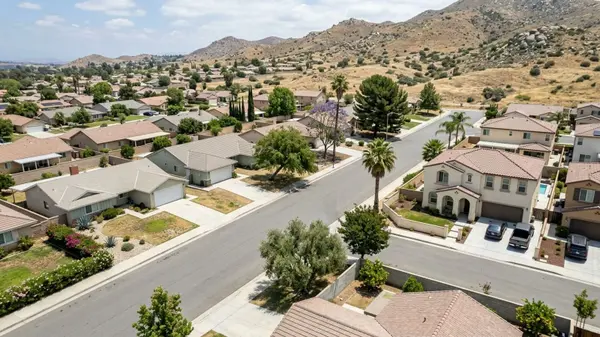
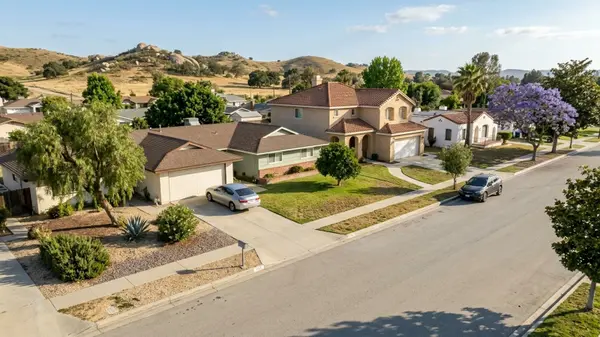
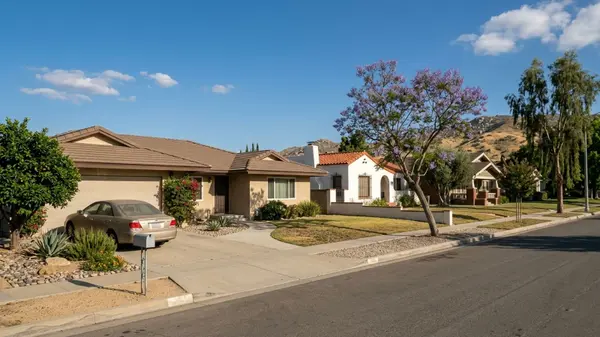
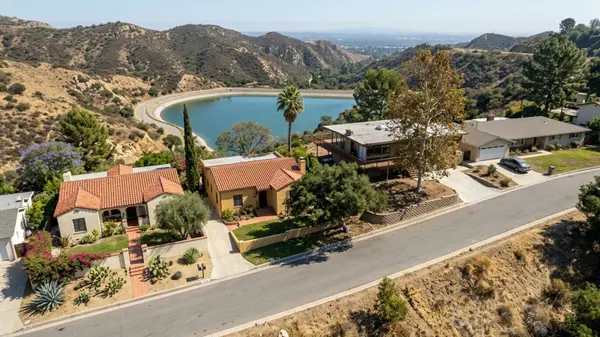
The physical difference between these two cities is hard to overstate. Los Angeles spreads out horizontally - buyers get land. New York City goes vertical, and buyers mostly get a share of a building. That one distinction shapes everything from your maintenance responsibilities to what your morning looks like.
When thinking about moving to LA, buyers coming from the East Coast often need time to recalibrate their expectations around property upkeep. In Los Angeles, a single-family home means you own the roof, the landscaping, and every exterior repair that comes with it. In New York, those burdens are typically shared through building fees.
Single-Family Homes and Condos in Los Angeles, CA
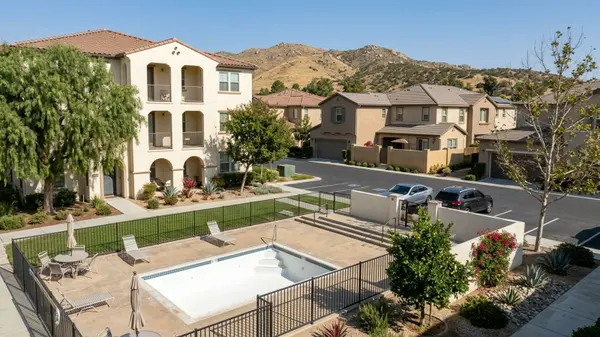
Single-family detached homes dominate the Los Angeles market. Most buyers here are looking for private outdoor space, a garage, and a dedicated driveway - things that barely exist as options in New York. Condominiums are available, particularly in denser neighborhoods, but they come with standard HOA rules rather than the intensive board approval process you may be used to.
If you're buying a condo in Los Angeles, review the HOA documents carefully - monthly dues, reserve funds, what's covered and what isn't. The buying process itself, though, works much like purchasing a detached home.
Co-ops, Condos, and Townhouses in New York, NY
Co-ops define New York City real estate in a way that catches a lot of out-of-town buyers off guard. When you buy a co-op, you're purchasing shares in a corporation that owns the building - not real estate directly. That means passing a board interview and meeting specific financial requirements set by that board.
Condos offer a more familiar ownership structure and are closer to what Los Angeles buyers expect, but they typically cost more than co-ops. Townhouses are the closest thing New York has to a single-family home experience - multiple floors, sometimes a small private backyard - though they come at a premium.
Neighborhood Layouts and Commuting
How you get around shapes what a neighborhood is worth to you. In Los Angeles, the freeway system drives everything - buyers routinely choose where to live based on proximity to major employment hubs and how painful a particular on-ramp is at 8 a.m. In New York City, subway access is the variable that moves prices.
The U.S. Census Bureau's 2024 data puts the average commute in the City of Los Angeles at about 31.7 minutes. That's shorter than New York City's average of 40.6 minutes - which tends to surprise people who've assumed LA traffic makes it the worse commute city. Both are real, just structured differently.
Getting Around Los Angeles, CA
You'll need a car. That's not a lifestyle preference in most of Los Angeles - it's a practical reality. Before you fall in love with a house, drive the route from that address to your office during rush hour. Ten miles can easily cost you 45 minutes depending on the freeway connections involved.
The Metro rail system is expanding, and some neighborhoods are becoming more walkable, but most of the city still doesn't offer reliable access to daily necessities on foot. Secure parking isn't a nice-to-have - in many LA neighborhoods, street parking is genuinely competitive.
Transit in New York, NY
In New York, buyers measure distance in blocks to the nearest subway station. Proximity to a reliable line is a real driver of property value, and for good reason - most residents don't own cars. Monthly garage fees make car ownership in New York City a significant added expense, so most buyers aren't shopping for parking spaces; they're shopping for walkability and transit access.
Relocating: What to Know Before You Buy
Marketing materials for both cities will tell you what they want you to hear. The more useful move is going straight to municipal data - property histories, tax assessments, zoning - before you make any commitments. Both Los Angeles and New York provide public databases for exactly this purpose.
A local agent can help you interpret what you're reading, but you should know where to look so you can verify the details yourself.
Researching Local Data
In Los Angeles, start with the Los Angeles County Assessor's Office for property valuations and tax data. The LA City Planning Department covers zoning, and deed and sales records live at the Los Angeles County Registrar-Recorder.
For New York, NY, the NYC Department of Finance handles property tax assessments and roll data. The NYC Department of City Planning is your resource for zoning and housing statistics. Running these checks before closing is the kind of thing that keeps surprises from becoming expensive ones.
Frequently Asked Questions
Which real estate market is more expensive, Los Angeles, CA or New York, NY?
Currently, the median sale price for a home in Los Angeles, CA is roughly $1,055,000, which is higher than the $900,000 median sale price in New York, NY. That said, New York City often carries a higher price per square foot. The overall cost depends on the specific property type and neighborhood you're looking at.
What are the main differences in housing types between Los Angeles, CA and New York, NY?
Los Angeles primarily offers single-family detached homes with private lots, alongside standard condominiums. New York City housing is dominated by shared buildings - particularly co-ops that require board approval - as well as condos and attached townhouses.
How do property taxes compare between Los Angeles, CA and New York, NY?
The median effective property tax rate in the City of Los Angeles is approximately 1.26%, governed by Proposition 13. In New York City, the average effective property tax rate for one- to three-family homes is about 1.19%, with some estimates placing it as low as 0.88%.
How should I factor commuting and neighborhood layouts into my Los Angeles home search if I am moving from NYC?
Plan for a car-dependent lifestyle. Most Los Angeles residents drive to work. The average commute in Los Angeles is about 31.7 minutes compared to New York's 40.6 minutes, but LA commutes vary widely based on freeway access rather than subway proximity - so where you live relative to a specific on-ramp matters more than raw distance.
What are the biggest pitfalls to avoid when relocating from New York to buy a house in Los Angeles, CA?
Don't underestimate dedicated parking or the responsibility that comes with exterior home maintenance. In a New York co-op, the building handles repairs. In a Los Angeles single-family home, roofing, landscaping, and structural upkeep are yours to manage.
Does the closing process and timeline for buying a home in Los Angeles differ from New York?
It does. Buying a co-op in New York often involves a board approval process that can stretch the timeline considerably. In Los Angeles, homes recently averaged about 52 days on the market, and standard single-family transactions follow a more predictable escrow timeline - no board interviews required.
Are there specific housing options for older adults looking to downsize in Southern California?
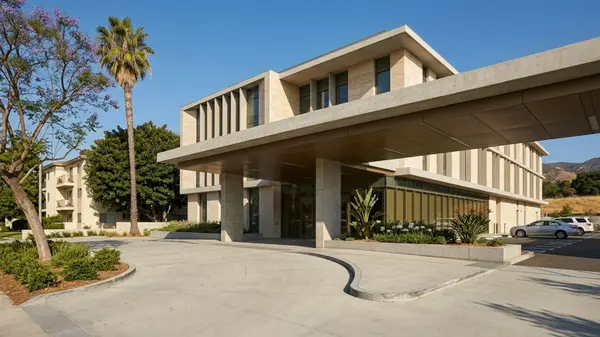
Buyers seeking a lower-maintenance lifestyle often look into retirement communities in Los Angeles instead of traditional single-family homes. These properties typically offer shared upkeep responsibilities, providing a helpful alternative to managing a private roof and landscaping yourself.
How does the local lifestyle impact where I should buy a house in Southern California?
Because the city spreads out horizontally and relies on the freeway system, your location dictates your daily routine and access to local amenities. Buyers should map out their commute and proximity to various things to do in Los Angeles before committing to a specific address.
Categories
Recent Posts