Navigating Things to Do in Los Angeles CA: A 2026 Guide to Local Amenities
Welcome to Los Angeles, a sprawling metropolis defined by its distinct neighborhoods and vast array of lifestyle amenities. For prospective homebuyers and relocating professionals, understanding the geographic layout of the city is crucial for evaluating where to settle. The sheer scale of Los Angeles County means that your daily experience is heavily influenced by your proximity to specific cultural, recreational, and entertainment hubs.
Finding the right neighborhood often comes down to prioritizing the attractions you plan to visit regularly. This guide covers the primary lifestyle pillars of the region, from world-class museums and extensive parklands to bustling commercial districts. By mapping out these core amenities, you can make a more informed decision about which quadrant of the city aligns with your daily routine and recreational preferences.
Prominent Cultural Centers and Museums
Los Angeles boasts a robust museum culture that significantly influences local real estate values and neighborhood identity. Areas anchored by major arts institutions often see sustained demand from buyers seeking immediate access to world-class exhibits and architectural landmarks. The concentration of these venues creates distinct cultural corridors that define the surrounding communities.
The impact of these institutional hubs is most visible in districts like the Miracle Mile and the hillsides of West LA. Living within a short distance of these centers provides residents with ongoing educational and aesthetic benefits. For anyone evaluating property in the LA Basin, proximity to these cultural anchors remains a strong indicator of long-term neighborhood stability.
The Getty Center
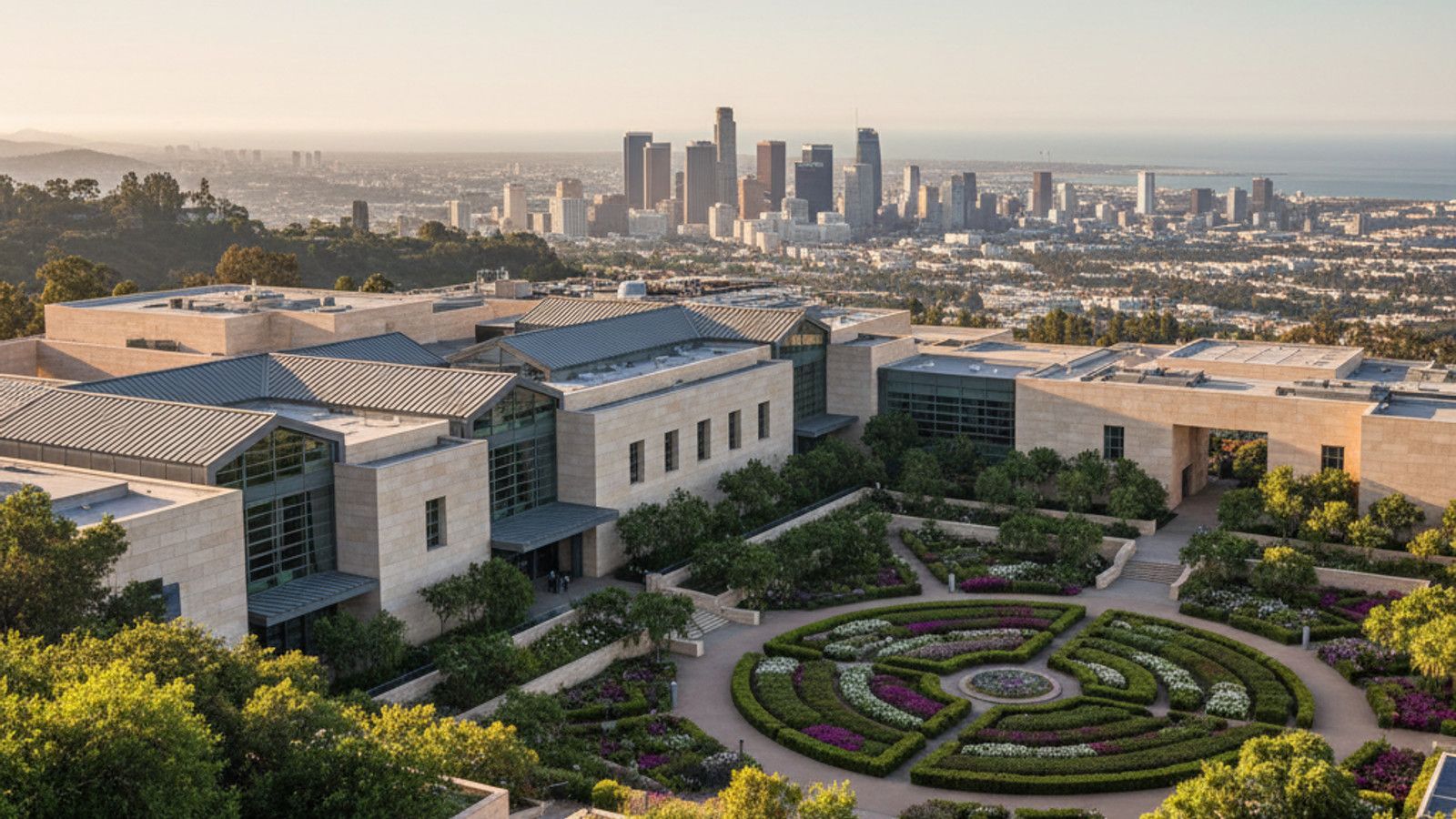
Situated on a prominent hilltop in the Santa Monica Mountains, the Getty Center in Brentwood is a premier art museum renowned for its striking Richard Meier architecture. The campus overlooks the I-405 freeway, offering visitors panoramic views that stretch from the downtown skyline to the Pacific Ocean. Its expansive central garden and extensive collection of European art make it a permanent fixture of the Westside landscape.
Admission to the museum is completely free, though parking requires a paid reservation. This free access serves as a major ongoing amenity for nearby residents who frequently utilize the campus grounds for leisurely afternoons.
LACMA and the Miracle Mile
The Los Angeles County Museum of Art acts as the central anchor for the Miracle Mile neighborhood along Wilshire Boulevard. As the largest art museum in the western United States, LACMA draws substantial foot traffic and international exhibitions to the area. The surrounding district also features significant educational sites, including the La Brea Tar Pits and the Petersen Automotive Museum.
Accessibility to this cultural corridor is steadily improving with the ongoing expansion of the Metro D Line. This subway extension connects the Miracle Mile directly to downtown, making the area highly attractive for buyers who prioritize transit-oriented living.
Griffith Observatory
Positioned on the southern slope of Mount Hollywood, the Griffith Observatory operates as both a premier scientific institution and an iconic city viewpoint. The facility features the Samuel Oschin Planetarium and provides unobstructed sightlines of the Hollywood Sign and the expansive LA Basin below. It stands as a key historical landmark that defines the visual backdrop of the city.
The observatory is a major draw for residents of adjacent neighborhoods like Los Feliz and Hollywood. Free public admission to the building and grounds ensures it remains a heavily utilized resource for locals and visitors alike.
Major Parks and Outdoor Recreation Options
A common misconception about Los Angeles is that the city is entirely urbanized and paved over. In reality, the region features massive municipal and state parks that intersect directly with densely populated neighborhoods. These extensive green spaces provide critical outdoor recreation options, offering a sharp contrast to the bustling commercial corridors below.
Proximity to major trailheads consistently drives housing demand, particularly in areas like the Hollywood Hills and the Westside. Buyers frequently prioritize homes that offer rapid access to hiking routes and natural reserves. Evaluating a neighborhood's connection to these outdoor amenities is just as important as checking its commute times.
Griffith Park Trail Systems
Spanning approximately 4,210 acres, Griffith Park stands as one of the largest municipal parks with urban wilderness areas in the United States. The park features over 50 miles of hiking and equestrian trails that wind through rugged terrain just minutes from major city centers. This massive footprint offers residents a daily escape into nature without leaving the city limits.
Beyond its trail network, the park houses several enclosed amenities that serve the broader region. Facilities like the Los Angeles Zoo and the Autry Museum of the American West provide structured recreational options within the park boundaries.
Runyon Canyon Park
Located directly above Hollywood, Runyon Canyon Park offers a highly accessible 160-acre urban hiking experience. The park is famous for its wide fire roads and off-leash dog policies, making it a daily fitness staple for nearby residents. Its elevated trails provide sweeping views of the city basin on clear days.
The trailheads are easily reached from major thoroughfares and sit just minutes from the US-101 freeway. This central location ensures the park remains one of the most heavily trafficked recreational areas in the Hollywood district.
Santa Monica Mountains and Coastal Access
The broader Santa Monica Mountains National Recreation Area encompasses an astounding 156,000 acres of protected land. This vast network features over 500 miles of trails that offer dramatic ocean views and diverse ecological environments. The mountain range serves as a natural barrier between the San Fernando Valley and the coastal communities.
Many of these mountain trails connect directly down to the Pacific Coast Highway, bridging the gap between alpine hikes and beachside recreation. This seamless transition allows residents to easily access iconic coastal destinations like the Santa Monica Pier and Venice Beach.
Los Angeles Dining and Entertainment Districts
Entertainment and dining in Los Angeles are distinctly decentralized, spread across several neighborhood hubs rather than confined to a single downtown core. Each district offers a unique commercial atmosphere, ranging from historic food halls to dense concentrations of active film studios. This decentralized layout means that exceptional dining and retail options are distributed throughout the city.
Living near these vibrant commercial corridors provides significant lifestyle and economic benefits. Properties situated within walking distance or a short transit ride of these hubs generally command premium pricing due to the convenience factor. Identifying which entertainment district matches your personal tastes is a critical step in narrowing down your housing search.
Downtown Los Angeles (DTLA)
Downtown Los Angeles serves as a premier culinary and cultural hub for the region. Grand Central Market stands out as a historic food hall that showcases the incredibly diverse culinary landscape of the city under one roof. Just a short distance away, the Arts District features a dense concentration of independent boutiques, galleries, and local breweries.
The area is also anchored by major cultural venues like the Walt Disney Concert Hall. Union Station operates as the primary transit hub for the district, connecting DTLA to the wider Southern California region.
Hollywood and the Studio Lots
The entertainment industry maintains a massive physical footprint in the Hollywood area and surrounding valleys. Central historic landmarks like the Hollywood Walk of Fame and the TCL Chinese Theater continue to draw significant attention. Meanwhile, active production facilities like Universal Studios Hollywood and Warner Bros. in nearby Burbank anchor the local economy.
The district is supported by robust retail and dining corridors that cater to both residents and industry professionals. Famous stretches like Melrose Avenue and The Original Farmers Market provide endless shopping and dining options within a compact geographic area.
Transit Options and Navigating the City
Navigating Los Angeles requires a clear understanding of the transportation infrastructure that connects residents to major amenities. The city relies heavily on a network of major freeway arteries that define daily commute patterns. The I-10 runs east to west, the US-101 connects DTLA to the San Fernando Valley, and the I-405 serves as the primary north-to-south corridor.
Beyond the freeway system, the Los Angeles Metro rail network continues to expand its reach across the county. The E Line now provides a direct rail connection from DTLA all the way to Santa Monica, while the B Line moves passengers from downtown up to North Hollywood. Evaluating your proximity to these transit corridors is essential when choosing a neighborhood or planning regular visits to major attractions.
Buyers should carefully map their anticipated routes before committing to a specific area. A home located near a major Metro station or a convenient freeway on-ramp can drastically reduce weekly travel times. This logistical planning is the key to comfortably enjoying everything the city has to offer.
Frequently Asked Questions About Los Angeles Amenities
What is the most efficient way to travel between Downtown LA and Santa Monica?
The Metro E Line offers a direct, traffic-free route between Downtown Los Angeles and Santa Monica. This light rail service spans the distance in approximately 50 minutes, providing a highly reliable alternative to driving the often-congested I-10 freeway. It serves as a vital transit artery for commuters and visitors heading to the coast.
Are the major museums in Los Angeles free to the public?
Many of the most prominent cultural institutions in Los Angeles offer free admission, though parking fees often apply. The Getty Center and the Griffith Observatory are completely free to enter, providing immense value to local residents. Other major venues like LACMA require paid tickets for general admission but frequently offer free entry days for LA County residents.
How accessible are the hiking trails in the Santa Monica Mountains?
The Santa Monica Mountains feature numerous trailheads that are easily accessible from both the San Fernando Valley and the coastal Pacific Coast Highway. Parking logistics vary by location, with popular spots requiring early arrival or paid state park fees. The expansive 156,000-acre recreation area offers options ranging from paved, ADA-accessible paths to rugged, remote inclines.
Categories
Recent Posts