Los Angeles vs Inglewood: What Buyers Must Know in 2026
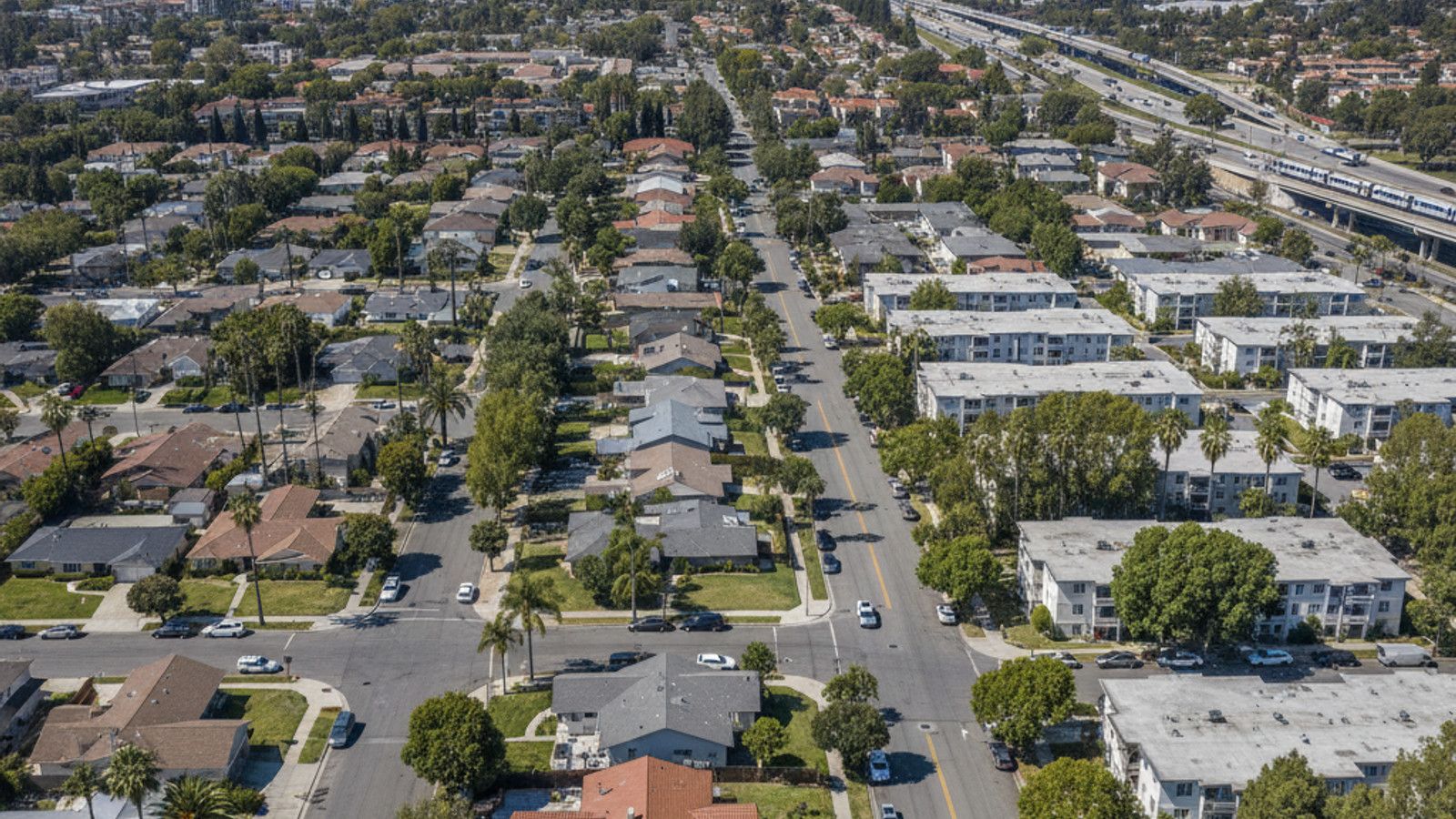
Choosing where to buy property in Southern California requires carefully weighing municipal boundaries against daily commuter convenience. Buyers comparing the Los Angeles vs Inglewood markets face two distinct environments with vastly different entry prices and local infrastructure. The massive footprint of the City of Los Angeles offers endless neighborhood variations, while the smaller City of Inglewood provides a highly concentrated hub of recent commercial development.
Both municipalities have seen significant shifts in property values and transit connectivity over the last few years leading into 2026. Making the right choice depends heavily on whether you prioritize immediate proximity to major entertainment venues, specific transit corridors, or established residential enclaves. Understanding the structural and financial differences between these two cities is essential for making a sound real estate investment in today's climate.
Los Angeles vs Inglewood: 2026 Real Estate Market Overview
The current housing market presents a stark contrast in acquisition costs between these two jurisdictions. The median home price in the City of Los Angeles hovers around $1,000,000, reflecting the premium commanded by its established coastal and hillside neighborhoods. In contrast, the City of Inglewood offers a more accessible entry point with a median home price near $750,000 based on early 2026 market data.
This $250,000 price gap significantly alters purchasing power for buyers relying on conventional financing. Inglewood buyers often find they can secure a detached single-family home for the same price as a Los Angeles condominium or townhouse. However, Los Angeles maintains a much larger and more diverse inventory of multi-family investment properties, luxury estates, and high-rise units.
Inglewood currently presents the strongest opportunity for first-time buyers and investors looking for long-term equity growth in the region. While Los Angeles provides greater neighborhood variety, the barrier to entry in its most requested zip codes remains prohibitively high for many purchasers. Properties in both cities are currently averaging about 35 median days on the market, indicating steady but balanced buyer demand across the region.
Cost of Living and Housing Expenses
Beyond the initial purchase price, the ongoing cost of living varies notably between the two municipalities. Monthly housing costs in Los Angeles are generally higher, driven by elevated property values and correspondingly higher property tax assessments. Buyers considering condos or townhouses in either city must also factor in HOA fees, which typically range from $300 to $600 monthly depending on building amenities and maintenance reserves.
Municipal taxes also play a crucial role in closing costs and long-term expenses for property owners. The City of Los Angeles imposes a tiered property transfer tax that significantly impacts properties sold over certain price thresholds, adding thousands to closing costs. Inglewood operates under a different municipal tax structure, which often results in lower transaction costs for both buyers and sellers navigating the closing process.
Buyers must look past the monthly mortgage payment to understand the true cost of ownership in CA. Inglewood provides a structurally lower cost of living per capita, making it a more manageable entry point into the Greater Los Angeles metropolitan area. Utility rates, sanitation services, and local administrative fees also tend to be slightly more consolidated in Inglewood due to its smaller municipal footprint.
Transportation Infrastructure and Commute Times
Navigating the Los Angeles area requires strategic access to major transit corridors, and both cities offer distinct commuter advantages. Inglewood is bordered by the I-405 and I-105 freeways, providing rapid vehicle access to the South Bay and coastal commercial centers. Los Angeles boasts a massive, sprawling highway network, but localized traffic heavily dictates daily travel times across the basin.
Public transit has transformed the connectivity of both municipalities in recent years, reducing reliance on the freeway system. The Metro K Line now serves as a vital artery through Inglewood, seamlessly linking residents to the broader Los Angeles rail network. This expansion allows commuters to reach employment hubs in Downtown Los Angeles or the Westside without relying entirely on passenger vehicles during rush hour.
Relying on the Metro system is rapidly becoming the most efficient way to navigate between these two cities. While auto commute times from Inglewood to Hollywood can easily exceed an hour during peak traffic, rail options provide a much more predictable schedule. Proximity to these transit stations has become a major factor in local real estate valuations.
Accessing LAX from Inglewood and Los Angeles
Inglewood holds an undeniable geographic advantage when it comes to international airport access. Residents can often drive to the terminal gates in under 15 minutes, bypassing the severe congestion that plagues the primary highway approaches. Commuting from central Los Angeles neighborhoods typically requires 45 minutes to an hour, depending heavily on the time of day and specific freeway routing.
Recent infrastructure projects have fundamentally changed how residents reach the airport from both cities. The LAX/Metro Transit Center, which opened in 2025, provides a centralized rail connection point for travelers arriving via the regional transit system. The highly anticipated Automated People Mover, opening in late 2026, will finally link this transit center directly to the airport terminals, eliminating the need for shuttle buses.
Local Amenities: Entertainment and Recreation
The entertainment landscape in this region has shifted dramatically over the past decade, reshaping local economies. Inglewood has transformed into a premier sports and performance destination, anchored by the massive SoFi Stadium and the historic Kia Forum. The addition of the Intuit Dome, which opened its doors in 2024, cemented the city as a major hub for professional basketball and live concerts.
The City of Los Angeles counters with a historically dispersed network of iconic cultural sites and entertainment districts. Venues like Crypto.com Arena anchor the downtown core, while Hollywood maintains its status as a global tourist destination. Dining and retail options in Los Angeles are incredibly diverse, reflecting the vast geographic spread of its commercial zones from Venice to East Los Angeles.
Inglewood now rivals Downtown Los Angeles for large-scale event accessibility, especially as it prepares to be a host city for the 2026 FIFA World Cup. However, Los Angeles still offers a far superior volume of everyday neighborhood amenities, including extensive dining corridors and specialized retail districts. Buyers must decide whether they prefer living near massive entertainment complexes or within walking distance of local commercial strips.
Local Services, Schools, and Community Infrastructure
Administrative boundaries define the public services available to residents in each municipality, impacting daily life. The Los Angeles Unified School District operates on a massive scale, managing hundreds of campuses across a wide geographic area. The Inglewood Unified School District is significantly smaller, providing a more localized administrative structure for its enrolled students and faculty.
Healthcare and recreational infrastructure also differ based on municipal resources and geographic space. Inglewood residents are served locally by Centinela Hospital Medical Center, while Los Angeles contains massive regional medical complexes like Cedars-Sinai. For outdoor recreation, Los Angeles offers expansive regional spaces like Griffith Park, whereas Inglewood maintains community-focused areas like Edward Vincent Jr. Park.
Buyers should carefully review municipal service boundaries before finalizing a purchase, as crossing a street can mean changing school districts or police service areas. Public safety infrastructure varies by jurisdiction, with the Los Angeles Police Department and the Inglewood Police Department managing distinct geographic zones and reporting separate municipal crime statistics. Understanding these service distinctions is crucial when evaluating long-term property investments.
Frequently Asked Questions
Are Inglewood and Los Angeles different cities?
Yes, they are completely separate municipalities with their own local governments. Inglewood has its own mayor, city council, and municipal departments managing local affairs. While surrounded by the broader Los Angeles area, it operates independently from the City of Los Angeles.
Is Inglewood in Los Angeles County?
Yes, Inglewood is an incorporated city located within Los Angeles County, CA. Residents of Inglewood pay county taxes and utilize regional county-level services. This administrative overlap is common for the 88 independent cities located within the county borders.
How far is Inglewood from Downtown Los Angeles?
Inglewood is located approximately 10 to 12 miles southwest of Downtown Los Angeles. Driving this route typically takes 30 to 45 minutes via the I-110 freeway, depending on daily traffic volume. The Metro rail system offers an alternative transit option covering this distance without highway congestion.
What is the cost of living in Los Angeles compared to Inglewood?
The overall cost of living is generally lower in Inglewood due to more accessible housing prices. The median home price in Inglewood sits near $750,000, compared to the $1,000,000 median in Los Angeles. Everyday per capita expenses and local taxes also tend to be marginally lower in the Inglewood municipality.
Categories
Recent Posts