Is Los Angeles CA Good for Young Professionals? A 2026 Relocation Guide
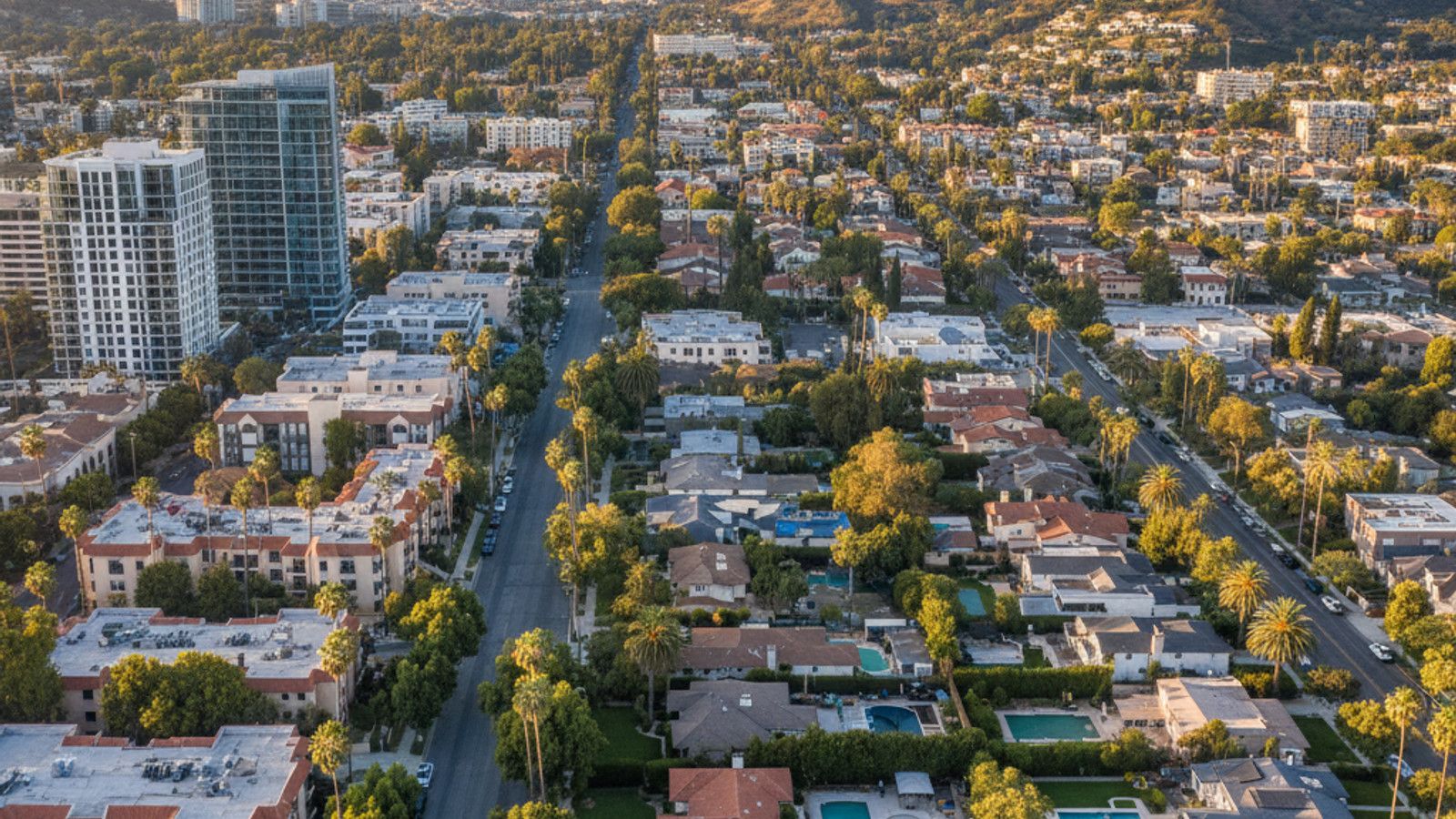
Evaluating a cross-country move often comes down to balancing career growth with daily living costs. When clients ask me, "is los angeles ca good for young professionals," the answer always depends on how well you plan for the local housing market and commute realities. Los Angeles offers a massive, diversified economy spread across distinct regional hubs rather than a single downtown core.
Relocating here in 2026 requires looking beyond the postcard image of Southern California. Navigating the current real estate landscape means balancing your office location against where you can comfortably rent or buy. Understanding the specific employment centers, housing costs, and transit updates will help you determine if this metro area aligns with your career and lifestyle goals.
The Los Angeles Job Market and Employment Hubs
The local economy is driven by several distinct employment centers that span Los Angeles County. Silicon Beach on the Westside continues to draw major technology companies and startups, creating heavy demand for housing in nearby Santa Monica and Venice. Meanwhile, Downtown Los Angeles remains the traditional core for corporate law, finance, and government sectors.
The entertainment industry still anchors the region, with major studios and production networks concentrated in Hollywood and Burbank. The metro area also hosts numerous Fortune 500 companies, providing a wide base of corporate employment opportunities. Because these job hubs are spread out, choosing where to live is heavily dictated by where your office is located.
A common mistake buyers make is prioritizing a specific neighborhood aesthetic over their daily commute to these employment centers. Living in Echo Park while working in El Segundo will quickly lead to burnout due to the driving distance. Aligning your housing search with your specific industry hub is the single most important decision you will make when moving here.
Navigating the Los Angeles Housing Market
Understanding the current property landscape is crucial for anyone planning a move to Southern California this year. As of 2026, the median purchase price for a home in Los Angeles City ranges from approximately $1,000,000 to $1,150,000. For the broader Los Angeles County area, median prices sit slightly lower, generally between $910,000 and $950,000.
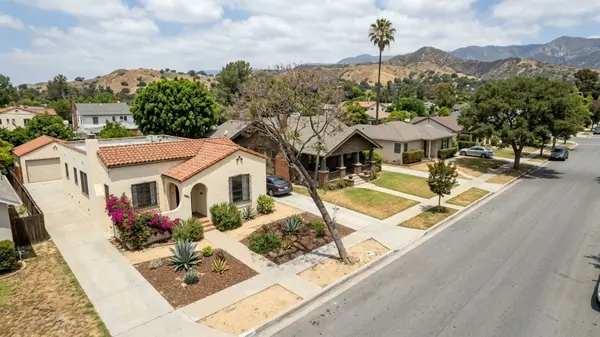
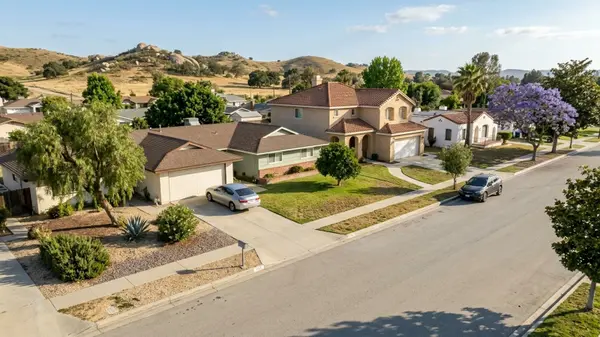
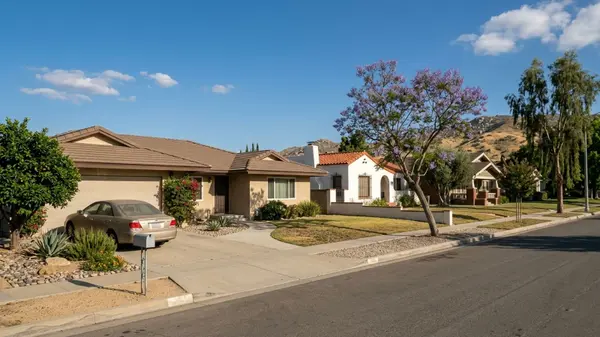
The rental market requires a substantial budget, with the average monthly rent across the metro area currently running between $2,655 and $2,742. Housing styles vary drastically depending on the neighborhood you choose. Downtown Los Angeles offers a high-density, high-rise condo and apartment lifestyle, while the San Fernando Valley provides more traditional single-family homes with private yards.
When budgeting for a purchase, buyers must account for additional carrying costs beyond the mortgage principal and interest. High-density developments typically carry substantial monthly HOA fees that impact your overall purchasing power. Additionally, local transfer taxes implemented in recent years add a distinct closing cost burden that buyers and sellers must negotiate during the transaction.
Transportation and Commuting in LA
Getting around the city requires patience and strategic planning, as the average daily commute time for local workers is roughly 30.4 minutes. Most residents rely heavily on the major traffic corridors, utilizing the I-405, I-10, and US-101 daily. Understanding the flow of traffic on these specific freeways during peak hours is essential when evaluating a new neighborhood.
Public transit infrastructure is expanding to offer alternatives to driving. The May 2026 opening of the Metro D Line Extension Section 1 provides a critical new East-West travel option for residents. This expansion significantly improves access between the downtown core and the mid-city area.
Looking ahead, the city continues to invest in major rail projects to alleviate freeway congestion. Upcoming transit infrastructure projects include the 2027 Westwood and UCLA rail extensions, which will further connect West Los Angeles to the broader metro system. For now, maintaining a vehicle remains a practical necessity for most residents, but proximity to these new rail lines is increasingly valuable.
Lifestyle, Parks, and Cultural Amenities
Beyond the workplace, the region offers extensive outdoor recreation and entertainment options that draw new residents year-round. The area features incredible proximity to major green spaces, with Griffith Park and Runyon Canyon providing miles of hiking trails. Residents also have easy access to the Santa Monica coastline and numerous public beaches along the Pacific Ocean.
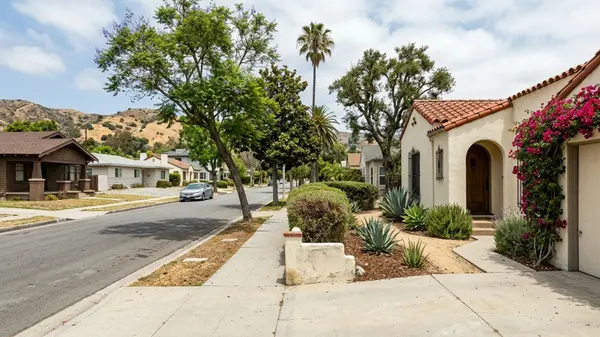
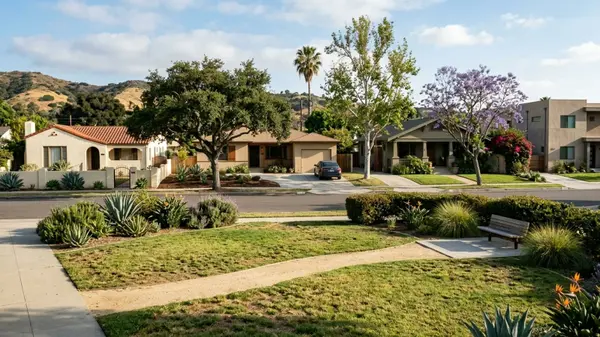
The local food scene is highly diverse, reflecting the vast cultural makeup of Southern California. Neighborhoods like Culver City and Mar Vista are packed with independent coffee shops and highly rated restaurants. You will find that each distinct neighborhood operates almost like its own small town, complete with a dedicated commercial corridor.
Cultural and entertainment venues are scattered throughout the city, offering endless weekend activities. Museum Row provides world-class art and history exhibits, while the Third Street Promenade offers extensive open-air retail and dining. Having these amenities within walking distance of your apartment or house significantly boosts the local quality of life.
Frequently Asked Questions
Is $70,000 enough to live comfortably in Los Angeles?
A gross salary of $70,000 equates to roughly $5,833 per month before taxes. Following the standard rule of spending no more than 30 percent of gross income on housing leaves a rent budget of approximately $1,750 per month. Because the current average rent is roughly $2,655, achieving a comfortable lifestyle at this income level typically requires living with roommates or commuting from more distant neighborhoods.
How does the cost of living in Los Angeles compare to New York City?
Both locations consistently rank among the most expensive cities in the United States for real estate and daily living expenses. The primary difference lies in transportation costs, as Los Angeles generally requires the expenses of mandatory car ownership, including insurance and gas. In contrast, New York City residents typically rely heavily on public transit, which fundamentally alters the overall monthly budget structure.
Categories
Recent Posts