Los Angeles vs Long Beach: The 2026 Real Estate and Relocation Guide
Buyers navigating the Southern California real estate market often find themselves weighing Los Angeles vs Long Beach. Both cities offer distinct advantages, but they cater to completely different budgets, commute preferences, and architectural tastes. Choosing the right location requires a close look at the current housing data and municipal infrastructure shaping the region.
Los Angeles provides an expansive, globally recognized urban area with diverse housing options spread across hundreds of distinct micro-markets. Long Beach sits just to the south along San Pedro Bay, offering a more consolidated coastal footprint with its own independent economy. Understanding the objective differences between these two markets is essential for making a sound investment in 2026.
We will examine exact housing costs, property taxes, transit systems, and local amenities to clarify what buyers can expect in each city. The financial realities of purchasing a home here have shifted dramatically over the past few years. Relying on current market conditions rather than outdated assumptions is the only way to navigate this landscape successfully.
The broader economic climate in California continues to influence how buyers approach these two specific markets. Interest rates and insurance premiums have fundamentally changed the purchasing power of the average buyer. Therefore, analyzing the precise cost of living and housing density in each municipality provides the clearest picture of what to expect.
Housing Costs and Property Types
The most significant dividing line between these two markets is the initial cost of acquiring property. Los Angeles demands a substantially higher entry point for both detached single-family properties and attached units. Buyers must secure heavier financing to compete in the Los Angeles market, which directly impacts monthly carrying costs and debt-to-income ratios.
As of 2026, the median price for a single-family home in Los Angeles ranges from $1,030,000 to $1,150,000. Condominiums in the city center and surrounding neighborhoods typically price around $750,000. These figures reflect a highly constrained housing supply paired with sustained international and domestic demand across the region.
Long Beach offers a noticeably lower barrier to entry for buyers who prioritize coastal proximity without the seven-figure price tag. The median single-family home in Long Beach currently sits between $685,000 and $800,000. Attached condominiums provide an even more accessible route, with median prices hovering around $525,000.
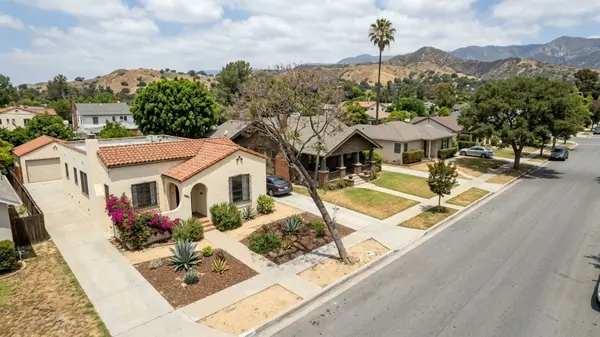
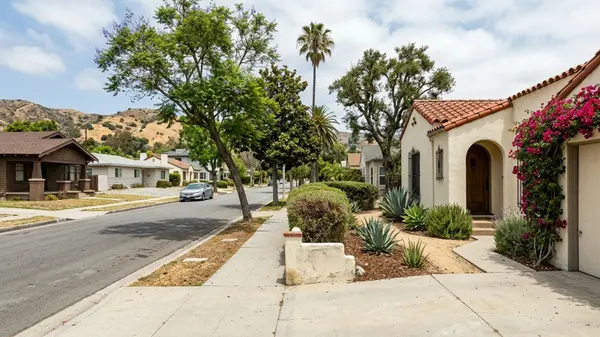
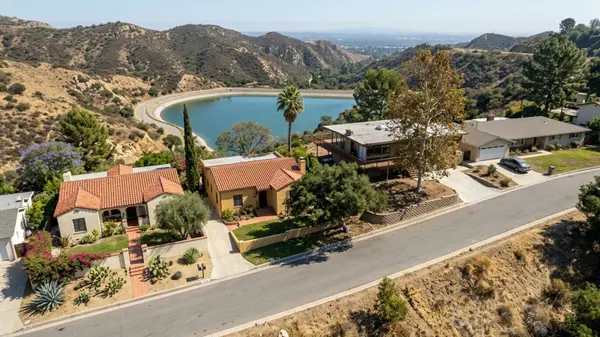
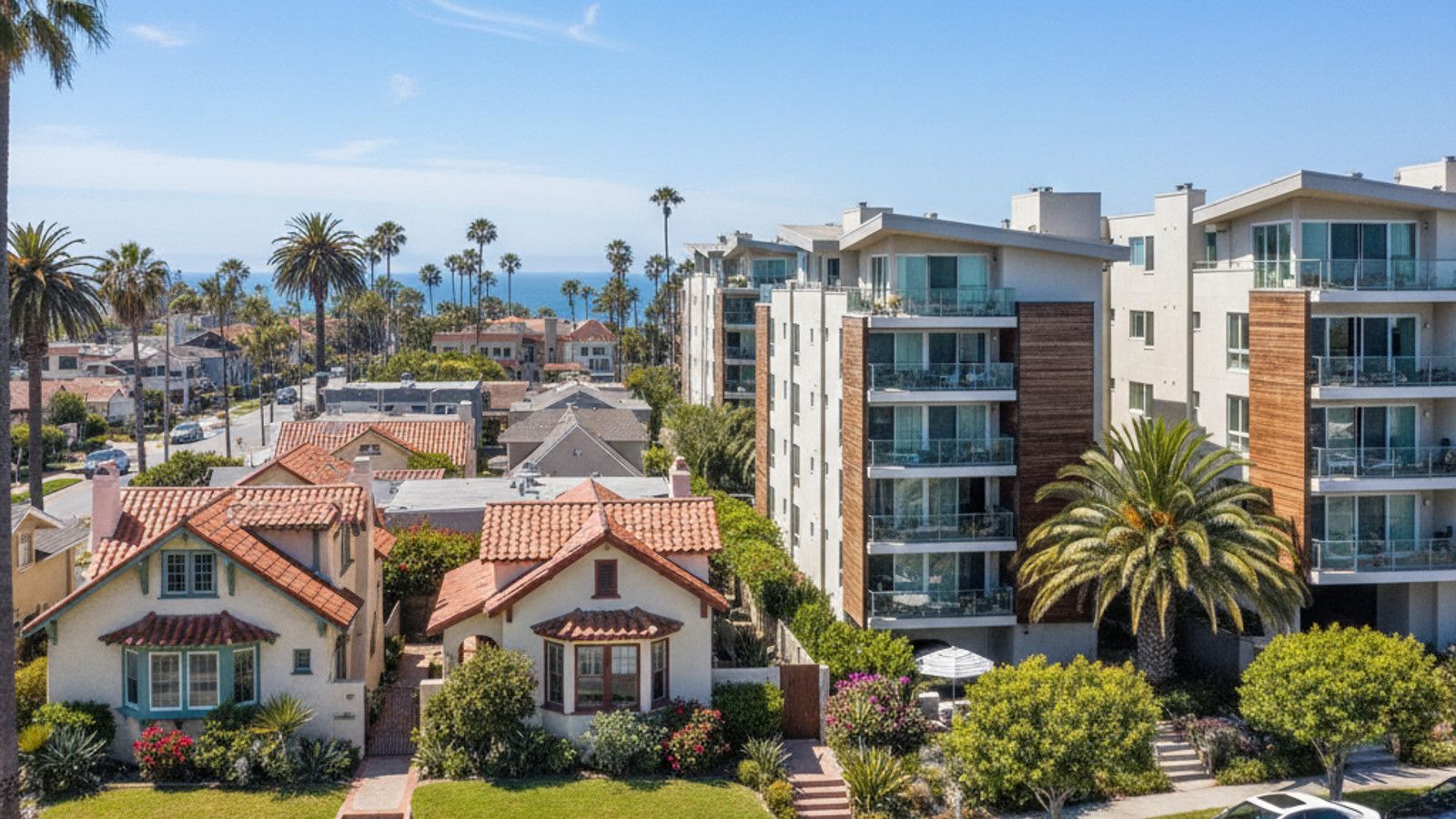
The architectural styles available in each city also influence these price points and available inventory. Los Angeles features a high concentration of historic Spanish Colonial, Tudor, and sprawling Mid-Century Modern estates in the hills. Long Beach is renowned for its classic California bungalows, historic Craftsman homes, and mid-rise coastal condominium complexes.
Homeowners association dues also play a major role in the overall affordability of attached housing in both locations. In Los Angeles, luxury high-rise condominiums frequently carry monthly HOA fees exceeding $1,000 due to extensive building amenities. Long Beach condominiums typically feature fewer complex amenities, resulting in average monthly dues closer to $400 or $500.
For buyers operating on a strict budget, Long Beach delivers significantly more square footage and coastal access per dollar spent. Los Angeles requires buyers to compromise heavily on space, lot size, or property condition to stay under the $1,000,000 mark. The financial leverage required to purchase in Los Angeles simply prices many first-time buyers out of the single-family market entirely.
Property Tax Rates and Assessments
California applies a base property tax rate of 1 percent across the state, but local bonds and municipal assessments alter the final bill. Buyers often overlook these hyper-local variations when calculating their monthly escrow payments. Los Angeles and Long Beach fall under different municipal structures, leading to distinct effective tax rates.
In Los Angeles, the effective property tax rate generally ranges from 1.1 percent to 1.25 percent. Long Beach carries a slightly higher effective rate, typically landing between 1.21 percent and 1.33 percent. This slight increase is largely due to specific local infrastructure bonds and municipal service assessments approved by Long Beach voters.
Supplemental tax bills present another financial hurdle that new buyers in both cities must anticipate during their first year of ownership. When a property changes hands, the county reassesses the value based on the new purchase price, generating a one-time supplemental tax charge. Buyers moving into highly appreciated Los Angeles homes often face massive supplemental bills compared to those purchasing lower-priced Long Beach properties.
Despite the higher percentage rate in Long Beach, the actual annual tax burden is often lower there because the purchase prices are lower. A 1.3 percent tax on a $700,000 Long Beach home yields a smaller annual bill than a 1.2 percent tax on a $1,100,000 Los Angeles property. Buyers must calculate the raw dollar amount rather than just comparing the percentages to understand their true holding costs.
Public Transit and Commuting Infrastructure
Navigating Southern California requires a solid understanding of the regional transportation infrastructure. While the highway system remains the primary method of travel, heavy congestion on Interstate 405 and Interstate 710 makes public transit a crucial alternative. Both cities have invested heavily in expanding their rapid transit networks to connect major employment hubs.
Los Angeles features a sprawling network of light rail, subway lines, and dedicated busways that cover a massive geographical footprint. The system connects distant neighborhoods like Santa Monica to the downtown core, though travel times across the sprawling urban area can still be lengthy. Long Beach operates a more localized transit system but serves as a major terminus for the regional rail network.
The commercial activity at the Port of Long Beach heavily influences local traffic patterns, particularly regarding commercial trucking on the freeways. Buyers commuting by car must factor this heavy freight traffic into their daily schedules when utilizing the southern freeway corridors. Utilizing light rail offers a predictable way to bypass the unpredictable delays of the highway system.
Downtown Los Angeles features expensive, multi-level parking structures where monthly passes can cost hundreds of dollars. Long Beach generally offers more accessible street parking and lower monthly garage rates, easing the financial burden for vehicle owners.
Access to reliable light rail significantly boosts property values in both cities. Homes located within a mile of a rail station command a premium, as they offer buyers a tangible escape from daily freeway gridlock.
Navigating the Metro A Line
The Metro A Line serves as the critical transit artery linking the two cities, running directly from Downtown Long Beach to the 7th Street Metro Center in Downtown Los Angeles. This light rail route provides a predictable, traffic-free alternative for professionals commuting between the two urban centers. Riders can expect the full journey between the downtown hubs to take approximately 57 to 63 minutes.
Walkability near Metro A Line stations heavily dictates residential development patterns along the route. Neighborhoods clustering around these stops feature denser condominium buildings and mixed-use retail spaces. Buyers seeking a walkable, transit-oriented lifestyle often target these specific zones to minimize their reliance on personal vehicles.
The integration of this transit line has transformed how residents view housing affordability in the region. Many buyers willingly choose the lower housing costs of Long Beach, knowing they have a direct, one-hour rail commute into the Los Angeles commercial center. This dynamic keeps the Long Beach real estate market highly competitive among downtown commuters.
Parks and Outdoor Amenities
Access to public green spaces plays a major role in the overall quality of life and property valuation in Southern California. Los Angeles and Long Beach offer vastly different outdoor environments due to their distinct topographical features. Evaluating these amenities helps buyers align their location choice with their preferred recreational activities.
The Los Angeles landscape is defined by its dramatic elevation changes, offering expansive mountain ranges right within the city limits. This rugged terrain provides miles of elevation-heavy hiking trails and sweeping views of the urban basin below. The sheer scale of the park system in Los Angeles accommodates massive crowds while maintaining natural wilderness areas.
Long Beach presents a completely different geographical profile, characterized by flat coastal plains and protected wetlands. The outdoor amenities here focus heavily on aquatic access, paved cycling paths, and marine environments along the coastline. Buyers who prefer ocean breezes and level terrain generally gravitate toward the Long Beach park system.
Coastal access differs significantly between the two municipalities, impacting property premiums near the water. Los Angeles features world-famous beaches in Santa Monica and Venice, which draw massive tourist crowds year-round. Long Beach offers a quieter, harbor-facing coastline along San Pedro Bay, protected by a breakwater that eliminates large surfing waves.
The choice between the two cities boils down to a preference for altitude versus ocean access. Los Angeles dominates in mountain recreation, while Long Beach excels in waterfront and wetland integration.
Griffith Park versus El Dorado Nature Center
The flagship parks in each city perfectly illustrate their contrasting landscapes and municipal priorities. Both locations serve as major regional attractions, but they offer completely different recreational experiences for local residents.
We can compare the distinct features of these two primary outdoor spaces:
-
Griffith Park covers over 4,300 acres in Los Angeles, featuring rugged hiking trails, the iconic Griffith Observatory, and deep canyon landscapes.
-
El Dorado Nature Center occupies 105 acres within a larger Long Beach regional park system, offering paved walking paths, lakes, and native plant ecosystems.
-
Griffith Park requires navigating steep, winding roads to reach its upper trailheads, while El Dorado provides level, easily accessible entry points directly from major city streets.
Property values in the neighborhoods directly bordering either of these parks remain consistently strong. Buyers are always willing to pay a premium for immediate access to these sprawling natural reserves. The proximity to protected green space acts as a major selling feature in both local real estate markets.
Public School Infrastructure
Educational infrastructure is a primary consideration for many buyers evaluating real estate in Southern California. Los Angeles and Long Beach operate completely independent, unified school districts with distinct administrative structures. The physical footprint and student population of these districts differ dramatically, impacting how local communities interact with their schools.
The Los Angeles Unified School District is the second-largest in the United States, managing an enormous logistical operation. The district serves over 400,000 students distributed across more than 780 individual school campuses. This massive scale means that the educational experience, facility resources, and campus sizes can vary significantly from one Los Angeles neighborhood to the next.
The Long Beach Unified School District operates on a much more concentrated scale. It serves approximately 63,000 students across roughly 80 school facilities within the city and a few adjacent municipalities. The smaller footprint of the Long Beach district often results in a more centralized administrative approach and consistent facility standards across the city.
Both districts offer specialized magnet programs and charter school options designed to provide focused curriculums. Navigating the application process for these specialized schools requires careful planning, as admission often depends on specific residential zoning boundaries. Buyers frequently target properties within specific attendance zones to secure enrollment in these high-demand programs.
The sheer size of the Los Angeles district requires buyers to research individual neighborhood zones meticulously before purchasing. Long Beach offers a more consolidated system, making it somewhat easier to navigate the zoning boundaries when selecting a property. Buyers in both cities frequently consult local district maps to ensure their chosen property aligns with their specific educational requirements.
Frequently Asked Questions
Is Long Beach considered part of Los Angeles?
No, Long Beach is an independent, incorporated city with its own mayor, city council, and municipal services. It is located within Los Angeles County, which often causes confusion for out-of-state buyers. The city maintains its own police department, school district, and public works infrastructure.
Is Long Beach more affordable than Los Angeles?
Yes, Long Beach consistently offers lower real estate prices across all property types. A median single-family home in Long Beach costs approximately $685,000 to $800,000, saving buyers hundreds of thousands compared to Los Angeles. Condominiums also present a lower barrier to entry, averaging around $525,000.
How far is the commute from Long Beach to Downtown Los Angeles?
The driving distance is approximately 25 miles, which can take anywhere from 40 minutes to over an hour depending on Interstate 710 traffic. For those using public transit, the Metro A Line covers the distance reliably. A direct light rail trip from Downtown Long Beach to the 7th Street Metro Center takes about 57 to 63 minutes.
Categories
Recent Posts