What to Expect When Living in Los Angeles, CA in 2026
Los Angeles, CA is the second-largest city in the United States, with an estimated 3.86 million residents inside city limits and nearly 9.7 million across the wider county. Moving here means adjusting to a vast geographical footprint, mild weather year-round, and a housing market where the median sale price has crossed the $1 million mark for anyone buying a home in Los Angeles, CA.
People weighing a relocation usually land on the same tension: the cost of living is steep, but the career opportunities and lifestyle amenities are real. Buyers and renters face a fast-moving real estate environment, long freeway commutes, and neighborhoods that feel like entirely different cities depending on whether you're on the coast or out in the inland valleys.
Overview of Life in Los Angeles
The city sprawls across a massive slice of Southern California - Mediterranean climate, decentralized layout, and a freeway network that connects it all. Where you land in the metro shapes your daily life more than almost any other factor, because what the Westside feels like and what the San Fernando Valley feels like are genuinely different experiences.
The local economy runs on entertainment, technology, international trade, and aerospace. That mix draws professionals from around the world, and it produces a housing stock that ranges from dense urban apartments to hillside estates.
What the City is Like
Daily life is a balancing act between major amenities and real logistical friction. The Getty Center, the Hollywood Walk of Fame, Dodger Stadium - they're all out there, but they're spread across different districts, and getting between them takes planning. This isn't a city you can walk across.
Who the Area Suits Best
The region works for a wide range of people, from young professionals building careers in tech and media to those looking into senior living in Los Angeles, CA. The honest question to ask yourself before you commit: what does your daily commute look like, and can your budget support the neighborhood that makes that commute tolerable?
Where Los Angeles is Located
Los Angeles sits on the southern coast of California, with the Pacific Ocean to the west and the San Gabriel Mountains to the north and east. It's the county seat of Los Angeles County - which holds the title of the most populous county in the nation.
The metro's sheer size makes personal transportation central to daily life. A dozen major freeways connect the coast, the urban core, and the valleys, and your relationship with those freeways will define your routine.
County Details
Los Angeles County contains 88 incorporated cities, so the city of Los Angeles is just one piece of a much larger puzzle. Adjacent cities like Santa Monica and Beverly Hills run their own municipal governments, but they're fully woven into the daily flow of the metro area - you won't notice a border when you're sitting in traffic on the 405.
Major Freeways and Commuting
I-405 - the San Diego Freeway - runs north-south along the Westside and carries the distinction of being the busiest freeway in the country. I-10 (Santa Monica/San Bernardino Freeway), US-101 (Hollywood/Ventura Freeway), and I-5 (Golden State/Santa Ana Freeway) round out the main corridors most people use.
Commuters also rely on I-110, I-710, I-605, SR-134, SR-170, I-105, and SR-60 to cross the basin. A couple of junctions worth knowing by name if you'll be driving them daily: the Four Level Interchange where the 110 meets the 101, and the East LA Interchange handling the 5, 10, 101, and 60.
Cost of Living and Housing Prices
According to HomeSnacks, the Los Angeles cost of living index sits at 179 - that's 1.8 times the national baseline of 100. Other estimates put the overall cost at roughly 61.7% above the U.S. average, with housing doing most of the heavy lifting on that number.
The median sale price for homes in Los Angeles is currently around $1,055,302. Available inventory recently hovered near 8,378 homes, with properties spending a median of 52 days on the market before selling.
Housing and Real Estate Trends
Buyers will find roughly 5.1 months of supply, which points to a relatively balanced market - though nearly a third of homes have recently sold above list price, and the average sale-to-list ratio sits at 99.5%. Sellers are generally getting their asking price.
Pricing varies sharply by zip code. The overall median is just over $1 million, but areas like Bel Air and Beverly Hills Post Office operate in a different stratosphere entirely.
Everyday Expenses
Housing is the headline, but groceries, utilities, and transportation all run higher than most other states too. The median household income in Los Angeles is $81,939. Given the dependence on personal vehicles here, gas and insurance deserve their own line in your budget.
Safety and Crime Statistics
The Los Angeles Police Department's 2025 Annual Crime Data Report recorded 230 homicides - a 19% decrease from the 284 recorded in 2024, and the lowest homicide total for the city since 1966. That brings the rate down to 5.9 per 100,000 residents.
Shooting victims dropped 8% year-over-year, from 981 in 2024 to 899 in 2025. One number that doesn't get enough attention: traffic deaths reached 290, exceeding homicides for the third consecutive year. Road safety is a more immediate daily risk for most residents than violent crime.
Walking and Nighttime Awareness
Pedestrian safety is worth taking seriously here, particularly in high-traffic commercial zones and along major multi-lane boulevards. The traffic fatality numbers aren't abstract - they reflect real conditions on real streets.
Neighborhood Considerations
Crime rates shift considerably from one block to the next. If you're narrowing down specific streets, pull the LAPD division reports for those areas - property crime and public safety metrics differ widely between the urban core and the residential valleys, and a zip code average won't tell you what you need to know.
Population and Demographics
The U.S. Census Bureau's most recent estimate (July 2025) placed the city's population at 3,869,089 - a slight dip from the roughly 3.89 million recorded during the 2020 Census. A minor contraction, but Los Angeles still holds the number two spot among U.S. cities.
Los Angeles County as a whole counts an estimated 9,694,934 residents. That density fuels a massive local economy and, predictably, the region's well-documented traffic congestion and persistent pressure on housing supply.
Income and Household Averages
The median household income is $81,939. Economic disparity is a real factor across the metro - recent estimates put the local poverty rate somewhere between 16.5% and 16.6%.
Community Makeup
Los Angeles draws residents from around the world, and that international presence shapes everything from the job market to the retail corridors to the culinary scene. Different parts of the city reflect that global mix in distinct ways.
Weather and Year-Round Climate
The mild Mediterranean climate is genuinely one of the region's strongest selling points. Low humidity, sunshine most of the year, and none of the brutal winters you'd deal with in much of the country.
That said, late summer and early autumn bring dry Santa Ana winds, and those winds elevate fire risk in hillside and canyon communities. If you're buying in those areas, property insurance isn't an afterthought - it's a serious budget line.
Winter Conditions
Winters run from December through February and are mild by almost any standard. Daytime highs average in the mid-60s Fahrenheit, typically somewhere between 65 and 68 degrees, with overnight lows dropping to around 47 to 50 degrees.
Snow in the city basin is essentially nonexistent. Winter is the region's primary rainy season, so if you're expecting dry skies year-round, adjust those expectations for those three months.
Pros and Cons of Relocating
Moving to Los Angeles, CA comes with real trade-offs. The region offers access to specific industries and natural amenities that are hard to replicate elsewhere - but you pay for them.
What makes sense for a remote worker in a coastal neighborhood doesn't necessarily work for someone commuting across the valley every day. There's no universal answer here.
The Upside
The climate enables year-round outdoor recreation in a way that's genuinely rare. Layer on a massive job market, major entertainment venues, and a culinary scene that's among the best in the world, and the appeal is easy to understand.
The Drawbacks
Housing costs and state taxes are high. Traffic congestion is a daily fact of life, not an occasional inconvenience. And the city's scale means public transit covers far fewer practical point-to-point commutes than you'd find in other major urban centers.
Lifestyle, Entertainment, and Neighborhoods
The range of things to do here is legitimately hard to exhaust. Hiking in the Santa Monica Mountains, the Santa Monica Pier, the Hollywood Sign, Griffith Observatory, Universal Studios Hollywood, the Los Angeles County Museum of Art (LACMA) - and that's before you've gotten to Venice Beach or driven down to Disneyland in nearby Anaheim. You can spend years working through different pockets of the city.
Dining and Nightlife
The restaurant scene covers everything from high-end dining in Beverly Hills to street food and food trucks spread across the basin. Nightlife ranges just as widely - live music venues, theaters, and bars concentrated in areas like Hollywood and Downtown LA.
Areas to Consider
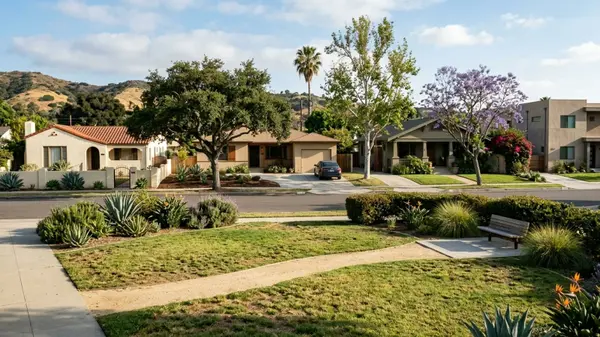
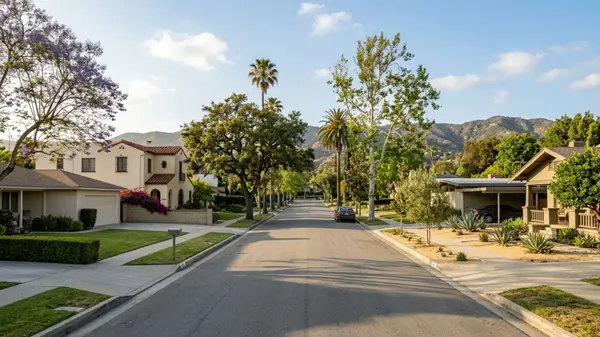
Silver Lake, Echo Park, Los Feliz, Koreatown, Boyle Heights, and South LA all have distinct characters worth understanding before you commit to a neighborhood. Out in the San Fernando Valley, communities like Sherman Oaks and Studio City offer a more suburban feel while staying within the city limits.
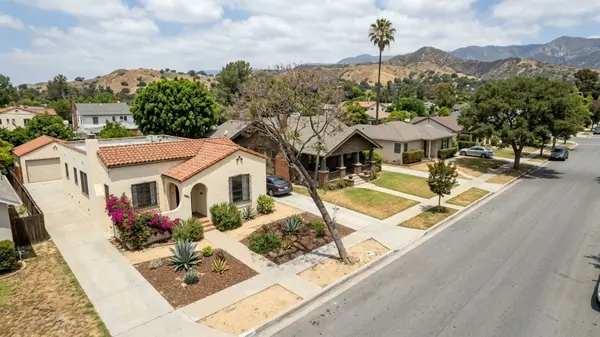
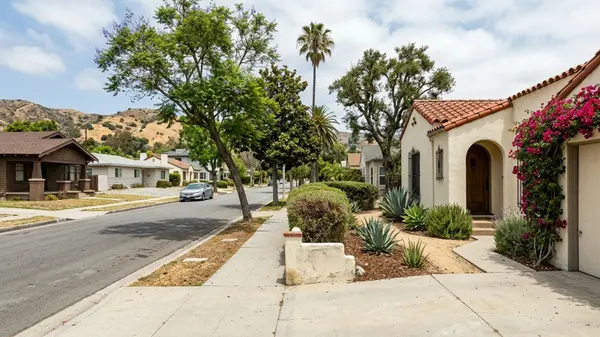
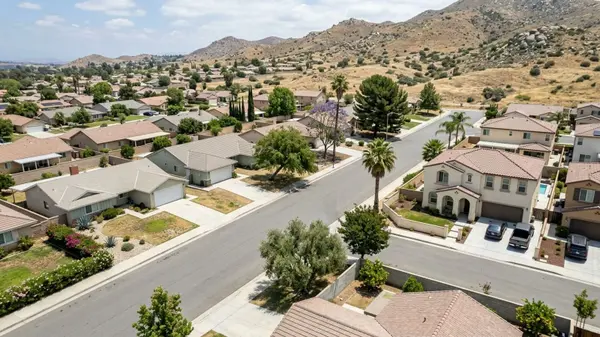
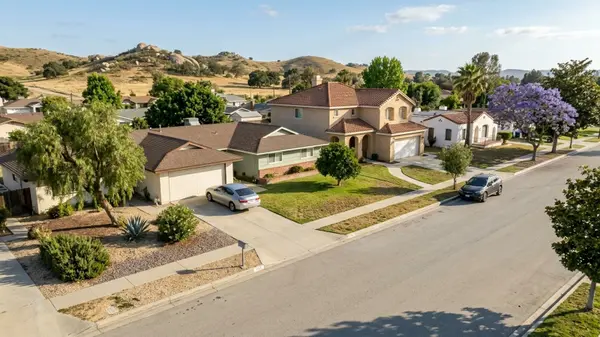
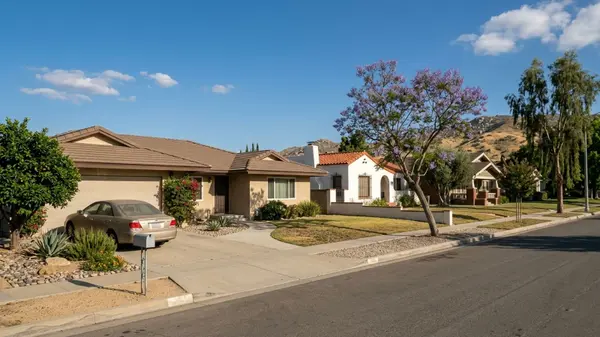
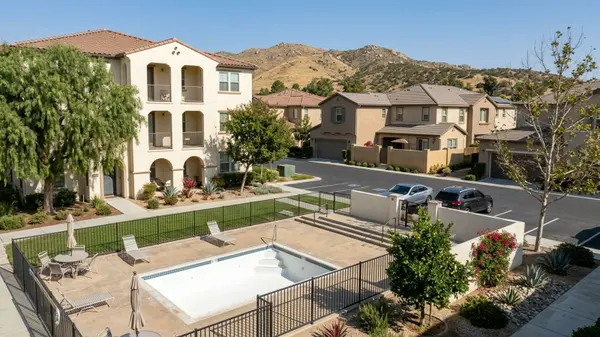
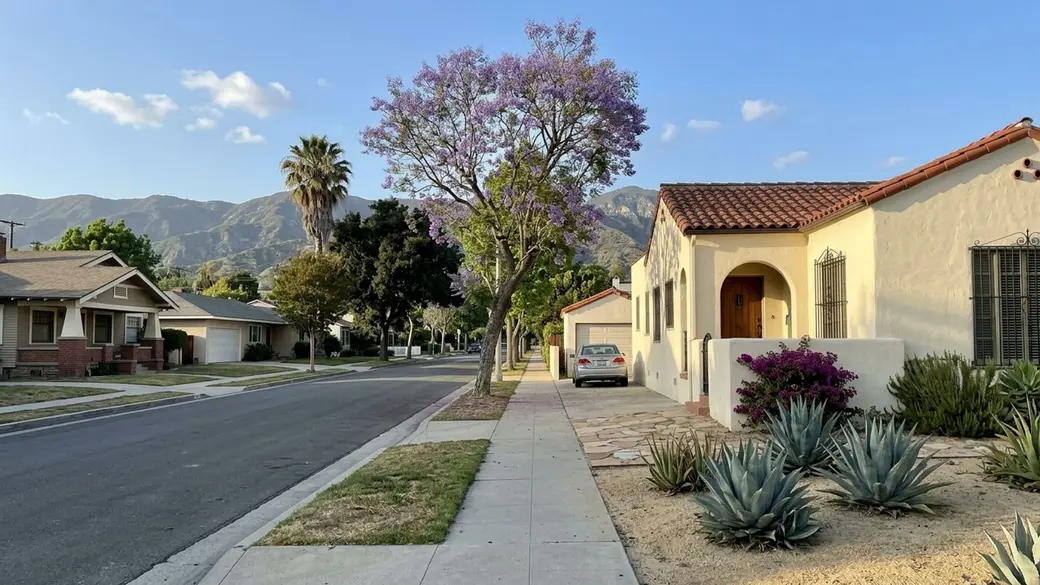
At the higher end of the market, buyers tend to focus on Brentwood, Bel Air, or adjacent independent cities like Beverly Hills and Santa Monica. Architecture varies considerably across the metro - Spanish Revival homes, modern new construction, and everything in between.
Senior and Retirement Living
The climate is a genuine advantage for older adults. No snow, no ice, and the region supports several top-tier medical facilities and specialized care centers. Year-round mobility is easier here than in most of the country.
Housing costs require careful planning regardless of age, but that's especially true for retirees on fixed incomes. Many opt for smaller condos or specialized communities that make monthly expenses more predictable.
Retiring in the Area
People searching for the best places to retire in CA often look toward the outer edges of the Los Angeles metro, where the pace slows down but healthcare access stays strong. The mild winters are a consistent draw for retirees relocating from colder states.
Assisted Living Options
The region supports a wide range of facilities for assisted living in Los Angeles, CA - from independent 55+ communities to full-time medical care. The area also offers specialized housing options including sober living homes in Los Angeles, CA, which provide structured environments for those in recovery.
Frequently Asked Questions
What is the cost of living in Los Angeles, CA?
High. The cost of living index sits at 179, making expenses roughly 1.8 times the national average. Housing drives most of that, with the median home sale price recently reaching $1,055,302.
What is the crime rate in Los Angeles, CA, and is it safe?
It depends on the specific neighborhood. Violent crime has seen recent declines - the LAPD recorded 230 homicides in 2025, a 19% drop from the prior year, bringing the homicide rate to 5.9 per 100,000 residents. Worth noting: traffic deaths currently exceed homicides, which makes road safety a more immediate concern for most residents.
What county is Los Angeles, CA in and where is it located?
Los Angeles is in Los Angeles County, on the southern coast of California, between the Pacific Ocean to the west and the San Gabriel Mountains to the north and east.
What are the pros and cons of living in Los Angeles, CA?
The main pros are a mild year-round climate, a massive job market, and extensive entertainment options. The primary cons are high housing costs, pervasive traffic congestion, and a heavy dependence on personal vehicles for daily commuting.
What are winters like in Los Angeles, CA?
Mild, and it's the area's rainy season. Daytime highs from December through February average in the mid-60s, with overnight lows typically between 47 and 50 degrees.
Is Los Angeles, CA a good place to live for families or retirees?
It depends on your budget and what your day-to-day life looks like. Retirees tend to benefit from the warm weather and extensive healthcare networks. Families often zero in on specific neighborhoods or adjacent cities based on commute times and local amenities.
Is the high cost of living in the region worth it?
Any decision about moving here requires balancing steep expenses against unique lifestyle benefits. The pros and cons of living in Los Angeles usually center on whether the career opportunities and mild Mediterranean climate justify the financial premium. While residents face high state taxes and a median home price over $1 million, they also gain access to a massive job market and year-round outdoor recreation.
How has the city's growth shaped its neighborhoods?
The history of Los Angeles is reflected in its decentralized layout and global community makeup. As the region grew into the second-largest city in the country, it developed distinct districts ranging from dense urban cores to suburban valleys. This evolution produced a varied housing stock that includes everything from classic Spanish Revival homes to modern new construction.
Categories
Recent Posts