Deciding Between Los Angeles vs Burbank: A 2026 Real Estate and Relocation Guide
Choosing where to buy property in Southern California often comes down to balancing municipal perks against neighborhood character. The comparison of los angeles vs burbank is a classic debate for buyers seeking proximity to major employment hubs without sacrificing daily convenience. Both cities offer distinct advantages, but understanding their structural differences is critical for making a sound real estate investment in 2026.
Los Angeles provides a massive, globally connected footprint with dense housing options and unmatched scale. Burbank operates as a fiercely independent municipality right next door, offering its own city services and a distinctly suburban housing stock. Navigating this choice requires looking past the palm trees to evaluate hard data on property values, utility costs, and local transit infrastructure.
Cost of Living and Real Estate Values in Los Angeles vs Burbank
Financial planning for a home purchase in Southern California requires a close look at both upfront pricing and ongoing carrying costs. While these two cities share a border, their real estate markets operate with different baseline metrics in 2026. Buyers often assume that moving outside the Los Angeles city limits automatically yields a discount, but the reality of local inventory tells a different story.
The true cost of living here depends heavily on the type of property you purchase and the municipality managing your utilities. As a clear takeaway, buyers must look beyond the sticker price and factor in the long-term impact of municipal utility rates and homeowner association dues. A slightly cheaper home in one city can easily become more expensive month-to-month depending on these localized fees.
Median Home Prices and Dominant Property Types
Early 2026 data shows the median home price in Los Angeles sitting at approximately $1,000,000 to $1,150,000. Burbank actually tracks slightly higher, with median values averaging $1,100,000 to $1,200,000 across the city. This price inversion surprises many buyers who expect the independent suburb to offer more budget-friendly options than the metropolitan center.
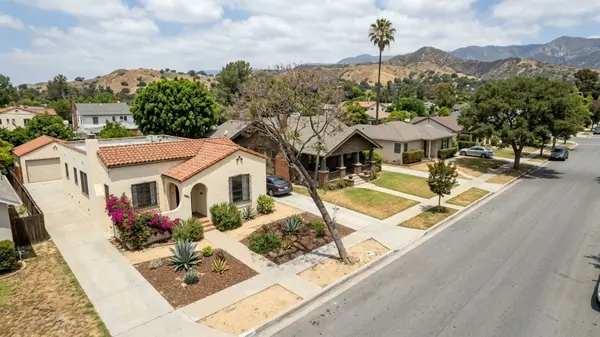
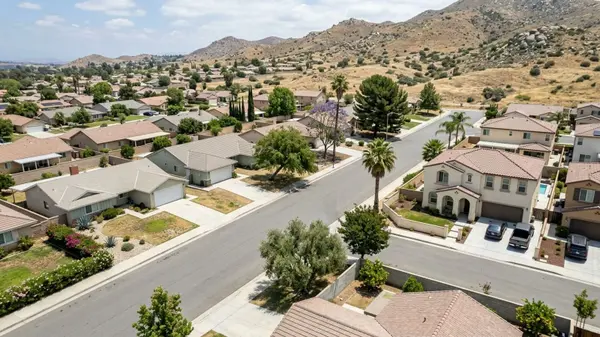
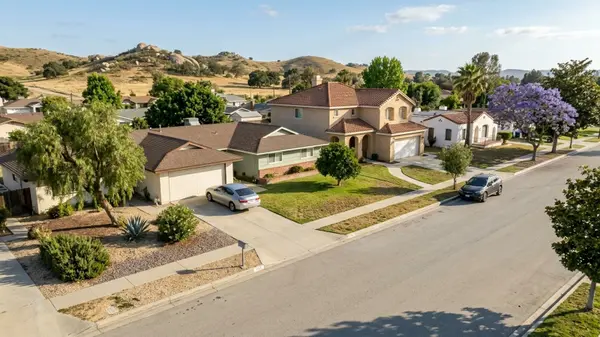
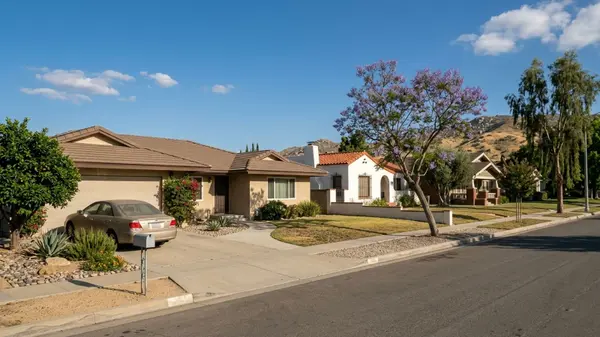
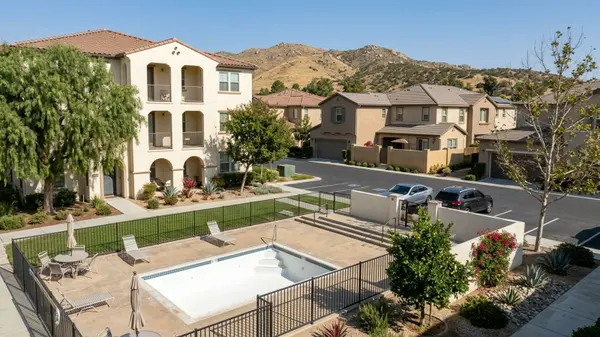
The structural differences in local housing stock drive these valuation trends. Los Angeles features a dense mix of high-rise condominiums and sprawling single-family estates, creating a wide variance in pricing and monthly carrying costs. Burbank concentrates heavily on suburban single-family homes and low-rise townhomes, resulting in a higher baseline price but often avoiding the steep HOA fees associated with Los Angeles high-rises.
Property Tax Rates and City Services
Property taxes remain a major consideration, with the CA base rate locked at 1% of the assessed value. However, both areas see effective rates hovering around 1.21% to 1.25% due to various Los Angeles County voter-approved bonds. Buyers should calculate their monthly escrows based on this higher effective rate rather than the state minimum.
The practical difference in municipal city services is where Burbank truly distinguishes itself from its larger neighbor. Burbank operates its own independent utility provider, Burbank Water and Power, which consistently processes service requests differently than the massive Los Angeles Department of Water and Power. Having a localized utility provider often translates to streamlined billing and highly localized grid management for residents.
Commute Times, Public Transit, and Airport Access
Navigating the region requires a strategic approach to daily transit and regional connectivity. The freeway grid dictates daily schedules, and choosing the right home base can shave hours off a weekly commute. Both of these municipalities offer robust transportation infrastructure, but their placement along major corridors serves entirely different regional destinations.
Access to aviation hubs and regional rail lines also plays a significant role for professionals who travel frequently for business. As a crucial takeaway, buyers should prioritize their most frequent destination when choosing a zip code, as crossing the Hollywood Hills during peak hours remains a persistent challenge.
Navigating the I-5, US-101, and CA-134 Corridors
Burbank offers incredibly efficient access to the I-5 and CA-134 freeways, connecting the San Fernando Valley directly to Downtown Los Angeles. This positioning allows residents to travel the roughly 12 miles to the downtown core with relative predictability, avoiding the worst of the Westside gridlock. The CA-134 also provides a straight, controlled-access highway route directly into neighboring Pasadena and Glendale.
Los Angeles covers a much wider area, meaning commute times vary wildly depending on the specific neighborhood. Navigating the US-101 and the 405 freeway involves well-documented congestion patterns that require strategic timing. Buyers looking at Los Angeles properties must map their specific route to work, as a 10-mile drive can easily exceed an hour during peak transit times.
Hollywood Burbank Airport vs. LAX and Metrolink
The traveler experience differs drastically between Hollywood Burbank Airport and Los Angeles International Airport. Hollywood Burbank Airport features a highly convenient, smaller terminal footprint that makes domestic travel exceptionally smooth. Passengers can often move from the curb to their gate in a fraction of the time required at larger aviation hubs.
Los Angeles International Airport remains the necessary choice for international flights and a wider selection of global carriers. To support these hubs, the regional public transit network includes the Metrolink Ventura County and Antelope Valley lines. These rail options offer dedicated shuttle connections directly to the airports, providing a viable alternative to daily freeway driving.
Comparing Educational Infrastructure: LAUSD vs BUSD
Understanding the structural and jurisdictional differences between the local school districts is a crucial step for many buyers. The Los Angeles Unified School District operates on a massive scale, covering vast geographic limits across the city and several neighboring municipalities. In contrast, the Burbank Unified School District operates independently strictly within its own city borders.
The sheer scale of the Los Angeles Unified School District allows for an incredible diversity of specialized educational tracks. The district offers extensive magnet programs, dedicated STEM academies, and numerous dual-language immersion schools. This vast network provides residents with options to apply to specialized programs far outside their immediate neighborhood boundaries.
The Burbank Unified School District leverages its smaller footprint to offer highly specialized program offerings tailored to the local economy. The district features prominent performing arts, music, and media programs that draw directly upon the proximity of local entertainment industry professionals. The takeaway here is that buyers must weigh the expansive, specialized magnet options of Los Angeles against the highly localized, industry-adjacent programs of Burbank.
Entertainment Employers and Community Recreation
The local economy in this region is heavily anchored by the entertainment industry and the robust recreational spaces that support the surrounding neighborhoods. Major employers dictate the flow of traffic and the development of local commercial centers. Living near these economic drivers often translates to shorter commutes and stronger localized property values.
Outdoor amenities also play a significant role in the daily lifestyle of residents in both municipalities. As a key takeaway, access to dedicated green space and vibrant commercial districts is a major differentiator in CA real estate, and buyers should prioritize neighborhoods that align with their recreational habits.
Proximity to Warner Bros., Disney, and Universal
Burbank holds a unique position as a central hub for major entertainment industry employers. Warner Bros. and Walt Disney Studios operate massive campuses directly within the city limits, while Universal Studios sits just across the border in Universal City. This heavy concentration of production facilities creates a highly localized job market.
For studio professionals, living in or immediately adjacent to Burbank significantly reduces the daily commute. The ability to live within a few miles of a major studio lot is a massive draw for buyers working in television, film, and media production. This proximity anchors the local real estate market and sustains consistent housing demand throughout the immediate corridor.
Griffith Park, Chandler Bikeway, and Commercial Districts
Recreational amenities vary greatly in scale and design between the two cities. Los Angeles boasts Griffith Park, a massive footprint of over 4,000 acres featuring hiking trails, observatories, and golf courses. This sprawling wilderness area provides an expansive escape from the urban density of the surrounding neighborhoods.
Burbank offers a different approach to outdoor recreation with the popular Chandler Bikeway, a linear path perfect for cycling and jogging through the center of the city. Both municipalities feature excellent local access to commercial districts, dining, and retail centers. Residents enjoy distinct local shopping corridors that reflect the unique architectural history of each city.
Frequently Asked Questions
Is Burbank cheaper to live in than Los Angeles in 2026?
While Burbank offers independent municipal services and avoids some specific city taxes, its 2026 median home price actually tracks slightly higher than the overall Los Angeles median. Buyers will find that a typical Burbank home averages approximately $1,100,000 to $1,200,000. However, specific neighborhoods within Los Angeles, such as the Westside or Santa Monica, remain significantly more expensive than anything found in Burbank.
Is it better to fly into LAX or Burbank?
Hollywood Burbank Airport features a smaller footprint that makes it incredibly convenient for domestic travel, especially when accessing the San Fernando Valley or Hollywood. Passengers can navigate security and reach their gates much faster than at larger regional hubs. Conversely, Los Angeles International Airport is the necessary choice for international flights and a wider selection of global airlines.
Is Burbank considered part of Los Angeles?
Burbank is an independent, incorporated city located entirely within Los Angeles County. It is not a neighborhood of the City of Los Angeles. Burbank operates its own police department, fire department, school district, and utility services completely separate from its larger neighbor.
Categories
Recent Posts