What to Expect for Buyer Closing Costs in Orange County, CA
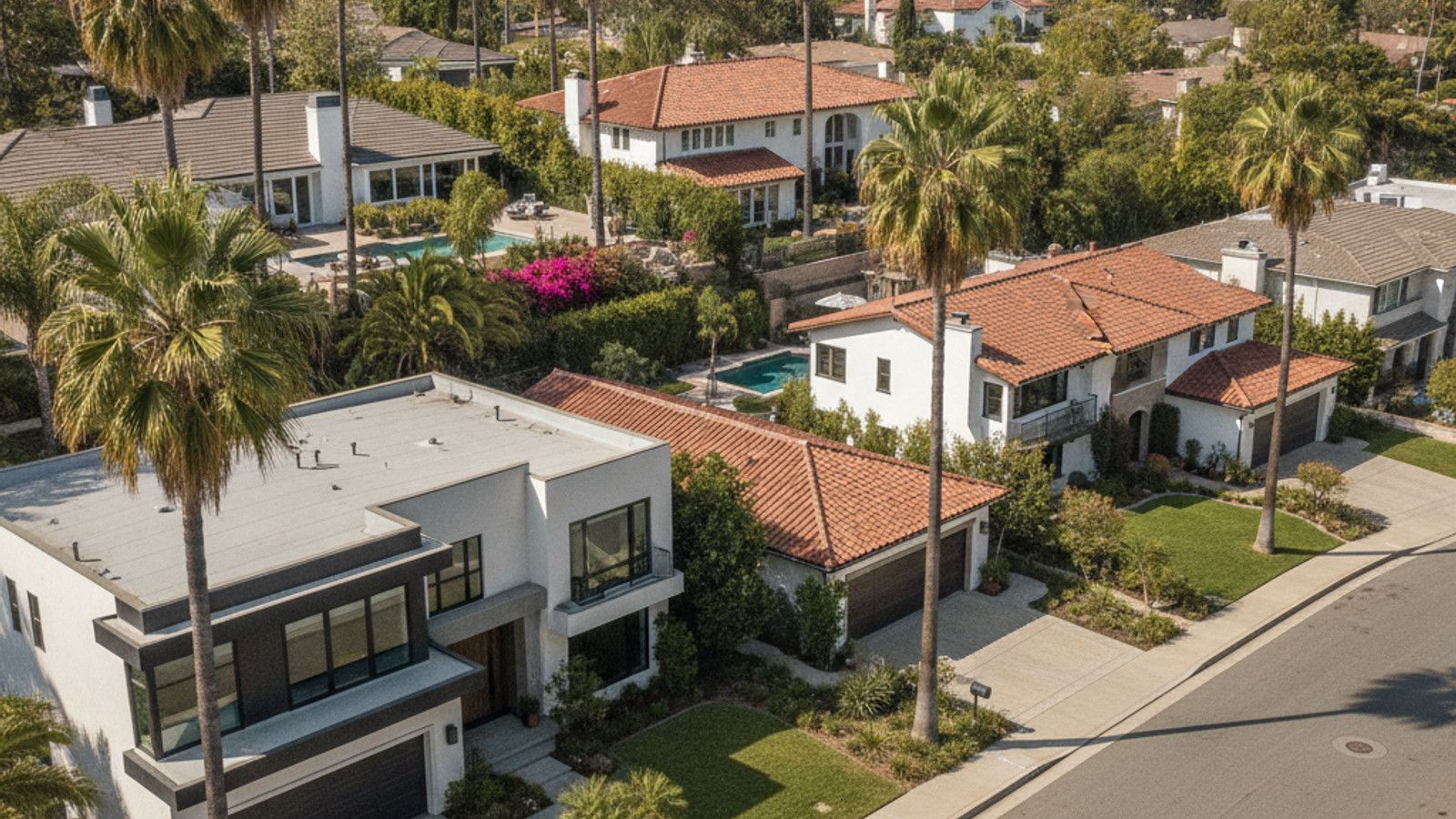
The median home price in Orange County, CA sits around $1,260,000 as of mid-2026. That number alone is enough to make most buyers' eyes water - but the down payment isn't the only cash you'll need on signing day. Closing costs add a substantial lump sum on top of it, and first-time home buyers in Orange County who aren't prepared for that figure have a rough final week of escrow.
These fees cover the administrative, legal, and financial work required to transfer ownership: processing the loan, verifying property lines, legally recording the sale. The funds sit with a neutral escrow company until the transaction closes. Knowing what you're looking at before you get to the settlement table makes the final statement a lot less stressful to read.
What Are Closing Costs in California?
Closing costs are the collection of fees paid to third parties at the end of a transaction. Both the buyer and seller pay a share, though their obligations look very different. Each party gets a separate settlement statement spelling out exactly what they owe, and the specific split depends on local customs and what's been negotiated in the purchase agreement.
Closing Costs vs. Down Payment
The down payment is the portion of the purchase price you pay upfront - it reduces the loan balance directly. Closing costs are separate fees for the services required to process the sale and the mortgage. They're two distinct cash requirements, and conflating them is one of the most common reasons buyers come up short in the final days of escrow.
Your lender will want to see that you have enough liquid assets to cover both figures before issuing a final loan approval. Keep them separate in your budget from day one.
Buyer vs. Seller Costs
Buyers primarily cover fees tied to the mortgage itself - origination, appraisal, and funding the initial escrow reserves. Sellers typically handle the agent commissions and the costs to clear the property's title. Certain fees, like escrow services, are commonly split between the two parties based on regional tradition.
How Much Are Buyer Closing Costs in Orange County?
Statewide, California buyer closing costs typically range from about 2% to 5% of the purchase price. Some sources cite a lower average near 1%, depending on the loan type and whether taxes are rolled into the financing. Orange County buyers fall into that same 1% to 5% window.
Applied to the county's approximate $1.26 million median sale price, that means a typical buyer might pay anywhere from $12,600 to $63,000 at settlement. Where you land in that range comes down to your lender, the local property tax rate, and the size of your down payment.
Average Percentages vs. Dollar Amounts
Percentages are a starting point, but dollar amounts are what actually matter when you're planning your finances. Fixed fees - appraisals, recording charges - stay relatively flat regardless of what the home costs. Variable costs like loan origination fees and prepaid property taxes scale directly with the purchase price.
If you're buying at the higher end of the market, those variable costs will drive your total settlement figure up considerably. Buying below the median, you'll find fixed fees making up a larger slice of your overall percentage.
Why Local Averages Fluctuate
Property taxes are the biggest wild card in a Southern California settlement statement. Lenders require you to prepay a certain number of months of property taxes into an escrow account at closing. If the home sits in a Mello-Roos district, those special assessments raise the total annual tax bill - which means a larger required upfront deposit.
Breakdown of Buyer Closing Costs in Orange County
A standard settlement statement has dozens of individual line items. It's easier to make sense of once you group them into categories. The largest expenses typically come from the mortgage itself and the costs tied to escrow, title, and local transfer taxes.
Orange County has specific regional customs around who pays what. Technically everything is negotiable, but following local standards keeps the transaction from getting complicated. Pull your Loan Estimate document early - it'll show you how these customs apply to your specific purchase before you ever get to the closing table.
Loan and Lender Fees
Securing a mortgage comes with several processing and underwriting charges. There's an origination fee that covers the administrative cost of creating the loan, plus a third-party appraisal to confirm the property's value matches the purchase price. Credit report fees and flood certification charges also fall here.
You might also choose to pay discount points - an optional upfront fee that buys down your interest rate over the life of the loan. That's a separate decision from the required fees, but it'll show up on the same section of your estimate.
Escrow, Title, and Transfer Taxes
In Orange County, the longstanding local custom is for the buyer and seller to split the escrow fee 50/50. That's different from other parts of California where one party often bears the full cost. For title insurance, sellers customarily pay for the Owner's Title Insurance policy; buyers pay for the Lender's Title Insurance policy.
The Orange County Documentary Transfer Tax rate is $0.55 per $500, or $1.10 per $1,000 of the sale price. There are no additional city transfer taxes layered on top within the county. The seller traditionally pays this tax, though it can be reallocated in the purchase agreement.
Prepaids and Escrow Reserves
Your lender will require you to fund an escrow account to cover future recurring expenses. That typically means prepaying six to twelve months of homeowner's insurance premiums, plus several months of property taxes so the lender can pay the county tax bill when it comes due.
If you're buying a condo or a home in a planned community, add HOA dues to that list. Some HOAs also charge a separate transfer fee to update their ownership records - a small line item, but worth knowing about before the final statement lands in your inbox.
Example Buyer Closing Costs by Home Price
The Orange County median hovers around $1.26 million, but a lot of buyers - especially those looking at condos or properties in surrounding areas - are shopping at lower price points. The 2% to 5% range still applies across those brackets.
A cash buyer will pay meaningfully less than a financed buyer, since they skip origination fees, appraisal charges, and the lender title policy. The estimates below assume a standard financed purchase.
Estimated Costs for $300,000 to $600,000 Homes
On a $300,000 property, closing costs at 2% to 5% will range from $6,000 to $15,000. A $400,000 home puts you between $8,000 and $20,000. At $500,000, budget between $10,000 and $25,000.
Scale up to a $600,000 purchase and the required settlement funds span from $12,000 to $30,000, depending on the lender and your specific tax reserves.
How to Reduce Your Closing Costs
You're not entirely at the mercy of the fee schedule. Shopping lenders can reveal real differences in origination fees and underwriting charges - it's worth the extra calls. You can also negotiate with the seller to cover a portion of your settlement costs.
Orange County currently has about 3 months of housing supply, and homes are spending roughly 38 days on the market. That pace doesn't leave a lot of room to ask for seller credits on a competitive listing, but it's not impossible on the right property.
Seller Concessions and Credits
A seller concession is when the seller agrees to pay a specific dollar amount toward your closing costs. Buyers typically request these credits during the inspection negotiation phase rather than asking for a straight price reduction - it tends to land better that way.
Mortgage loan programs cap how much a seller can contribute. For conventional loans, the limit is typically 3% to 6% of the purchase price, depending on your down payment size.
Lender Credits
A lender credit works the other direction: the mortgage company covers some or all of your upfront closing costs, and in exchange you agree to a higher interest rate for the life of the loan. It preserves your cash at closing.
It also means a higher monthly payment. Before you take that trade, run the numbers on what the higher rate costs you over time versus what you're saving upfront. For some buyers it makes sense; for others it doesn't.
Frequently Asked Questions
What percentage of the purchase price should I budget for buyer closing costs in Orange County, CA?
Statewide and local averages point to 1% to 5% of the purchase price. For a typical financed transaction, most buyers land in the 2% to 3% range. Cash buyers generally come in toward the lower end.
Who customarily pays the title insurance and escrow fees in an Orange County real estate transaction?
Local custom is for the buyer and seller to split the escrow fee 50/50. For title insurance, the seller customarily pays for the Owner's Title policy and the buyer pays for the Lender's Title policy. Those splits are standard but can be negotiated in the contract.
How common is it to get seller concessions to cover buyer closing costs in the Orange County market?
It depends on the property and how fast the market is moving. With homes selling in about 38 days on average, a hot listing isn't likely to come with seller credits. You'll have better luck on homes that have been sitting or need minor repairs.
Will buying a home in an Orange County neighborhood with Mello-Roos increase my upfront prepaid closing costs?
Yes. Lenders require you to fund an escrow account with several months of property taxes at closing. Mello-Roos assessments increase the total annual tax bill, which raises the required upfront deposit.
Can I roll my buyer closing costs into my mortgage when purchasing a home in OC?
It depends on the loan type and your lender's guidelines. Some programs allow you to finance the closing costs by adding them to the principal balance; others require cash. You can also use lender credits to cover costs in exchange for a higher interest rate.
At what point in the escrow process do I need to wire the funds for my closing costs?
You'll wire your final closing funds just before the closing date. The escrow company will send a final settlement statement and wiring instructions a few days before the scheduled recording. Those funds need to clear the escrow account before title can transfer.
Categories
Recent Posts