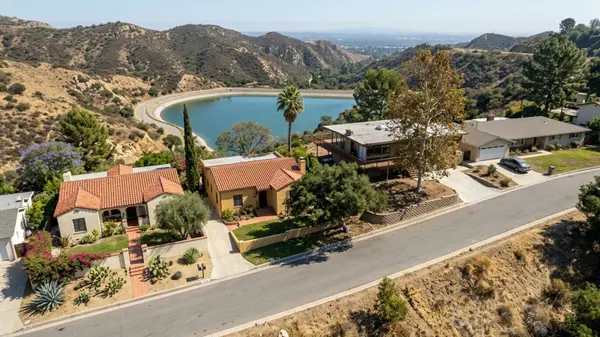
Buying a House in Los Angeles, CA vs San Francisco: Market Differences
These two markets get compared constantly, and it makes sense - they're both in California, both expensive, and both attract buyers who've done their homework on the pros and cons of living in Los Angeles, CA. But they function very differently, and what your budget buys in one city versus the other isn't even close to the same conversation.
The median sale price for homes in Los Angeles, CA sits around $1.05 million. San Francisco runs considerably higher, with median prices typically ranging between $1.4 million and $1.65 million depending on the specific neighborhood. That gap shapes everything: where buyers look, what property types they consider, and how much they need to bring to the table.
Comparing the Real Estate Markets
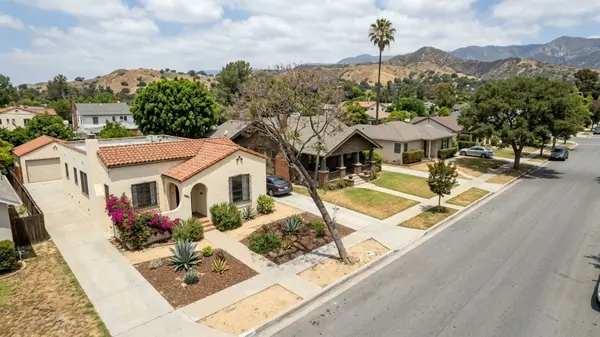
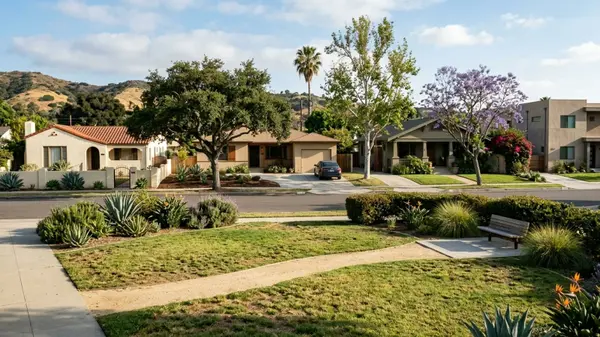
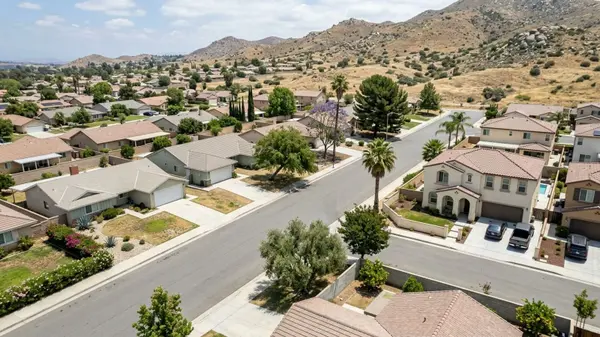
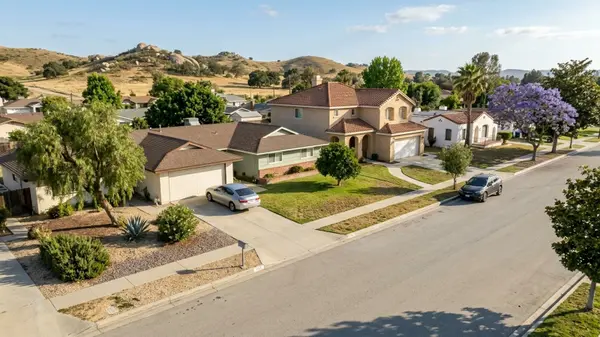
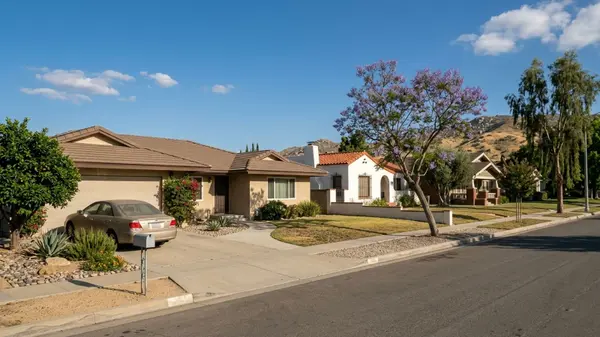
Geography drives most of the difference here. Los Angeles spreads out across valleys and hillsides, which means larger lots, wider residential streets, and room to breathe. San Francisco occupies a compact peninsula. Development goes up rather than out, and the living environment is noticeably denser.
Inventory follows the same logic. Los Angeles recently recorded over 8,300 available homes on the market - buyers have a broad spectrum of neighborhoods to work with. San Francisco's physical constraints limit supply and concentrate demand on available rowhouses and condominiums. If you're used to having options, the Bay Area will feel like a different exercise entirely.
Median Home Prices and Market Trends
Recent data puts the Los Angeles median sale price at approximately $1,055,300, with homes spending about 52 days on the market and selling for roughly 99.5% of list price. That last number matters - it tells you negotiation exists, even if it's modest. Los Angeles County as a whole trends slightly lower, with a median sale price near $922,000.
San Francisco demands more upfront. Recent estimates place the average home value in San Francisco County at roughly $1.42 million, with median closing prices climbing as high as $1.65 million over the past six months. Expect higher down payments and a smaller pool of available single-family detached homes.
Property Types and Architectural Styles
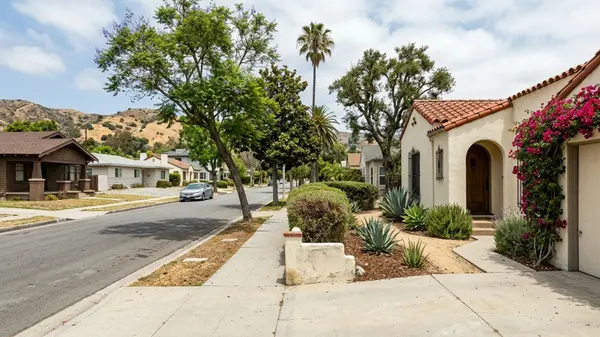
Los Angeles features a mix of period revival and modernist residential architecture. Spanish Colonial Revival homes - concentrated in neighborhoods like Hancock Park and Beverly Grove - have stucco walls, red tile roofs, and arches that keep interiors cool. Mid-Century Modern homes dominate areas like Los Feliz, Hollywood Hills, and Encino, with huge windows, open layouts, and clean lines built around outdoor living.
San Francisco's residential architecture centers on its historic rowhouses. The city is known for Victorian houses built between 1849 and 1915 - typically two or three stories, with ornate moldings, bay windows, and decorative gables. Edwardian homes, built primarily from 1901 to 1910, pull back on the ornamentation: flat facades, box shapes, simpler detailing. If you're relocating from LA, the shift in scale alone takes some adjustment.
Cost of Homeownership and Daily Expenses
The purchase price is only the starting point. What you pay monthly after closing - taxes, insurance, utilities - is what determines whether a home is affordable long-term.
Both cities sit well above the national average for daily expenses, though the breakdown differs by region.
Property Taxes and Insurance
California's property tax framework applies statewide, but local assessments layer on top. In Los Angeles County, the total property tax rate sits around 1.25% when you factor in taxes for schools, vector control, and other local measures. The base effective rate based on median home values often calculates closer to 0.66% to 0.68%, though your actual bill depends on the specific neighborhood assessments where you're buying.
San Francisco County applies its own local parcel taxes and bonds on top of the state base rate. In both cities, ask your lender to estimate monthly tax payments based on the exact purchase price - not the current owner's tax bill. California reassesses property values upon sale, so the seller's number won't reflect yours.
Everyday Expenses and Utilities
San Francisco generally carries higher costs for groceries, dining, and general services than Los Angeles. Neither city is cheap, but the gap is real.
Utility costs reflect climate more than anything else. Los Angeles homeowners run air conditioning through warm summer and fall months, which drives up electricity usage. San Francisco's cooler, fog-influenced climate reduces the need for air conditioning, though residents tend to spend more on heating during damp winter months. It's a trade-off, not a clear win for either side.
Transportation and Daily Commutes
How you get around is a lifestyle decision as much as a practical one, and these two cities require completely different approaches.
Before you fall in love with any specific address, map out the commute. Distance to major employment hubs and transit access will affect your daily schedule and your transportation budget in ways that compound over time.
Driving in Los Angeles
Los Angeles is built around its freeways. Most residents commute on major arteries like I-405, US-101, and I-10, and proximity to those routes is a real factor in home values.
Living closer to the main freeways cuts down surface-street driving time, though it can also bring noise. A home with dedicated parking or a garage is a meaningful asset in this market - don't overlook it.
Transit Options in San Francisco
San Francisco runs on walkability and public transit in a way Los Angeles simply doesn't. The BART system handles regional travel; the Muni network of buses and light rail covers neighborhood connections.
A lot of San Francisco residents don't own a car at all. Homes within a short walk of BART stations or major Muni lines carry premium prices because of it - that convenience is priced in, and buyers should expect that.
Deciding Between Southern California and the Bay Area
This comes down to budget, lifestyle, and how you want to spend your days. Los Angeles offers more space, a range of home styles including Mid-Century Modern and Spanish Colonial, and a lower entry price point around $1.05 million. You'll rely on a car, and freeway commuting is part of the deal.
San Francisco offers a compact, transit-oriented environment with historic Victorian and Edwardian rowhouses. The financial barrier is higher - median prices reach up to $1.65 million - but walkable neighborhoods and robust public transit are part of what you're buying.
Pull current listings in both markets and see what your budget gets you in square footage and location. A local agent in either market can give you neighborhood-specific data that makes the comparison concrete rather than theoretical.
Frequently Asked Questions
Is real estate more expensive in Los Angeles or San Francisco?
San Francisco is more expensive. Recent median home prices there range from $1.4 million to $1.65 million. In Los Angeles, the median sale price is approximately $1.05 million.
What types of homes are available in Los Angeles vs San Francisco?
Los Angeles has a mix of Spanish Colonial Revival and Mid-Century Modern homes with open layouts and larger lots. San Francisco is known for its historic, multi-story Victorian and Edwardian rowhouses built close together.
How do property taxes compare between Los Angeles and San Francisco?
Both fall under California's state property tax laws, which reassess homes upon purchase. Los Angeles County has a total property tax rate around 1.25% when including local taxes for schools and vector control. San Francisco applies its own specific local bonds and parcel taxes on top of the state base rate.
How fast do homes sell in the Los Angeles, CA real estate market compared to San Francisco?
In Los Angeles, homes currently spend an average of 52 days on the market and tend to sell for about 99.5% of their list price.
Will I need a car for commuting if I buy a house in Los Angeles, CA instead of San Francisco?
Yes - a car is generally necessary in Los Angeles. The city is spread out and built around major freeways like I-405, US-101, and I-10. San Francisco offers extensive public transit through BART and Muni, and many residents there get by without a vehicle.
What are the biggest mistakes buyers make when relocating from San Francisco to Los Angeles, CA?
Underestimating the size of Los Angeles is the most common one - and the time it takes to drive between neighborhoods catches people off guard. Prioritize proximity to major freeways like I-10 or US-101 when you're evaluating homes. You'll also need to recalibrate your expectations for home styles: dense Victorian rowhouses are out, and spread-out Spanish Colonial or Mid-Century Modern properties are in.
Are there housing options for older adults relocating to Southern California?
The warm climate and homes built around outdoor living make the area appealing for older buyers. Those seeking specific amenities can look into various retirement communities in Los Angeles that offer more room to breathe than dense San Francisco neighborhoods.
What is the lifestyle like for residents in Southern California?
The region's warm weather naturally encourages outdoor living, while the larger residential lots provide plenty of personal space. Residents can enjoy a wide variety of things to do in Los Angeles, though reaching different venues usually requires driving on the major freeways.
Categories
Recent Posts