The History of Los Angeles, CA: From Early Pueblo to Global Metropolis
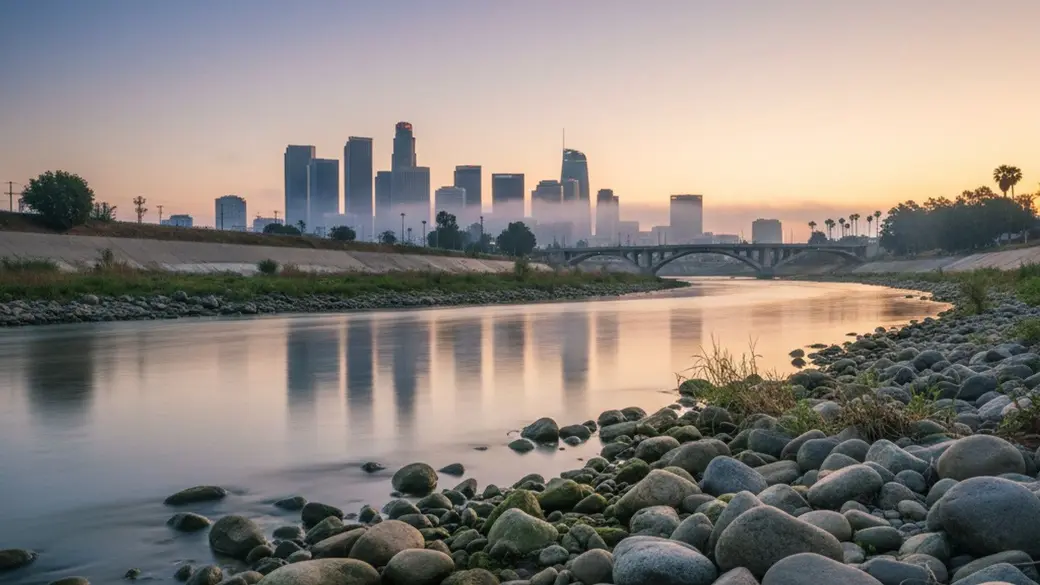
When you grab a coffee and look out over the Los Angeles Basin today, it is hard to imagine a time before the freeways, skyscrapers, and bustling neighborhoods. Los Angeles is a sprawling global metropolis with a complex, multi-layered history that spans centuries.
Today, the city boasts a current population of roughly 3.8 million people, but it started as a very small, quiet settlement. The region has always had incredible geographical advantages, from the protective mountains to the beautiful Southern California coastline, which made it a highly desirable place to live long before modern real estate was a concept. Understanding this chronological journey from early indigenous life to modern development is incredibly helpful if you are moving to the area.
If you are putting together a Los Angeles relocation guide or just want a better overview of Los Angeles neighborhoods, knowing the backstory of the land is the best place to start. Every street, property line, and architectural style here has a story to tell.
The First Inhabitants: Tongva and Chumash People
Long before European explorers arrived, the Los Angeles Basin was home to a thriving indigenous population. The Tongva - also known as the Gabrielino - and the Chumash peoples were the first inhabitants of this region.
Prior to the year 1542, there were an estimated 5,000 to 10,000 indigenous people living in the area. They built a sustainable way of life, relying heavily on the Los Angeles River and the local coastal environments for both agriculture and extensive trade networks.
One of their most significant historic villages was Yaanga, which was located right near present-day Downtown Los Angeles. Interestingly, many of the early indigenous foot trails they carved through the basin later influenced the exact layout of our modern roadways. If you ever dive into the history of Downtown Los Angeles, you will quickly see that its foundation rests entirely on these early indigenous settlements.
When Was Los Angeles Founded and By Whom?
Fast forward to the late 18th century, and we arrive at the official European founding of the city. The transformation from a remote Spanish colonial outpost to a vital agricultural pueblo is a fascinating chapter in Southern California history.
On September 4, 1781, Spanish Governor Felipe de Neve officially established the new settlement. He did not do it alone - he brought a diverse group of 44 settlers, known as pobladores, to help build a new community from the ground up.
People often ask how the city got its name, and the truth is that it originally had a much longer, more majestic title. The settlement was officially named El Pueblo de Nuestra Señora la Reina de los Ángeles de Porciúncula.
Over the decades, this small pueblo grew into a vital agricultural hub for the region. When you are looking at historic homes for sale in Los Angeles today, it is amazing to think that the entire real estate market started with just 44 settlers working the land.
A Brief History of Los Angeles, California: Eras of Growth
The growth of Los Angeles did not happen overnight - it happened in distinct, explosive eras. Each chapter brought new industries, new residents, and massive changes to the local landscape.
During the Mexican Era from 1821 to 1848, the government established vast ranchos across the region. These massive land grants were used primarily for cattle grazing, but they actually shaped the property lines and neighborhood boundaries that we still use today.
Following the Mexican-American War, the Treaty of Guadalupe Hidalgo was signed in 1848, transferring control of the territory. Shortly after, on April 4, 1850, Los Angeles was officially incorporated as an American city.
The late 19th and early 20th centuries brought massive population booms to the West Coast. The arrival of the Southern Pacific Railroad made travel easier, while the sudden discovery of oil and a booming citrus industry drew thousands of wealth-seekers to the city.
Perhaps the most critical turning point for local development was the completion of the Los Angeles Aqueduct in 1913 by William Mulholland. By bringing a steady water supply from the Owens Valley, the city was finally able to expand outward. This engineering marvel directly enabled the growth of the San Fernando Valley real estate market and forever changed Los Angeles infrastructure and transportation.
History of Los Angeles Museums and Landmarks
You do not have to just read a book to experience the factual history of Los Angeles - you can actually walk through it. There are several incredible landmarks preserved across the city where residents and visitors can see our roots up close.
-
El Pueblo de Los Angeles Historical Monument: This is the physical birthplace of the city. It is home to the famous Olvera Street, which was beautifully restored around 1930, offering a vibrant look at early pueblo life and Mexican culture.
-
Natural History Museum of Los Angeles County: This is a fantastic resource for chronicling the natural and cultural evolution of the region, from prehistoric times through the modern era.
-
Los Angeles Memorial Coliseum: Opened in 1923, this iconic stadium is a historic sports venue and a rare two-time Olympic host, deeply tied to the city's 20th-century growth.
-
La Brea Tar Pits: It is incredibly unique to have a prehistoric excavation site right in the middle of urban Los Angeles. This landmark offers a literal window into the Ice Age, right off Wilshire Boulevard.
Spending a weekend visiting these sites is one of the best things to do in Los Angeles. If you are living in Downtown Los Angeles, you are in luck, as you are just a short transit ride away from almost all of these historical treasures.
How LA's History Shapes Its Modern Neighborhoods
As a local real estate professional, I always point out that you cannot truly understand our modern housing market without looking at our history. The way the city grew over the last two centuries directly dictates the types of homes, lot sizes, and communities you see today.
Those original Spanish and Mexican ranchos I mentioned earlier evolved directly into the massive modern neighborhoods and master-planned communities we navigate today. The wide avenues and sprawling layouts in certain districts are a direct result of that early rancho land division.
Later on, the mid-century defense and aerospace booms created an urgent demand for housing. This economic shift pushed development outward, creating distinct suburban pockets in areas like the South Bay and the San Fernando Valley.
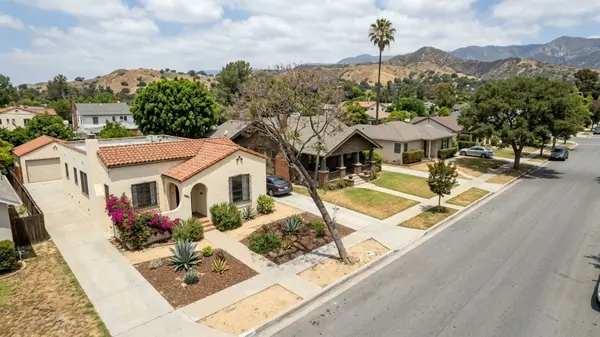
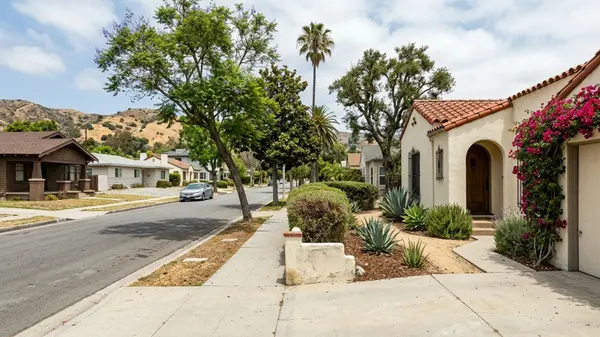
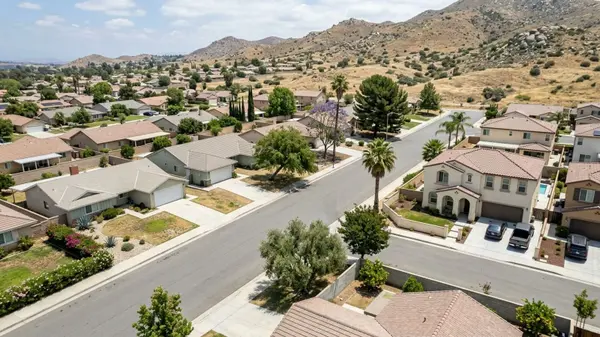
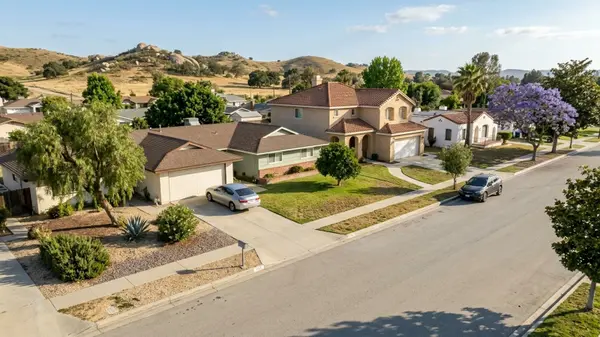
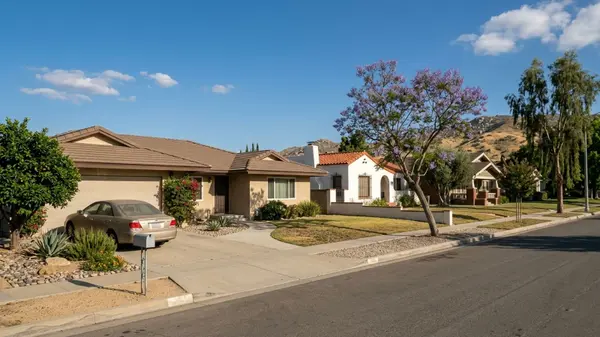
Today, the preservation of historic architecture has a massive impact on modern property values. Throughout the city, you will find beautifully maintained Craftsman bungalows and Spanish Colonial Revival properties. Depending on the exact location and condition, restored historic homes can easily range from $850,000 to $1,500,000 or more.
Understanding city history helps prospective homebuyers choose a neighborhood that truly aligns with their architectural and cultural preferences. Whether you are specifically hunting for Spanish Colonial Revival homes in LA or you just want a reliable guide to Los Angeles architectural styles, knowing the local history makes your home search much more meaningful.
Frequently Asked Questions About Los Angeles History
To wrap things up, let's look at a few of the most common questions people have when diving into the background of our city.
What is Los Angeles known for historically?
Historically, Los Angeles is known for its early agricultural roots, massive late-19th-century oil booms, and the eventual rise of the global entertainment industry. The city is also famous for its rapid population growth, which was made possible by the completion of the Los Angeles Aqueduct in 1913. Today, that infrastructure supports a bustling population of approximately 3.8 million residents.
Who inhabited Los Angeles first?
Long before European explorers or Spanish settlers arrived, the Los Angeles Basin was inhabited by the Tongva and Chumash indigenous peoples. An estimated 5,000 to 10,000 indigenous people lived in the region, relying on the rich resources of the Los Angeles River and the nearby Pacific coast.
What was Los Angeles called before?
When the city was officially founded by Spanish settlers on September 4, 1781, it was given a much longer, traditional name. The original settlement was called El Pueblo de Nuestra Señora la Reina de los Ángeles de Porciúncula. Over time, as the pueblo grew into a major American city, the name was shortened to simply Los Angeles.
Categories
Recent Posts