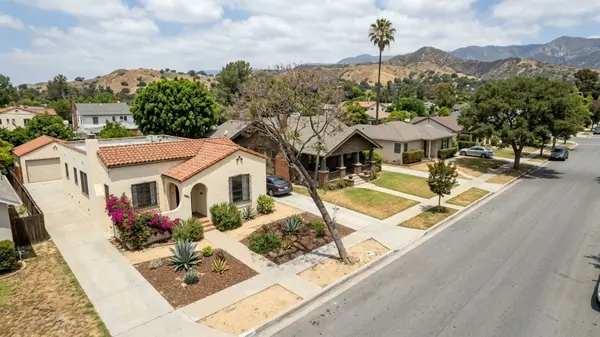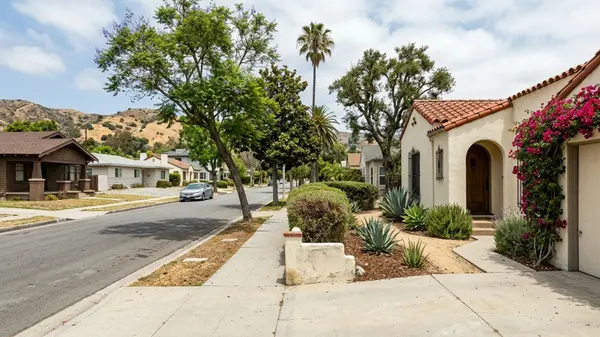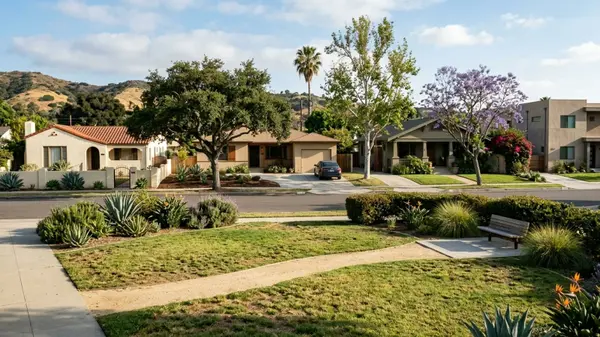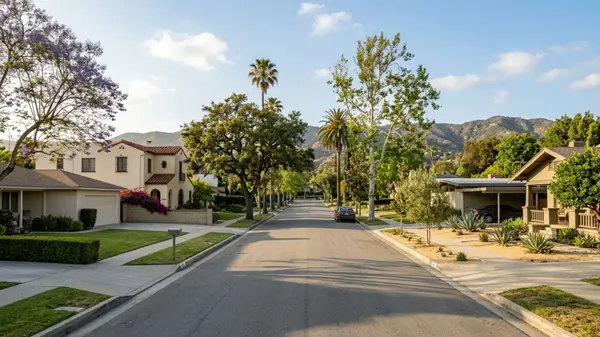
Understanding Property Valuation Riverside, CA: A Guide for 2026
Riverside homeowners looking to sell, refinance, or contest a tax bill need an accurate assessment of what their property is worth. The Inland Empire housing landscape shifts constantly, and relying on outdated estimates can lead to missed opportunities or overpaying on property taxes.
A formal appraisal or assessment provides a clear baseline for financial decisions. Whether you are dealing with a standard sale, establishing a trust, or working through probate, knowing the current market value helps you price accurately and plan your next move.
What the Riverside Market Looks Like Right Now
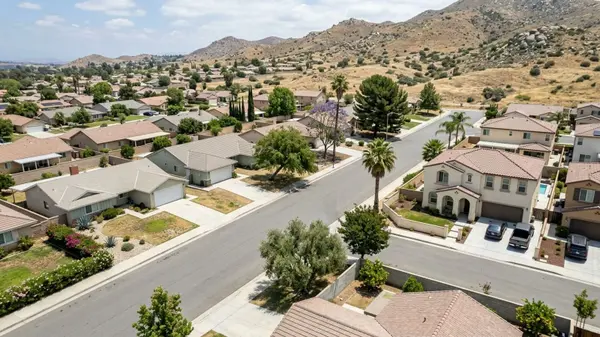
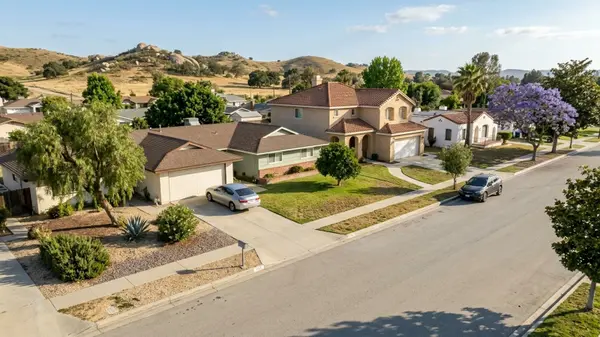
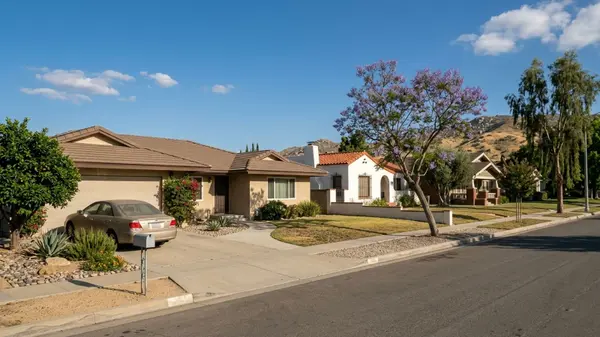
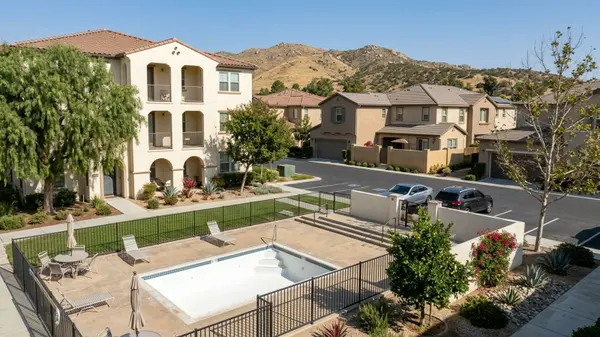
The median home price in Riverside, CA currently hovers between $640,000 and $655,000, depending on the property type. Detached single-family homes typically sit at the higher end of that range, while condos and townhomes offer lower entry points for buyers entering the market.
Inventory levels have stabilized throughout early 2026, creating a balanced environment for both buyers and sellers. Homes remain on the market for an average of 50 to 70 days before going under contract.
This pacing means sellers should price their homes accurately from day one rather than testing the market with an inflated number. Buyers have more time to conduct inspections and review appraisal reports without the pressure of immediate bidding wars.
Lenders scrutinize property values closely in a balanced market. A home priced well above recent comparable sales will likely face appraisal hurdles before a mortgage company agrees to fund the loan.
Factors That Shape Home Prices Locally
Commute times play a major role in Inland Empire property pricing. Homes with easy access to the 91, 60, and 215 freeways command a premium, especially for residents traveling to Los Angeles or Orange County for work.
Proximity to local employment centers also drives demand. Properties located near major healthcare facilities, logistics hubs, and the county government offices often see consistent interest from buyers working in those sectors.
The area surrounding the University of California, Riverside (UCR) maintains its own specific market dynamics. Homes close to the campus generate strong interest from university staff and real estate investors looking for rental income properties.
Neighborhoods that minimize daily driving times tend to hold their value during broader economic shifts. Buyers are willing to pay more for a location that cuts thirty minutes off their daily round-trip commute.
Three Ways to Measure a Home's Worth
Determining a property's value depends on the purpose of the estimate. A homeowner curious about their equity needs a different level of detail than an estate executor handling probate.
Professionals use different tools to evaluate real estate based on the required accuracy and legal standing. You will generally encounter three main methods when researching your home's worth.
The choice between these methods comes down to whether you need a marketing tool or a binding legal document. An agent's estimate helps you list the house, while a licensed appraiser's report satisfies the bank or the courts.
-
Automated Valuation Models (AVMs): These are the instant online estimates provided by major real estate websites. They use public tax records and recent sales data to generate a quick number, but their accuracy margins vary widely because they cannot account for interior condition or recent upgrades.
-
Comparative Market Analysis (CMA): Real estate agents create these reports to help sellers set a listing price. A CMA compares your home to similar properties that recently sold, are currently active, or expired without selling in your specific neighborhood.
-
Formal Real Estate Appraisal: A licensed appraiser conducts this thorough evaluation for mortgage lenders, the Riverside County Assessor, or legal proceedings. This report carries legal weight and provides a detailed breakdown of the property's condition, features, and precise market position.
How Riverside Amenities Factor Into Pricing
Immediate surroundings directly impact how an appraiser or buyer views a property. Homes situated near major recreational spaces like Mount Rubidoux Park or Fairmount Park often appraise higher due to the added outdoor access.
Buyers place a premium on properties within walking distance of established trails, lakes, and green spaces. The nearby Santa Ana River Trail offers miles of paved paths, and houses bordering this corridor see increased demand.
School assignments within the Riverside Unified School District also influence local real estate values. The district reported a graduation rate of around 93% in early 2026, and homes zoned for specific in-demand campuses maintain their value well.
Appraisers note these geographical advantages when selecting comparable sales. A house located next to a major park will be compared to other park-adjacent homes to establish a fair baseline.
Getting Ready for an Appraiser's Visit
A formal real estate appraisal requires some upfront preparation from the homeowner. While you cannot change your square footage or lot size, you can address maintenance issues that might negatively impact the final report.
The appraiser will look at the overall condition of the home, noting both structural integrity and modernized systems. Focus on improvements that have a documented impact on home value rather than purely cosmetic decor changes.
Providing documentation makes the appraiser's job easier and ensures you get credit for hidden upgrades. A folder containing recent permits and contractor invoices serves as proof of your investment in the property.
-
Complete structural repairs: Fix known issues with the roof, foundation, or plumbing before the appraisal appointment. Appraisers must note deferred maintenance, which can lower the valuation or cause a lender to require repairs before funding a loan.
-
Document energy efficiency upgrades: Compile receipts and permits for recent HVAC replacements, upgraded insulation, or owned solar panels. These systems add tangible value, but the appraiser needs documentation to verify their age and ownership status.
-
Improve exterior maintenance: Clear debris, trim overgrown landscaping, and touch up peeling exterior paint. While minor landscaping does not drastically change the underlying value, a well-maintained exterior signals that the entire property has been cared for.
Frequently Asked Questions
How often is property value assessed in California?
The Riverside County Assessor establishes a base year value when you purchase a property or complete new construction. Under Proposition 13, the assessed value for tax purposes can only increase by a maximum of 2% per year unless a change in ownership occurs.
What is the difference between assessed value and market value?
Market value represents what a buyer will pay for your home on the open market today. Assessed value is a specific number used by the county clerk and assessor to calculate your annual property tax bill, and it is usually lower than the current market price.
Do assessors go inside your home?
County tax assessors do not typically enter your home for standard annual tax calculations. However, a private real estate appraiser hired for a mortgage refinance or a probate case will walk through the interior to measure rooms and evaluate the condition.
Categories
Recent Posts