Setting Winning Pricing Strategies in Riverside, CA for 2026
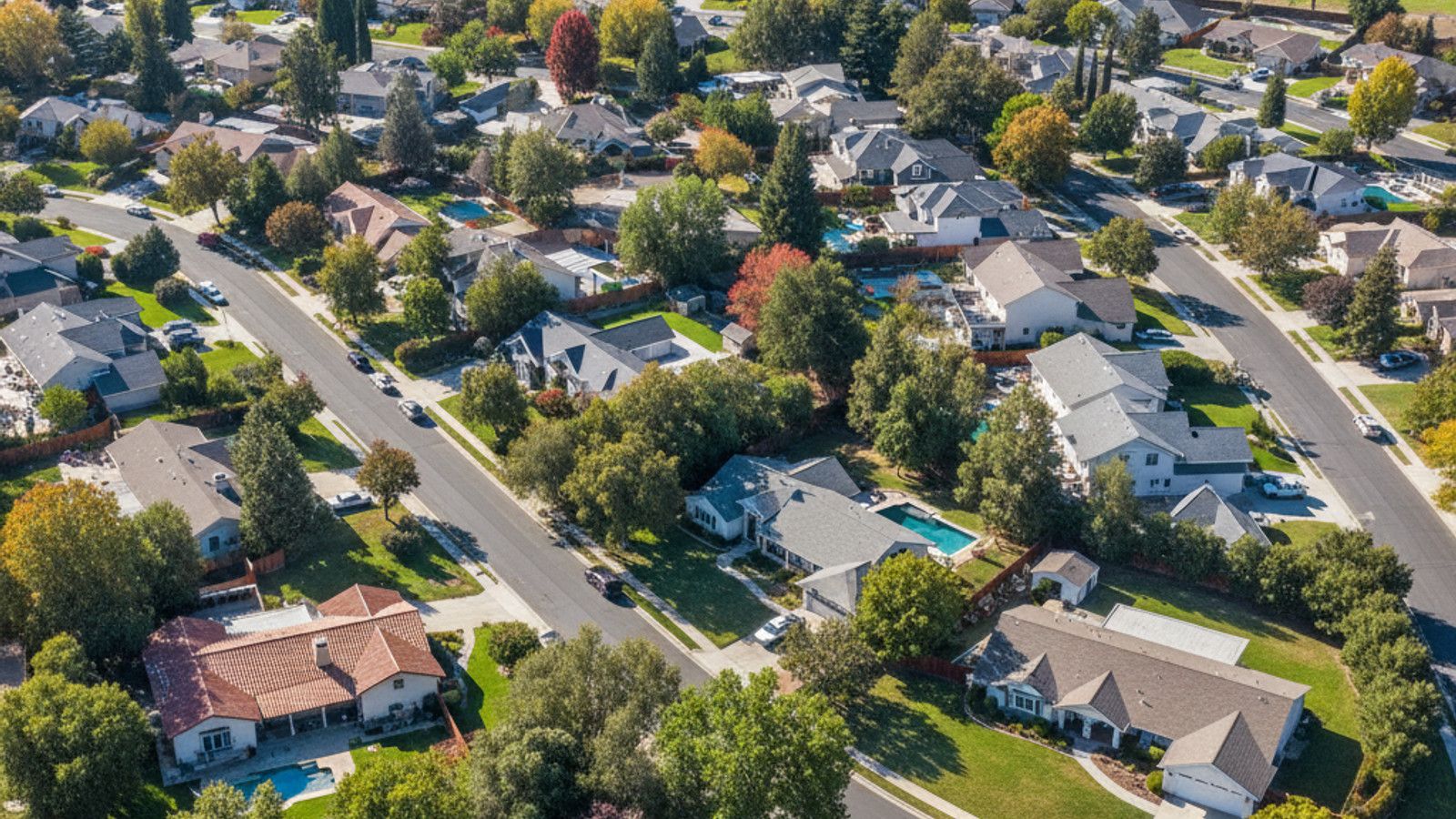
The median home price in Riverside, CA sits between $630,000 and $640,000 as of May 2026. Sellers entering the market this spring face a different landscape than the rapid-fire bidding wars of past years. Buyers have more inventory to choose from, which means they can afford to take their time before writing an offer.
Figuring out your asking price requires looking at recent sales data and understanding local demand. A mispriced home will sit on the market, while a well-priced property attracts motivated buyers. Your timeline and your target profit margin will dictate the best approach for your listing.
What the Riverside Market Looks Like Right Now
Homes in Riverside are currently spending an average of 45 to 55 days on the market. This timeline reflects a transition to a balanced environment where buyers schedule multiple tours and compare options. Sellers who list their properties with realistic expectations generally see steady foot traffic.
Inventory levels directly shape how fast a home moves and what buyers are willing to pay. When housing volume increases in specific zip codes, buyers feel less pressure to offer above asking. Sellers should review the active listings in their immediate area to see exactly what they are competing against.
Choosing Between Underpricing and Market-Value Listing
Sellers in Riverside, CA who price their properties correctly are currently walking away with 99 to 100 percent of their list price. Achieving this return requires matching the listing price to the current buyer appetite. You generally have two main paths to consider when putting your home on the MLS.
Your timeline and profit goals will dictate which method makes the most sense. A home needing updates might benefit from a lower starting point to draw investors, while a turnkey property can command full market value.
-
Pricing at market value: This data-driven approach involves listing the property at the exact price supported by recent neighborhood sales. It appeals to buyers who want a fair deal and often results in a straightforward transaction with fewer appraisal issues.
-
Pricing slightly below market value: Listing a home three to five percent under comparable sales can create immediate urgency among buyers. This competitive pricing approach often generates multiple offers, which can drive the final sale price above the initial asking amount.
How Physical Features Shape Your Asking Price
Lot size, total square footage, and the age of major systems all play a major role in a home's final valuation. A quarter-acre lot with a newer roof will naturally command a higher price than a similar floor plan needing immediate repairs. Buyers look closely at these measurable details when deciding if a property matches their budget.
Location and daily commute times also drive buyer demand across Riverside. Properties with easy access to SR-91 and I-215 often appeal to commuters heading toward Orange County or Los Angeles. You should adjust your asking price to reflect these geographic advantages without overvaluing them.
Finding Comparable Sales in Your Specific Neighborhood
A reliable valuation comes from analyzing recent sales in your exact part of town. Pulling data from the other side of the city will not give you an accurate picture of what buyers will pay for your home. You should focus on properties that have closed within the last three to six months.
Matching buyer demand means looking at the specific amenities and boundaries that define your neighborhood. Buyers often target specific areas based on nearby conveniences and municipal zones.
-
Geographic boundaries: Compare your home only to properties within the same subdivision or major cross streets. Crossing a major arterial road can sometimes mean entering a different pricing tier.
-
Local amenities: Note how close your home is to community fixtures like Fairmount Park or Riverside Plaza. Properties within walking distance to these centers often hold a slight premium.
-
School boundaries: The Riverside Unified School District maps influence where many buyers choose to look. Homes zoned for the same schools should be your primary benchmark for pricing.
Frequently Asked Questions
Should I price my Riverside home higher to leave room for negotiation?
Padding your asking price often backfires by causing your listing to miss the search filters of qualified buyers. If buyers are capped at $650,000, pricing at $665,000 means they will never see your property online. You should price accurately from day one to capture the largest pool of active searchers.
How do interest rates impact how I should price my home?
Mortgage rates dictate buyer purchasing power, which limits how much they can offer on a house. When rates hold steady or climb, buyers are sensitive to overpriced listings because their monthly payments are already stretched. Reviewing current rate trends helps you understand the budget constraints of your target audience.
Does the time of year affect pricing strategies in Riverside?
Spring and early summer typically see the highest housing volume and buyer demand in Southern California. Listing in November or December usually means fewer active buyers, though the ones looking are often serious about closing a deal. You should review the active inventory in your specific zip code to adjust for seasonal shifts.
Categories
Recent Posts