How Long to Sell My Home in Riverside, CA: 2026 Timelines and Data
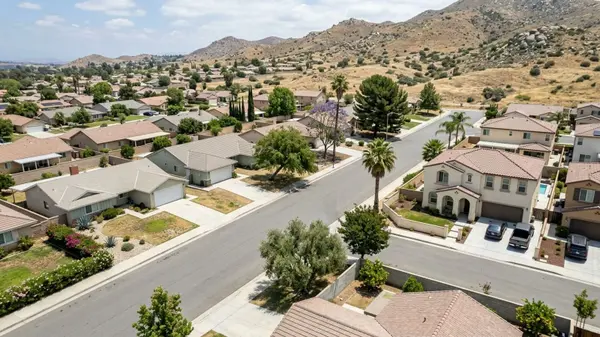
Riverside homeowners planning a sale often want a precise timeline before putting a sign in the yard. The median sale price in Riverside, CA currently hovers between $640,000 and $670,000. Properties in this range attract steady buyer demand, but the exact timeline depends on your preparation and pricing strategy.
Determining how long it takes to close a home sale requires looking at both the listing period and the escrow process. A well-priced property might receive an offer within the first week, while overpriced homes often sit through multiple price reductions. You should expect the entire process to take at least two months from the day the listing goes live.
Local real estate market conditions shift throughout the year, altering expectations for sellers. Understanding the standard timeline helps you coordinate your move and avoid carrying two mortgages.
Factoring in closing costs and local transfer taxes early in the process helps you determine your final net proceeds. A faster sale generally means fewer carrying costs, keeping more money in your pocket. Knowing the timeline allows you to schedule your next purchase with confidence.
Average Days on Market for Riverside Properties
The average days on market for a home in Riverside, CA currently ranges from 40 to 60 days. This metric tracks the time between the property hitting the multiple listing service and the seller accepting an offer. Once an offer is accepted, the escrow period adds another month or more to the total timeline.
Riverside's selling speed outpaces many higher-priced coastal markets in the state. While broader California housing market averages can stretch past 70 days, Riverside County, CA maintains consistent buyer demand due to its relative affordability. Buyers priced out of Orange County and Los Angeles often expand their searches eastward.
Homes priced near the city's $640,000 to $670,000 median tend to move the fastest. Properties listed above $900,000 typically spend more time on the market as the pool of qualified buyers shrinks.
Seasonal shifts also dictate how long your home sits active on the market. Properties listed during the spring and early summer often see a reduction in their average days on market. Conversely, homes listed in late November typically experience slower foot traffic as buyers pause their searches for the winter.
The Timeline from Listing to Closing
Preparing a home for the market adds two to four weeks to your overall timeline before buyers even see the property. Sellers should complete minor repairs, apply fresh paint, and improve curb appeal to attract higher offers. Skipping these pre-listing tasks often leads to longer days on market and lower final sale prices.
Once the property is active, the listing phase can last anywhere from a few days to a few months. Most sellers schedule weekend open houses and private showings during the first two weeks to maximize exposure. If the home receives an acceptable offer, the listing status changes to pending, and the escrow clock begins.
Once a buyer is under contract, the timeline shifts to the lender and the escrow company. The buyer's lender will order an appraisal to confirm the market value of the home. If the appraisal comes in lower than the purchase price, sellers and buyers must negotiate the difference, which can delay the closing date.
-
Pre-listing preparation: 14 to 30 days for repairs, staging, and professional photography.
-
Active listing phase: 40 to 60 days to attract buyers, host showings, and negotiate a contract.
-
Escrow and closing: 30 to 45 days for standard financed offers to complete inspections, appraisals, and loan underwriting.
Local Factors That Influence Selling Speed
Commute times play a major role in how quickly Riverside, CA properties attract offers. Homes located within a short drive of CA-91 or I-215 generally see higher showing volumes during the first week. Buyers commuting to neighboring counties prioritize easy freeway access to minimize their daily drive.
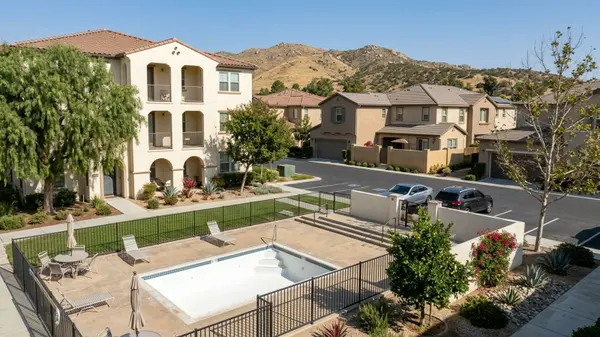
Property type also changes the expected timeline. Detached single-family homes with yards tend to sell faster than condos or townhomes in the current real estate market. Condo buyers must factor monthly HOA dues and property tax rates into their debt-to-income ratios, which can reduce their total purchasing power.
Current interest rates directly impact the buyer pool in specific price brackets. When rates shift, buyers often adjust their maximum purchase price downward. Sellers holding firm to a price that no longer aligns with buyer purchasing power will see their days on market increase.
The physical condition of the property is another major variable in the selling equation. Homes that require extensive roof repairs or HVAC replacements often deter traditional retail buyers. Investors may still submit offers on these fixer-uppers, but those bids usually arrive well below the asking price.
Ways to Reduce Your Days on Market
Pricing the property accurately from day one is the most effective way to secure a fast offer. A real estate agent will perform a comparative market analysis using recent sales of similar homes in your specific zip code to find that ideal number. Some sellers opt for a flat-fee MLS service to reduce closing costs, though they should be prepared to handle their own showings and buyer negotiations.
Highlighting specific local amenities in your listing description can draw in targeted buyers. Mentioning a short walk to Mount Rubidoux Park or a quick commute to the UC Riverside campus gives buyers a clearer picture of the location's value. Quality listing photos should also showcase the property's best features to capture attention on platforms like Zillow.
Owners who need an immediate exit can bypass the traditional listing process entirely. Working with a local investor or cash buyer often yields a cash offer within 24 hours. While these offers generally come in below retail market value, they eliminate the 30 to 45 days required for standard escrow and avoid loan contingencies.
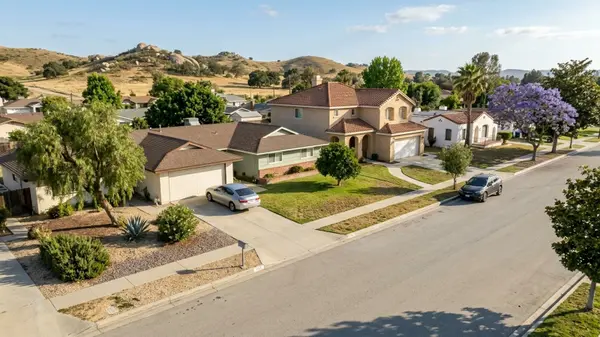
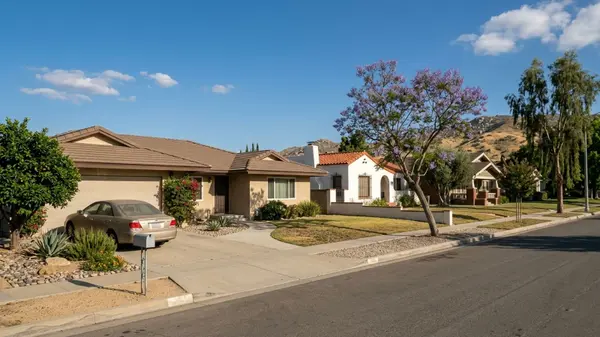
Maximizing curb appeal ensures that buyers form a positive impression before they even step through the front door. Simple improvements like fresh mulch, power-washed driveways, and trimmed shrubs translate to more immediate interest. Vacant homes often benefit from professional staging, which helps buyers visualize the layout and speeds up the decision process.
Frequently Asked Questions
What is the best month to sell a house in Riverside?
Listing a property in late spring typically produces the fastest sales and highest offers. May and June see a surge in buyer activity as people attempt to close escrow and move before the fall. Properties listed during these months often spend fewer days on market compared to winter listings.
Should I wait until later in 2026 to sell my house in Riverside, CA?
Delaying a sale rarely guarantees a better return, as local inventory levels and interest rates fluctuate constantly. If your property is ready and you have a clear plan for your next primary residence, listing now captures the current buyer demand. Waiting until late fall or winter usually means competing with holiday schedules and fewer active buyers.
How does selling to a cash buyer compare to listing with a real estate agent?
A cash offer provides speed and certainty, often closing in as little as seven to ten days with zero repair requests. Listing with a real estate agent takes longer and requires home showings, but it exposes the property to the broader retail market. Retail buyers using traditional financing typically pay more than investors, making the traditional route better for maximizing your final profit.
Categories
Recent Posts