Aliso Viejo vs Laguna Niguel CA: South Orange County Real Estate Guide for 2026
South Orange County offers some of the most sought-after real estate in Southern California, but choosing the right city depends heavily on your daily routine and housing preferences. Buyers constantly weigh Aliso Viejo vs Laguna Niguel CA when searching for suburban convenience paired with proximity to the coast. Both cities provide excellent access to regional employment hubs and expansive outdoor recreation, yet they offer fundamentally different community layouts and architectural styles.
Making the right choice means understanding the distinct development eras, property types, and association fee structures that define these two local markets. Moving in 2026 requires navigating an inventory-constrained environment where property taxes and association dues heavily impact your total monthly carrying costs. This guide breaks down the financial realities and lifestyle differences to help you target the exact neighborhoods that fit your home search criteria.
The Biggest Differences Between Aliso Viejo and Laguna Niguel
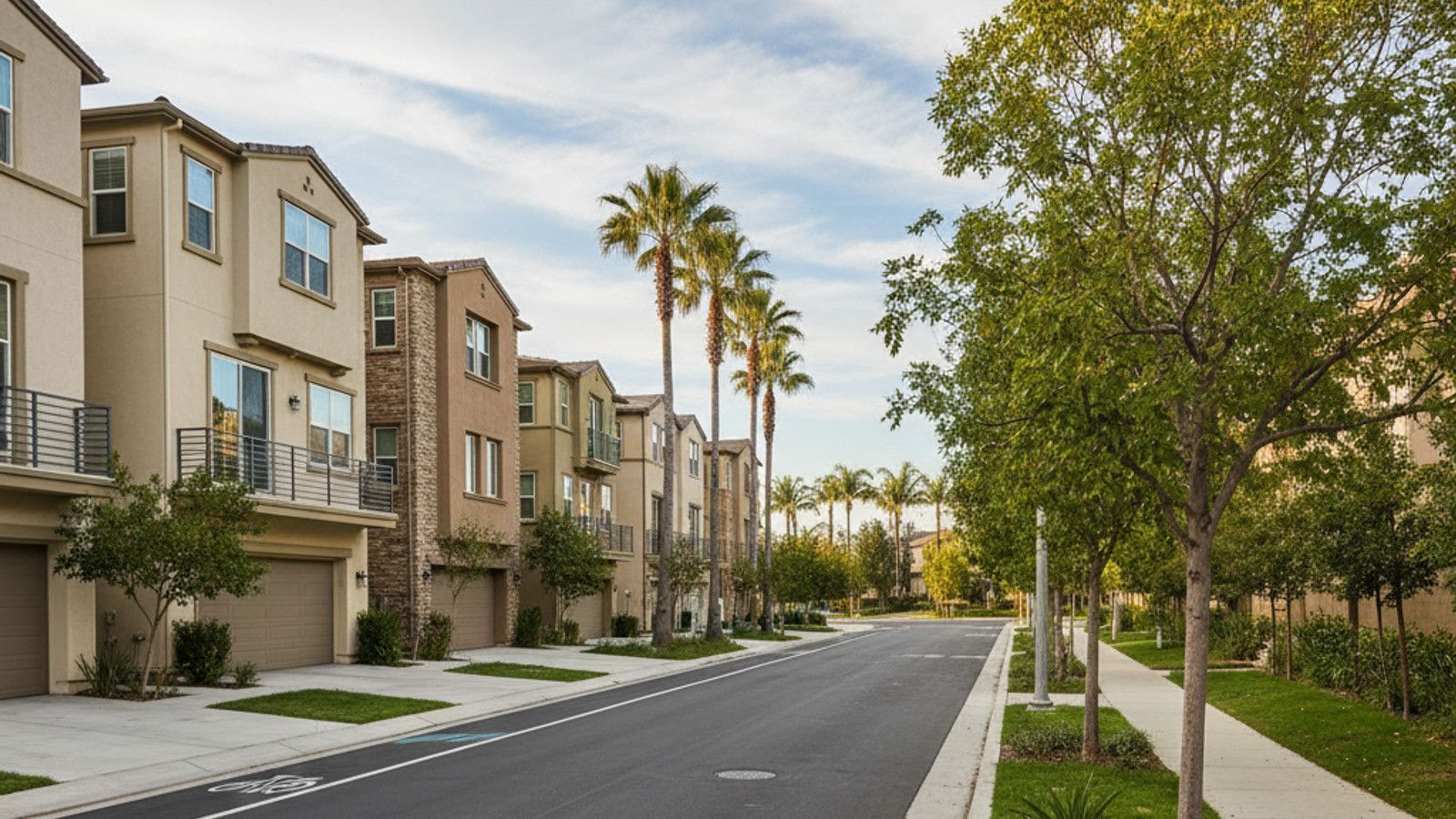
The most immediate contrast between these two cities lies in their development timelines and overall topography. Aliso Viejo was incorporated in 2001 as a cohesive, master-planned project primarily developed throughout the 1990s and early 2000s. This specific origin story resulted in a highly centralized layout where residential tracts radiate outward from a dense, highly walkable commercial core.
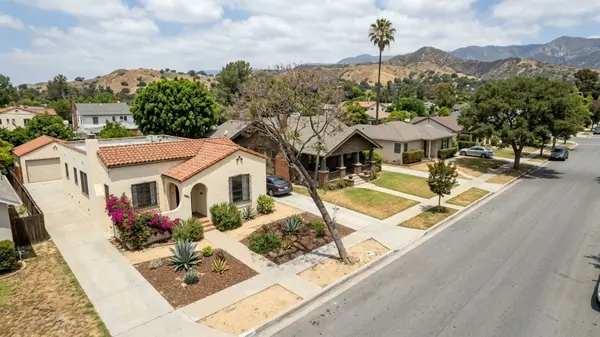
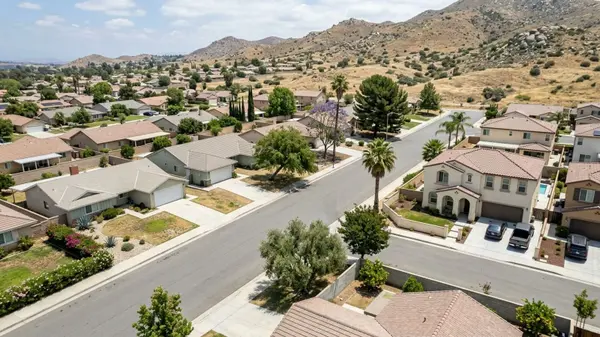
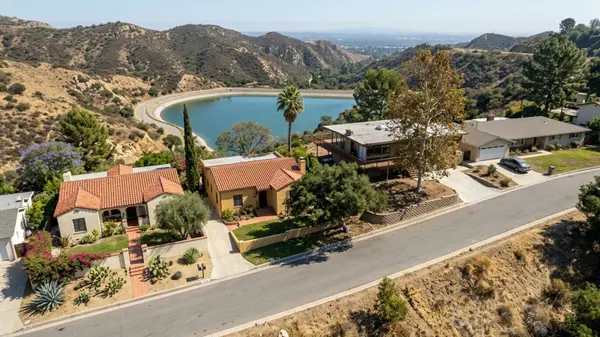
Laguna Niguel features a much older, more established landscape characterized by rolling hills, deep canyons, and a traditional suburban footprint. The natural terrain dictates the neighborhood structures here, resulting in sprawling tracts that often capitalize on elevated views rather than proximity to a central hub. Buyers looking for a predictable, grid-like suburban experience often prefer the structured design of Aliso Viejo, while those seeking varied elevations and secluded cul-de-sacs gravitate toward Laguna Niguel.
Ultimately, your preference will hinge on whether you value modern master-planned convenience or the charm of established hillside terrain. The structured design of Aliso Viejo maximizes land use with denser housing tracts that share community spaces. Laguna Niguel favors larger lot sizes spread across uneven topography, creating distinct enclaves that feel highly separated from major commercial thoroughfares.
Housing Market, Median Home Prices, and Property Types
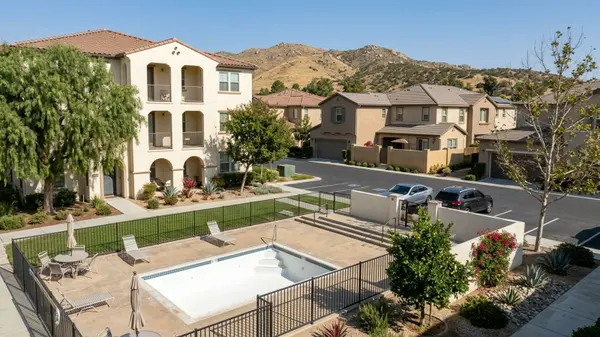
The real estate markets in these two cities cater to slightly different buyer segments, largely driven by the available housing stock and corresponding price points. In 2026, Aliso Viejo maintains a massive concentration of attached properties, including multi-level condominiums and townhomes. This density keeps the median home price hovering between an approximate $825,000 and $883,000, making it an accessible entry point into the South Orange County housing market.
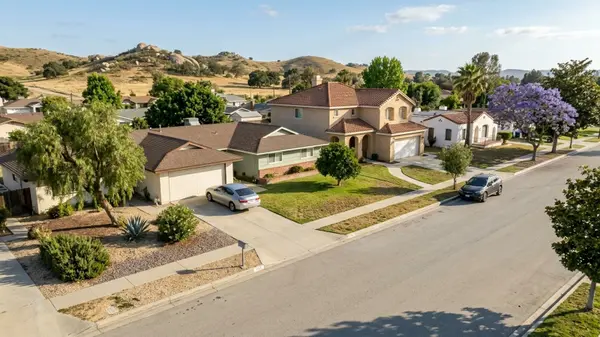
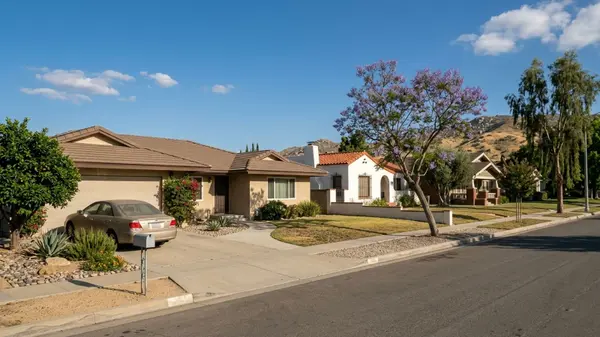
Laguna Niguel presents a significantly different financial picture due to its diverse housing stock that leans heavily toward detached single-family homes. The median home price here currently runs between $1,200,000 and $1,400,000, reflecting the prevalence of larger properties and gated luxury hillside estates. While you can find entry-level condos in Laguna Niguel, the market is heavily dominated by spacious properties built in the 1970s and 1980s.
Buyers must weigh the trade-off between the newer, albeit attached, construction of Aliso Viejo against the older, detached square footage found in Laguna Niguel. If your purchase budget is firmly under $1,000,000, Aliso Viejo offers a far higher volume of updated, move-in-ready attached homes with modern floor plans. Buyers with larger budgets seeking expansive lots and panoramic canyon views will find far more inventory in the established hills of Laguna Niguel.
Understanding HOA Fees and Mello-Roos
Monthly carrying costs in South Orange County extend well beyond your principal and interest payments, making homeowner associations a mandatory consideration in both cities. Almost all properties in Aliso Viejo carry some form of HOA dues, and many neighborhoods feature stacked master and sub-HOA fees that can surprise unrepresented buyers. Laguna Niguel also features widespread associations, but the fee structures vary wildly depending on whether the community is gated or maintains private recreational facilities.
Property taxes also play a crucial role in your monthly budget, as Mello-Roos assessments are common throughout Orange County to fund local infrastructure. Because Aliso Viejo was developed more recently, these special tax assessments are frequently attached to properties there, driving up the effective property tax rate. Buyers must carefully review the preliminary title report alongside their agent to understand the exact tax burden before committing to a purchase.
To give you a realistic picture of the monthly financial commitments, here is how the association fees generally break down across the two markets. Reviewing these averages will help you accurately calculate your expected monthly carrying costs:
-
Aliso Viejo HOA fees typically average between $200 and $400 per month, heavily dependent on shared amenities like community pools, parks, and clubhouses.
-
Laguna Niguel HOA fees generally range from $140 to $400 for standard neighborhoods, primarily covering basic common area landscaping and street maintenance.
-
Luxury guard-gated neighborhoods in Laguna Niguel, such as Bear Brand Ranch, frequently see monthly dues exceeding $600 to cover private road maintenance and round-the-clock security.
-
Condominium dues in both cities often run higher than single-family home dues because they allocate funds for exterior building maintenance and major roof repairs.
Commuting to Irvine and Los Angeles
Commute times are a major deciding factor for buyers working in regional employment hubs like Irvine, Newport Beach, or Los Angeles. Both cities provide multiple access points to Interstate 5, which serves as the primary coastal artery for Southern California commuters. However, freeway congestion during peak morning and evening hours makes proximity to alternative transit routes a significant real estate advantage.
For drivers, the California State Route 73 Toll Road offers a massive convenience upgrade for residents of both communities. Using the 73 Toll Road costs around $3.59 with a FasTrak transponder for the segment connecting this area, allowing commuters to bypass the heaviest traffic bottlenecks on the interstate. Aliso Viejo residents generally have slightly faster access to the toll road entrances, shaving crucial minutes off a daily drive to the corporate parks in Irvine.
Public transit provides another highly reliable option via the Laguna Niguel/Mission Viejo Metrolink station. A standard Metrolink train ride from this station to Irvine takes roughly 18 minutes, completely removing freeway stress from the morning routine. For those traveling further north, the rail journey to Los Angeles Union Station takes approximately 1 hour and 18 minutes, making hybrid work schedules highly manageable.
Parks, Amenities, and Lifestyle
The day-to-day lifestyle in these cities is defined by how residents interact with their local commercial centers and surrounding outdoor spaces. Aliso Viejo is celebrated for its walkability, anchored by the highly commercialized and heavily trafficked Town Center. This dense hub features movie theaters, major grocery stores, and diverse dining options, allowing nearby residents to run errands without relying heavily on a vehicle.
Laguna Niguel offers a less centralized but highly recreational lifestyle, highlighted by the sprawling Laguna Niguel Regional Park and Crown Valley Community Park. The city provides a quieter, more spread-out suburban experience where local shopping plazas are distributed evenly throughout the rolling hills. Both cities benefit immensely from shared access to the Aliso and Wood Canyons Wilderness Park, which boasts over 4,000 acres of protected open space and extensive hiking trails.
Coastal proximity remains a massive draw for both locations, though the preferred beach destinations differ slightly based on traffic patterns. Laguna Niguel residents often utilize direct routes down Crown Valley Parkway to access the shores and harbor facilities of Dana Point. Aliso Viejo residents frequently head west through the canyon to reach the artistic enclaves and secluded coves of Laguna Beach.
Schools Serving Aliso Viejo and Laguna Niguel
Public education zoning is a critical component of property values throughout the South Orange County real estate market. Both cities fall entirely within the jurisdiction of the Capistrano Unified School District, which manages the educational facilities across the region. This shared district means that administrative policies, funding allocations, and general curriculum standards remain highly consistent regardless of which city you choose to call home.
The specific high school assignments depend entirely on your exact property location, with Aliso Niguel High School and Capistrano Valley High School serving the bulk of these residential areas. Aliso Niguel High School offers robust specialized pathways in Automotive Repair, Culinary Arts, Design/Visual Arts, and Forensics. These career-focused programs provide students with practical, hands-on skills alongside traditional academic coursework.
Capistrano Valley High School provides equally compelling academic options for its enrolled student body. The campus features the Academy of Technology, Math, and Science, which caters directly to students pursuing rigorous STEM education prior to college. Additionally, the school offers an International Baccalaureate program, which is highly sought after by buyers looking for advanced academic placement options.
Frequently Asked Questions
Are housing costs cheaper in Aliso Viejo or Laguna Niguel?
Housing costs are generally cheaper in Aliso Viejo due to a higher concentration of attached condominiums and townhomes. The median home price in Aliso Viejo sits around $825,000 to $883,000, offering a lower financial barrier to entry. Laguna Niguel features more detached single-family estates and luxury properties, pushing its median price closer to $1,400,000.
How do HOAs differ between the two cities?
Aliso Viejo properties almost universally include HOA dues, often featuring overlapping master and sub-association fees that average $200 to $400 monthly. Laguna Niguel has a wider variance, with basic neighborhoods charging around $140 and luxury guard-gated communities exceeding $600. Buyers must review the specific community amenities to determine if the monthly fee provides adequate value for their lifestyle.
Which city has a longer commute, Aliso Viejo or Laguna Niguel?
Laguna Niguel generally has a slightly longer commute to northern employment hubs like Irvine, depending on your exact proximity to the freeway. Aliso Viejo residents benefit from immediate access to the California State Route 73 Toll Road, which can significantly reduce daily drive times. However, Laguna Niguel residents situated near the local Metrolink station can reach Irvine by train in roughly 18 minutes.
Which city is better for beach access?
Both cities offer excellent proximity to the coastline, but the specific beach access points differ based on local traffic arteries. Laguna Niguel provides incredibly straightforward access to the harbor and beaches of Dana Point via Crown Valley Parkway. Aliso Viejo offers a direct, scenic route into Laguna Beach through the local canyon, making both cities highly desirable for coastal enthusiasts.
Categories
Recent Posts