Laguna Beach vs Dana Point CA: Navigating the 2026 Coastal Market
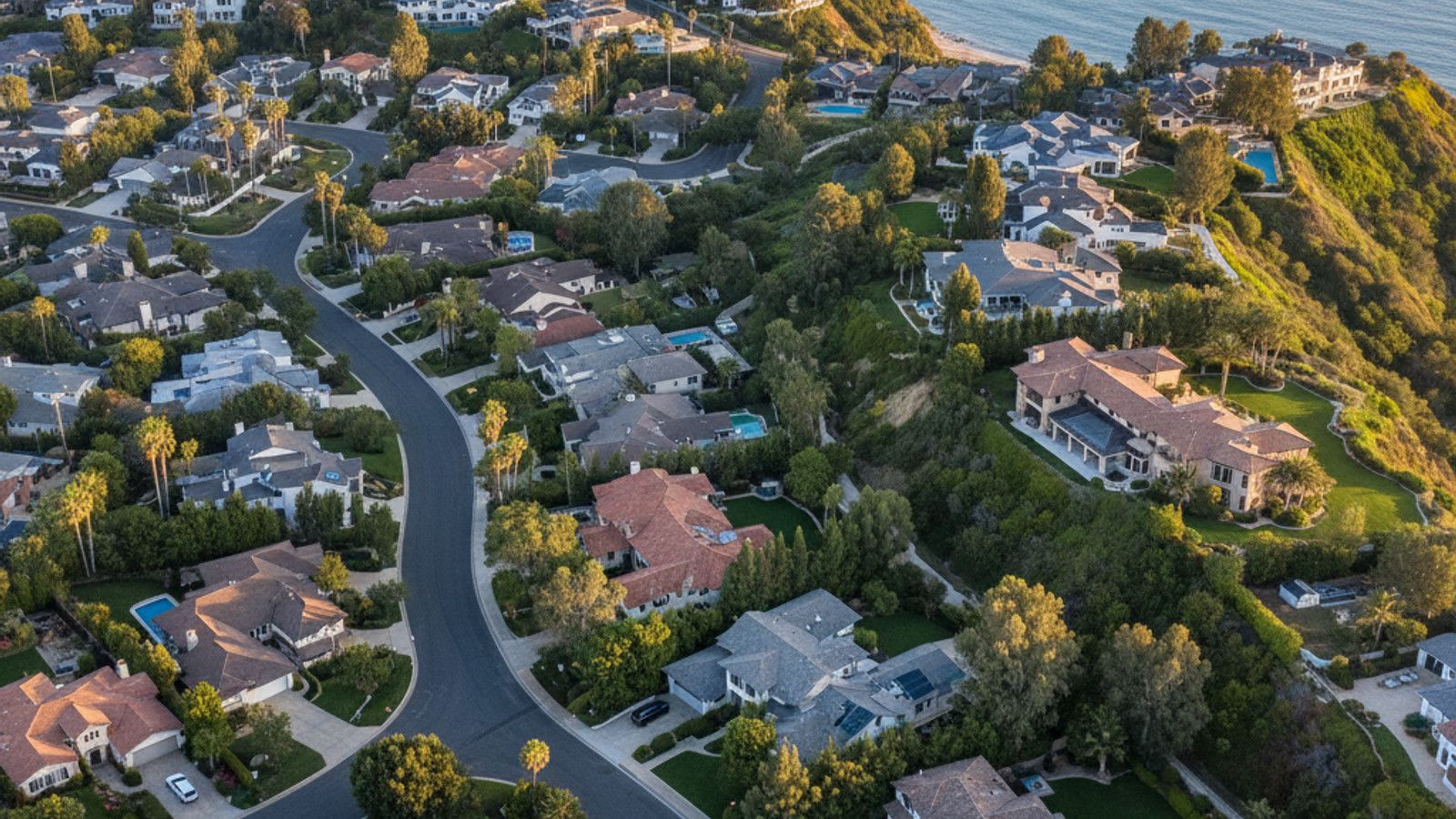
South Orange County offers some of the most sought-after coastal real estate in Southern California. Buyers evaluating the local market often find themselves weighing the distinct characteristics of two neighboring communities.
Choosing between these two locations requires more than just a drive down the Pacific Coast Highway. The 2026 market presents stark differences in median home values, property layouts, and daily commute routines that directly impact a buyer's daily life.
Laguna Beach vs Dana Point CA: A 2026 Coastal Real Estate Comparison
Both of these iconic coastal cities deliver exceptional access to the Pacific Ocean, but their underlying infrastructure shapes two very different living experiences. Laguna Beach features a historic, highly walkable village layout constrained by steep hillsides and protected land.
Just a few miles south, Dana Point operates around a harbor-centric design with broader streets and more expansive residential developments. Buyers entering the market this year must weigh the steep price premiums of a world-renowned arts colony against the practical space and newer infrastructure found further down the coast.
2026 Median Home Prices and Property Types
The pricing landscape in South Orange County reflects a substantial gap between these two neighboring markets. Laguna commands a massive premium due to its globally recognized brand, highly restricted housing inventory, and historic charm.
Dana Point generally provides buyers with more tangible square footage and updated residential infrastructure for their investment. While both markets require substantial capital, the financial entry point and the resulting property type vary dramatically based on the chosen zip code.
Laguna Beach: Oceanfront Estates and Coastal Cottages
The housing stock here is defined by hillside properties offering panoramic ocean views and older coastal cottages nestled near the village center. A typical median home price in 2026 ranges from approximately $2,800,000 to $3,650,000.
Buyers often encounter an average price per square foot exceeding $1,700, reflecting the extreme scarcity of buildable land. The tradeoff for this walkable, historic environment frequently involves navigating narrow streets and managing limited parking options.
Dana Point: Harbor Properties and Luxury Developments
Dana Point is characterized by gated master-planned communities, broader avenues, and properties situated along the bluffs overlooking the harbor. The median home price here currently sits between roughly $1,470,000 and $2,400,000.
With an average price per square foot hovering around $1,000 to $1,200, buyers secure significantly more interior and exterior space. The newer construction and larger lot sizes make this market highly appealing for those prioritizing property scale over historic village proximity.
Orange County Property Tax Rates and Implications
Understanding property taxes is critical when budgeting for a home purchase in Southern California. Under California's Proposition 13, the base property tax rate is set at 1% of the assessed purchase price.
Buyers should never rely solely on that 1% figure when calculating their monthly carrying costs. Local voter-approved bonds and infrastructure levies typically push the effective tax rate in Orange County to roughly 1.1% to 1.3%.
Newer developments, particularly those found within Dana Point, may also include Mello-Roos assessments. These special tax districts fund local infrastructure and can noticeably increase the annual tax burden on a specific property.
Commute Times and Transportation Corridors
Living on the coast introduces specific geographic constraints that dictate daily travel patterns. The Pacific Coast Highway and Interstate 5 serve as the primary arteries connecting these communities to major employment hubs.
For buyers who need to travel frequently for work, Dana Point is vastly superior for regional commuting. The local topography and road networks create very different transit experiences depending on whether you are heading north or south.
Driving to Irvine and Los Angeles
Northbound commuters from Laguna Beach typically rely on Laguna Canyon Road, also known as Route 133, to reach inland employment centers. The drive to Irvine spans roughly 10 to 15 miles and takes anywhere from 18 to 35 minutes, though summer tourist traffic heavily impacts these times.
Dana Point residents benefit from direct, immediate access to Interstate 5 for their northbound travel. This streamlined highway access bypasses the canyon bottlenecks and provides a more predictable daily transit schedule.
Traveling South to San Diego
Evaluating the southbound commute further highlights the infrastructural differences between the two coastal cities. Dana Point offers a much smoother exit southward, placing drivers directly onto the interstate.
The drive from Dana Point to San Diego covers approximately 65 miles and takes about 1 hour and 10 minutes via I-5 South. Conversely, Laguna Beach residents must first navigate local traffic along the Pacific Coast Highway before they can even merge onto the freeway.
Schools: Laguna Beach Unified vs Capistrano Unified
Orange County maintains a strong educational reputation statewide, and both of these local districts reflect that academic standard. The primary difference lies in the scale and operational model of the two public school systems.
Laguna Beach Unified operates a small, community-centric model consisting of only four schools. This creates an intimate, highly localized educational environment where students often remain with the same peer group throughout their academic progression.
Capistrano Unified serves Dana Point and stands as the largest employer in South Orange County, managing a massive infrastructure for over 50,000 students. While both districts rank exceptionally well on state performance metrics, they offer fundamentally different student experiences based on their size and resources.
Lifestyle, Parks, and Recreational Amenities
The day-to-day recreational offerings sharply contrast the cultural vibes of these two cities. Laguna favors the fine arts and boutique shopping, cultivating an environment centered around creativity and preservation.
Dana Point leans heavily into active maritime pursuits and broad public beach access. Buyers must decide whether they prefer walking to an art gallery opening or spending their weekend navigating a marina.
Laguna Beach: Art Galleries, Coves, and Heisler Park
The cultural and geographic landmarks here are deeply integrated into the local identity. The coastline is defined by dramatic cliffs and secluded coves like Thousand Steps Beach.
The highly walkable village center supports a thriving artistic community. Key amenities defining this lifestyle include:
-
The internationally recognized Pageant of the Masters festival.
-
Dozens of independent art galleries lining the downtown streets.
-
Heisler Park's pristine oceanfront walking paths and gardens.
Dana Point: Harbor, Doheny State Beach, and Marinas
The nautical focus in this community centers entirely around the Dana Point Harbor. This expansive marina dictates the local recreation scene and provides docking for thousands of vessels.
The coastal geography here features broader stretches of sand compared to its northern neighbor. Residents frequently take advantage of:
-
Doheny State Beach's expansive shoreline and accessible surfing breaks.
-
Whale-watching tours departing daily from the local docks.
-
Extensive waterfront dining and maritime services at the harbor.
Frequently Asked Questions
Is Laguna Beach more expensive than Dana Point?
Yes, the 2026 median home price in Laguna Beach ranges from $2,800,000 to $3,650,000. Dana Point offers a lower entry point, with median prices sitting between approximately $1,470,000 and $2,400,000. Buyers pay a steep premium for the historic village atmosphere and constrained land supply.
Is Laguna Beach walkable for daily errands?
The downtown village area is highly walkable, allowing residents to access restaurants, galleries, and boutiques on foot. However, homes located high in the hillside neighborhoods require a vehicle to reach the commercial center. The narrow streets and limited parking make walking a preferred option for those living close to the Pacific Coast Highway.
How do public school options differ between the two cities?
Laguna Beach Unified is a highly localized district operating just four schools. Dana Point is served by Capistrano Unified, a massive district managing over 50,000 students across the region. Both offer high statewide academic rankings but provide drastically different scales of infrastructure and extracurricular facilities.
What types of homes are available in Dana Point and Laguna Beach?
Laguna Beach primarily features older coastal cottages and custom hillside estates with steep price-per-square-foot valuations. Dana Point offers newer construction, gated master-planned communities, and bluff-front properties. Buyers in Dana Point generally secure larger lot sizes and more modern interior layouts.
Categories
Recent Posts