Is Orange County CA Good for Young Professionals Evaluating a Move in 2026?
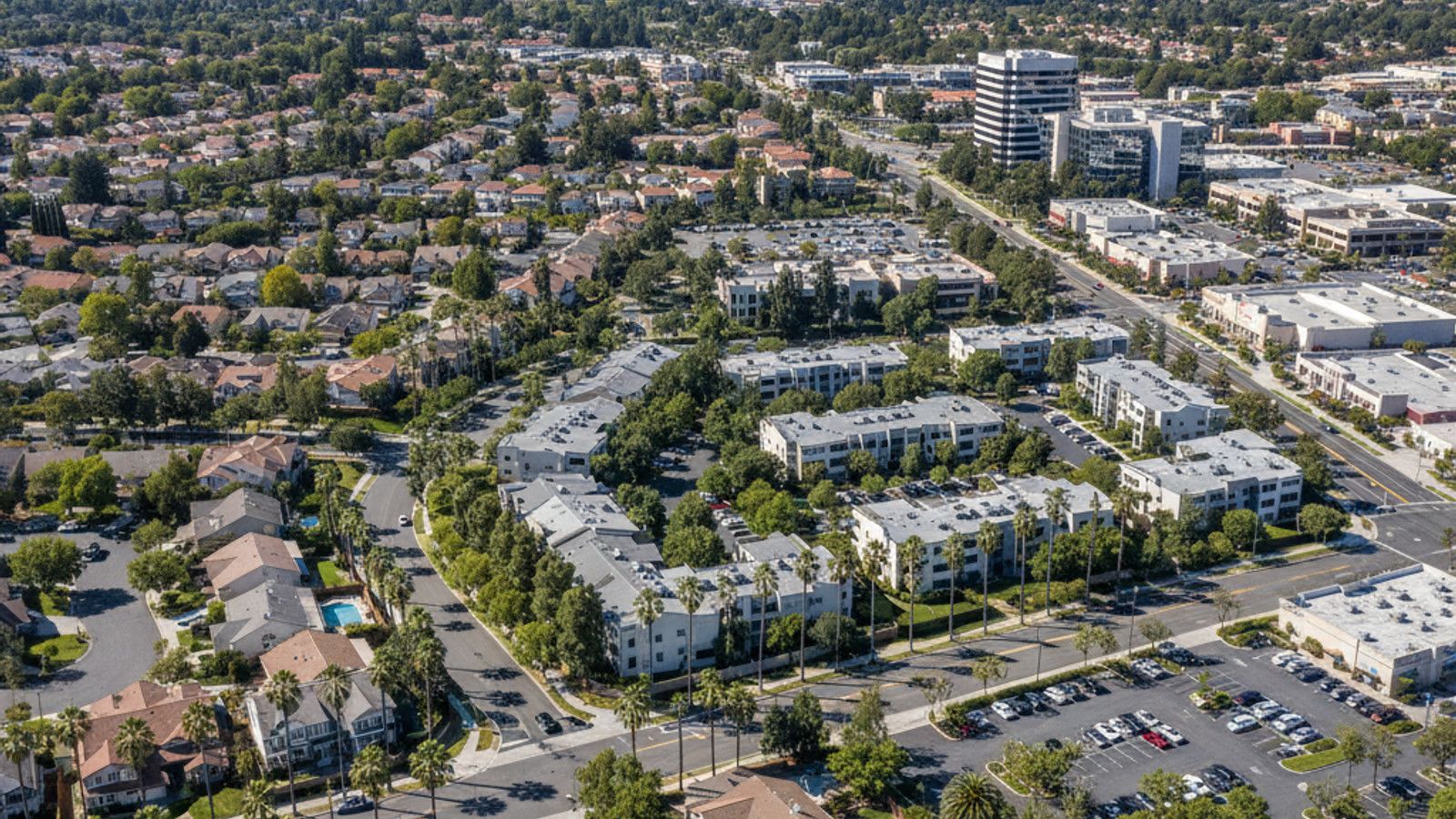
Orange County, CA, offers a distinct alternative to the dense urban centers of Los Angeles and San Diego. The region combines major corporate headquarters with extensive coastal access and master-planned commercial districts. For those evaluating career opportunities and housing options in 2026, understanding the local economic landscape is essential.
The area features a mix of robust tech sectors, expansive retail centers, and diverse housing stock. Assessing the balance between salary expectations and living expenses will ultimately determine if the region aligns with your financial and career goals.
Orange County Major Employers and Job Market Trends
The regional economy in Orange County demonstrates significant resilience, anchored by a diverse mix of industries rather than relying on a single sector. Job growth in 2026 continues to be driven by healthcare, medical device manufacturing, and technology firms. This broad economic base provides stability and consistent demand for skilled roles across multiple disciplines.
While large corporate headquarters dominate certain cities, the county also supports a massive network of mid-sized businesses and specialized service providers. This balanced employment landscape means job seekers often find multiple avenues for career advancement without needing to commute out of the county. Securing a position locally before moving is highly recommended to offset the immediate cost of living.
Employment Hubs in Irvine, Costa Mesa, and Newport Beach
Irvine serves as the primary technology and corporate center of the county, hosting major players in software, gaming, and telecommunications. The city features master-planned business parks designed to cluster similar industries together, fostering localized economic hubs. Major regional employers, including UCI Health, anchor the healthcare sector and provide thousands of clinical and administrative positions.
Closer to the coast, Costa Mesa and Newport Beach function as critical financial and business districts. These areas feature a high concentration of investment firms, real estate brokerages, and corporate retail headquarters. The commercial real estate footprint in these cities supports extensive professional networks and high-wage employment opportunities.
Orange County Average Rent and Home Prices by City
Navigating the 2026 housing market requires a clear understanding of the substantial costs associated with Orange County real estate. The countywide median home price currently hovers between $1,100,000 and $1,300,000, demanding significant purchasing power from buyers. Inventory levels remain tight, and properties priced accurately tend to see an average of 30 to 45 days on the market.
The rental market reflects similar pricing pressures, with the average rent across the county ranging from $2,780 to $3,150 per month. Renters must carefully evaluate their monthly budgets, as leasing a standard two-bedroom apartment often requires an annual income exceeding six figures.
Buyers and renters alike must recognize that paying a premium is simply the baseline reality of entering this market.
Comparing Coastal Properties to Santa Ana Apartments
Geographic location heavily dictates housing costs, with inland cities offering more accessible entry points than coastal communities. Apartment complexes in denser inland areas like Santa Ana typically run notably lower, with average rents around $2,400 to $2,700. These areas often provide older, mid-century housing stock alongside newer infill development projects.
Conversely, securing housing in Newport Beach or Huntington Beach commands a steep premium for proximity to the water. Attached condominiums in these coastal zones frequently start above $900,000, while single-family houses easily exceed the $2,000,000 mark. Buyers must weigh the value of immediate beach access against the substantial increase in monthly mortgage obligations.
Orange County Nightlife, Dining, and Entertainment Hubs
Beyond the workplace, the region features a highly developed infrastructure for dining, retail, and recreation. The county is characterized by expansive, master-planned commercial zones that integrate high-end shopping with extensive culinary options. These amenities are distributed across multiple cities, meaning residents rarely need to travel far for entertainment or daily conveniences.
Public spaces and recreational facilities are heavily prioritized in local city planning. From paved cycling trails that connect inland neighborhoods to the coast, to massive outdoor retail centers, the infrastructure supports an active daily routine.
Local Dining at the Anaheim Packing District and Coastal Recreation
The Anaheim Packing District stands out as a prominent culinary center, featuring a restored citrus packing house filled with diverse food stalls and local vendors. This concentrated dining hub offers a wide variety of cuisines in a single, architecturally distinct location. Further south, commercial hubs like South Coast Plaza and the Irvine Spectrum provide massive footprints of luxury retail, dining, and entertainment venues.
Outdoor recreation is equally accessible, driven by the county's extensive coastline and protected parklands. Crystal Cove State Park and the beaches of Huntington Beach offer miles of trails, surfing breaks, and public fire pits. Access to these natural features remains a primary driver of real estate demand throughout the surrounding zip codes.
Orange County Commute Times and Public Transit Options
Transportation in Orange County is overwhelmingly dependent on personal vehicles due to the sprawling, suburban layout of the region. While public transit exists, the vast majority of residents rely on cars to navigate the distances between housing tracts and commercial centers. Average commute times generally range from 25 to 45 minutes, heavily influenced by the specific route and time of day.
Traffic congestion is a daily reality, particularly during the standard morning and evening peak hours. Buyers and renters should heavily weigh the distance between their workplace and potential neighborhoods when selecting a property.
Minimizing your daily freeway exposure is one of the most effective ways to improve your overall experience living in the county.
Navigating the I-5, 405, and John Wayne Airport
The I-5 and the 405 serve as the primary transportation arteries, moving high volumes of traffic north and south through the county. A network of toll roads, including State Route 73 and State Route 241, offers alternative routes that can bypass heavy congestion for a fee. Regional transit solutions like Metrolink trains and OCTA buses provide options for specific commuter routes, though their coverage is limited compared to driving.
For domestic and business travel, John Wayne Airport provides a highly convenient logistical hub centrally located in the county. Utilizing this facility allows residents to bypass the lengthy and often unpredictable drive to Los Angeles International Airport. The presence of a local, easily accessible airport is a significant practical benefit for frequent travelers.
Frequently Asked Questions
What is a livable salary in Orange County?
Given the 2026 average rent of approximately $3,000 per month, a household income of at least $110,000 to $120,000 is generally required to comfortably cover living expenses. Securing a mortgage for a median-priced home typically demands an income closer to $250,000. These figures ensure residents can manage housing costs without severe financial strain.
What are the most in-demand jobs in Orange County?
The local economy sees high demand in the healthcare, technology, and advanced manufacturing sectors. Positions in software development, clinical healthcare, and corporate finance are consistently sought after by major regional employers. The concentration of medical device companies also drives a steady need for specialized engineering roles.
What is the cost of living like in Orange County?
The cost of living is substantially higher than the national average, driven primarily by real estate prices and rental rates. Daily expenses, including transportation, groceries, and dining out, also carry a premium typical of Southern California coastal regions. Residents must budget carefully to accommodate both high housing costs and general consumer goods.
Categories
Recent Posts