Understanding the Job Market Orange County CA: 2026 Real Estate and Relocation Guide
Orange County represents one of the most dynamic economic engines in Southern California. Relocating buyers often look closely at the job market Orange County CA offers before committing to the region's premium housing costs. The area balances a massive coastal tourism sector with cutting-edge medical device manufacturing and enterprise technology.
Understanding local employment trends is essential for anyone planning a move here in 2026. Proximity to major corporate headquarters directly dictates commute times and influences neighborhood property values. Buyers who align their housing search with regional employment hubs tend to secure properties that hold strong long-term value.
The relationship between where you work and where you live has never been more pronounced. Limited inventory and high demand mean that homes near major commercial centers move quickly. Evaluating the local economy helps buyers make informed decisions about which specific cities and zip codes match their long-term financial goals.
Navigating the Orange County Job Market
The broader Southern California economy relies heavily on the diverse commercial infrastructure found throughout this region. Current labor market information from the Employment Development Department points to a highly stabilized workforce. Early 2026 data shows local unemployment rates hovering around 4.0% to 4.1%, which remains a strong indicator of economic health when compared to state and national averages.
This stable employment landscape directly fuels regional real estate demand. When buyers feel secure in their professional trajectories, they are far more likely to invest in long-term housing. The convergence of steady employment opportunities and limited housing inventory creates a highly competitive environment for buyers.
A resilient local labor market means that property values are supported by strong local purchasing power rather than outside speculation. Buyers entering the market this year should understand that steady job growth limits the likelihood of sudden housing price drops. Securing a property here requires decisive action and a clear understanding of your purchasing power.
Top Employers and Major Industries
The strength of the local economy stems from a wide variety of industries rather than reliance on a single sector. Healthcare, enterprise technology, and tourism form the foundation of the county's labor force. This diversity provides long-term economic stability that protects the local housing market during broader national economic shifts.
Aerospace, logistics, and advanced manufacturing also maintain a massive footprint in the region. These sectors require a highly skilled workforce, which drives demand for premium housing in surrounding communities. The presence of these industries ensures a consistent influx of relocating buyers looking for homes near their new corporate campuses.
Several major corporate employers anchor the region and dictate local commute patterns. Real estate near these headquarters consistently commands a premium due to the convenience they offer employees. The largest employers driving local housing demand include:
-
The Walt Disney Company, anchoring the northern tourism and entertainment sector.
-
University of California Irvine (UCI), providing massive educational and research employment.
-
Providence and Kaiser Permanente, leading the expansive regional healthcare network.
-
Edwards Lifesciences and Boeing, representing the medical device and aerospace manufacturing sectors.
Housing Proximity to Major Employment Hubs
Central job hubs like Irvine and Anaheim dramatically shape the surrounding residential real estate landscape. Buyers frequently prioritize these cities to minimize their daily travel time across Southern California. The sheer volume of corporate offices in these areas keeps local property values exceptionally strong.
The overall Orange County median home price in 2026 ranges between $1,100,000 and $1,300,000. Irvine specifically sees median home prices ranging from $1,400,000 to $1,600,000 due to its concentration of high-paying jobs and master-planned communities. Buyers here must weigh the premium cost of a shorter commute against their desired property size.
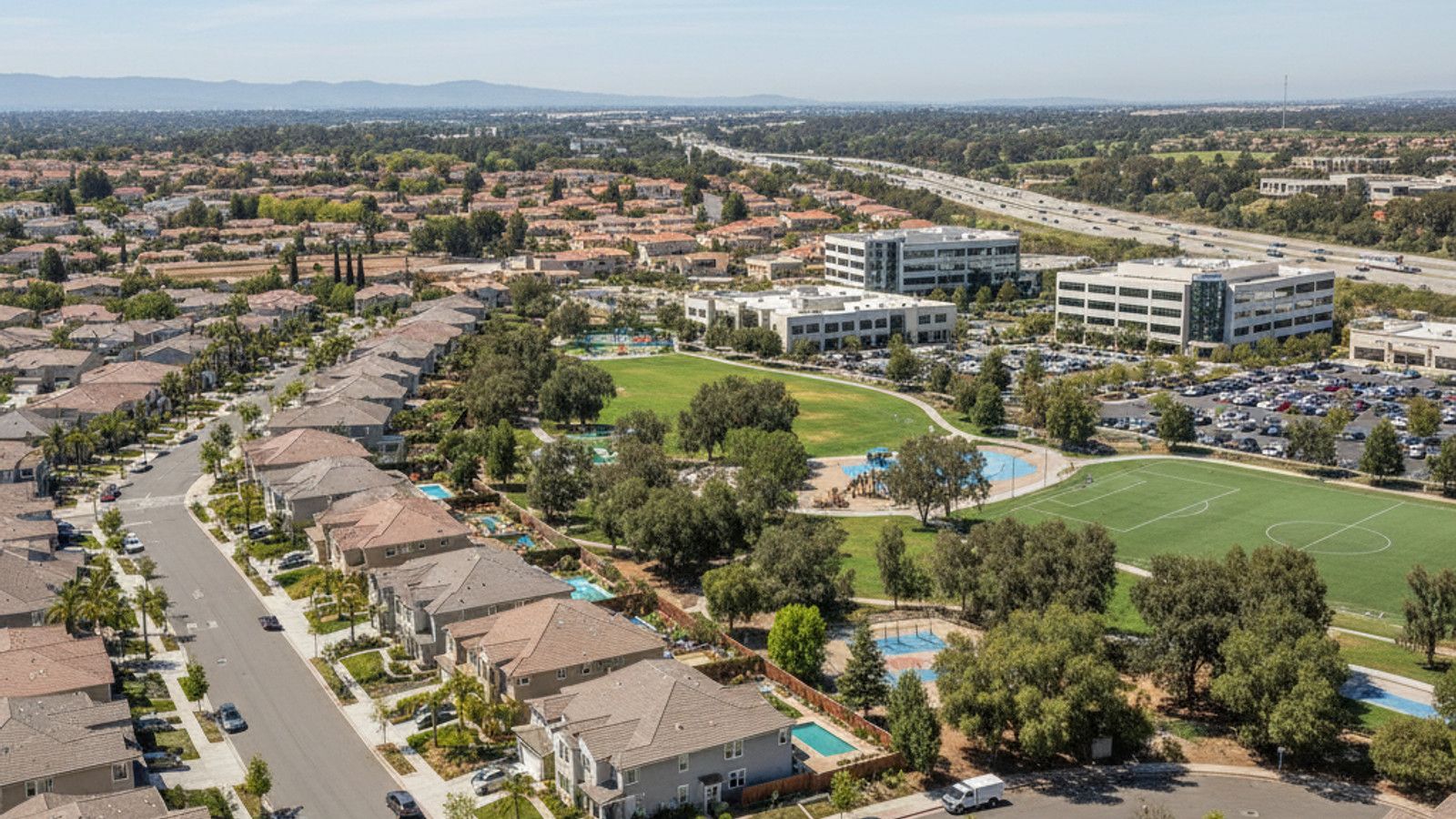
Attached condos and townhomes dominate the immediate vicinity of major office parks, offering lower maintenance living options. Detached single-family homes are highly sought after but face severe inventory constraints due to a lack of buildable land.
This lack of available land restricts new development and sustains current property values across the board. Many master-planned neighborhoods feature comprehensive HOA communities that integrate residential living with nearby retail and office spaces. Paying a premium to live within minutes of major employment centers is a smart defensive real estate strategy.
Average Commute Times and Public Transit
Transportation infrastructure plays a massive role in where buyers choose to purchase a home. Daily travel across Greater Los Angeles and Southern California requires navigating a complex network of freeways. Understanding these commute patterns is critical for assessing how a specific location will impact your daily routine.
Typical commute routes rely heavily on the I-5 and 405 freeways, which serve as the primary arteries for the local workforce. Traffic congestion on these corridors during peak hours heavily influences buyer decisions and property desirability. Many residents utilize local toll roads to bypass heavy traffic, though this adds a recurring cost to the daily commute.
Public transit alternatives exist for those looking to avoid freeway driving altogether. The Metrolink rail network provides vital regional connectivity for commuters traveling from suburban neighborhoods into major commercial centers. Properties located within a short distance of a Metrolink station often see increased demand from buyers prioritizing transit access.
Commute times directly correlate with real estate pricing across the region. Neighborhoods offering a commute under thirty minutes to major hubs like Irvine naturally command higher price per square foot metrics. Buyers must balance their housing budget with their tolerance for daily travel.
Amenities Near Major Job Centers
The infrastructure surrounding commercial districts goes far beyond office buildings and parking structures. Local amenities heavily support the workforce and add significant value to nearby residential neighborhoods. Buyers consistently look for areas that offer a seamless blend of professional opportunities and lifestyle conveniences.
Outdoor recreation is a major draw for residents, with numerous regional parks and open spaces integrated into the urban design. Proximity to expansive green spaces and extensive trail networks enhances the appeal of living near dense employment hubs. High playground density and access to community recreation centers are common features in the master-planned communities surrounding these areas.
Access to highly rated public school districts is another primary driver for real estate demand near job centers. Homes located within the boundaries of top-performing educational facilities historically maintain their value even during market fluctuations. Buyers often map out school boundaries before even looking at property listings.
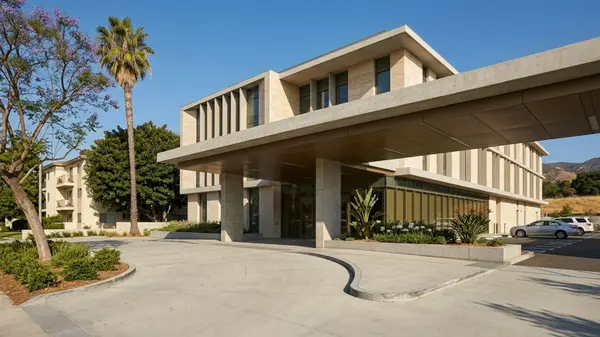
The region is also anchored by world-class medical facilities that serve both as massive employers and critical community resources. Institutions like UCI Health and Hoag Memorial Hospital provide advanced medical care while anchoring the local healthcare employment sector. Having top-tier healthcare access within a short drive is a major selling point for local real estate.
Frequently Asked Questions About the Orange County Job Market
Is it hard to get a job in Orange County?
The local labor market is highly competitive due to the desirable location and strong corporate presence. However, the low unemployment rate of roughly 4.0% is a strong positive indicator of available positions across multiple sectors. Applicants who leverage local networking and possess specialized skills in tech or healthcare generally find strong opportunities.
What are the most in-demand jobs in Orange County?
Healthcare and social assistance currently stand out as top growth areas for the region. Technology, logistics, and engineering roles also see consistent demand due to the heavy concentration of aerospace and medical device companies. Hospitality and tourism remain massive employment drivers thanks to the consistently strong local visitor economy.
What is a livable salary in Orange County?
Living costs here tie directly to the premium real estate and rental prices found across Southern California. With median home prices well over $1,100,000, an income well into the six figures is typically required to secure a conventional mortgage. This requirement varies based on property type, as attached condo living requires a lower income threshold than detached home ownership.
Categories
Recent Posts