Average Rent in Orange County CA: A Complete 2026 Pricing Guide
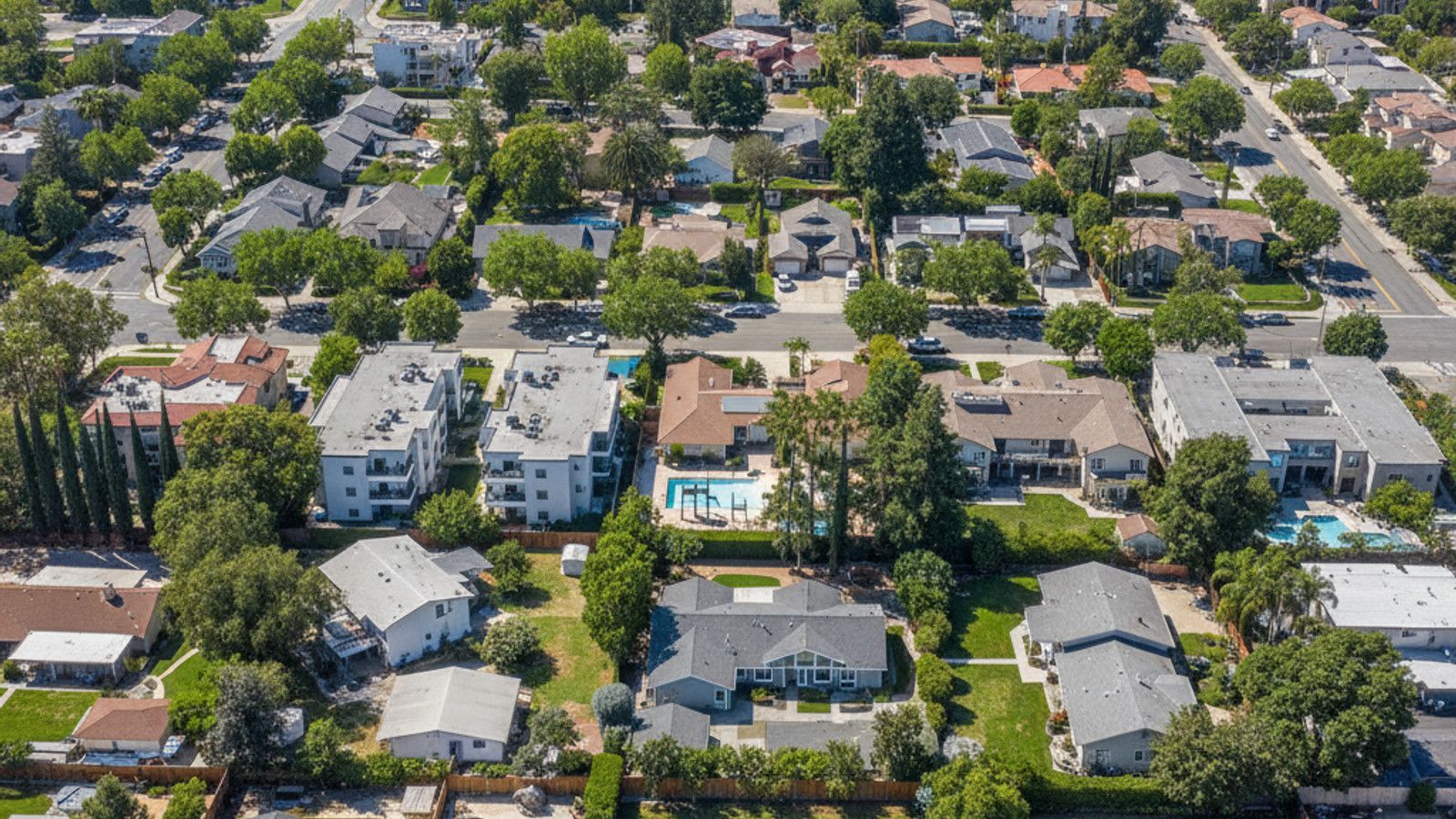
Navigating the Southern California housing market requires a clear understanding of current baseline costs and local inventory. Anyone researching the average rent in Orange County CA will find a stabilized but highly competitive environment this year. The days of massive year-over-year price spikes are largely behind us, but overall housing expenses remain elevated.
Securing a lease in 2026 means moving quickly when the right property hits the market. Low vacancy rates across the region mean property managers rarely need to offer heavy concessions to fill vacant units. Understanding exactly what different property types cost across various cities is the best way to set a realistic budget before touring properties.
2026 Rental Market Trends in Orange County
The current rental market climate in Orange County reflects a careful balance of limited supply and steady demand. Renters looking for a standard apartment this year can expect a countywide average rent of approximately $2,800 per month. Rent growth has flattened out to a modest 1% to 3% projection for 2026, which offers a welcome shift from the volatile increases seen in previous years.
While price growth has slowed, finding an available unit still requires significant preparation and fast decision-making. The countywide vacancy rate sits tightly between 3.9% and 4.3%, keeping the market firmly in the landlord's favor. Properties priced at or slightly below the median tend to receive multiple qualified applications within days of listing.
Beyond the base rent, prospective tenants must account for additional monthly expenses that impact the total cost of living. Pet rent, reserved parking fees, and mandatory utility packages frequently add hundreds of dollars to the advertised lease price. Factoring in these supplemental charges is essential for an accurate view of the 2026 market.
The reality for renters this year is that waiting for prices to drop significantly is a losing strategy. Securing a unit quickly at current market rates is a smarter move than holding out for discounts that are unlikely to materialize. Inventory remains simply too constrained to force any meaningful downward pressure on pricing.
Average Rent Breakdown by Property Type
Budgeting for a move requires looking past the overall county average to see how specific unit sizes are priced. Studio apartments currently run between $2,250 and $2,300 per month for roughly 500 to 600 square feet of living space. These smaller footprints command a premium per square foot because they offer a private residence without the need to coordinate with roommates.
Renters needing a separate living and sleeping area will see a noticeable jump in their monthly housing costs. A standard one-bedroom apartment averages $2,400 to $2,500, while two-bedroom units typically fall between $3,000 and $3,100 per month. The two-bedroom layout remains the most competitive segment of the market, as splitting a $3,100 rent makes the region much more accessible for individuals sharing costs.
Detached properties present an entirely different pricing tier for those seeking private yards and attached garages. Renting a three-bedroom single-family home generally requires a budget of $4,900 to $5,000 per month in most standard neighborhoods. Larger four-bedroom homes frequently exceed the $5,500 mark, especially in communities featuring maintained pools and extensive parks.
Townhomes and condominiums offer a middle ground between traditional apartments and single-family houses. These properties often rent for $3,500 to $4,200 per month, depending heavily on the included community amenities. Leasing a privately owned condominium often provides better interior finishes, though it requires dealing directly with individual landlords rather than corporate management.
Comparing Rent Prices Across Major Orange County Cities
Location drives rental costs just as much as square footage in the Southern California real estate landscape. Inland cities generally offer a more accessible entry point into the market compared to the premium coastal enclaves. Master-planned communities also carry distinct price increases due to their integrated infrastructure and strict aesthetic standards.
Irvine represents the higher end of the inland market, with an overall apartment average of approximately $3,240 per month. Renting a three-bedroom home in this city can easily exceed $5,700 due to the proximity to major employment hubs and university campuses. On the coast, Huntington Beach commands averages between $2,800 and $3,100 heavily influenced by immediate access to the water.
Renters prioritizing budget over immediate beach access should focus their search on central and northern municipalities. Santa Ana offers a dense urban core with historic districts, maintaining an overall average of $2,735 per month. Anaheim provides relative affordability near major entertainment centers, with median rents hovering around an accessible $2,500 per month.
Paying a premium for an Irvine or Huntington Beach address only makes sense if the location significantly reduces daily commute times. Renters must weigh the value of local lifestyle amenities against the reality of higher monthly overhead. Choosing a centrally located inland city often provides the best balance of cost and convenience for the average household.
Commuting Dynamics and Transit Options
Transportation infrastructure plays a massive role in where residents choose to sign a lease. Navigating Orange County means relying heavily on major freeways like the I-405, I-5, and SR-55 for daily travel. Recent infrastructure updates, including the SR-55 improvement project that added crucial carpool lanes, have helped ease some of the traditional bottlenecks.
Many renters gladly pay higher monthly rates to avoid long daily drives across the county. The I-405 Express Lanes provide a reliable, albeit tolled, option for those commuting toward Los Angeles or the coastal business parks. Mapping out the drive from a prospective apartment during peak rush hour is a mandatory step before committing to any specific neighborhood.
Public transit alternatives offer a viable alternative to freeway traffic for regional travel across Southern California. The Metrolink Orange County Line connects several key cities directly to Los Angeles Union Station. Renting an apartment within walking distance of a Metrolink station can eliminate the need for a second vehicle, offsetting higher housing costs.
Local bus routes and municipal transit options also serve the denser commercial corridors. While a personal vehicle remains the primary mode of transportation, localized transit works well in areas like Anaheim and Santa Ana. Evaluating these transit routes helps renters determine true commuting costs beyond just the price of gas.
Local Amenities and Infrastructure
The density of commercial and recreational facilities directly correlates with local rent premiums. Access to massive retail and dining centers like South Coast Plaza drives up demand for surrounding apartment complexes. Renters consistently pay more for the convenience of having high-end grocery stores and restaurants within a short distance.
Educational and outdoor recreational anchors also heavily shape neighborhood pricing. Proximity to UC Irvine keeps the surrounding rental market exceptionally tight, with minimal seasonal dips in demand. Inland areas near Irvine Regional Park command high prices for their access to extensive trail systems and open green spaces.
Coastal access remains the ultimate amenity in the local real estate market. Properties situated within a short bike ride of Newport or Huntington beaches naturally sit at the top of the pricing spectrum. Paying this premium is worthwhile for those who will utilize the coastline regularly, but inland amenities often provide better overall value.
Healthcare infrastructure and municipal services also play a role in property valuations. Neighborhoods adjacent to major medical centers often see higher rental demand from traveling nurses and medical staff. Evaluating the complete picture of local infrastructure helps justify the asking prices in different zip codes.
Frequently Asked Questions
What salary do you need to live comfortably in Orange County?
A household needs an annual gross income of approximately $112,000 to comfortably afford the countywide average rent of $2,800 per month. This figure is based on the standard 30% rule, which dictates that gross income should be roughly three times your housing costs. Earning this baseline ensures renters can cover basic utilities and living expenses without severe financial strain.
Why is rent so expensive in Orange County?
High land values driven by coastal proximity and strong local employment sectors create an expensive baseline for housing. Strict zoning laws and a low inventory of new construction severely limit the number of available units. With a vacancy rate sitting below 4.5%, this constrained supply keeps prices elevated regardless of broader economic shifts.
Which cities in Orange County have the lowest rent?
Inland municipalities like Anaheim, Buena Park, and Garden Grove consistently post the lowest average prices in the region. These cities feature average rents in the $2,300 to $2,500 range, providing a noticeable discount from broader countywide metrics. Securing a lease in these areas provides an excellent entry point for renters looking to maintain access to regional freeways on a strict budget.
Categories
Recent Posts