Navigating Property Taxes in Orange County CA: What Buyers Need to Know in 2026

Buying real estate in Southern California requires a clear understanding of the local tax landscape. For new buyers and current owners alike, navigating property taxes in Orange County, CA is a critical step in calculating the true cost of homeownership. Knowing exactly what to expect can prevent costly surprises after the closing process is complete.
The county operates under specific state laws that dictate how real property is assessed and taxed over time. Between annual bills, supplemental assessments, and special district fees, the overall tax burden can vary significantly from one neighborhood to the next. Mastering these details in 2026 will help you budget accurately and make informed investment decisions.
The Foundation of Orange County Property Taxes
The baseline property tax rate across California is set at 1% of a property's assessed value. This fundamental rule applies to every parcel in Orange County, providing a predictable starting point for your annual property tax calculations. However, the exact rate you pay will almost always be slightly higher than this base percentage.
Local voter-approved bonds and special assessments are layered on top of the 1% base rate to fund regional projects. Depending on the specific city or school district, these additional charges typically push the effective tax rate to somewhere between 1.05% and 1.2% of the assessed value. Buyers should always check the specific tax rate for their target neighborhood before finalizing a purchase budget.
The most significant protection for local homeowners comes from the 1978 California Proposition 13. This legislation caps the annual increase of a property's assessed value at a maximum of 2%, regardless of how much the actual market value of the property rises. This cap ensures that long-term homeowners maintain predictable expenses even when local real estate values inflate rapidly.
How Property Taxes are Calculated in Orange County
Your annual tax liability is based on the assessed value of your home, not necessarily its current market price. When you purchase a property, the county assessor establishes a new property tax assessment equal to your exact purchase price. This initial figure becomes the permanent foundation for your future tax bills under Proposition 13 limits.
Over time, the assessed value and the current market value of the property will usually drift apart. If local real estate prices rise by 8% in a given year, your assessed value will still only increase by the maximum allowed 2%. This creates a scenario where a buyer purchasing a home for $1,000,000 today will pay significantly higher taxes than a neighbor who bought an identical model ten years ago.
What is a Supplemental Tax Assessment?
Shortly after closing on a new home, buyers will receive a supplemental property tax bill in the mail. The county assessor issues this notice to cover the difference between the previous owner's lower assessed value and your new, higher purchase price. This specific charge is prorated based on the number of months remaining in the current tax year.
Many first-time buyers mistakenly assume their standard mortgage escrow account will automatically cover this extra charge. However, lenders typically only collect funds for the standard annual property tax bill, leaving the homeowner responsible for paying the supplemental tax directly. Planning for this one-time expense is essential when calculating your immediate post-closing cash reserves.
The Impact of Mello-Roos and Special Assessments
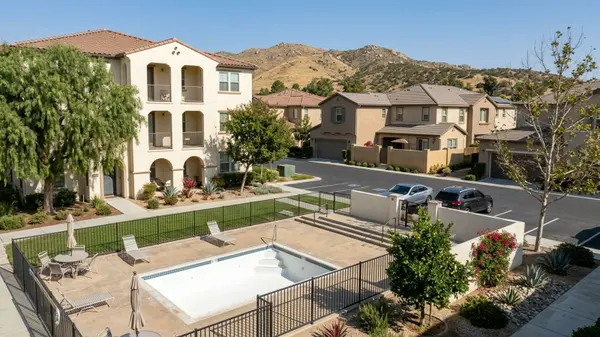
Beyond the standard county taxes, many newer developments carry an additional financial obligation known as Mello-Roos. These are specialized Community Facilities Districts created to fund local infrastructure improvements like new roads, schools, and municipal parks. Developers use these bonds to finance the heavy construction costs required to build out raw land.
Mello-Roos fees are highly prevalent in master-planned communities across Orange County, particularly in areas like Irvine, Ladera Ranch, and Rancho Mission Viejo. These assessments are not based on the home's value, but rather on the square footage or lot size of the property. The extra cost can add anywhere from $1,000 to over $5,000 to your annual tax burden.
Buyers must carefully review the preliminary title report to identify if a target property carries a Mello-Roos assessment. These bonds typically have a predetermined lifespan, often lasting 20 to 40 years before they are fully paid off and removed from the tax rolls. Purchasing an older home generally allows buyers to avoid these extra infrastructure fees entirely.
Orange County Property Tax Due Dates and Deadlines
The local tax calendar operates on a strict annual schedule that every homeowner must follow. The treasurer-tax collector mails out the annual secured property tax bill to all registered property owners each October. Meanwhile, bills for unsecured property taxes - which cover assets like business equipment or boats - are handled on a separate timeline during the summer.
The county divides your total annual property tax into two equal installments to make payments more manageable. Missing these deadlines can result in severe financial consequences, so marking your calendar is a necessary part of property management. The exact payment schedule and penalty dates are structured as follows:
-
The first installment is due on November 1 and officially becomes delinquent if not paid by December 10.
-
The second installment is due on February 1 and becomes delinquent if not paid by April 10.
-
Any payment received after the delinquent date is immediately hit with a strict 10% penalty.
Homeowners who use an escrow account through their mortgage servicer will usually have these payments handled automatically. However, the property owner remains ultimately legally responsible for ensuring the treasurer-tax collector receives the funds on time. If a tax lien is placed on the property due to unpaid bills, it can severely complicate future attempts to sell or refinance.
Common Property Tax Exemptions in California
While the tax framework is strict, the state does offer specific property tax exemptions that can slightly lower your overall burden. The most widely used program is the standard Homeowner's Exemption, which is available to anyone who owns and occupies a property as their primary residence. This exemption reduces the assessed value of your home by $7,000 before the tax rate is applied.
Applying for the Homeowner's Exemption is a simple, one-time process that saves owners roughly $70 per year. In addition to this standard reduction, California offers specialized exemptions for qualifying disabled veterans. These targeted programs can provide a much more substantial reduction in the assessed value for those who meet the strict eligibility criteria.
Transferring Your Tax Base with Proposition 19
California Proposition 19 fundamentally changed how specific homeowners handle property taxes when relocating within the state. This legislation allows qualifying individuals, such as those aged 55 and older or victims of natural disasters, to transfer their current tax base to a new property. This creates a massive financial advantage for long-term owners looking to move without facing a steep tax hike.
Eligible sellers can move anywhere within California and apply their existing assessed property value to a new primary residence. If the new home is more expensive than the one they sold, the tax base is simply adjusted upward by the proportional price difference. This financial flexibility makes transitioning into a different property significantly more manageable for those who qualify.
Frequently Asked Questions
How much are property taxes in Orange County, CA?
The base rate is 1% of the property's assessed value, but local bonds usually push the effective rate to roughly 1.05% to 1.2%. For a home assessed at $800,000, you can expect an annual property tax bill of approximately $8,400 to $9,600. Checking with the specific city or district is essential to determine your exact obligation.
Can I pay my Orange County property taxes online?
Yes, you can easily pay your tax bill online through the official Orange County treasurer-tax collector portal. The system accepts eChecks with no additional fees, while credit or debit card payments will incur a standard processing surcharge of roughly 2.3%. You will need your parcel number from your secured property tax statement to access your account.
Is it advisable to buy a house with Mello-Roos taxes?
Purchasing a home with Mello-Roos depends entirely on your monthly budget and your desire for newer community amenities. These special assessments often fund excellent local infrastructure in master-planned areas like Irvine, but they can add $2,000 or more to your annual expenses. Buyers must weigh the cost of these bonds against the benefits of living in a recently developed neighborhood.
At what age can I stop paying property taxes in California?
There is no age at which a homeowner can completely stop paying property taxes in California. However, Proposition 19 allows qualifying owners aged 55 and older to transfer their lower, existing tax base to a new home anywhere in the state. This prevents a sudden tax spike when moving, though the baseline annual obligation remains mandatory.
Categories
Recent Posts