Investing in Orange County CA Real Estate: Strategic Submarkets and Yields in 2026
Navigating the Southern California property landscape requires a clear understanding of shifting financial dynamics and local zoning nuances. Investing in Orange County CA real estate offers distinct opportunities for those who look beyond the surface-level price tags. As we move deeper into 2026, the region continues to demonstrate remarkable resilience against broader national economic headwinds.
Success in this coastal market relies on matching your capital strategy with the right neighborhood features and property types. Whether you are seeking immediate rental yield or long-term equity growth, the county presents a complex but rewarding environment. Carefully analyzing current inventory levels and infrastructure developments will help you identify the most viable pathways to a strong return on investment.
Orange County CA Real Estate Market Trends in 2026
The current landscape of the Orange County market is defined by a distinct stabilization in property values. Median home prices are holding steady between approximately $1,100,000 and $1,300,000, depending heavily on the specific submarket and proximity to the coast. This leveling effect provides investors with a much more predictable environment for underwriting new acquisitions compared to the rapid fluctuations seen in previous market cycles.
A persistent structural undersupply continues to keep the balance of power tilted toward property owners. Active inventory is currently hovering around a four-month supply, meaning well-priced assets still command attention and move efficiently. The gradual thawing of the mortgage lock-in effect is finally bringing slightly more liquidity to the market, which is excellent news for buyers who have been waiting for viable multi-family listings to surface.
On the leasing side, the rental market remains incredibly robust across both single-family and multi-family sectors. Average rent rates currently range from roughly $3,141 to $3,473, supported by a remarkably low vacancy rate of approximately 4.3%. My firm takeaway is that investors who secure properties near major transit corridors now will capture consistent tenant demand while avoiding the worst of the inventory bottlenecks.
Economic Drivers and Employment Hubs Fueling Renter Demand
The objective economic strength of the region is anchored by massive employment centers like the Irvine Spectrum, South Coast Metro, and the Anaheim Resort district. A heavy concentration of technology, healthcare, and entertainment sectors ensures a steady flow of prospective tenants requiring housing. Commuter access is heavily facilitated by major arteries like the I-5, I-405, and SR-55 freeways, making transit-adjacent properties highly desirable.
Proximity to John Wayne Airport adds another layer of strategic advantage for those targeting corporate rentals or traveling medical staff. Properties situated within a short drive of this transit hub consistently experience shorter vacancy periods. Understanding these physical infrastructure elements is crucial for projecting long-term occupancy rates and maximizing gross rental income.
Best Cities for Real Estate Investment in Orange County CA
It is a mistake to treat Orange County as a single, uniform housing market when evaluating potential returns. Investment strategies must align strictly with specific municipal zoning laws, local community structures, and distinct geographical advantages. A strategy that works perfectly in a dense urban core will likely fail in a coastal enclave governed by strict architectural review boards.
Balancing immediate cash flow goals against long-term appreciation is the primary challenge for any local investor. Higher-density inland areas generally offer more favorable capitalization rates and lower barriers to entry. Conversely, the coastal zones demand immense upfront capital but historically deliver superior equity growth over a ten-year hold period.
My perspective is that investors must clearly define their operational capacity before choosing a target city. Managing a multi-unit property in a bustling commercial district requires a completely different approach than overseeing a single luxury estate. Selecting the right municipality is ultimately about matching your risk tolerance with the objective realities of that specific local economy.
Single-Family Homes in Irvine and South County
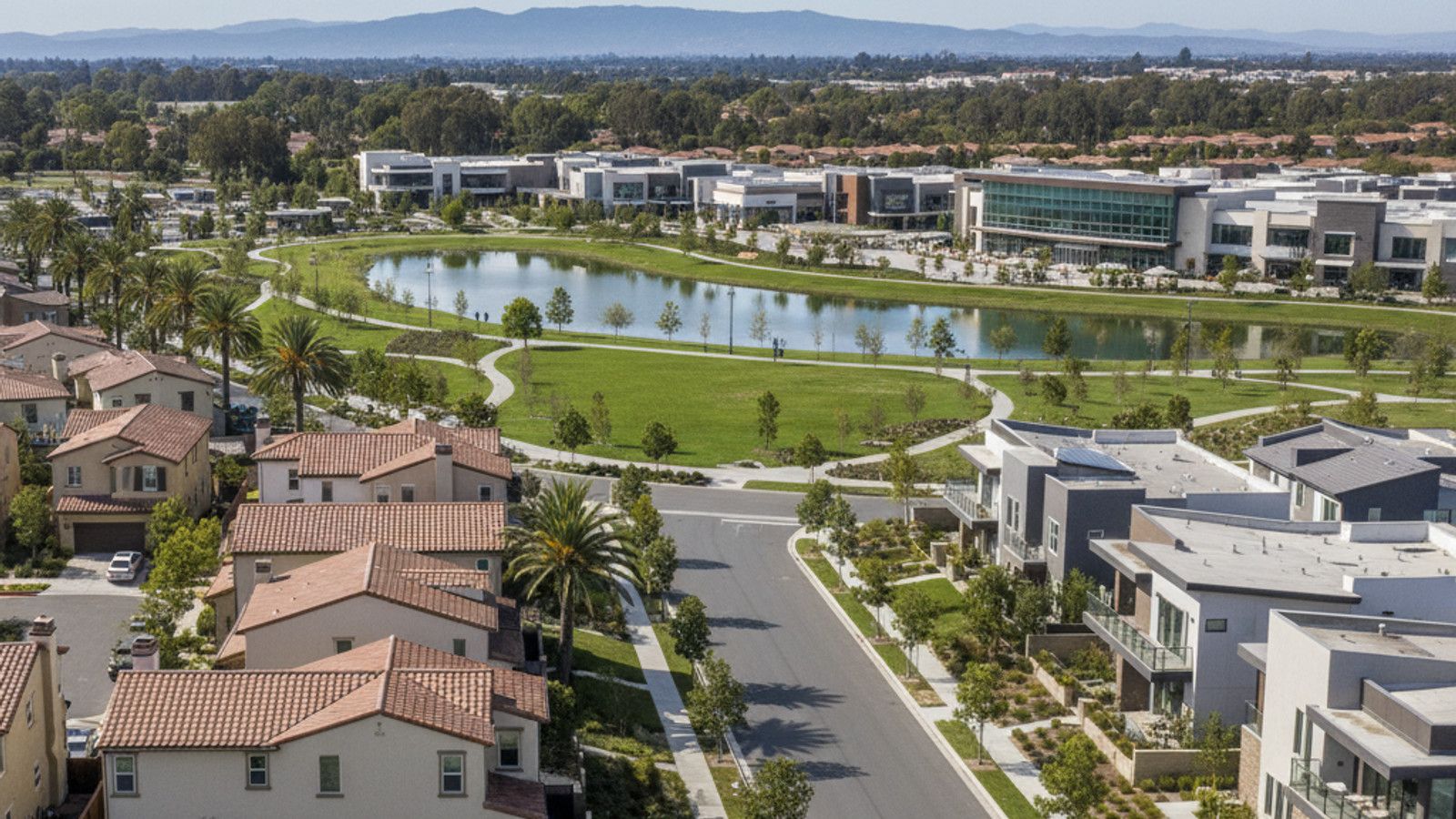
The structured nature of master-planned communities in Irvine and Mission Viejo offers a highly predictable environment for long-term residential investments. These areas feature extensive park systems, integrated retail centers, and highly rated school districts that draw consistent interest from relocating corporate employees. The tenant pool here tends to favor extended lease terms, which significantly reduces turnover costs for landlords.
However, investors must carefully account for the specific impact of Mello-Roos assessments on their operating expenses. In newer developments like the Great Park neighborhoods, these special tax districts can add approximately $1,500 to over $7,000 annually to your carrying costs. Failing to factor these assessments into your initial underwriting will quickly erode your projected profit margins.
Multi-Family Units in Santa Ana and Garden Grove
For those pursuing value-add strategies and workforce housing, Santa Ana, Anaheim, and Garden Grove represent prime target areas. These high-density, transit-adjacent neighborhoods offer lower median entry prices while maintaining exceptionally strong tenant demand. The local economic landscape in these submarkets supports a massive pool of renters who prioritize proximity to major industrial and commercial employment centers.
Interestingly, Class C property rent growth frequently outpaces Class A luxury rent growth in these specific inland municipalities. Acquiring an aging duplex or fourplex and executing targeted interior renovations can yield substantial increases in monthly cash flow. This approach allows investors to force appreciation while serving a critical need in the local housing supply.
Luxury Coastal Properties in Newport Beach
The high-barrier coastal markets of Newport Beach, Laguna Beach, and Costa Mesa operate on an entirely different financial paradigm. While initial entry prices easily exceed $2,500,000 for standard single-family homes, the potential for premium appreciation remains unmatched in the region. These assets also command premium rental rates, particularly for fully furnished or medium-term executive leases.
Investors must remain cautious regarding the unique carrying costs associated with coastal environments. Saltwater exposure accelerates exterior maintenance schedules, and premium homeowners association fees can severely impact net operating income. Success in this tier requires substantial cash reserves and a willingness to accept lower initial cap rates in exchange for massive long-term equity gains.
Orange County CA Median Home Price and Average Rent Rates
Understanding the precise financial metrics of the 2026 market is essential for drafting accurate investment pro formas. The relationship between acquisition costs and operating expenses in Southern California requires meticulous attention to detail. A property that appears profitable on gross income alone can quickly become a liability once local tax structures and borrowing costs are applied.
Prevailing mortgage environments and localized fee structures dictate the viability of every transaction. With the current cost of capital, achieving positive leverage on day one is challenging but entirely possible with adequate down payments. My professional stance is that conservative underwriting is non-negotiable this year - you must stress-test your numbers against potential vacancy spikes and maintenance emergencies.
To successfully navigate these financial waters, investors should familiarize themselves with the standard baselines currently defining the region. The following metrics represent the typical costs and yields you will encounter when evaluating local assets:
-
Property Taxes and Mello-Roos: Base property tax rates sit around 1.1% to 1.25%, but local bond measures and Mello-Roos can significantly inflate the annual tax bill.
-
HOA Fees: Single-family homeowners associations generally run $50 to $300, while condos and luxury communities demand $300 to $800 or more monthly.
-
Cap Rates: Multi-family capitalization rates have stabilized near 4.5% in 2026, reflecting the high barriers to entry and limited supply risk inherent to the area.
-
Mortgage Rates: Projected interest rates hovering between 6.0% and 6.4% require strict underwriting to ensure properties generate positive cash flow.
Frequently Asked Questions
Is Orange County a good place to invest in real estate?
Orange County remains an exceptionally strong market for real estate investment due to its diverse economy and severe housing undersupply. With vacancy rates holding near 4.3%, landlords benefit from consistent tenant demand across all property classes. The region offers a reliable mix of steady rental income and long-term equity preservation.
What is the 3-3-3 rule in real estate?
The 3-3-3 rule is a general guideline suggesting investors should have three months of mortgage payments, three months of maintenance reserves, and three months of living expenses saved. This framework helps mitigate the financial risks associated with unexpected vacancies or major system failures. Maintaining this cash buffer is especially important in high-cost areas like Southern California.
What is the 70% rule in flipping?
This standard formula dictates that an investor should pay no more than 70% of a property's after-repair value minus the anticipated renovation costs. Following this math ensures enough margin is left to cover holding costs, closing fees, and a reasonable profit. In competitive markets like Anaheim or Tustin, adhering to this rule prevents buyers from over-leveraging on fixer-upper projects.
Should I require my tenant to have renters insurance?
Requiring renters insurance is a crucial risk mitigation strategy that protects both the property owner and the occupant. A standard policy covers the tenant's personal belongings while providing liability protection if they accidentally damage the unit. Most local property management firms mandate this coverage, as it costs the renter very little but drastically reduces landlord liability.
Categories
Recent Posts