Planning to Build My Own Home in Orange County CA: 2026 Costs and Steps
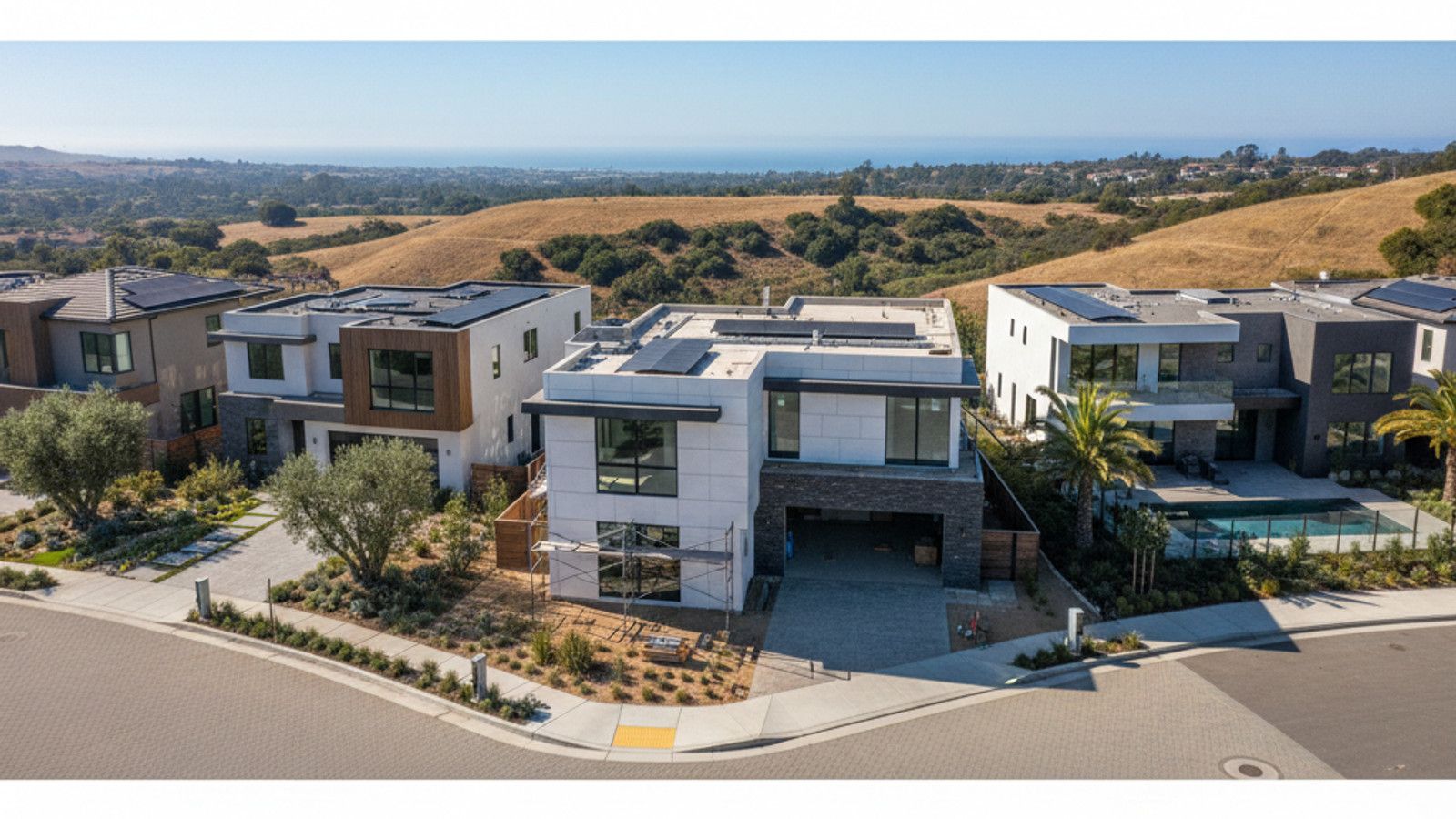
Deciding to build my own home in orange county ca is a major financial and logistical commitment. The local market is characterized by high land values, strict regulatory oversight, and intense demand for premium craftsmanship. Taking a project from an empty lot to a finished residence requires careful planning and a clear understanding of the current construction landscape.
As we move through 2026, buyers face unique challenges and opportunities in the local building sector. Navigating updated building codes and securing reliable contractors demands a highly proactive approach. Understanding the exact steps and costs involved will help you avoid costly delays and ensure your custom property meets your specifications.
A custom build allows you to tailor every square foot to your daily routine and architectural preferences. While the upfront effort is substantial, the result is a highly efficient property equipped with modern infrastructure. Executing this vision successfully requires a realistic grasp of timelines, municipal fees, and labor availability.
The Step-by-Step Process of Building a Custom Home in Orange County
Constructing a new residence requires a dedicated design-build team to manage the complex pipeline from initial planning to final move-in. The entire timeline averages 18 to 30 months, depending on the scale of the design and the speed of municipal approvals. Assembling the right architects, structural engineers, and general contractors early in the process is essential for keeping the project on track.
A smooth transition from architectural drafting to ground-breaking hinges on proactive communication with local building and safety divisions. Delays often occur when property owners underestimate the time needed for site testing and municipal design revisions. Establishing a clear project scope upfront minimizes mid-construction changes that can derail both your budget and your schedule.
Many buyers opt for a full-service design-build firm to streamline communication between the design architects and the construction crews. This unified approach reduces the risk of misinterpretation between the blueprints and the actual framing. Having a single point of accountability makes it easier to track progress and manage subcontractor schedules effectively.
Securing a construction loan is another critical early step in the building pipeline. Unlike traditional mortgages, construction loans release funds in scheduled draws as specific building milestones are completed. Partnering with a lender who understands the local Orange County market ensures your contractors are paid on time, keeping the project moving smoothly.
Acquiring Vacant Land or a Teardown Property
Finding a buildable lot is the foundation of your entire project and often dictates your architectural options. Buyers must weigh the advantages of purchasing raw land versus acquiring an existing teardown property that already has utility connections in place. Land prices in Orange County currently range from approximately $500,000 for inland parcels to well over $5,000,000 for premium ocean-view sites.
You must evaluate essential site conditions like soil stability, topography, and utility access before finalizing a purchase. Steep hillsides or unstable soil will require extensive grading, deep caissons, and concrete retaining walls. These preliminary site preparations add significant expense to the initial phase of development.
Always factor these lot acquisition and preparation costs into your total project budget prior to finalizing your home design. Buying an older teardown property often saves money on new water and sewer hookups, but demolition costs must be factored in. Conducting a thorough feasibility study during your escrow period is the best way to uncover hidden site limitations.
Securing Orange County Building Permits and Inspections
Local building and safety divisions require comprehensive documentation before any physical work can begin on your parcel. You must submit detailed architectural plans, structural engineering reports, and Title 24 energy compliance forms for municipal review. Permit processing currently takes roughly 4 to 8 months, with city fees running approximately $25,000 to $80,000 depending on the jurisdiction.
All new construction must comply with the strict mandates of the 2025 California Building Code, which was officially adopted on January 1, 2026. These updated regulations place a heavy emphasis on energy conservation, indoor air quality, and wildfire resilience. Designing your home to meet these standards from the very beginning prevents costly revisions during the city review process.
Once construction is underway, your general contractor must schedule a sequence of rough and final inspections to verify code compliance. City inspectors will examine the framing, plumbing, electrical infrastructure, and mechanical systems at specific milestones. Passing these mandatory checks is the only legal way to obtain a final certificate of occupancy.
Navigating the California Coastal Commission
Properties located in coastal zones like Laguna Beach, Newport Beach, and Dana Point often require a Coastal Development Permit. This adds a layer of rigorous regulation regarding sea-level rise projections, bluff setbacks, and environmental hazard compliance. The oversight process is highly detailed and designed to protect the local shoreline ecology and public beach access.
Dealing with coastal oversight heavily impacts your overall project timeline and budget. Securing these specialized approvals can add several months to your pre-construction phase and may dictate specific architectural choices. Buyers must be prepared for strict limitations on square footage, building height, and structural placement when building near the ocean.
The commission may also require visual impact analyses to ensure your new home does not block established scenic corridors. Landscaping choices are heavily scrutinized, often requiring the exclusive use of native, drought-tolerant plants that support local wildlife. Hiring an architect with extensive experience navigating coastal regulations is highly recommended for these specific parcels.
Understanding Custom Home Construction Costs in 2026
The financial commitment required to construct a property from the ground up in Southern California is substantial. Skilled labor and material costs in Orange County consistently outpace national averages due to high regional demand and strict environmental regulations. Total construction costs generally range from $500,000 to $3,000,000 or more, entirely excluding the price of the land.
Before any concrete is poured, you must account for specialized soft costs like architectural and engineering fees. These professional services average 8 to 15 percent of the total construction cost - running roughly $60,000 to $250,000 for a typical custom home. Paying for high-quality engineering upfront prevents structural issues and costly change orders later in the build.
The final budget will ultimately be driven by the complexity of your site and the level of luxury finishes you select. High-end kitchen appliances, custom cabinetry, and imported flooring materials can easily push a project over its initial estimates. Maintaining a contingency fund of at least 15 percent is a necessary safeguard against unexpected price fluctuations.
Beyond the basic structure, buyers must also budget for site work and exterior hardscaping. Installing custom driveways, retaining walls, and outdoor living spaces requires specialized subcontractors and separate permits. These exterior elements are essential for maximizing the usability of your lot but can add hundreds of thousands of dollars to the final bill.
Average Cost Per Square Foot to Build
Estimating residential construction costs requires a clear baseline for current pricing metrics. These figures cover the physical structure only and do not include site acquisition, permit fees, or extensive landscaping.
-
Standard custom homes in Orange County average between $400 and $600 per square foot.
-
Luxury estates with premium finishes and complex engineering easily exceed $800 per square foot.
-
Constructing a detached accessory dwelling unit (ADU) averages around $350 per square foot.
These base costs fluctuate based on material availability and the specific subcontractors hired for the job. Advanced energy systems, such as solar arrays and battery storage, will also increase the initial cost per square foot.
Securing fixed-price bids early in the design phase is the best way to protect your budget from unexpected inflation.
Key Considerations for Selecting a Lot in Orange County
Picking a location that supports long-term property value and lifestyle functionality requires strategic planning. Buyers should evaluate commute times and ensure direct access to major regional thoroughfares like I-5 and CA-73. Proximity to critical infrastructure, including regional healthcare centers like Hoag Hospital and recreational spaces like Irvine Regional Park, adds significant functional value to the property.
You must review local zoning laws, HOA design guidelines, and school district boundaries before purchasing any lot. Some communities enforce strict architectural review boards that can veto exterior colors, roof pitches, and landscaping choices.
Topography is another major factor that impacts the feasibility and cost of your build. Flat lots in established neighborhoods are easier to develop but are increasingly rare and expensive to acquire. Hillside lots offer premium views but require extensive soil testing, specialized foundation engineering, and complex drainage systems.
Environmental hazard zones should also influence your land acquisition strategy. Parcels located in designated high fire hazard severity zones require specialized exterior cladding, enclosed eaves, and tempered glass. These mandatory fire-hardening measures ensure compliance with state law but will increase your overall material costs.
Access to public utilities is a crucial detail that is often overlooked during the initial land search. Parcels located in remote canyon areas may lack direct connections to municipal water, sewer, or natural gas lines. Installing a private septic system or bringing utility lines down a long private road requires extensive engineering and substantial capital.
Finally, consider the orientation of the lot and how it impacts your daily living experience. The path of the sun will dictate your natural lighting, energy efficiency, and ideal placement for solar panels. Maximizing southern exposure can significantly reduce your reliance on artificial lighting and winter heating.
Frequently Asked Questions About Building in Orange County
Can I legally build my own house in California?
Yes, you can act as an owner-builder in California by pulling the permits under your own name. However, this assumes significant legal and financial liability for the entire construction process. Most property owners opt to hire a licensed general contractor to manage subcontractors, ensure code compliance, and maintain workplace insurance.
Is $100,000 enough to build a house in Orange County?
A budget of $100,000 is entirely insufficient for new ground-up construction in this market. In 2026, architectural fees and municipal permits alone can easily consume a large portion of that amount. This budget is more appropriate for a moderate interior remodel rather than constructing a new residence.
What size house can you build for $250,000 in Orange County?
With a budget of $250,000, you are generally limited to constructing a detached accessory dwelling unit (ADU). At an average of $350 per square foot, this budget covers a structure of roughly 700 square feet. It is not a realistic budget for a full-scale custom home when factoring in current labor and material rates.
What is the typical timeline for building a custom home in Orange County?
The entire project duration averages between 18 and 30 months from the initial design concept to the final move-in date. Permit processing alone takes 4 to 8 months depending on the specific city jurisdiction. Complex site conditions or coastal commission reviews will push this timeline toward the longer end of the spectrum.
Categories
Recent Posts