Property Valuation Orange County, CA: A Guide for Buyers and Owners in 2026
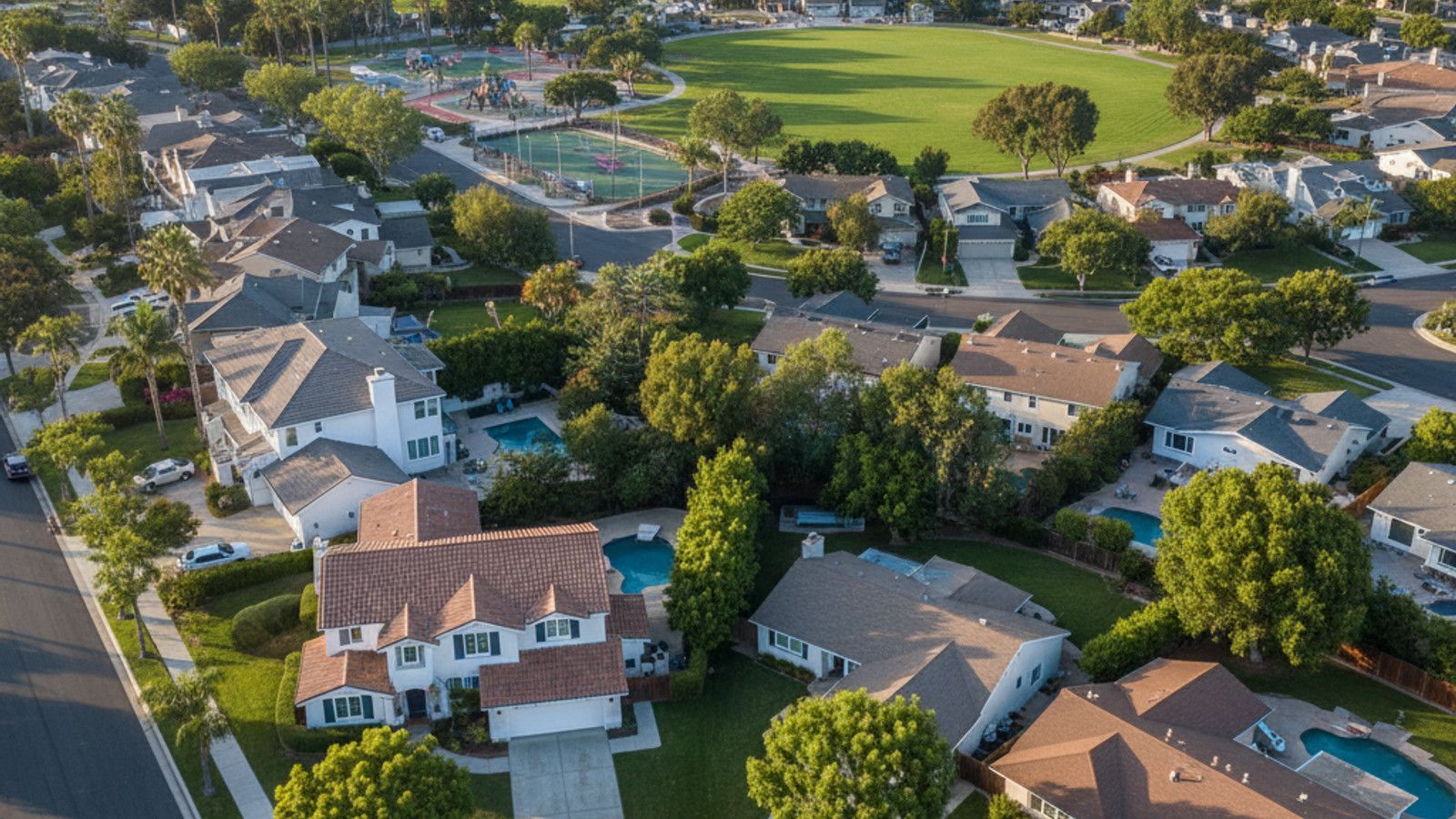
The median home price across Orange County sits around $1.3 million as of May 2026. Understanding how those homes are priced and taxed requires looking at two distinct numbers: the amount a buyer is willing to pay and the figure the county uses to generate your annual tax bill.
These numbers rarely match because they are calculated using different rules and timelines. Buyers rely on market data to shape their offers, while local government officials follow state laws to cap annual assessment increases. Knowing how both systems operate helps you anticipate your monthly carrying costs before closing on a house.
Methods for Determining Home Value in Orange County
Real estate agents and licensed appraisers look at recent sales of comparable properties to estimate what a home will sell for on the open market. Agents provide a Comparative Market Analysis to help sellers set an asking price or guide buyers on what to offer. If a buyer requires a mortgage, the lender will require a formal appraisal to ensure the property provides sufficient collateral for the loan.
While buyers often check Automated Valuation Models on real estate websites for a quick estimate, these algorithms miss interior upgrades and neighborhood nuances. The county tax collector uses an entirely different metric called the assessed value, which dictates your yearly property tax burden. The assessed value is established when you buy the property and generally stays disconnected from the current market value as the years pass.
Orange County Real Estate Prices and Inventory in 2026
Countywide active inventory hovers between 4,200 and 5,500 listings this spring. Buyers typically pay between $688 and $721 per square foot, though those figures fluctuate drastically depending on the city. Mortgage rates continue to shape buyer demand, keeping available homes on the market for an average of just a few weeks before going under contract.
Pricing differences between inland communities and coastal areas remain stark. While the broader county median sale price is approximately $1.3 million, coastal cities like Newport Beach and Laguna Beach routinely see median prices exceeding $2.8 million. Inland cities tend to offer more square footage for the price, drawing buyers who prioritize space over immediate beach access.
What Impacts a Home's Price Tag Locally
A property's location relative to major employment hubs and transportation corridors directly influences its market value. Homes situated near the Irvine Business Complex often command higher prices due to shorter commute times for corporate employees. Access to major freeways like I-5, SR-55, and the SR-73 toll road also plays a major role in pricing.
Buyers evaluate specific neighborhood features when comparing similar houses. The presence of these amenities often justifies a higher purchase price compared to identical homes just a few miles away:
-
Proximity to specific school district boundaries and local campuses.
-
Distance to coastal access points, harbors, and public beaches.
-
Walking distance to community parks, trail systems, and recreation centers.
How the County Calculates Your Tax Bill
Under California's Proposition 13, the Orange County Assessor's Office establishes your property's base year value based on the purchase price. Once you buy the home, the assessed value can increase by a maximum of 2 percent per year, regardless of how fast local real estate prices climb. This law prevents homeowners from being priced out of their properties due to rapid market appreciation.
Certain events trigger a reassessment outside of that 2 percent cap. Completing new construction, like adding a bedroom or an accessory dwelling unit, will prompt the assessor to add the value of that specific improvement to your tax base. The county establishes these values annually on January 1 for the upcoming tax year, which runs from July 1 through June 30.
Reading and Paying Your Secured Property Taxes
A standard tax bill includes a 1 percent base tax rate applied to the assessed value, plus any voter-approved bonds or special assessments. In many newer communities, buyers also pay Mello-Roos fees to fund local infrastructure like schools and roads. These additions push the effective tax rate to between 1.1 percent and 1.3 percent in older neighborhoods, and up to 2.1 percent in areas with heavy Mello-Roos assessments.
The Treasurer-Tax Collector mails annual bills in the fall, splitting the total into two installments. The first installment is due November 1 and becomes delinquent with a 10 percent penalty if not paid by December 10. The second installment is due February 1 and incurs a penalty after April 10. Buyers who purchase a home mid-year will also receive a supplemental tax bill covering the difference between the previous owner's assessed value and the new purchase price.
Challenging Your Home's Assessed Value
If local property values drop below your current assessed value, you can request a temporary reduction under Proposition 8. The assessor's office reviews market data to determine if a reduction is warranted for that specific tax year. If the assessor declines the reduction, property owners have the right to file a formal appeal.
The formal process requires submitting an application to the Assessment Appeals Board. You must provide evidence supporting your claim, which generally involves gathering comparable sales data.
-
Submit the appeal application during the standard filing window, which runs from July 2 through November 30.
-
Provide details on at least three comparable properties that sold near the January 1 valuation date.
-
Attend the scheduled hearing to present your evidence to the board.
Programs That Reduce Your Tax Burden
The state offers several exemptions that lower a property's taxable value before the tax rate is applied. The most common is the homeowners' exemption, which reduces the assessed value by $7,000. To qualify, the property must be your primary residence as of January 1, and you must file a simple claim form with the assessor.
Additional tax relief exists for specific groups of property owners. Under Proposition 19, homeowners aged 55 and older can transfer their current tax base to a replacement property anywhere in California, preventing a massive tax hike when downsizing. Veterans with a service-connected disability rating of 100 percent may also qualify for an exemption that drastically reduces or eliminates their property tax liability.
Frequently Asked Questions
How much are property taxes in Orange County, CA?
The base rate is 1 percent of the assessed value, but local bonds and special assessments increase the final amount. Most homeowners see an effective rate around 1.2 percent, though newer developments with Mello-Roos can push that figure past 2 percent. A home assessed at $1 million typically generates a bill between $11,000 and $13,000 annually.
When are Orange County property taxes due?
The county splits the annual bill into two equal payments. You should submit the first payment by November 1 to avoid the December 10 late penalty. The second half is due February 1 and must be paid by April 10.
How do I find property tax records and information for Orange County, CA?
You can view current and historical bills directly on the Treasurer-Tax Collector's official website. By entering your parcel number or property address, you can check payment status, print copies of past statements, and verify any special assessments tied to the lot.
Categories
Recent Posts