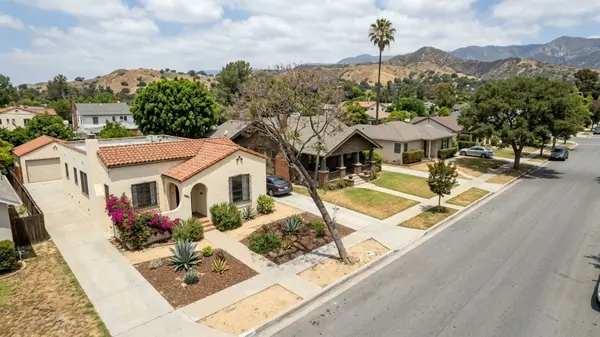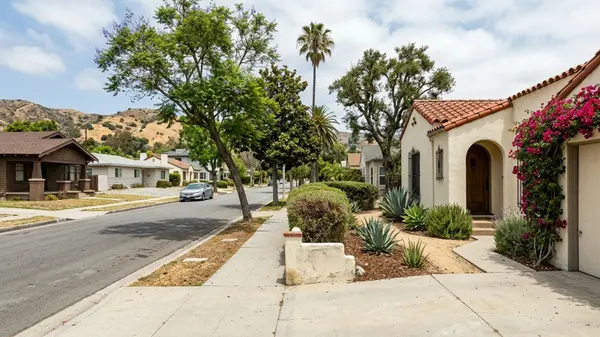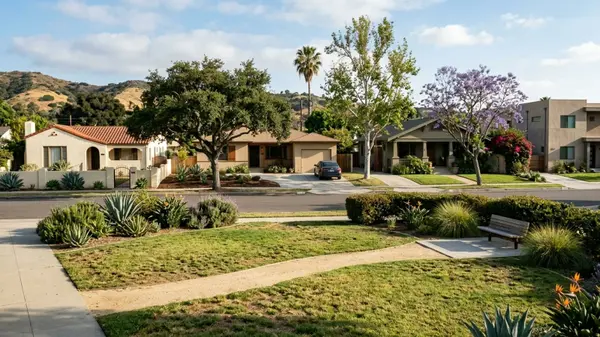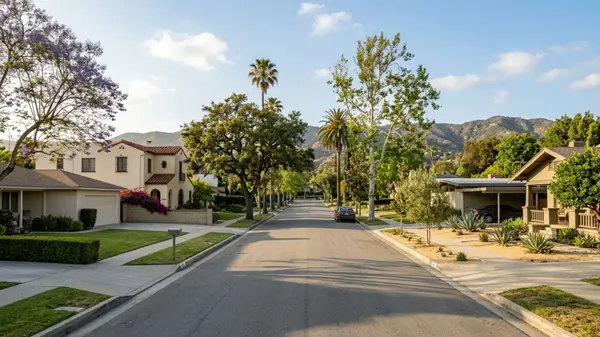
Navigating the 2026 Riverside, CA Housing Market: A Local Guide
If you have been keeping an eye on the Inland Empire real estate landscape lately, you already know that things are shifting. Whether you are a prospective buyer trying to time your purchase, a current homeowner weighing your equity, or an investor looking for the next solid opportunity, understanding the local numbers is everything. The wild real estate market rides of the past few years are largely behind us, and we are stepping into a new phase that requires a bit more strategy. Let's sit down and walk through exactly what the Riverside, CA housing market looks like in 2026, what is driving the current trends, and how you can make the smartest possible move this year.
2026 Riverside, CA Housing Market Overview & Current Trends
Let's start by looking at exactly where home prices and inventory stand today. If you have been tracking home sales over the last few months, you might have noticed a very welcome change in the overall pace of the market. We have officially transitioned away from the frenzied seller's market of recent years and are settling into a much more balanced equilibrium.
Right now, the median price for a home in Riverside sits between $640,000 and $665,000. While that still reflects a steady year-over-year value retention, the day-to-day experience of buying a house feels incredibly different. Buyers finally have a bit more breathing room to make major financial decisions, rather than feeling pressured to waive every contingency just to get a foot in the door.
You can see this shift most clearly when looking at the average days on the market. Currently, homes are spending roughly 40 to 60 days listed before going pending. This is a fantastic signal of a healthier market pace. It means you can actually tour a property on a Saturday, sleep on the decision, and consult with your mortgage lender without the fear that the house will be sold by Sunday morning.
When we break the numbers down to the micro-level, the median sale price per square foot is hovering right around $388. Knowing this average gives you a highly practical baseline when you are comparing different Inland Empire real estate listings. If you see a home priced significantly higher than that per square foot, you will know to look closely at the upgrades or the specific lot location to see if the premium is justified.
Is the California Housing Market Slowing Down? Impact on Riverside
Zooming out from our local neighborhoods, it is always smart to look at the broader picture across the state. You have probably seen headlines discussing a general California housing market slowdown, and the statewide data certainly backs up that narrative.
In early 2026, statewide buyer activity and sales volume hit multi-year lows. High interest rates and serious affordability constraints are actively cooling off major coastal metros, forcing many buyers to pause their searches. In fact, the statewide median home price dipped slightly in January 2026, landing at roughly $823,000. For many prospective buyers in places like San Diego or San Jose, those numbers simply do not align with current borrowing costs.
However, the Riverside housing market tells a remarkably different story. Our local area continues to show incredible resilience and steady demand, largely because we offer relative affordability compared to those expensive coastal cities. Even with broader Southern California real estate shifts happening all around us, buyers are still highly motivated to look inland.
At the same time, we are still feeling the impact of the "lock-in effect" on our local turnover rate. Many current homeowners are choosing to hold onto their properties because they secured historically low mortgage rates a few years ago. Trading a 3% interest rate for a modern rate is a tough pill to swallow, which naturally keeps our local inventory tighter than it might be otherwise. This unique combination of steady inward demand and constrained local supply is exactly why Riverside home values are holding firm while other parts of the state see price corrections.
Riverside Housing Market Forecast for 2026
So, where do we go from here? If you are planning a move later this year, having a solid grasp of the market forecast is essential for setting your budget and managing your expectations. The good news is that the outlook for Riverside is highly stable.
For the remainder of the year, we anticipate a stabilization of home prices rather than any wild swings or sudden drops. Most local economic projections point to a modest, sustainable price appreciation of roughly 2% to 4% for 2026. We are also expecting gradual increases in housing inventory as the year progresses, which should finally give buyers a few more options to choose from when touring neighborhoods.
Here is a closer look at what experts are projecting for the months ahead:
-
Mortgage rates are expected to hover in the low-to-mid 6% range, offering a predictable environment for buyers finalizing their budgets.
-
We may see a slight easing of interest rates in the latter half of 2026, which could trigger a fresh wave of buyer demand.
-
Multi-family housing and the rental market will remain exceptionally strong, as many residents look for flexible living arrangements or transitional housing.
-
Supply and demand will continue to balance out, making this an excellent window to review a 2026 real estate investing guide if you are looking to build a local portfolio.
Is Riverside, CA a Good Place to Live? Connecting Lifestyle to Housing Demand
Numbers and forecasts are incredibly important, but real estate is ultimately about where you wake up every day and how you live your life. Riverside continues to draw steady inward migration because of the sheer value and lifestyle it offers to residents.
When you compare Riverside's median home price of roughly $640,000 to the massive price tags found in Los Angeles and Orange County, the appeal is immediately obvious. You get relatively easy proximity to those major coastal job hubs without taking on the crushing housing costs. People moving to Riverside, CA consistently find that they can simply get significantly more house, a larger yard, and a better overall quality of life for their money here.
Beyond the attractive price tag, the local community infrastructure is a major draw that supports long-term property values. The city boasts reliable public transit options, including Metrolink access for commuters, alongside top-tier educational institutions like UC Riverside, which acts as a massive economic and employment engine for the area.
Add in the warm climate and fantastic outdoor amenities - from hiking trails to local citrus parks - and it is easy to see why housing demand stays robust year after year. Exploring the best zip codes in Riverside County reveals a wide variety of neighborhoods that cater to different lifestyles, ensuring that whether you want a historic home downtown or a newer build near the edge of the city, there is a place for you here.
Advice for Buyers and Sellers in Today's Market
Navigating today's landscape requires a clear, level-headed strategy, whether you are hunting for your first home or getting ready to list your current property. The rules of engagement have shifted this year, and relying on tactics from two years ago will likely leave you frustrated.
For buyers, the absolute best move you can make is to secure your mortgage pre-approval early. With inventory slowly rising, you have a much better chance to negotiate favorable terms - such as asking for seller credits or rate buydowns - but you still need to be fully prepared to write a clean offer. First-time homebuyer tips in CA always emphasize knowing your exact monthly payment threshold before you ever step foot inside an open house. Taking advantage of the current market pace means you can be selective, but you should not be complacent.
For sellers, pricing your home accurately from day one is critical to your success. The era of massive, over-asking bidding wars driven by sheer panic is fading. Right now, the sale-to-list ratio in Riverside is sitting between 98.5% and 99.3%. This data point means that homes are selling very close to their asking price, provided they are priced correctly from the start. Aspirational pricing will only lead to your home sitting on the market and eventually requiring a price drop.
Both buyers and sellers need to monitor local zip code trends closely, as micro-markets within Riverside can perform very differently depending on the street or neighborhood. Finally, sellers must focus heavily on property presentation. Following a comprehensive home staging checklist, handling minor repairs before listing, and ensuring your curb appeal is pristine will help you capture a buyer's attention and significantly minimize your days on the market.
Frequently Asked Questions (FAQs)
Let's wrap up by answering a few of the most common questions I hear from clients when we are discussing the local market.
What is the average home price in Riverside, CA?
As of early 2026, the median home price in Riverside is typically landing between $640,000 and $665,000. This translates to an average price per square foot of about $388, though actual prices will always vary depending on the specific neighborhood, lot size, and the overall condition of the property.
Is Riverside a good place to buy a house in 2026?
Yes, Riverside remains a very strong market for buyers looking for long-term value and steady equity growth. With a projected 2% to 4% appreciation rate this year and slowly increasing inventory, the city offers a much more balanced, predictable environment for purchasing a home than the volatile markets we have seen in the recent past.
Why is Riverside, CA so expensive?
While Riverside might feel expensive when compared to national averages across the country, it is actually considered a haven of affordability within Southern California. The current prices are heavily driven by steady demand from buyers migrating out of pricier coastal areas like Los Angeles and Orange County, seeking better housing value while maintaining access to the region's strong job market.
What is the hardest month to sell a house in Riverside?
Historically, December and January tend to be the slowest and most challenging months to sell a property in the Inland Empire. Buyers are often distracted by holiday commitments, and the cooler winter weather can temporarily slow down foot traffic at open houses, which often leads to slightly longer days on the market for sellers during that window.
Categories
Recent Posts